

In a nation where stress levels have skyrocketed, a surprising statistic stands out: according to a 2024 survey by the American Psychological Association, nearly 77% of adults report that managing emotions has become harder amid daily pressures, up from 62% just five years ago. This spike underscores a growing interest in everyday tools for emotional stability. Enter the concept of meals that strengthen emotional regulation—a practical approach drawing on nutrition science to foster calmer minds. Far from fad diets, these meals harness ingredients that support brain chemistry, reduce inflammation, and stabilize blood sugar, all key to handling feelings more steadily. As we navigate 2025’s uncertainties, from economic shifts to personal challenges, incorporating such foods isn’t just about eating well; it’s about building resilience from the plate up. This article explores six specific meals that can help, blending expert insights with real-world applications to show how simple culinary choices might lead to steadier daily calm.
1. Omega-Rich Salmon Salad
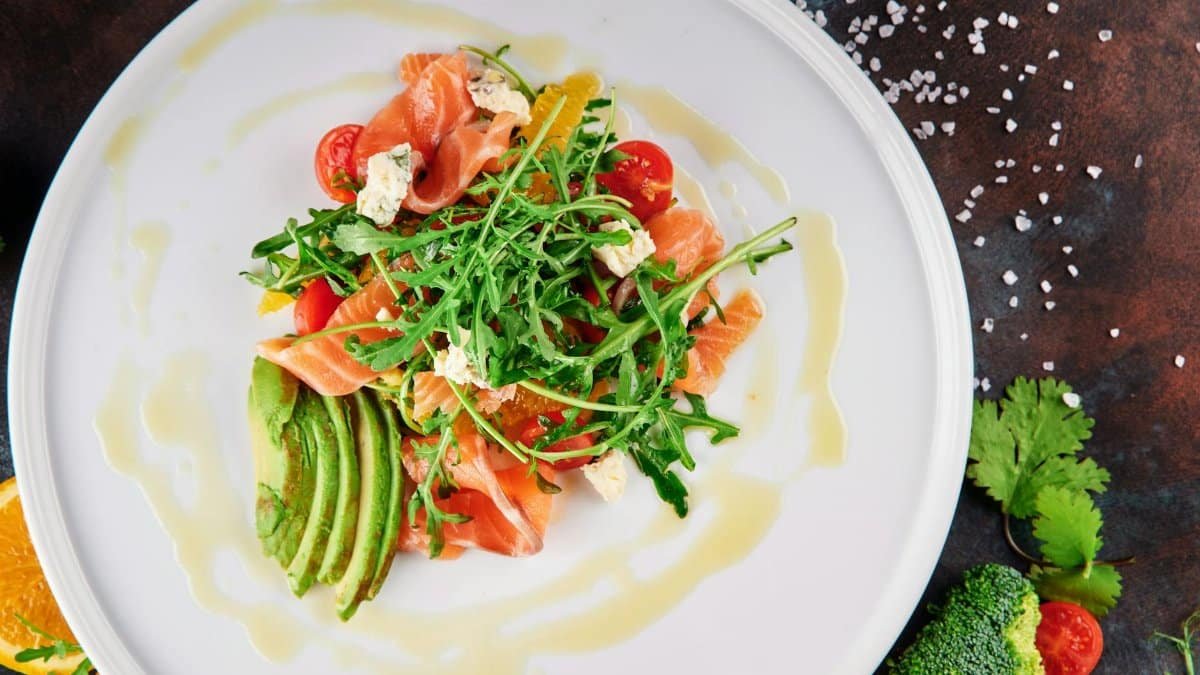
Start with something straightforward yet powerful: a salmon salad loaded with omega-3 fatty acids. These essential fats play a crucial role in brain health, influencing neurotransmitter function that directly affects mood regulation. Researchers have long noted how diets high in omega-3s correlate with lower rates of anxiety and depression. For instance, a study published in the Journal of Clinical Psychiatry found that participants consuming more fish experienced measurable improvements in emotional stability over time.
Picture a middle-aged professional in Chicago, juggling deadlines and family demands. She swaps her usual fast-food lunch for grilled salmon atop mixed greens, tossed with walnuts and a lemon vinaigrette. By mid-afternoon, that familiar wave of irritability eases, replaced by a subtle clarity. It’s not magic; it’s the anti-inflammatory properties at work, quieting the brain’s stress signals. Online discussions often reveal similar stories, with one anonymous account describing how regular omega-3 intake transformed overwhelming days into manageable ones, without naming any miracle cure.
To prepare this meal, grill a four-ounce salmon fillet seasoned lightly with herbs. Pair it with spinach, cherry tomatoes, and a handful of almonds for crunch. The combination delivers not just protein but also fiber to keep energy levels even. Experts from the Harvard T.H. Chan School of Public Health emphasize that such fatty acids can modulate cortisol, the stress hormone, helping users feel more grounded. In 2025, with mental health conversations amplifying, this meal stands as an accessible entry point, reminding us that nourishment extends beyond the physical.
Yet, variety matters. If salmon feels repetitive, swap in mackerel or sardines for similar benefits. The key lies in consistency, turning a single dish into a habit that subtly fortifies emotional reserves.
2. Probiotic Yogurt Parfait
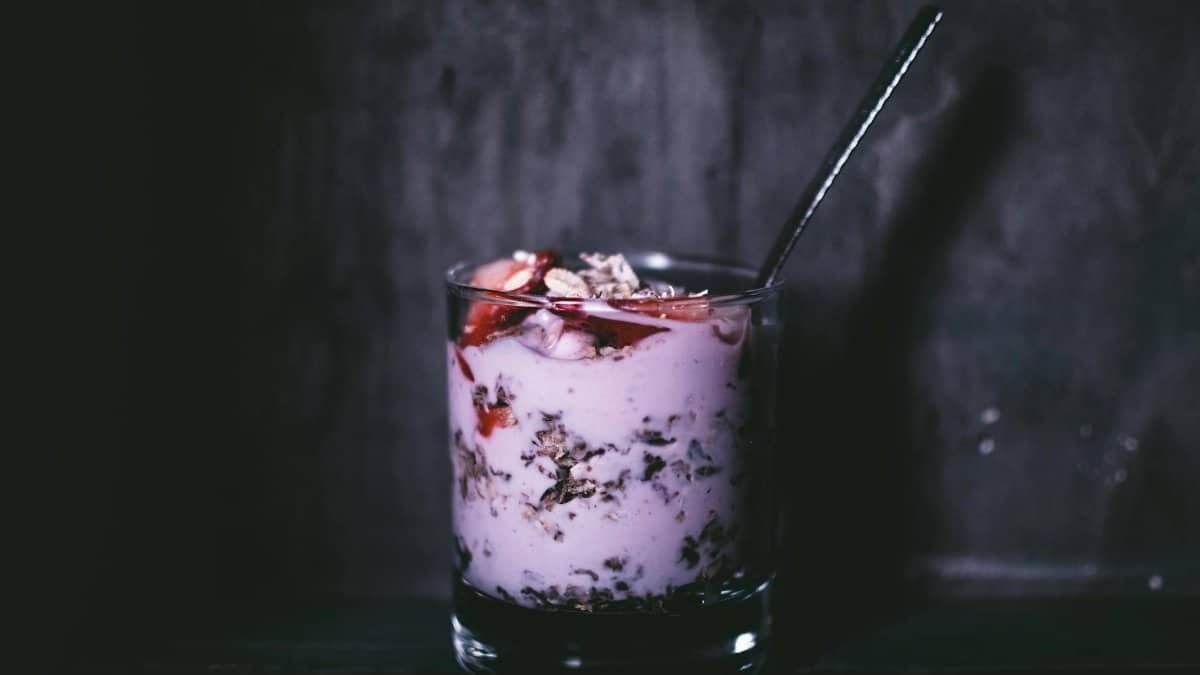
Ever considered your gut as a second brain? The idea gains traction in nutritional psychology, where the microbiome’s role in emotional regulation comes into sharp focus. A probiotic yogurt parfait, layered with Greek yogurt, fresh berries, and a sprinkle of chia seeds, taps into this connection. Probiotics support gut health, which in turn influences serotonin production—about 90% of which occurs in the intestines.
One compelling narrative comes from a teacher in Texas, who, after years of classroom burnout, began her mornings with this simple assembly. The creamy base, dotted with antioxidant-rich blueberries and a crunch of seeds, didn’t just satisfy hunger; it steadied her responses to chaotic school days. She noticed fewer reactive moments, attributing it to the stabilized mood from better digestion. This echoes findings from a 2023 meta-analysis in the journal Gut Microbes, linking probiotic intake to reduced symptoms of emotional dysregulation.
Dive into the prep: Spoon plain Greek yogurt into a glass, alternate with sliced strawberries and a dash of honey for natural sweetness. Top with chia for omega-3s and fiber. The National Center for Biotechnology Information hosts studies showing how such foods enhance the gut-brain axis, potentially alleviating stress. In a year like 2025, when wellness trends lean toward holistic approaches, this meal offers a gentle, flavorful way to nurture inner balance without overwhelming the routine.
Of course, not everyone tolerates dairy well. Alternatives like coconut yogurt maintain the probiotic punch, ensuring the benefits reach a wider audience.
3. Whole Grain Avocado Toast
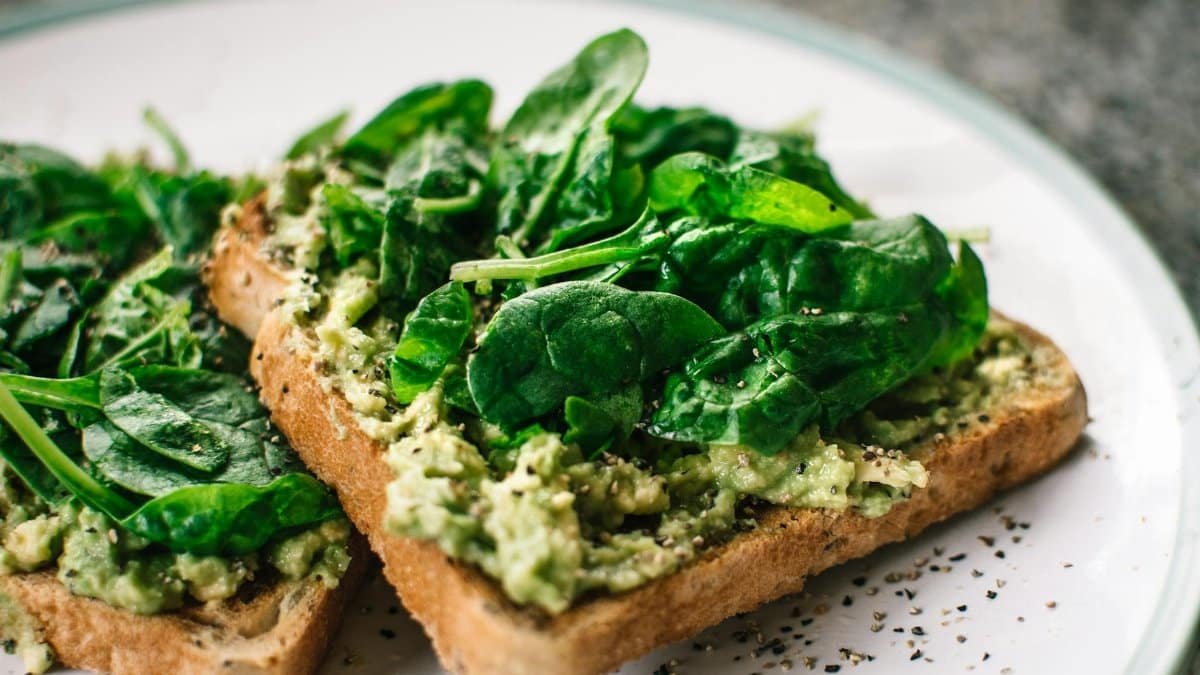
Amid the buzz of breakfast trends, whole grain avocado toast emerges as a champion for emotional steadiness. The complex carbohydrates in whole grains provide sustained energy, preventing the blood sugar crashes that fuel irritability. Avocado adds healthy monounsaturated fats, which support cognitive function and reduce inflammation.
Imagine a freelance writer in Seattle, facing erratic schedules. He toasts rye bread, mashes ripe avocado with a squeeze of lime, and scatters pumpkin seeds on top. What follows is a morning of focused calm, where creative blocks dissolve more easily. This isn’t anecdotal fluff; a report from the Whole Grains Council highlights how these carbs aid in serotonin regulation, fostering emotional equilibrium.
Preparation is effortless: Choose a sturdy whole grain bread, spread mashed avocado generously, and enhance with tomatoes or a poached egg for protein. Such a meal aligns with broader U.S. trends toward mindful eating, as noted in recent dietary guidelines. It counters the quick-fix culture, promoting a slower, more intentional start to the day that builds emotional resilience over time.
Challenges arise, though—avocados can be pricey or seasonal. Frozen options or substitutions like hummus keep the essence intact, adapting to real-life constraints.
4. Nutty Oatmeal Bowl
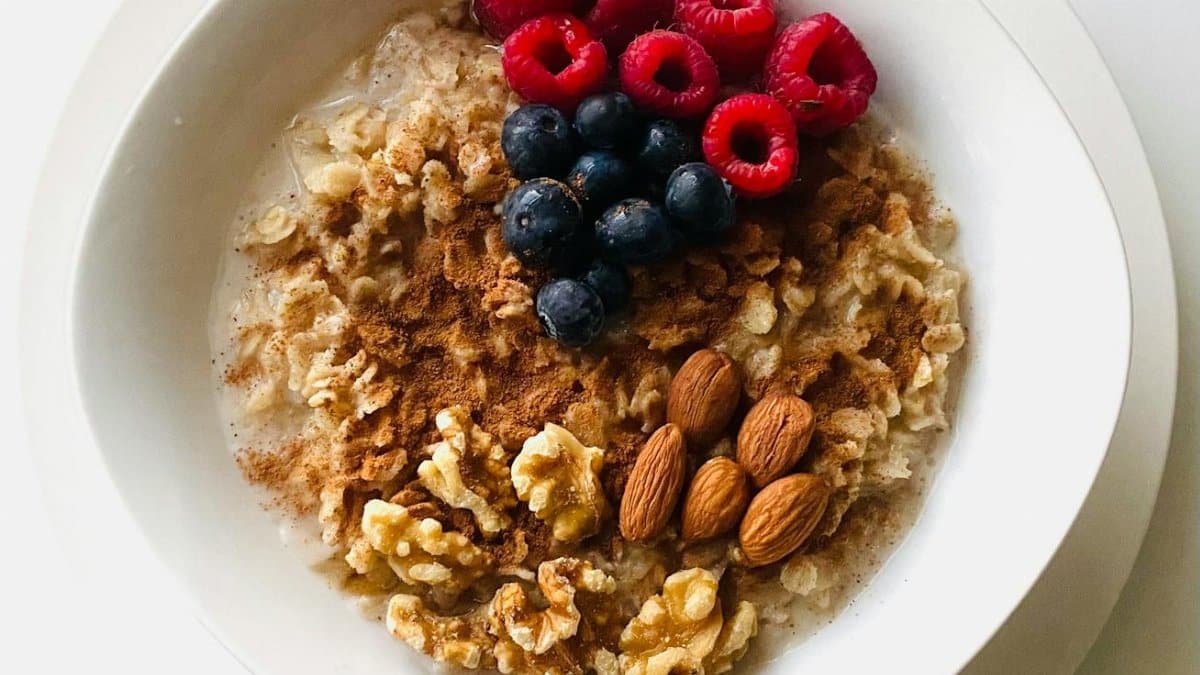
Comfort food meets science in a nutty oatmeal bowl, where rolled oats form the base for a meal that bolsters emotional regulation through steady glucose levels and nutrient density. Oats contain beta-glucans, which help moderate insulin responses, while nuts provide magnesium—a mineral often deficient in stressed individuals.
A retiree in Florida shared how this dish became her anchor after losing a spouse. Stirring almonds and walnuts into warm oats, topped with banana slices, she found solace in the ritual itself, alongside the biochemical lift. Her account, echoed in anonymous online reflections, points to reduced anxiety from consistent nutrient intake. Supporting this, a study in the American Journal of Clinical Nutrition links magnesium-rich foods to better mood management.
To make it: Cook oats in almond milk, stir in a mix of nuts, and add cinnamon for flavor. The USDA Nutrition.gov details how such elements combat emotional volatility. In 2025’s landscape of self-care emphasis, this bowl represents an affordable, warming option that strengthens from within.
Tensions exist; some find oats bland. Experimenting with fruits or spices keeps it engaging, ensuring long-term adherence.
5. Berry and Dark Chocolate Medley

Who says emotional support can’t be indulgent? A berry and dark chocolate medley combines antioxidants from berries with theobromine in chocolate, which can enhance dopamine release and promote a sense of well-being. This duo fights oxidative stress, a contributor to emotional fatigue.
Consider a busy parent in New York, snacking on this during evening wind-downs. Fresh raspberries paired with squares of 70% dark chocolate melt away the day’s tensions, offering a mindful pause. It’s a small act with big ripple effects, as per research from the Journal of Psychopharmacology on chocolate’s mood-boosting potential.
Assemble easily: Wash a cup of mixed berries, break chocolate into pieces, and enjoy slowly. Insights from the Harvard T.H. Chan School of Public Health affirm the cognitive benefits. This meal flips the script on restrictive diets, proving pleasure and regulation can coexist in 2025’s wellness narrative.
Moderation is key—overindulgence might backfire. Portion control turns it into a sustainable ally.
6. Herbal Tea with Quinoa Stir

Rounding out the list, a herbal tea accompanied by a quinoa stir-fry introduces calming herbs alongside protein-packed grains. Chamomile or lavender tea soothes the nervous system, while quinoa’s amino acids support neurotransmitter balance.
A veteran in California turned to this after therapy sessions, finding the warm tea and veggie-laden quinoa a bridge to inner peace. The combination quelled racing thoughts, aligning with studies on herbal impacts from the National Institutes of Health.
Prepare the stir: Sauté quinoa with broccoli and bell peppers, brew tea separately. The NIH Office of Dietary Supplements notes quinoa’s magnesium content aids relaxation. As emotional regulation gains prominence in 2025, this meal encourages a holistic, ritualistic approach.
Adaptations for taste preferences ensure inclusivity, broadening its appeal across diverse lifestyles.