
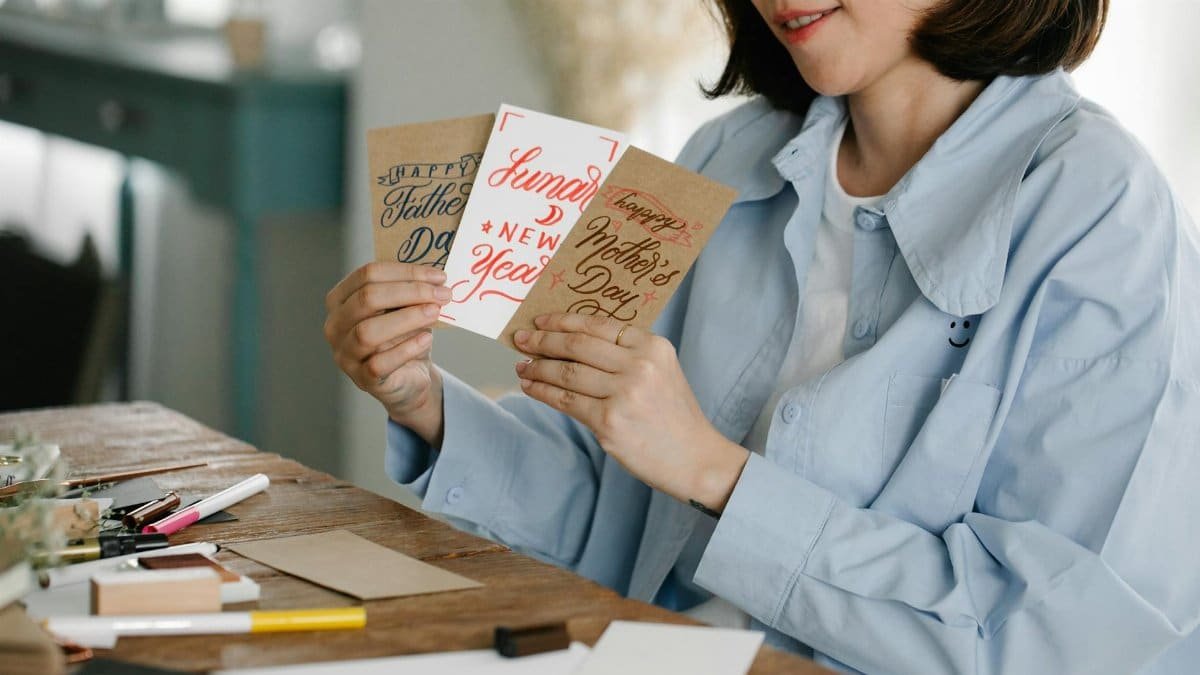
In a world craving slow, hands-on escapes from screen fatigue, Victorian hobbies are staging a stunning revival. Think lace-knotted trinkets and fern-filled scrapbooks—pastimes once dismissed as fusty relics are exploding on Etsy, TikTok, and craft fairs. Sales of tatting shuttles jumped 300% last year, per craft retailer data, as millennials and Gen Z rediscover the tactile joy of 19th-century pursuits. These aren’t just nostalgia trips; they’re antidotes to fast fashion and digital burnout, blending history with modern mindfulness.
Tatting: The Lace Revival Knitting Can’t Touch
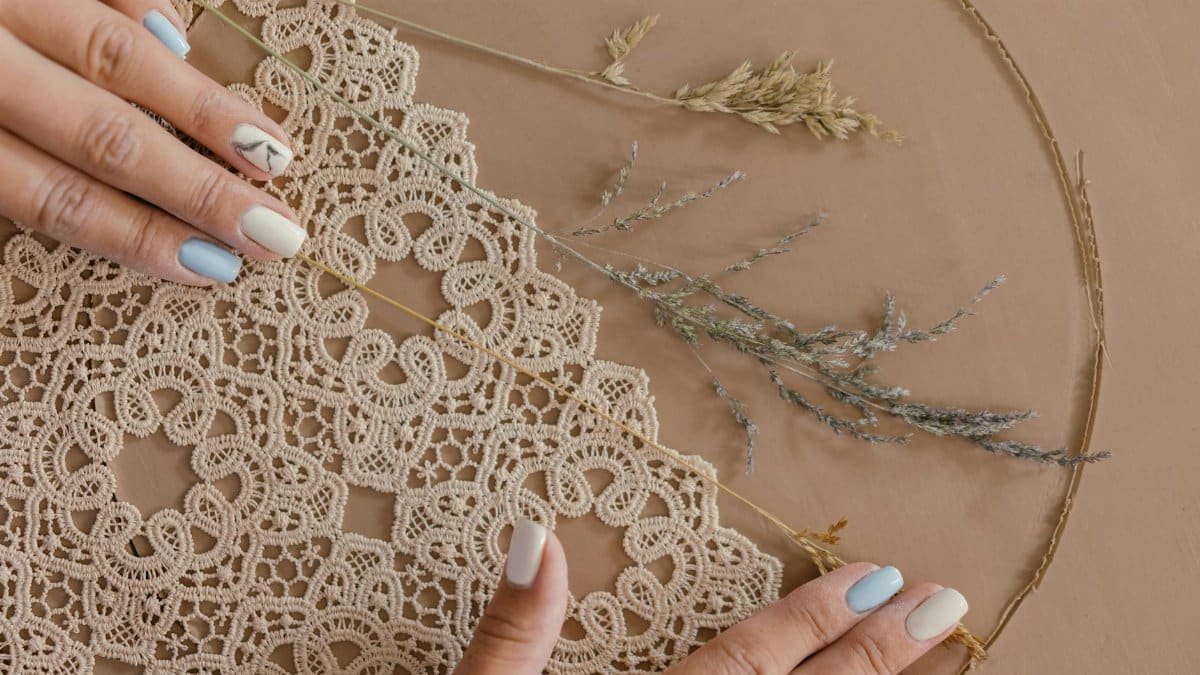
Picture this: a simple shuttle weaving snowflake-fine lace doilies and jewelry in under an hour. Tatting, a Victorian staple from the 1850s, let genteel ladies craft heirloom edging without bulky needles. Queen Victoria herself was obsessed, filling Buckingham Palace with tatted finery.
Fast-forward to 2024: TikTok tutorials rack up 50 million views, with influencers like @TattingTessa selling $20 kits that ship 10,000 units monthly. Etsy reports tatting patterns up 450% since 2022. “It’s therapy,” says Brooklyn crafter Mia Lopez, whose viral tatting earrings mimic Victorian cameos. Modern twists include glow-in-the-dark threads and macramé hybrids, proving this knotty art’s enduring knot on hearts.
Pteridomania: Fern Frenzy Grips Urban Foragers
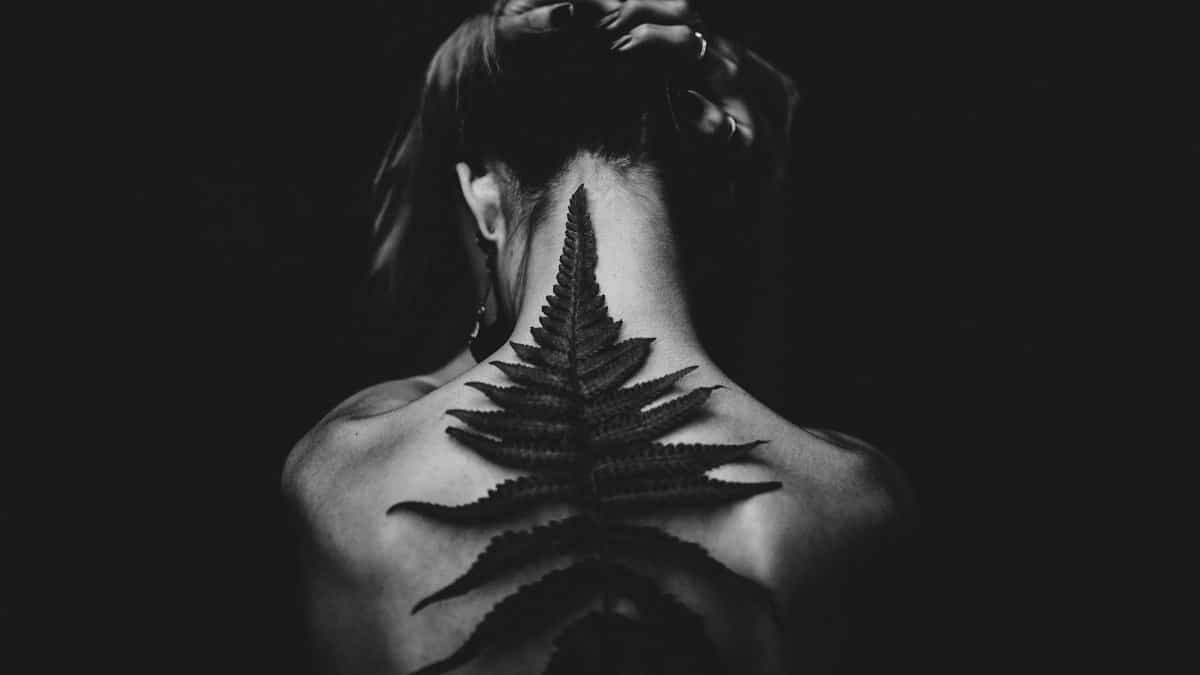
The Victorian “fern fever” swept Britain in the 1840s, with obsessives like novelist Charles Kingsley scouring wilds for rare fronds to press and frame. Pteridomania birthed fern albums as status symbols, adorning middle-class parlors amid the era’s botanical boom.
Today’s version? Instagram reels of city dwellers hunting ferns in Central Park, with #Pteridomania hitting 2 million posts. Seed companies report fern sales soaring 250%, fueled by houseplant mania. Seattle’s Fern Society revives Victorian hunts via apps pinpointing urban specimens. Crafter Elena Vasquez presses ferns into resin coasters: “It’s like time travel—slow, green, satisfying.” Eco-angle: sustainable foraging classes pack out, turning hobbyists into mini-botanists.
Amateur Taxidermy: Creepy-Cute Specimens Reborn
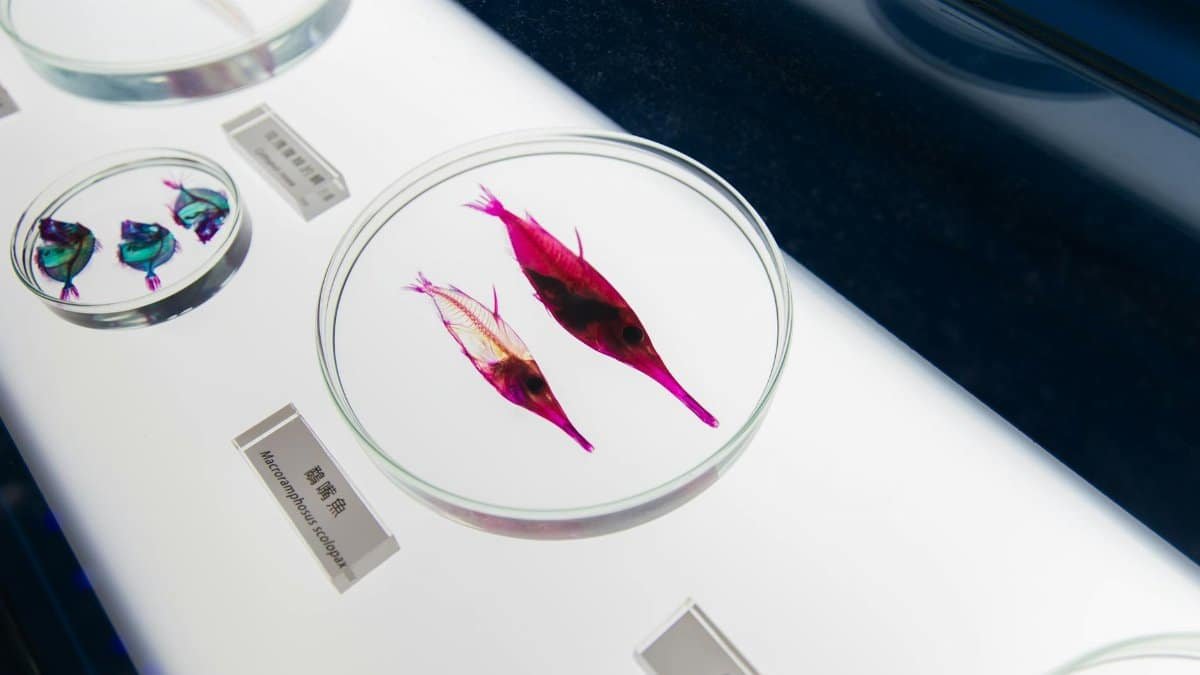
Victorians turned pets and pests into posed dioramas, with taxidermy kits hawked in 1890s catalogs. It was science-meets-art, fueling museums and private “cabinets of curiosity.”
Now, “nano taxidermy” miniatures—like squirrel acorns or mouse teacups—are Instagram gold, with 1.5 million #VictorianTaxidermy views. YouTube’s Taxidermy Tina teaches ethical faux versions using clay and feathers, dodging animal welfare flak. Sales of beginner kits spiked 380% on Amazon, per market trackers. L.A. artist Theo Grant’s “pet memorials” blend whimsy and grief therapy: “Victorians grieved with art; we do too, minus the formaldehyde.”
Decoupage: Paper Passion Goes Glitzy
From ornate boxes to furniture, decoupage let Victorians collage printed papers with glue and varnish, mimicking luxury without the cost. Martha Stewart’s precursor? Ladies’ magazines peddled floral motifs for tea trays.
2024’s boom: Pinterest boards explode with 300% more searches, as #DecoupageDIY trends. Crafters layer vintage wallpaper scraps onto laptops and lamps, with Etsy shops moving $5 million in supplies yearly. Influencer @DecoQueen’s metallic Victorian floral trays sell out in hours. “It’s upcycling before upcycling,” notes Chicago designer Lila Hart, whose classes fill via Eventbrite. Sustainable inks and recycled papers keep it fresh for eco-crafters.
Silhouette Portraiture: Shadow Art Shadows Selfies

Scissor-wielding artists like Auguste Edouart churned out black-paper profiles in minutes at Victorian fairs—affordable alt to pricey oil paintings. Albums brimmed with family silhouettes, a sentimental staple.
Revived via apps like Silhouette Studio, but purists wield shears for authenticity. TikTok challenges net 800,000 entries, with wedding favors leading sales. Brooklyn’s ShadowCut Studio reports 500% booking growth, crafting cameos from photos. “Selfies fade; silhouettes last,” says owner Raj Patel. Modern spins: metallic foils and LED backlights turn heirlooms into neon wall art, captivating Gen Z goths.
Seaweed Pressing: Oceanic Scrapbooks Surface
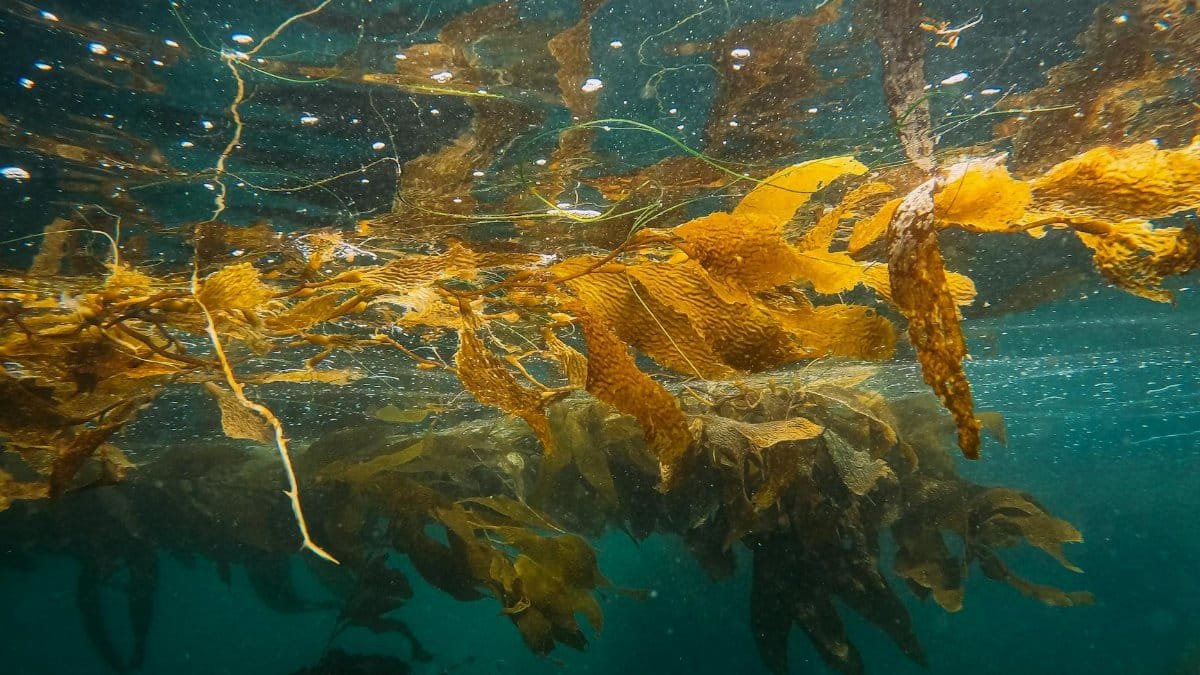
Victorians pressed Atlantic kelps into albums during seaside holidays, classifying specimens like lady naturalists. Books like “British Sea-Weeds” (1830) sparked a gelatinous gold rush.
Beachcombing apps now guide foragers to wracks, with #SeaweedPressing at 1.2 million views. Coastal craft fairs sell presses mimicking Victorian leather tomes. Portland’s Kelp Collective hosts workshops, sales up 290%. Artist Nora Finn’s framed fronds double as bioluminescent decor: “It’s meditation by the shore—Victorian calm for chaotic times.” Science tie-in: citizen science apps log biodiversity, merging hobby with conservation.
As these Victorian hobbies claw back into the spotlight, they’re not just crafts—they’re cultural rebellion. Amid algorithm overload, they’re reminding us: the best trends are handmade, heirloom-bound, and utterly timeless. Crafters report lower stress levels, per a recent Craft Yarn Council survey, proving history’s pull remains strong.