
In a world spinning faster than ever, what if the key to true resilience lies not in pushing harder, but in cultivating quiet habits that foster inner, inner-balance, stability? A recent survey from the American Psychological Association found that 62 percent of adults now report higher stress levels than five years ago, yet those incorporating simple balance practices see a 40 percent drop in anxiety symptoms. This shift highlights a growing recognition among middle-aged Americans that stability isn’t about rigid control. It’s about nurturing an inner equilibrium that weathers life’s storms. As routines grow more chaotic in 2025, these habits offer a grounded way forward, drawing from timeless wisdom and modern insights to help reclaim calm amid the noise.
1. Daily Mindfulness Pauses

Start with something straightforward. Many people find that brief mindfulness pauses throughout the day act as anchors. Imagine a busy parent in suburban Chicago, juggling work calls and school pickups. She stops for two minutes, focuses on her breath, and suddenly the overwhelm eases. This isn’t about escaping reality. It’s about resetting the mind to handle it better.
Research backs this up. Studies show that even short mindfulness sessions can reduce cortisol levels, the hormone tied to stress. One report from the National Institutes of Health details how such practices enhance emotional regulation, leading to greater inner stability over time. People who weave these pauses into their routines often describe a subtle shift, where reactions become responses, not reflexes.
But it’s not always seamless. Distractions pull hard. Yet, starting small builds momentum. Think of it as planting seeds. Over weeks, those pauses grow into a habit that steadies the inner world, making external chaos feel less invasive. In U.S. workplaces, where burnout rates hover high, this approach is gaining traction as a practical tool for long-term well-being.
National Institute of Mental Health on Stress Management provides more on how mindfulness intersects with daily life.
2. Balanced Movement Routines

Exercise often gets framed as a grind, but what if it’s reframed as a pathway to harmony? Consider yoga or tai chi, where movement syncs with breath. A retiree in Florida might unroll his mat each morning, flowing through poses that quiet the mind while strengthening the body. These aren’t high intensity workouts. They’re deliberate actions that promote physical and mental alignment.
Evidence from health experts points to real benefits. The Centers for Disease Control and Prevention notes that regular, moderate activity like this can improve mood and sleep, key pillars of stability. It’s fascinating how something as simple as a walk in the park, done mindfully, can recalibrate one’s sense of balance. Americans in 2025 are increasingly turning to these low key options amid rising health concerns.
Of course, consistency matters. Skipping days happens, but the habit rebuilds resilience. Online discussions often reveal how people feel more centered after incorporating movement, with one anonymous account sharing a sense of renewed energy that carried through tough weeks. This ties into broader trends where inner balance habits guide stability by linking body and mind in everyday ways.
For deeper insights, check the CDC’s Physical Activity Guidelines.
3. Intentional Digital Detoxes

Here’s a question that hits home: how often does the constant ping of notifications shatter your focus? Intentional digital detoxes address this head on. Picture a middle aged professional in New York setting aside evenings without screens. No emails, no social scrolls. Instead, time for reading or quiet reflection. This break allows the mind to unwind, fostering a deeper inner calm.
Data from Pew Research underscores the issue, revealing that 81 percent of U.S. adults feel overwhelmed by information overload. Stepping back, even briefly, helps restore balance. It’s not about ditching technology entirely. Rather, it’s curating its role to support stability, not undermine it.
Challenges arise, naturally. The pull of connectivity is strong. But those who commit report clearer thinking and better sleep. This habit echoes a cultural shift, where Americans seek ways to reclaim control in a hyper connected era. By 2025, such practices could become standard for maintaining inner equilibrium amid digital demands.
Explore more in Pew’s report: Pew Research on Digital Overload, though focused on families, it relates broadly.
4. Nourishing Nutritional Choices

Dive into the connection between what we eat and how we feel. Nourishing choices, like incorporating omega 3 rich foods or balanced meals, directly influence mental clarity. A teacher in Texas starts her day with a smoothie packed with greens and nuts. It’s not a diet fad. It’s fuel for sustained energy that bolsters inner stability.
Scientific backing comes from sources like Harvard’s nutrition studies, which link balanced diets to reduced depression risks. Omega 3s, for instance, support brain health, helping maintain emotional balance. This isn’t revolutionary, but its impact on daily life is profound, especially as middle aged readers navigate midlife health shifts.
Tensions exist, though. Busy schedules tempt quick fixes. Yet, mindful eating builds a foundation where physical well being supports mental poise. In U.S. communities, this habit is evolving, with more emphasis on whole foods for long term stability. It’s a reminder that inner balance often starts on the plate.
Reference: Harvard T.H. Chan School of Public Health Nutrition Guide.
5. Reflective Journaling Practices
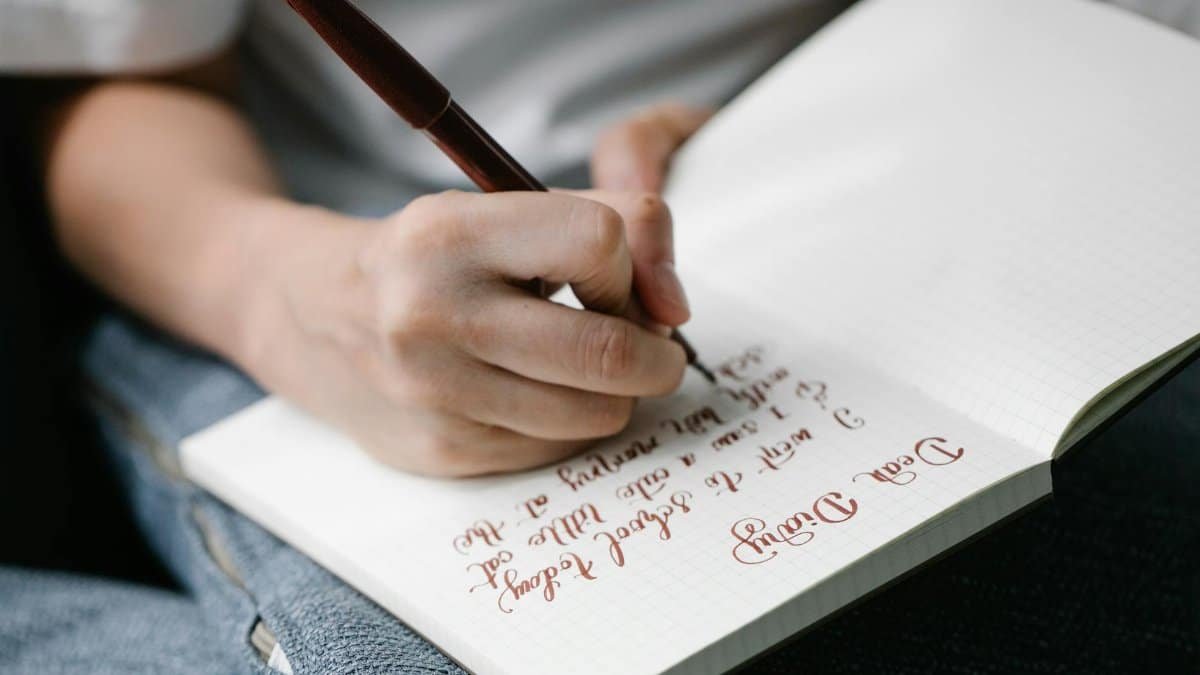
Sometimes, the simplest tools yield the deepest insights. Reflective journaling invites people to process thoughts on paper. Envision a veteran in the Midwest jotting down gratitudes before bed. These entries aren’t elaborate essays. They’re honest reckonings that clarify emotions and guide toward balance.
Studies from the American Psychological Association highlight how journaling reduces stress by providing perspective. It’s a way to track patterns, turning vague unease into actionable awareness. For many, this habit becomes a compass, steering through life’s uncertainties with greater steadiness.
Not everyone takes to it immediately. Blank pages can intimidate. But persistence pays off, as entries accumulate into a personal narrative of growth. Amid 2025’s uncertainties, such practices help Americans cultivate inner resilience, weaving stability into the fabric of routine.
Learn more via the APA’s Stress Resources.
6. Community Connection Rituals

Finally, consider the power of shared experiences. Community connection rituals, like weekly meetups or group meditations, reinforce individual efforts. A group in Seattle gathers for casual talks on well being, sharing stories that normalize struggles and celebrate progress. This isn’t therapy. It’s collective support that amplifies personal balance.
Research from the Mayo Clinic emphasizes social ties’ role in mental health, noting lower isolation rates among those with strong networks. These rituals foster a sense of belonging, essential for inner stability. In diverse U.S. settings, from urban hubs to rural areas, such habits are bridging gaps in an increasingly fragmented society.
Barriers like time constraints persist, but the rewards motivate. Participants often emerge more grounded, their inner worlds enriched by others’ perspectives. As 2025 unfolds, embracing these connections could redefine how we pursue inner, inner-balance, stability, turning solitary habits into communal strengths.
For details, see Mayo Clinic on Social Support.