
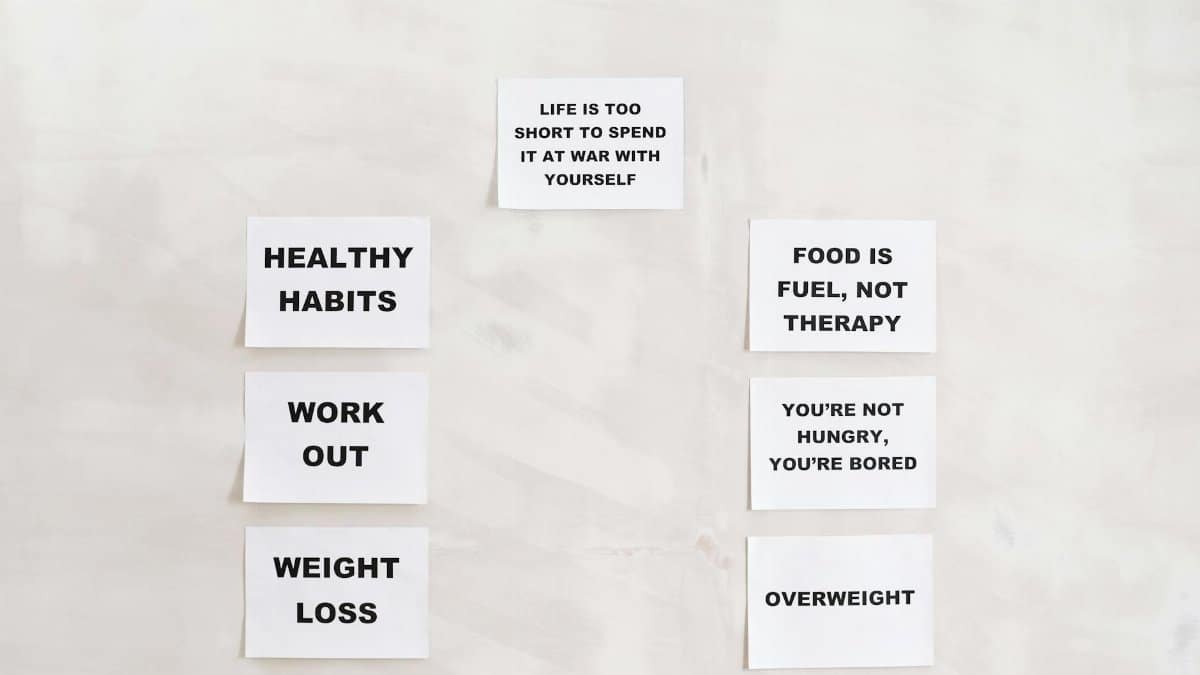
A recent study from the American Psychological Association revealed that nearly 40% of adults report feeling overwhelmed by daily stressors, a jump from previous years, underscoring a growing struggle for emotional equilibrium. This surge highlights how subtle routines can sabotage our inner peace without us even noticing. Enter the concept of clarity healing calm, a mindful approach that combines mental sharpness, emotional recovery, and serene stability to foster true balance. As we navigate the demands of 2025, from hybrid work environments to constant digital noise, recognizing these barriers becomes essential. This article uncovers six hidden habits that disrupt this harmony, drawing on insights from wellness experts and recent research. By addressing them, readers can cultivate practices that promote focus, healing, and tranquility in everyday life. It’s not about perfection but about awareness, offering a path to reclaim control amid life’s chaos.
1. Constant Multitasking

People often juggle emails, meetings, and family duties all at once, thinking it boosts efficiency. Yet this habit fragments attention and erodes emotional balance. Research shows that multitasking increases stress hormones like cortisol, making calm harder to achieve. A study published in the Journal of Experimental Psychology found that switching tasks can reduce productivity by up to 40%, leaving individuals feeling scattered and unfulfilled.
Consider Sarah, a marketing executive in Chicago who described her days as a whirlwind of notifications and half-finished projects. “I thought I was getting more done, but I just felt exhausted,” she shared in an anonymized account from an online wellness forum. This resonates with many in 2025, where remote work blurs boundaries. To counter this, embracing single-task focus aligns with clarity healing calm principles, allowing space for reflection and recovery.
Experts recommend starting small: dedicate uninterrupted time to one activity, like reading without checking your phone. Over time, this builds mental clarity. The National Institutes of Health supports this through their mindfulness resources, noting reduced anxiety from such practices.Journal of Experimental Psychology and NIH Mindfulness Resources provide deeper dives into these benefits.
Shifting away from multitasking isn’t easy, but it opens doors to genuine healing. When focus sharpens, emotional wounds from daily pressures begin to mend, fostering a calmer state of being.
2. Neglecting Sleep Routines

Sleep often falls victim to late-night scrolling or irregular schedules, yet it’s a cornerstone of emotional stability. Disrupted rest cycles amplify irritability and cloud judgment, blocking the path to clarity healing calm. The Centers for Disease Control and Prevention reports that one in three American adults doesn’t get enough sleep, linking this to heightened emotional distress.
Imagine a teacher in Atlanta, juggling lesson plans and home life, who cut sleep to catch up on emails. Over months, fatigue built into resentment and foggy thinking. This mirrors trends where technology invades bedtime, as noted in a Pew Research Center survey on digital habits. In 2025, with smart devices everywhere, reclaiming rest becomes vital.
Building consistent sleep hygiene, like dimming lights an hour before bed, supports healing. A Harvard Medical School guide emphasizes how quality sleep regulates emotions, preventing burnout.CDC Sleep Statistics and Pew Research Center Internet Reports highlight these patterns.
Occasionally, the tension arises: what if work demands encroach? Prioritizing sleep then acts as rebellion, restoring calm and enabling clearer decisions the next day.
3. Over-Reliance on Digital Validation

Social media likes and comments can dictate self-worth, creating a cycle of comparison that undermines emotional balance. This habit fosters anxiety, as constant seeking of external approval distracts from inner clarity. A 2023 study from the University of Pennsylvania linked heavy social media use to increased depression symptoms, a trend persisting into 2025.
One anonymous online reflection captured it well: a young professional felt hollow after chasing viral posts, only to realize it masked deeper insecurities. Such stories abound in digital age discussions, where platforms amplify insecurities rather than heal them.
To break free, practices rooted in clarity healing calm encourage self-validation through journaling or quiet reflection. The American Psychological Association’s resources on media literacy stress setting boundaries, like app limits, to reclaim mental space.APA Social Media Resources offer evidence-based tips.
Sometimes, logging off reveals underlying tensions, like fear of missing out. Addressing these directly builds resilience, turning digital habits into tools for calm rather than chaos.
Gradually, this shift nurtures emotional healing, where true balance emerges from within, not from screens.
4. Suppressing Negative Emotions
Bottling up frustration or sadness might seem like strength, but it often leads to emotional explosions later. This avoidance prevents the healing aspect of clarity healing calm, as unprocessed feelings fester and disrupt focus. Psychologists at Yale University have documented how emotion suppression correlates with higher stress levels and poorer mental health outcomes.
Take the case of a retiree in Florida who pushed aside grief after a loss, only for it to surface as chronic unease. His story, echoed in many shared experiences, shows how denial prolongs suffering.
Instead, acknowledging emotions through mindful expression, like talking with a trusted friend, fosters balance. A report from the National Institute of Mental Health underscores therapy’s role in this process.NIMH Coping with Stress provides accessible strategies.
Yet nuances exist: not every emotion needs immediate airing. Timing matters, adding complexity to the practice. Still, regular check-ins prevent buildup, promoting sustained calm.
5. Ignoring Physical Movement

Sedentary lifestyles, common in desk-bound jobs, stall emotional flow by trapping tension in the body. Without movement, stress accumulates, hindering clarity and healing. The Mayo Clinic’s research indicates that regular exercise reduces symptoms of anxiety and depression by releasing endorphins.
A warehouse worker in Seattle, sidelined by injury, noticed his mood plummeting without daily walks. “Movement was my reset button,” he reflected, highlighting a common oversight in busy routines.
Incorporating gentle activities, such as yoga or strolls, aligns with clarity healing calm by linking body and mind. A 2025 wellness trend report from Gallup shows rising interest in active recovery.Mayo Clinic Exercise Benefits and Gallup Workplace Wellbeing back these findings.
Challenges arise when motivation wanes, but starting small, like a five-minute stretch, builds momentum. This habit reversal not only calms the mind but heals emotional rifts through physical release.
6. Perfectionism in Daily Goals
Striving for flawless outcomes in every task breeds self-criticism and exhaustion, blocking emotional balance. This mindset dismisses progress, overshadowing the calm that comes from acceptance. Studies from Stanford University reveal that perfectionists experience higher burnout rates, affecting overall well-being.
Picture a freelance writer in New York who rewrote articles endlessly, only to feel defeated. Her journey toward embracing “good enough” transformed her approach, a shift many pursue in 2025’s high-pressure culture.
Clarity healing calm counters this by promoting realistic standards and self-compassion. Techniques like setting flexible goals, supported by cognitive behavioral insights from the APA, help reframe failures as learning.Stanford University News often features related research summaries.
Tensions emerge when societal expectations clash with personal limits, but prioritizing balance over perfection yields deeper healing. Over time, this fosters a serene confidence, free from relentless judgment.
As these habits reveal, emotional balance requires vigilance. By addressing them, individuals can embrace clarity healing calm, navigating life’s complexities with renewed poise.