
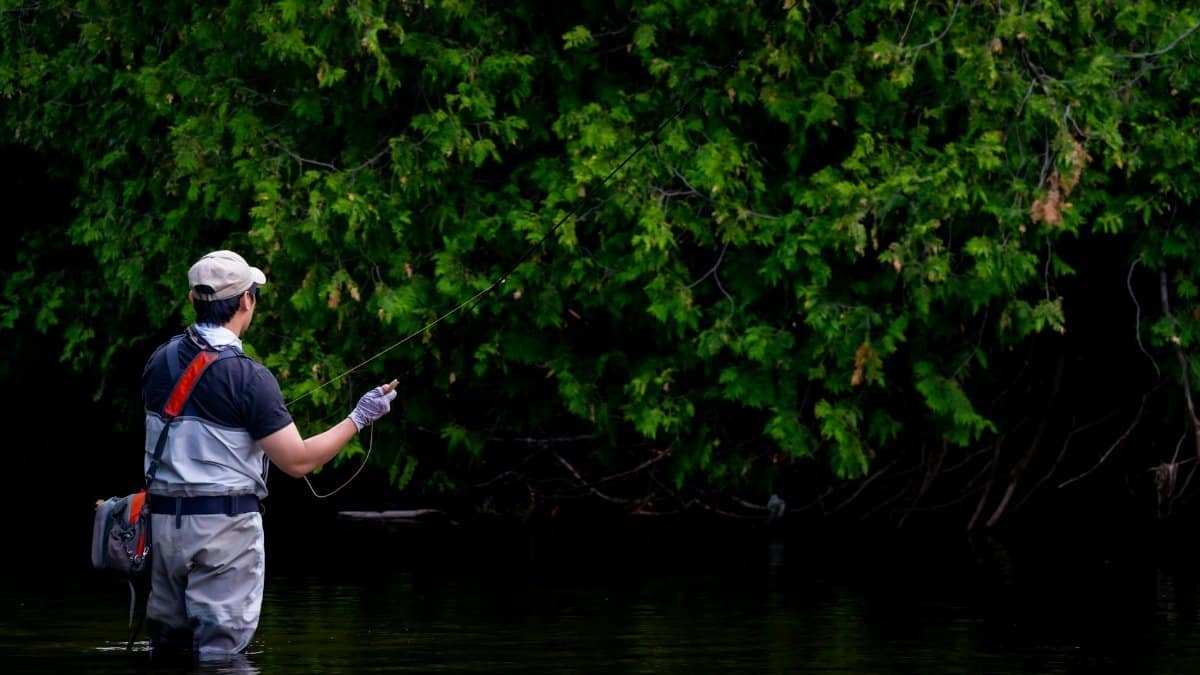
In the crisp dawn light of a Montana river, a lone figure stands waist-deep in swirling currents, his arm arcing gracefully as a delicate fly sails toward distant riffles. This was no ordinary angler, but a commander in chief seeking solace amid the burdens of power. For six former U.S. presidents, fly fishing served not just as recreation, but as a profound form of active meditation, a ritual that demanded focus, patience and presence. From Theodore Roosevelt’s rugged Western expeditions to Jimmy Carter’s quiet Southern streams, these leaders found in the rhythm of casting and waiting a counterpoint to the chaos of Washington. This practice, blending skill with surrender, offered mental clarity in an era before mindfulness apps or yoga retreats.
Theodore Roosevelt: Wild Waters and Wild Ideas
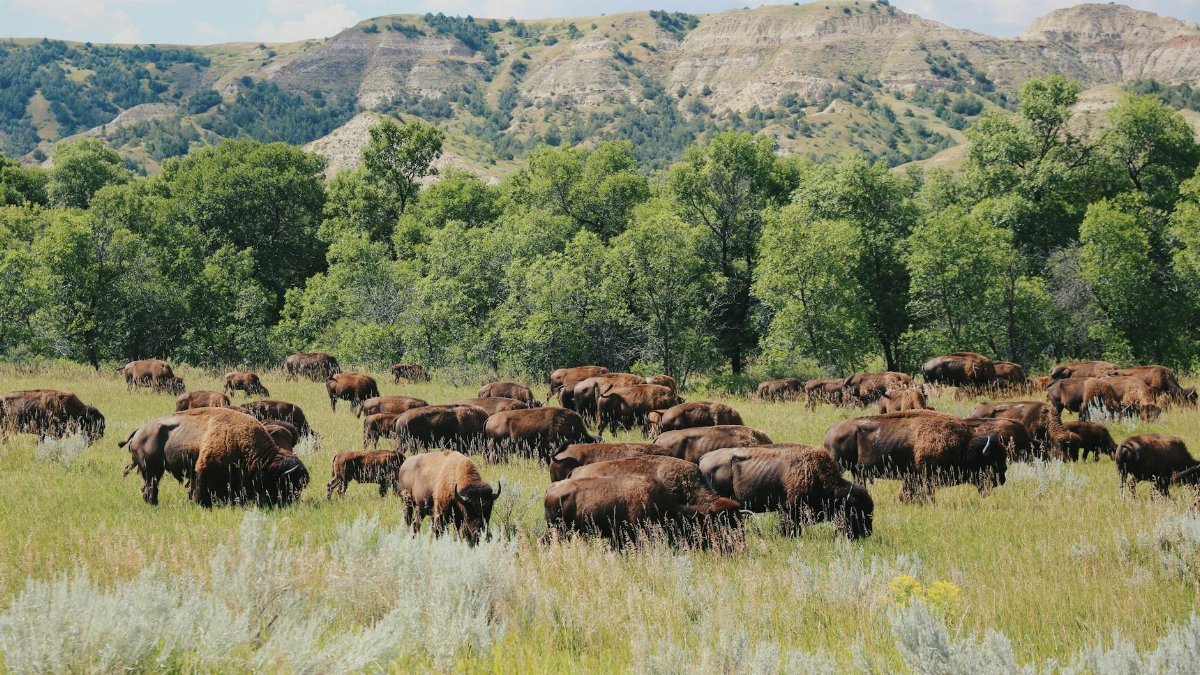
Theodore Roosevelt approached fly fishing with the same vigor he brought to trust-busting and big-game hunts. In the late 1800s and early 1900s, he ventured into the Yellowstone River and other Montana waters, where the sport tested his renowned stamina. Roosevelt viewed angling as essential for character building, a belief echoed in his writings. “The creek trout is the gamest fish that swims,” he once noted, crediting these pursuits with sharpening his resolve during his presidency from 1901 to 1909.
Historians point to Roosevelt’s time on the Vermillion River in South Dakota as pivotal. There, amid rising trout, he contemplated conservation policies that would shape national parks. Fly fishing demanded total immersion, forcing him to attune to nature’s subtleties—wind shifts, insect hatches, subtle strikes. This meditative quality mirrored his progressive vision, blending action with reflection. Roosevelt’s legacy endures in fly-fishing havens he helped preserve, reminding us how leaders once recharged far from the Oval Office.
Herbert Hoover: The Engineer’s Quiet Pursuit
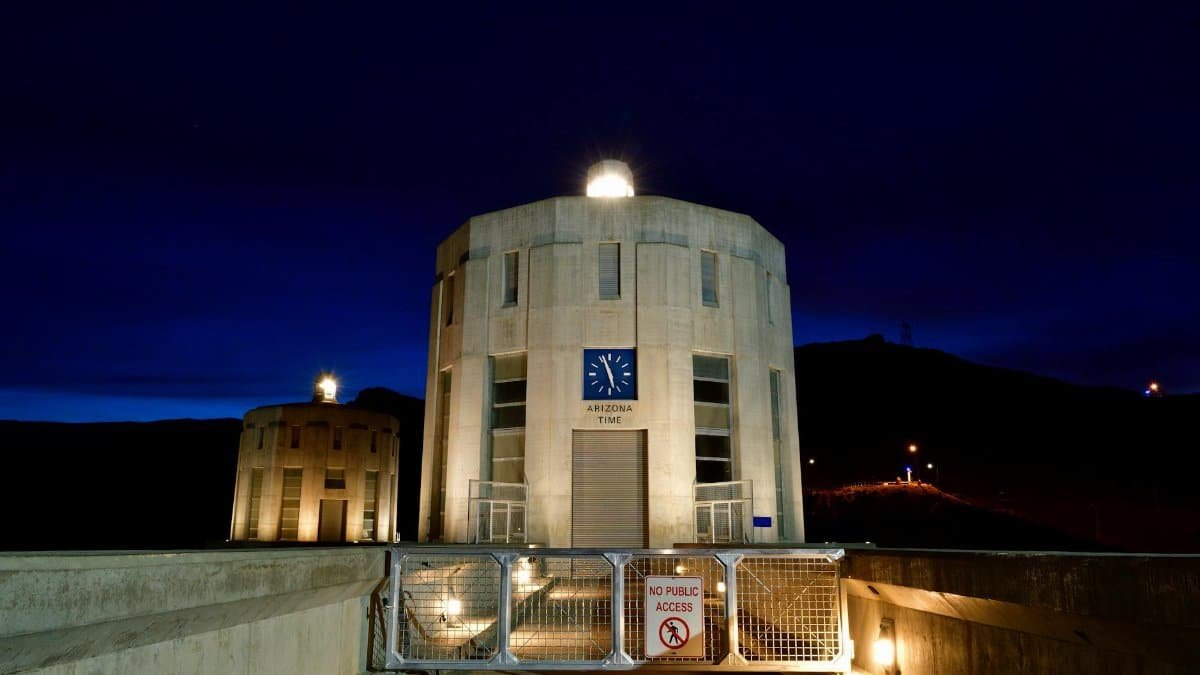
Herbert Hoover, the mining engineer turned president, found profound peace in fly fishing long before the Great Depression tested his mettle. From 1929 to 1933, amid economic turmoil, he retreated to Virginia’s Rapidan Camp, where mountain streams teemed with brook trout. Hoover mastered dry flies and upstream casts, treating the water like a complex equation to solve.
His book, “American Individualism,” hints at the philosophy gleaned from these outings: self-reliance forged in solitude. Friends recalled Hoover standing motionless for hours, rod poised, entering a trance-like state that quelled policy worries. Rapidan, now part of Shenandoah National Park, remains a testament to his passion. For Hoover, fly fishing was therapy, a deliberate rhythm that restored equilibrium in turbulent times.
Dwight D. Eisenhower: Casting Away Cold War Stress
Dwight D. Eisenhower, supreme commander of Allied forces, traded battlefields for Idaho’s Silver Creek during his 1953–1961 tenure. This spring creek, with its challenging sip rises, became his sanctuary. Ike fly fished obsessively, often with guide Lloyd Griswold, honing techniques on selective rainbows.
“Fishing is much more than fish,” Eisenhower confided, revealing its meditative pull. The repetitive cast, mend and drift mirrored military precision while demanding surrender to unpredictability. Away from nuclear brinkmanship, these trips fostered introspection; he pondered Korea and civil rights amid the Henry’s Fork. Eisenhower’s affinity influenced peers, embedding the sport in presidential lore as a balm for high-stakes decisions.
Gerald Ford: Michigan’s Native Waters
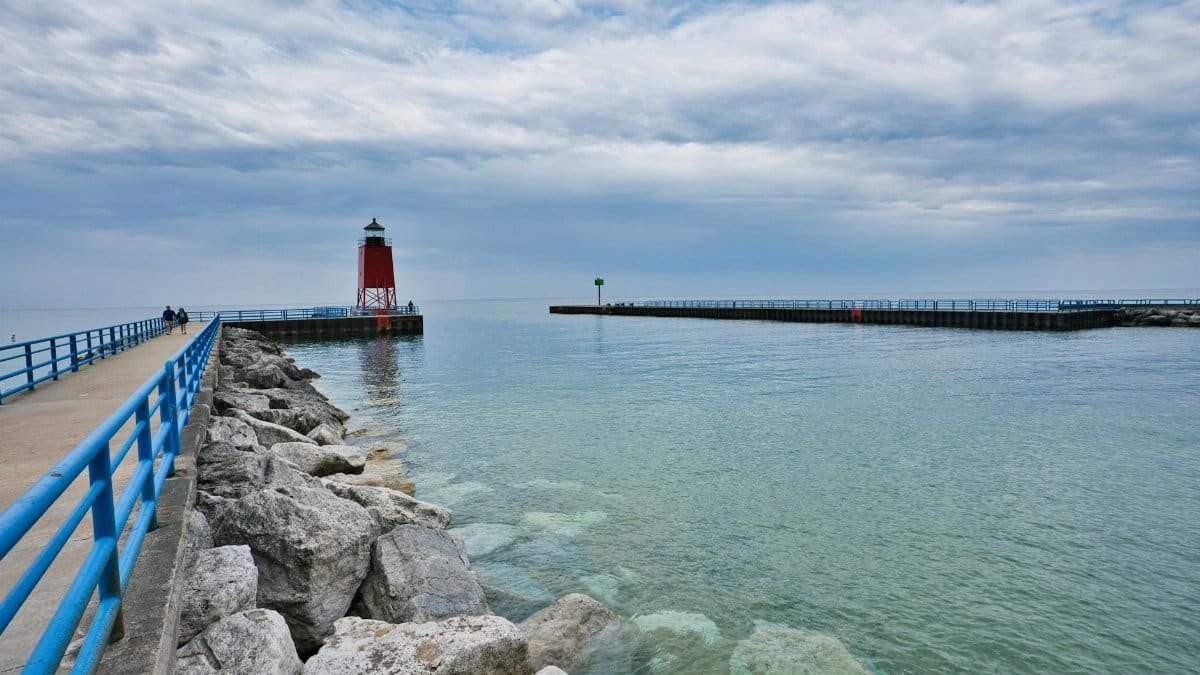
Gerald Ford, the unassuming congressman elevated to the presidency in 1974, returned often to Michigan’s Au Sable River, his boyhood haunt. Fly fishing there, amid hardwoods and mayfly hatches, grounded him post-Watergate. Ford’s upstream nymphing and dry-fly prowess reflected Midwestern grit.
As healer-in-chief, he credited these outings with mental reset. “It’s the thinking time,” Ford said in interviews, describing the focus required to track drifts. From 1974 to 1977, amid pardon controversies, the river offered unscripted meditation. Local outfitters still share tales of Ford’s humility—netting trout, then releasing them thoughtfully. His engagement highlighted fly fishing’s role in everyday leadership renewal.
Jimmy Carter: Southern Streams and Soul-Searching

Jimmy Carter’s post-presidency fly fishing on Georgia’s Chattahoochee and Florida’s waters extended a habit from his 1977–1981 White House years. Amid Camp David Accords and energy crises, he sought Georgia’s delayed harvest sections, where technical casts demanded presence.
Carter, ever the Sunday school teacher, likened the sport to prayer: patient waiting for divine—or piscine—reward. His 2016 book mentions these moments fostering empathy amid Iran hostage tensions. Even after brain cancer, at 99, he wades, embodying resilience. Fly fishing, for Carter, weaves humility with hope, a meditative thread through public service.
George H.W. Bush: Saltwater Fly Fishing on the Edge
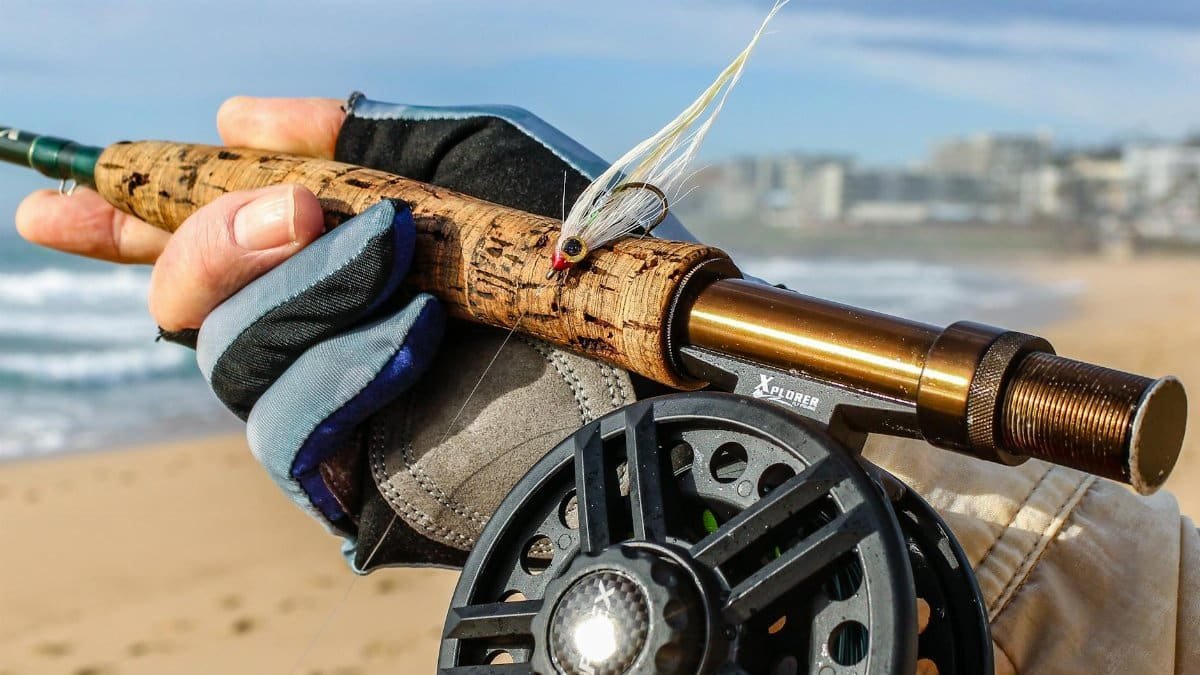
George H.W. Bush elevated fly fishing to ocean flats during his 1989–1993 presidency. Off Walker’s Cay in the Bahamas and Kennebunkport, Maine, he pursued bonefish and striped bass with 8-weight rods, mastering saltwater intricacies.
Bush’s letters describe the “zone” of strip retrieves and false casts, a respite from Gulf War planning. “Points of Light” volunteerism echoed this personal pursuit of quiet excellence. Family outings with son George W. strengthened bonds, turning meditation communal. Bush’s 2018 parachute jump at 94 underscored lifelong vitality from such rituals.
The Meditative Mechanics of Fly Fishing
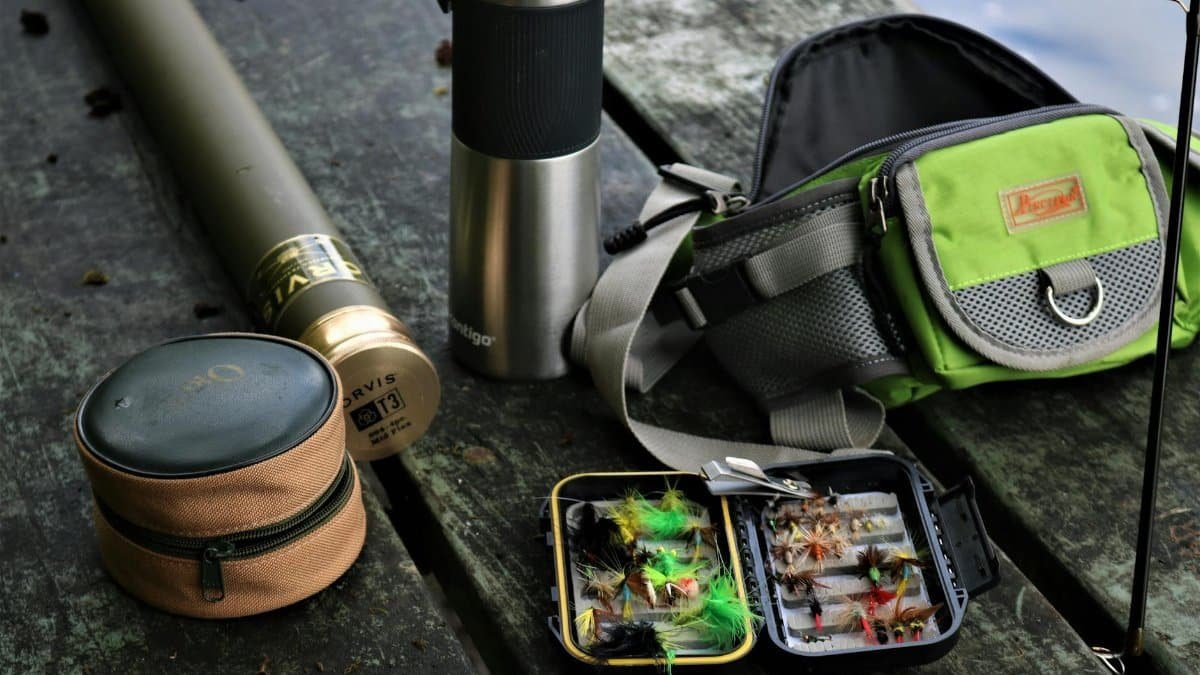
What unites these presidents? Fly fishing’s essence: a dance of precision and release. Unlike bait casting, it requires reading water, matching hatches and mending lines—skills mirroring strategic patience. Neuroscientists note its mindfulness benefits; a 2019 study in Frontiers in Psychology links such activities to reduced cortisol (link).
Presidents embraced this amid 24/7 demands, predating modern wellness trends. The loop of line loading demands breath control, akin to meditation, clearing mental clutter for clearer judgment.
Historic Rivers That Shaped Minds
These waters—Yellowstone, Rapidan, Silver Creek—hold presidential imprints. Conservation efforts, from Roosevelt’s parks to Carter’s rivers, stem partly from angling epiphanies. Today’s anglers tread hallowed grounds, casting where leaders meditated.
Climate threats loom, yet fly-fishing communities advocate preservation, honoring this legacy. Visits to these sites offer pilgrims a taste of presidential poise.
Lessons for Modern Leaders

In a polarized age, fly fishing’s lessons resonate: embrace uncertainty, practice persistence, find joy in ephemera. Presidents modeled unplugging, vital before smartphones. Contemporary figures might heed this, trading briefings for brookies.
As Chris F. Weber, reflecting on these tales, one sees fly fishing not as escape, but confrontation—with self, nature, limits. It humanizes the mighty.
A Timeless Current
From Roosevelt to Bush, these six presidents wove fly fishing into leadership’s fabric, proving active meditation’s power. Their stories urge us riverside: cast a line, quiet the mind, lead better. In swirling waters, wisdom awaits.