
Introduction

A recent study from the Pew Research Center revealed that 68% of American adults now prioritize wellness practices in their daily routines, up from 52% just five years ago. This surge points to a deeper craving for balance amid life’s chaos. Families, in particular, are turning to simple rituals that foster connection and renewal. These shared moments aren’t just feel-good habits; they rebuild bonds strained by modern demands like work stress and digital distractions. At the heart of this shift is the idea of living, boosting, healing through intentional family practices. Such rituals offer a pathway to holistic living, where emotional, physical, and spiritual well-being intertwine. As more households experiment with these approaches, the benefits ripple outward, creating stronger, more resilient units. In 2025, with mental health conversations gaining traction, these rituals feel especially timely, providing accessible tools for everyday harmony.
1. Evening Gratitude Circles

Families gather in a quiet corner of the home, perhaps around the dinner table after plates are cleared. One by one, each member shares something they’re thankful for from the day. It could be as small as a kind word from a colleague or as profound as a child’s laughter echoing through the house. This ritual, rooted in positive psychology, shifts focus from grievances to appreciation, easing tensions that build up unnoticed.
Research supports its impact. A study published in the Journal of Personality and Social Psychology found that regular gratitude exercises enhance emotional resilience and strengthen relationships. American Psychological Association’s Journal of Personality and Social Psychology details how such practices reduce stress hormones. In one family’s story, a mother described how starting this circle transformed their evenings from rushed arguments to moments of genuine connection. “It was like flipping a switch,” she recalled, her voice softening at the memory. The kids, initially reluctant, began opening up about school worries, turning potential conflicts into supportive dialogues.
Yet, it’s not always seamless. Some nights, fatigue creeps in, and words feel forced. That’s where flexibility helps—adapting the circle to include drawings for younger children or quick notes on tough days. Over time, this boosts holistic living by nurturing empathy, making family members feel seen and valued. In bustling U.S. suburbs, where schedules clash, these circles carve out space for healing, proving that small acknowledgments can mend invisible rifts.
2. Weekly Nature Walks Together

Imagine stepping out as a family into a local park, leaves crunching underfoot, the air crisp with autumn’s promise. No phones, just the rhythm of footsteps and casual chatter. This ritual invites everyone to unplug and reconnect with the natural world, a counterpoint to screen-dominated days.
Experts highlight its healing potential. The National Institutes of Health notes that time in nature lowers cortisol levels and improves mood. NIH News Release on Nature and Stress Reduction explains how even short outings enhance family bonding. One online account shared anonymously described a father and his teenagers rediscovering joy on these walks: “We talked about dreams we’d forgotten, away from the house’s distractions.” It wasn’t perfect—rainy days tested commitment—but the consistency paid off, fostering patience and shared adventures.
Diving deeper, these walks encourage mindfulness, where observations of birds or changing seasons spark discussions on life’s cycles. For middle-aged parents juggling careers and aging relatives, it’s a gentle boost to holistic living, reminding them of life’s broader tapestry. Variations might include collecting leaves for a home display, turning the outing into a creative ritual that extends the healing beyond the path.
3. Shared Meal Preparations
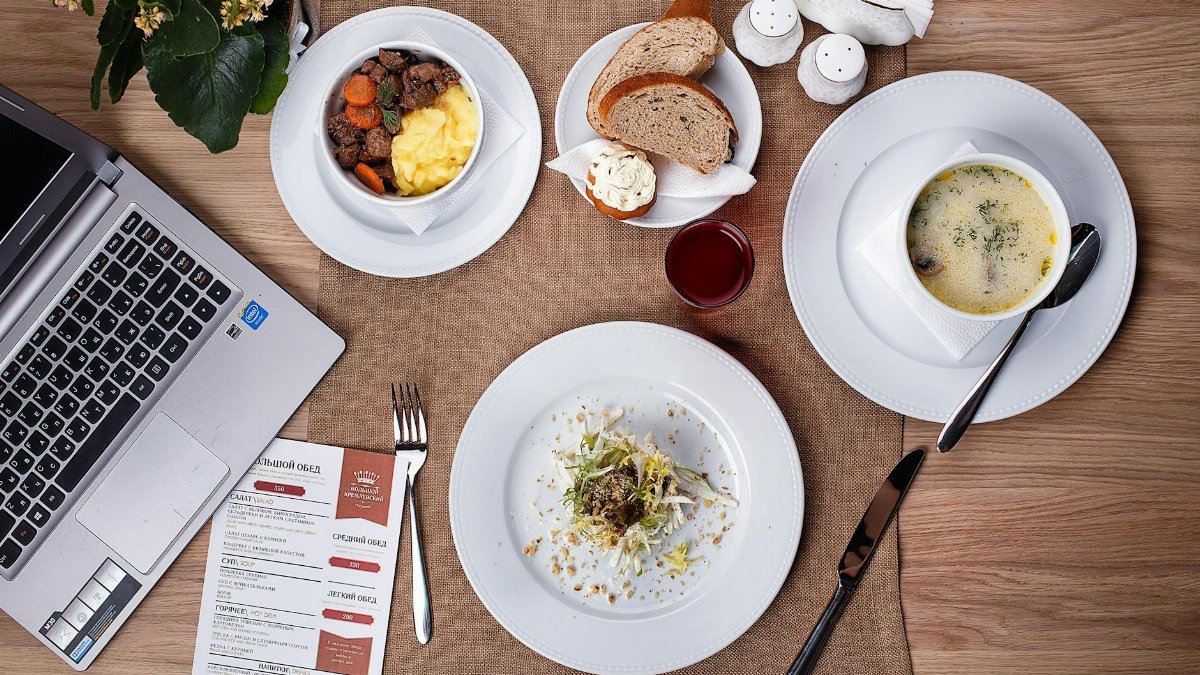
What begins as chopping vegetables side by side evolves into laughter over spilled flour and improvised recipes. This kitchen-based ritual transforms routine chores into collaborative healing sessions, where roles blur and stories flow freely.
Nutritional science backs it up. A report from Harvard T.H. Chan School of Public Health links family cooking to better emotional health and dietary habits. Harvard T.H. Chan School of Public Health on Family Meals emphasizes how these interactions build trust. Picture a blended family navigating post-divorce dynamics; through meal prep, step-siblings found common ground in debating spice levels, slowly healing old wounds.
Challenges arise, like differing tastes or time constraints, but starting small—with one meal a week—makes it sustainable. It boosts holistic living by integrating physical nourishment with emotional sustenance, creating memories that linger like the aroma of a favorite dish. In 2025’s fast-food culture, this ritual stands as a quiet rebellion, prioritizing presence over perfection.
4. Bedtime Story Exchanges

As night falls, family members take turns sharing tales—not just from books, but from their own lives or imaginations. It might start with a parent’s childhood memory, then pivot to a child’s fantastical yarn, weaving a tapestry of vulnerability and wonder.
This practice draws from narrative therapy principles, which aid in processing emotions. The American Psychological Association discusses how storytelling fosters empathy in families. APA on Narrative Therapy provides insights into its relational benefits. One reflective example comes from a family dealing with loss: “Exchanging stories helped us honor the past without getting stuck,” a participant noted, highlighting the ritual’s role in collective healing.
Not every session flows effortlessly; awkward silences can emerge, especially with teens. Yet, persisting reveals layers, boosting holistic living through deeper understanding. It transforms bedtime from a hurried routine into a sanctuary of connection, where listening becomes an act of love.
5. Monthly Reflection Jars

A simple jar sits on the mantel, filled with slips of paper noting highs, lows, and lessons from the month. At month’s end, the family reads them aloud, discussing patterns and growth.
This draws on reflective practices endorsed by wellness research. The Mayo Clinic outlines how journaling aids mental health. Mayo Clinic on Journaling Benefits details its stress-relieving effects. In a real-life snapshot, a couple with young kids used it to address recurring arguments: “Seeing our notes side by side showed us we were more aligned than we thought,” they shared.
The ritual invites honesty, though vulnerability can feel exposing at first. Over months, it cultivates resilience, enhancing living, boosting, healing by turning introspection into a group strength. For middle-aged readers facing midlife transitions, it’s a tool for modeling emotional intelligence to the next generation.
6. Forgiveness Fire Ceremonies

Under the stars or by a safe indoor flame, family members write down grudges on paper, then burn them symbolically, voicing intentions to let go. It’s a cathartic release, emphasizing renewal over resentment.
Psychological studies affirm forgiveness’s health benefits. Research from Stanford University explores its link to reduced anxiety. Stanford Medicine on Forgiveness and Health summarizes key findings. An anonymized online post captured the essence: “Our first ceremony felt awkward, but watching those papers turn to ash lifted a weight we’d carried too long.”
Risks include superficial participation, so grounding it in open talks ensures depth. This ritual profoundly boosts holistic living, fostering peace and unity. In an era of polarized views, even within homes, it offers a bridge back to compassion, reminding us that healing often starts with release.