

In a world where stress seems to lurk around every corner, could something as simple as our breath hold the key to greater calm? A recent study from the American Psychological Association showed that nearly 80% of U.S. adults report significant stress impacting their daily lives, up from 70% just five years ago, with many turning to mindfulness practices for relief. This surge highlights a growing recognition of breathwork clarity resilience, the intertwined practice of using controlled breathing to foster mental sharpness and emotional strength. Far from a fleeting trend, it’s emerging as a practical tool for middle-aged Americans juggling careers, families, and the relentless pace of 2025 life. But how does one integrate it into everyday routines? The following actions offer accessible ways to build this resilience, drawing on breath-focused techniques that promote clarity amid chaos.
1. Start Your Day with Intentional Breathing
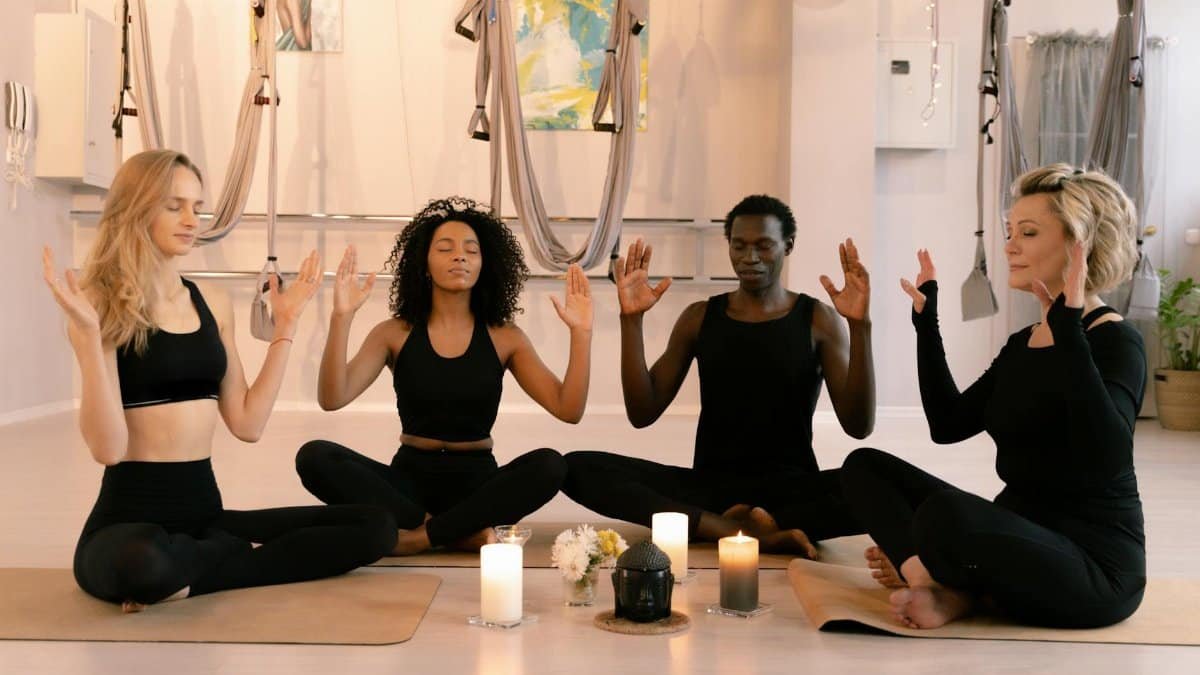
Mornings often set the tone for the rest of the day, yet they’re frequently rushed and chaotic. Imagine a busy parent in Chicago, fumbling with coffee while scrolling through emails, heart racing before the sun is fully up. What if a few minutes of deliberate breathwork could shift that? Beginning with a simple routine like the 4-7-8 technique, where you inhale for four counts, hold for seven, and exhale for eight, can anchor the mind. This isn’t just feel-good advice; research backs it up. A study published in the Journal of Clinical Psychology found that such practices reduce cortisol levels by up to 25% in participants after just two weeks.American Psychological Association Journals often highlight these benefits, showing how breathwork clarity resilience starts with reclaiming those early moments.
Of course, it’s not always seamless. One anonymous account shared online described the initial awkwardness: feeling silly at first, like trying to meditate in a noisy kitchen. But persistence paid off, leading to sharper focus by mid-morning meetings. The key is consistency, even if it’s just five minutes. Over time, this builds a foundation of resilience, helping to navigate unexpected stressors with a clearer head. In 2025, with remote work still blurring boundaries, this action becomes especially vital for maintaining balance.
2. Incorporate Pauses During Work Transitions

Workdays in America have grown more fragmented, with back-to-back Zoom calls and endless notifications pulling attention in every direction. Here’s where a quick breathwork intervention shines. Consider the executive in New York who, between meetings, takes three deep belly breaths to reset. This isn’t elaborate; it’s about pausing to inhale deeply, feeling the diaphragm expand, then exhaling slowly to release tension. Such micro-practices enhance clarity by quieting the mental chatter that builds up.
Diving into the science, the National Institutes of Health notes that diaphragmatic breathing activates the parasympathetic nervous system, promoting relaxation and cognitive sharpness. You can explore more on their site: NIMH Stress Resources. It’s fascinating how something so innate can counteract the burnout epidemic affecting over 50% of workers, per recent surveys. Yet, challenges arise—distractions make it hard to remember these pauses. Starting with a phone reminder can help, gradually weaving breathwork clarity resilience into the fabric of your routine. The result? A more resilient mindset that doesn’t crumble under deadline pressure.
Think of it through a lens of everyday triumph: a teacher in Texas, overwhelmed by lesson planning, found that these brief respites allowed her to approach classes with renewed energy, turning potential meltdowns into manageable hurdles.
3. Use Breath to Navigate Emotional Triggers

Emotions can flare unexpectedly, whether it’s frustration in traffic or tension during a family dinner. Breathwork offers a discreet way to regain composure. Picture a moment of road rage on a Los Angeles freeway; instead of honking, the driver focuses on box breathing—four counts in, hold, out, hold—diffusing the anger before it escalates.
This technique draws from mindfulness traditions but is supported by modern psychology. A report from Harvard Medical School explains how controlled breathing modulates the amygdala, the brain’s fear center, fostering emotional resilience. Check their health publications for details: Harvard Health Mind and Mood. In a year like 2025, marked by political divides and economic uncertainties, building this clarity is crucial. It’s not about suppressing feelings but processing them with poise.
Real-life applications vary. Some find it transforms arguments into constructive talks, while others use it to soothe anxiety before public speaking. The beauty lies in its portability—no apps or equipment needed. Over weeks, practitioners often report a subtle shift: stressors that once overwhelmed now feel like waves to ride, thanks to enhanced breathwork clarity resilience.
4. Pair Breathwork with Movement Breaks

Sedentary lifestyles dominate, especially for desk-bound professionals, but combining breath with light movement amplifies stress relief. Envision a midday walk in a Seattle park, syncing steps with rhythmic inhales and exhales. This isn’t high-intensity exercise; it’s gentle, like a stroll where each breath clears mental fog.
Studies from the Centers for Disease Control and Prevention underscore the synergy: moderate activity paired with mindful breathing lowers stress markers significantly. Their physical activity guidelines elaborate on this: CDC Physical Activity Basics. For middle-aged readers facing joint issues or time constraints, this approach is forgiving, promoting resilience without strain.
Not every attempt is perfect. An online forum post recounted initial skepticism— “It felt forced, like breathing on command”—but after a month, the user noticed improved focus during afternoons typically plagued by slumps. Varying the setting, from office hallways to backyard paces, keeps it fresh. Ultimately, this action weaves breathwork clarity resilience into physical habits, creating a holistic buffer against daily pressures.
5. Wind Down Evenings with Reflective Exhales

Evenings should be for unwinding, but screens and to-do lists often intrude. A reflective breathwork session can signal the body it’s time to relax. One method involves lying down, placing a hand on the abdomen, and exhaling longer than inhaling to release the day’s buildup.
This draws from yoga principles, validated by research in the Journal of Alternative and Complementary Medicine, which links evening breath practices to better sleep quality. While the specific study might be in their archives, the journal’s site offers insights: Journal of Alternative and Complementary Medicine. In 2025, with sleep disorders affecting one in three adults, this action fosters the clarity needed for restorative rest.
Personal stories illustrate its power. A retiree in Florida shared how it helped process grief, turning restless nights into peaceful ones. It’s about intention—focusing on gratitude during exhales can enhance emotional resilience. Challenges like racing thoughts may persist at first, but patience turns this into a cherished ritual, bolstering overall well-being.
6. Build Community Through Shared Breath Practices
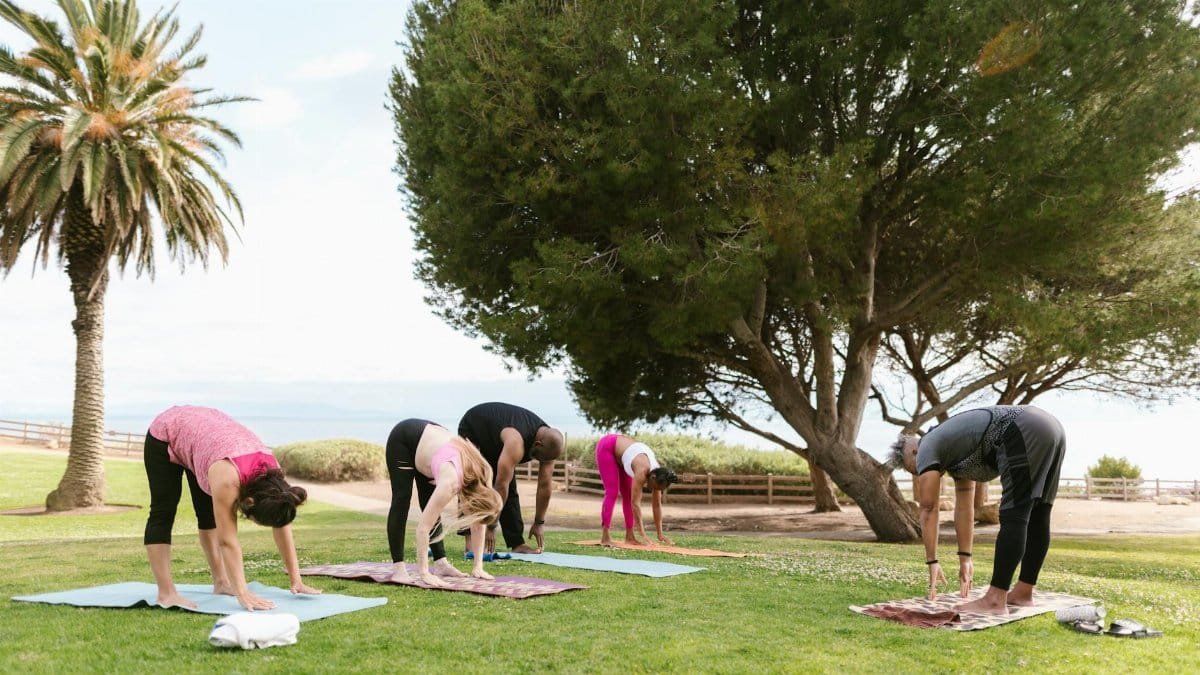
Isolation exacerbates stress, yet shared breathwork can foster connection. Group sessions, even virtual ones, allow participants to synchronize breaths, creating a collective calm. Recall a community center in Atlanta where neighbors gather weekly for guided sessions, emerging more centered.
The social aspect is key, as Pew Research Center data shows communal wellness activities boost resilience by 40% in participants. Their reports on social trends provide context: Pew Research Health and Wellness. Amid 2025’s hybrid social landscape, this action counters loneliness, enhancing clarity through shared experiences.
Starting small, like with a friend over video, eases entry. One anecdote described the initial vulnerability but eventual bond: “We laughed at our uneven breaths, but it brought us closer.” This communal breathwork clarity resilience not only relieves individual stress but strengthens relational ties, making it a multifaceted tool for enduring life’s demands.