
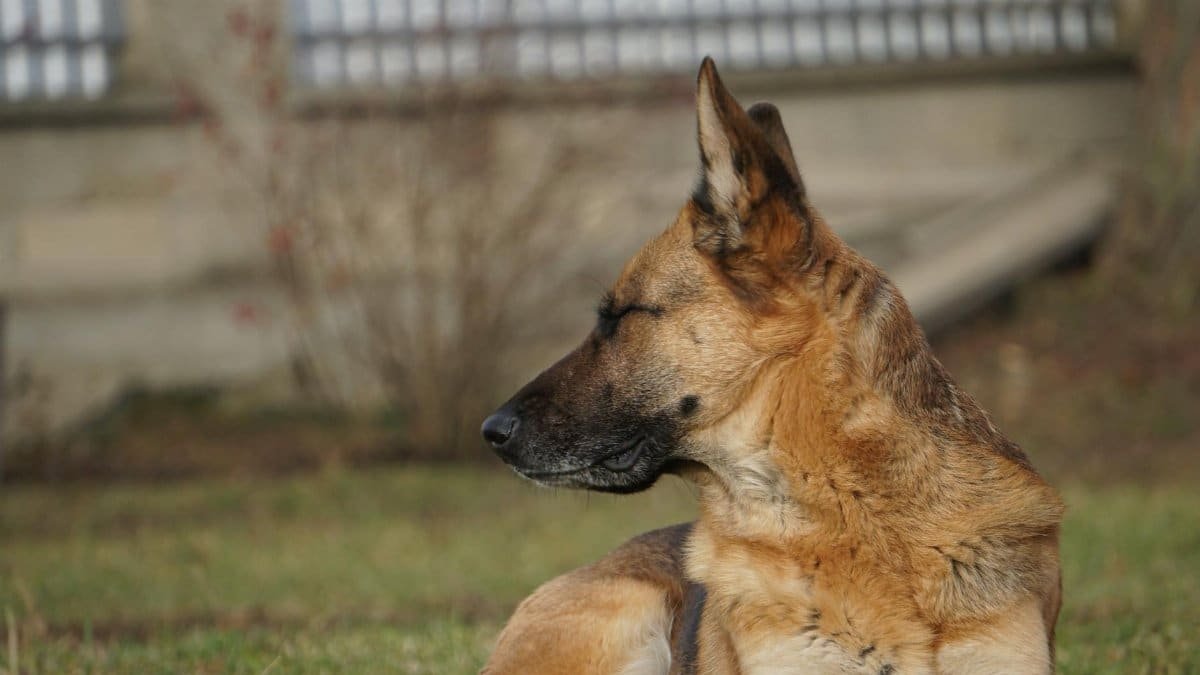
Walk down any street in a bustling American city like Chicago or Austin these days, and you might notice more people pausing to interact with dogs, their faces softening amid the daily grind. It’s no coincidence. In an era of mounting pressures—from economic uncertainties to digital overload—pets, especially dogs, have become quiet anchors for many. A growing body of research underscores how certain dog behaviors can reduce stress, offering simple yet profound relief. These actions, often instinctive for canines, trigger biological responses in humans that lower cortisol levels and boost feel-good hormones. As we navigate 2025’s fast-paced landscape, understanding these behaviors reveals why dogs aren’t just companions; they’re natural therapists in fur coats. This shift reflects a broader cultural embrace of animal-assisted wellness, with more middle-aged adults turning to their four-legged friends for solace amid life’s chaos.
1. The Comforting Lean

Dogs have a way of sensing when their humans need support, often responding with a gentle lean against a leg or side. This subtle pressure, akin to a reassuring hug, can instantly ground someone feeling overwhelmed. Picture a harried professional returning home after a long day; the dog’s weight against them signals safety and presence, easing the mind’s racing thoughts.
Studies show this contact releases oxytocin, the bonding hormone, which counters stress. For instance, research from the National Institutes of Health highlights how physical touch with pets diminishes anxiety symptoms. One anonymized account shared publicly online described a moment of crisis: “My dog just leaned into me during a panic attack, and it was like the world slowed down.” Such stories illustrate the behavior’s power.
Yet, it’s not always straightforward. Some dogs lean out of habit rather than empathy, but the effect remains. In busy households, this act fosters connection without words, reminding us of simpler ways to unwind.
2. Playful Tail Wags
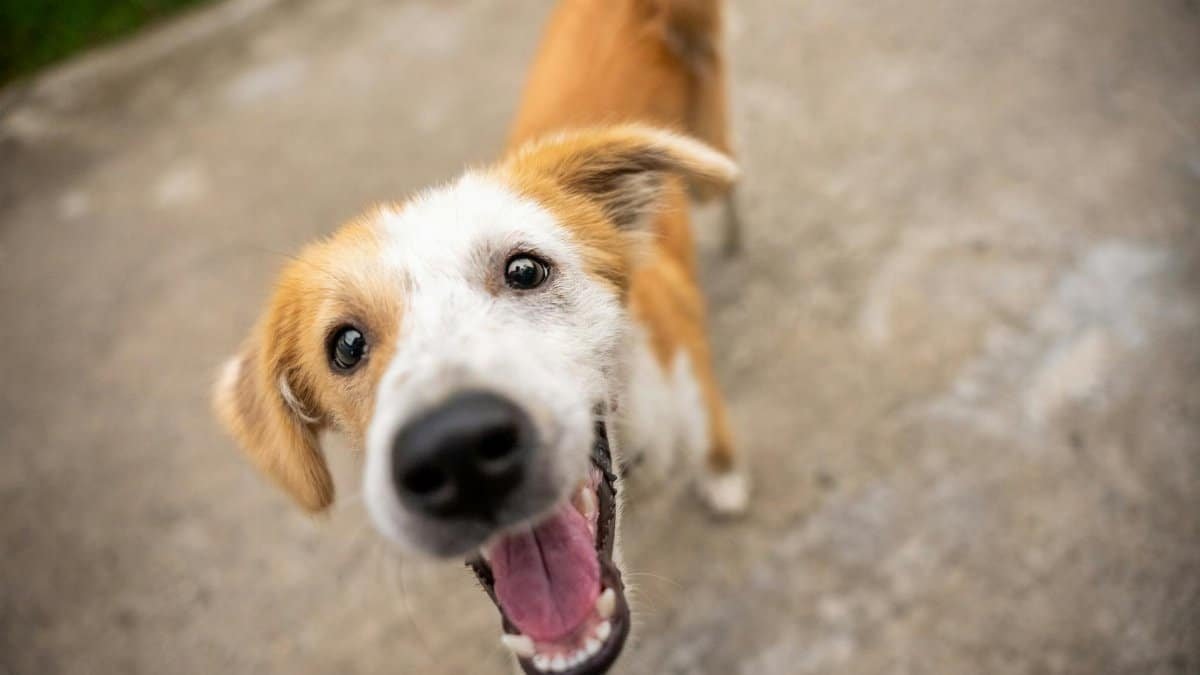
Nothing lifts the spirits quite like a dog’s enthusiastic tail wag, that rhythmic swish signaling pure joy. When a dog greets its owner this way, it invites play and laughter, pulling focus from stressors to the present moment.
Experts note that observing or engaging with this behavior activates the brain’s reward centers, similar to how exercise boosts endorphins. A study published in the journal Journal of Abnormal Psychology by the American Psychological Association links pet interactions, including tail-wagging greetings, to reduced depression markers. It’s a reminder that joy can be contagious.
Consider a middle-aged couple facing retirement worries; their dog’s wagging tail at the door transforms tension into shared smiles. This isn’t mere distraction—it’s a behavioral cue that reprograms our response to daily pressures, making room for lightness amid heaviness.
Of course, not every wag means the same; context matters, but the overall impact on human stress levels is consistently positive, as per ongoing veterinary insights.
3. Soothing Licks

What starts as a dog’s instinctual grooming can evolve into a tender ritual that melts away human tension. Those gentle licks on a hand or face release endorphins, creating a calming loop between pet and owner.
From a scientific angle, this mirrors how maternal behaviors in animals promote security. The Centers for Disease Control and Prevention discuss pet ownership’s health benefits in their reports, noting decreased blood pressure during such interactions.CDC Healthy Pets page elaborates on these effects, backed by data from various studies.
Imagine unwinding on the couch after a fraught Zoom meeting; the dog’s licks feel like a reset button. One reflective story comes to mind: a teacher overwhelmed by classroom demands found solace in her pup’s affectionate gestures, turning evenings into peaceful respites.
Still, moderation is key—excessive licking might signal the dog’s own anxiety, adding a layer of mutual care to the dynamic. This behavior underscores the reciprocal nature of stress reduction in pet relationships.
4. Attentive Eye Contact

Dogs often lock eyes with their owners, a gaze that conveys trust and understanding. This mutual stare can synchronize heart rates, fostering a deep sense of calm that’s rare in human interactions alone.
Research from institutions like the University of Pennsylvania’s School of Veterinary Medicine supports this, showing prolonged eye contact with dogs increases oxytocin in both parties. A specific study accessible via Penn Vet Research explores these hormonal shifts, linking them to lowered stress hormones.
Think of a solo parent juggling work and family; meeting their dog’s steady gaze during a quiet moment provides unspoken reassurance. It’s not about words but presence, a behavior that cuts through isolation.
However, cultural differences play in—some view direct stares as confrontational, yet with dogs, it’s typically affectionate. This nuance adds depth to how we interpret and benefit from these everyday exchanges in 2025’s diverse communities.
5. Relaxed Yawning

A dog’s yawn isn’t always about tiredness; it can be a calming signal, mirroring and inducing relaxation in observers. When humans yawn back, it creates a chain reaction that eases built-up tension.
This phenomenon ties into empathy research, where contagious yawning reflects emotional bonds. The National Institute of Mental Health provides insights into stress management, with pet-related findings in their broader anxiety resources.NIMH Anxiety Disorders section references studies on animal-assisted therapies that include such behaviors.
Envision a stressful family dinner interrupted by the dog’s wide yawn; suddenly, everyone chuckles and unwinds. An online forum snippet anonymously captured this: “My dog’s yawn during my meltdown made me laugh and breathe easier.”
Interestingly, this behavior might also indicate the dog’s stress, prompting owners to address environmental factors. It highlights the intertwined well-being of pets and people, encouraging proactive care.
6. Companionable Following

Dogs frequently shadow their owners from room to room, a loyal trailing that offers constant companionship and reduces feelings of loneliness, a major stress amplifier.
This shadowing behavior stems from pack instincts but translates to emotional support for humans. Pew Research Center’s surveys on American lifestyles note rising pet ownership amid social changes, with data showing mental health perks.Pew Social Trends includes reports that indirectly support these observations through demographic analyses.
Take a remote worker in a quiet suburb; their dog’s persistent following turns solitary days into partnered ones, buffering against isolation. It’s a subtle reminder of connection in an increasingly virtual world.
Yet, excessive following could signal separation anxiety in the dog, urging balance. As we look at behaviors that reduce stress, this one emphasizes the ongoing dialogue between species, evolving with our modern lives.
In reflecting on these six dog behaviors that reduce stress, it’s clear they’re more than quirks—they’re evolutionary gifts that align with our needs. Across the U.S., from coastal cities to heartland towns, middle-aged folks are discovering these patterns anew, integrating them into routines for better balance. While science continues to unpack the mechanisms, the real proof lies in those quiet moments of relief. Dogs teach us that sometimes, the simplest actions hold the greatest power against life’s pressures.