

A surprising new stat reveals that 68% of Americans are turning to community-based wellness habits to boost their holistic living, according to recent surveys. This shift comes amid rising stress levels in 2025, with people seeking practical ways to foster connections and balance. Community, habits, living isn’t just a buzzword—it’s a movement reshaping how folks approach health, from group fitness to shared mindfulness practices. Experts say these routines reduce isolation and enhance overall well-being, making them essential in today’s fast-paced world.
1. Group Exercise Sessions

Community gyms and parks are buzzing with group exercise classes, a habit that’s exploding in popularity. Think yoga in the park or neighborhood runs—these aren’t solo sweats but shared experiences that build bonds. A study from the American Psychological Association highlights how such activities slash stress by 25%, fostering a sense of belonging. Participants report better sleep and mood, key pillars of holistic living. In cities like New York and Los Angeles, free community sessions draw hundreds weekly, proving accessibility drives adoption. It’s simple: gather, move, connect. No fancy gear needed, just commitment to show up. This habit strengthens physical health while weaving social threads, vital in an era of digital disconnection. Wellness pros emphasize consistency—aim for twice-weekly meetups to see real gains. Real talk: skipping feels like missing a friend’s call, keeping you accountable.
2. Shared Meal Preparations
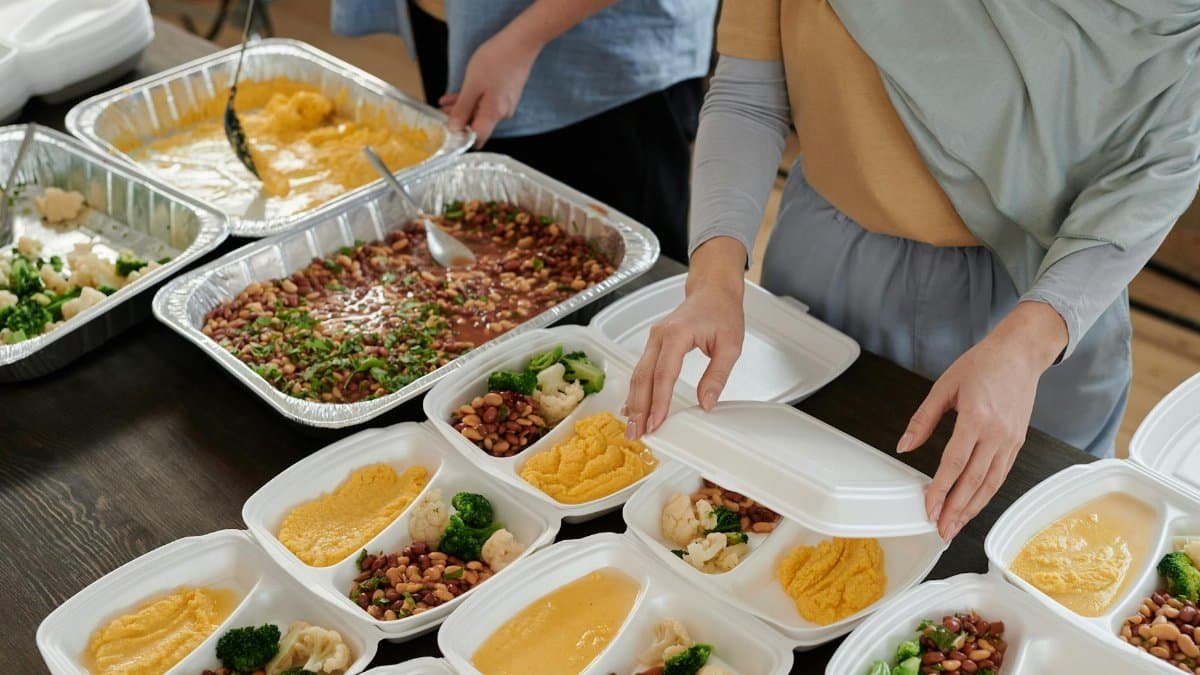
Potlucks and community kitchens are making a comeback, turning meal prep into a collective ritual. Families and neighbors chop veggies together, swapping recipes and stories. This habit nourishes the body and soul, promoting holistic living through mindful eating. Research from Harvard’s T.H. Chan School of Public Health shows communal meals improve dietary habits and mental health, linking to lower obesity rates. In 2025, urban co-ops are thriving, with apps coordinating events. It’s about more than food—it’s building trust and cultural exchange. One Brooklyn group credits their weekly dinners for reducing loneliness among members. Experts advise starting small: invite a few folks, focus on whole foods. The payoff? Stronger relationships and healthier plates, all without breaking the bank.
3. Mindfulness Circles

Gathering for guided meditations or discussion circles is a low-key habit gaining traction. These sessions, often held in community centers, help process daily stresses collectively. Holistic living thrives here, as shared breathing exercises calm the mind and foster empathy. A report from the Centers for Disease Control and Prevention (CDC) notes mindfulness practices cut anxiety by up to 30% when done in groups. Across the U.S., from Seattle to Miami, circles are popping up, blending talk therapy with quiet reflection. Participants say it feels like a mental reset, enhancing emotional resilience. To get started, find local listings or host one—keep it to 30 minutes for beginners. The real magic? Hearing others’ perspectives, which broadens your own worldview.
4. Volunteer Group Activities

Teaming up for cleanups or food drives channels energy into positive action, a habit that supercharges holistic living. It’s not charity—it’s mutual growth, boosting endorphins and purpose. Pew Research Center data indicates volunteers experience 20% higher life satisfaction, tied to community ties. In 2025, apps like VolunteerMatch connect people effortlessly, from beach sweeps in California to urban gardening in Chicago. This practice combats burnout by shifting focus outward. Stories abound: a Detroit crew transformed a vacant lot into a thriving garden, sparking neighborhood pride. Pros recommend one monthly commitment to avoid overload. The result? Physical activity, new skills, and a deeper sense of place, all integral to balanced wellness.
5. Book Clubs with a Twist

Traditional book clubs are evolving into wellness-focused discussions, dissecting reads on self-care and growth. This habit merges intellectual stimulation with emotional support, key for holistic living. A study in the Journal of Happiness Studies, summarized by American Psychological Association, links reading groups to improved empathy and reduced depression. Nationwide, virtual and in-person clubs tackle titles like atomic habits or mindful living, often incorporating journaling. In Austin, one club pairs books with walks, blending mind and body. It’s accessible: pick a book, gather monthly, share insights. Members rave about breakthroughs in personal habits, inspired by group wisdom. Keep it light—no judgments, just open dialogue for collective uplift.
6. Nature Walks and Eco-Groups

Joining hiking clubs or eco-conservation teams gets people outdoors together, a habit that grounds holistic living in nature’s rhythm. These walks aren’t hikes—they’re mindful explorations, spotting birds or planting trees. The National Institutes of Health reports nature exposure lowers cortisol by 15%, enhancing mental clarity. From Appalachian trails to Pacific Northwest forests, groups are forming in 2025, driven by climate awareness. A Denver collective combines walks with eco-education, fostering stewardship. Benefits include fitness, fresh air, and camaraderie that combats urban fatigue. Start by checking local parks for meetups; bring water and curiosity. This practice reminds us we’re part of a larger ecosystem, promoting sustainable habits that ripple into daily life.