
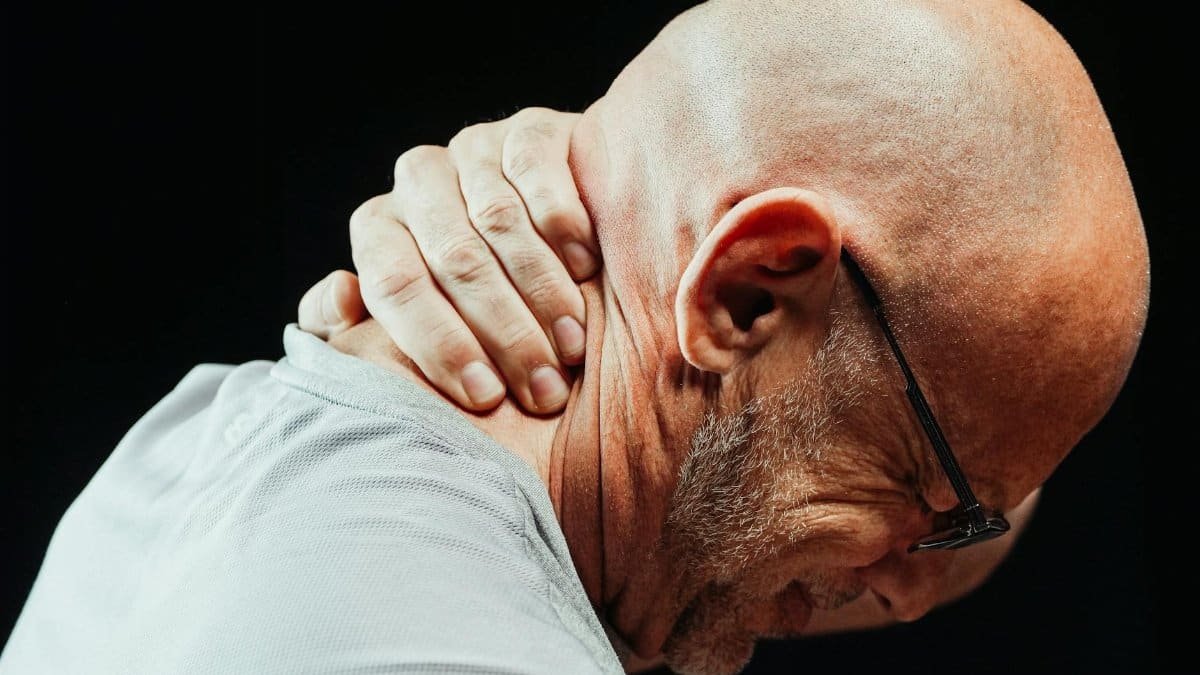
Did you know that 77% of Americans experience physical symptoms from stress, according to a recent survey? In Texas, where long work hours and scorching heat amp up the pressure, these signs are even more pronounced. The clues the body sends under duress can be subtle but telling, signaling it’s time to ease up. From headaches to digestive woes, ignoring them could lead to bigger health issues. As we head into 2025, understanding these signals is key for mindful living, boosting mood, energy, and focus.
1. Persistent Headaches

Headaches often strike when stress levels soar. In Texas, the combination of high-pressure jobs in oil fields or tech hubs like Austin can trigger tension headaches that feel like a tight band around the head. These aren’t just annoyances; they’re your body’s way of saying it’s overwhelmed. Chronic stress releases hormones that constrict blood vessels, leading to pain. A study from the American Psychological Association highlights how unmanaged stress contributes to frequent migraines. If you’re pounding aspirin daily, it might be time to reassess your workload.
Experts note that dehydration, common in Texas’s dry climate, exacerbates this. Drinking more water and practicing short breaks can help. But don’t ignore patterns; persistent headaches could indicate deeper issues like hypertension, especially in a state where heart disease rates are high.
2. Digestive Disruptions

Your gut reacts fast to stress. Under pressure, the body diverts blood from digestion to muscles, causing issues like stomach cramps or irregular bowels. Texans dealing with commute stress in cities like Houston or Dallas often report IBS-like symptoms. The clues here include bloating or sudden nausea, clear signs your system is in fight-or-flight mode.
Research from the American Psychological Association shows stress alters gut bacteria, impacting overall health. In 2025, with economic uncertainties, these digestive clues are rising. Eating fiber-rich foods and mindfulness techniques can restore balance, preventing long-term problems like ulcers.
3. Muscle Tension and Aches

Stiff shoulders or a knotted back? That’s your body bracing under stress. In Texas, where physical labor in agriculture or construction is common, this tension builds quickly. The body’s stress response tightens muscles, preparing for action, but prolonged pressure leads to chronic pain.
A report from the Centers for Disease Control and Prevention links workplace stress to musculoskeletal disorders. For many, it’s the lower back that suffers most, especially during intense seasons like tax time for accountants or harvest for farmers. Stretching routines or yoga can release this buildup, improving energy and focus.
4. Sleep Disturbances

Can’t fall asleep or waking up exhausted? Stress hijacks your rest. The body’s clues include racing thoughts at night, common among Texans juggling family and demanding careers. Cortisol spikes keep you alert when you should be winding down, leading to insomnia.
According to the National Sleep Foundation, stress-related sleep issues affect millions, with Texas seeing higher rates due to shift work in industries like energy. In 2025, as remote work blurs boundaries, these patterns worsen. Establishing a bedtime routine and limiting screen time can help, restoring mood and cognitive sharpness.
5. Skin Breakouts and Rashes
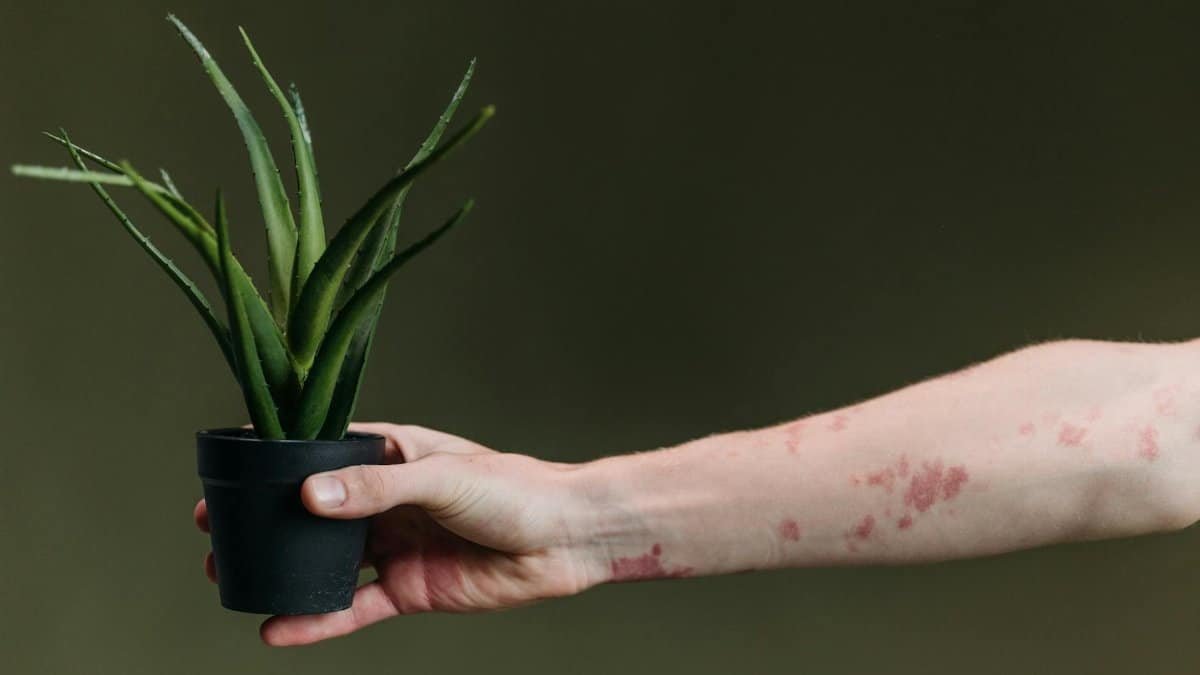
Stress shows on your skin. Acne flare-ups or eczema patches are direct signals from the body under pressure. In humid Texas weather, sweat and stress combine to clog pores, making outbreaks more noticeable. Hormones like cortisol increase oil production, leading to pimples even in adults.
Studies from the American Academy of Dermatology confirm stress exacerbates conditions like psoriasis. For those in high-stress environments, such as first responders in wildfire-prone areas, these skin clues are red flags. Gentle skincare and stress-reduction apps can mitigate this, enhancing overall well-being.
6. Emotional Volatility

Irrational irritability or sudden mood swings? These are emotional clues the body sends when under siege. In Texas’s fast-paced life, from border town challenges to urban hustle, stress amplifies feelings of anxiety or frustration. The brain’s amygdala goes into overdrive, making small issues feel monumental.
Data from the Substance Abuse and Mental Health Services Administration indicates rising mental health concerns linked to stress. As 2025 brings new economic pressures, recognizing these signs early prevents burnout. Techniques like journaling or talking to a friend can stabilize emotions, fostering better focus and energy.
Spotting these six clues early can transform how you handle pressure in Texas. By tuning into your body’s signals, you’re not just surviving; you’re thriving. Remember, if symptoms persist, consult a doctor. Mindful living starts with awareness.