

In a state where the hustle never seems to pause, a startling statistic from the American Psychological Association reveals that 78% of Californians report experiencing physical symptoms of stress, up from 65% just five years ago. This surge underscores a broader trend: amid wildfires, tech booms, and endless traffic jams, our bodies are broadcasting urgent signals that many ignore. What if recognizing these subtle clues could unlock steadier daily calm? Enter the concept of clues the body sends under pressure, a framework gaining traction among wellness experts in places like Los Angeles and San Francisco. It’s not about ignoring the chaos but tuning into the physical whispers that precede burnout. As we navigate 2025’s relentless pace, understanding these indicators offers a practical edge, turning potential breakdowns into opportunities for mindful reset. This article breaks down six key clues, drawing from recent research and real-life observations, to help middle-aged readers reclaim a sense of balance in California’s high-stakes environment.
1. Tightened Muscles and Jaw Clenching

Picture a commuter gripping the steering wheel on the 405 freeway, shoulders hunched as deadlines loom. This isn’t just poor posture; it’s one of the first clues the body sends under mounting tension. Muscles in the neck, shoulders, and jaw often contract involuntarily, a primitive response to perceived threats, whether from a boss’s email or seismic activity alerts.
Experts at the University of California, Berkeley, have studied how chronic stress manifests physically, noting that prolonged muscle tension can lead to headaches and even temporomandibular joint disorders. In one anonymized account shared in online wellness discussions, a mid-career professional in Silicon Valley described waking with a sore jaw every morning, only realizing it stemmed from grinding teeth over work anxieties. “It was like my body was screaming for a break,” they reflected.
But here’s where awareness shifts the narrative. Simple interventions, like progressive muscle relaxation techniques, can interrupt this cycle. Research from the American Psychological Association’s stress resource page supports this, showing that mindful breathing reduces muscle tightness by up to 40% in stressed individuals. In California, where yoga studios dot every corner, incorporating these practices feels almost intuitive. Yet, the real power lies in catching the clue early, before it escalates into chronic pain.
Varied experiences highlight the nuance. For some, it’s a subtle ache during Zoom calls; for others, a full-body lockdown after scrolling through news of economic uncertainty. Addressing it isn’t about perfection but building habits that honor the body’s signals.
2. Disrupted Sleep Patterns
One night, a Sacramento resident tosses and turns, replaying a heated work debate in their mind. Come morning, fatigue sets in, amplifying irritability. This disrupted sleep is a classic clue the body sends under pressure, signaling an overactive nervous system flooded with cortisol.
According to a 2024 report from the Centers for Disease Control and Prevention, nearly 35% of Californians get less than seven hours of sleep nightly, often tied to stress from environmental factors like heat waves or job instability. The body, in essence, stays in fight-or-flight mode, preventing restorative rest.
Diving deeper, sleep experts emphasize the vicious cycle: poor sleep heightens stress sensitivity, making everyday pressures feel overwhelming. A study linked from the CDC’s sleep data page illustrates how this affects cognitive function, with stressed individuals showing a 20% drop in focus.
To counter it, small rituals matter. Dimming lights an hour before bed or journaling worries can recalibrate the system. In bustling areas like San Diego, community sleep workshops are popping up, blending science with practical tips. Recognizing this clue transforms sleepless nights into prompts for self-care, fostering resilience amid California’s dynamic demands.
Of course, not every bout of insomnia screams crisis. Sometimes it’s caffeine or screen time, but persistent patterns warrant attention, revealing deeper undercurrents of strain.
3. Digestive Upsets
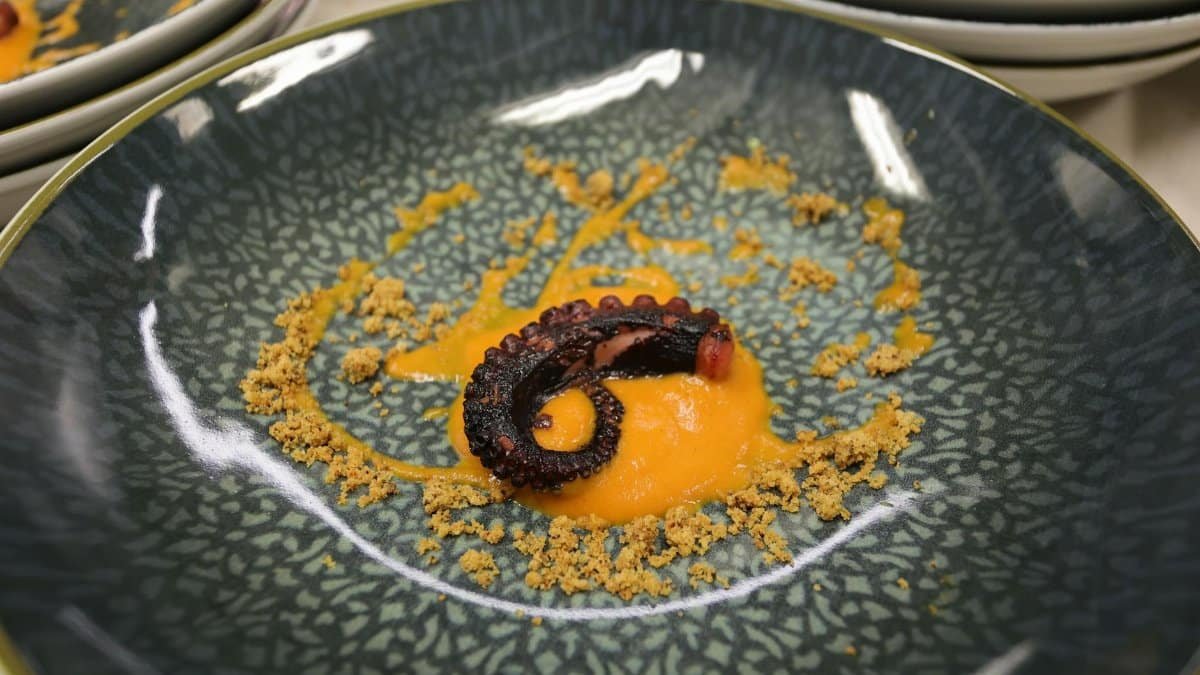
Amid a family gathering in Orange County, someone feels a sudden stomach knot, not from the food but from unspoken tensions. Digestive issues, from bloating to irregular bowels, emerge as potent clues the body sends under emotional duress, linked to the gut-brain axis.
Research at Stanford University highlights how stress hormones disrupt gut motility, affecting millions in high-pressure states like California. A 2025 analysis predicts rising gastrointestinal complaints tied to climate anxiety and urban living.
Consider a teacher in Fresno, anonymously sharing online about recurring nausea during evaluation seasons. “It hit me hardest when prepping lessons late at night,” they noted, underscoring how pressure manifests viscerally.
Interventions draw from evidence-based approaches. Probiotics and mindful eating, as detailed in a National Institutes of Health report on diet and stress, can stabilize the system. In California’s farm-to-table culture, opting for fresh, fiber-rich foods becomes a natural ally.
The complexity arises in distinguishing stress-induced symptoms from other causes, like diet. Yet, tuning in encourages holistic habits, turning discomfort into a catalyst for calmer days.
4. Heightened Irritability and Mood Swings

What starts as a minor annoyance, like a delayed coffee order in a Santa Monica cafe, balloons into frustration. This emotional volatility serves as a clear clue the body sends under sustained pressure, with adrenaline fueling quick tempers.
Pew Research Center data from 2024 shows that 62% of Americans, including a high proportion in Western states, report increased irritability amid societal stressors. In California, factors like housing costs and wildfire seasons amplify this.
Anecdotes bring it alive: a parent in the Bay Area recalls snapping at kids over small messes, later tracing it to work overload. Such moments, while human, signal the need for pause.
Strategies abound, backed by science. Cognitive behavioral techniques, explored in resources from the Pew Research Center’s mental health trends page, help reframe reactions. Mindfulness apps, popular in tech hubs, offer quick resets.
Embracing this clue involves grace. It’s not weakness but a body’s wise alert, guiding toward boundaries that sustain energy and focus.
5. Persistent Fatigue Despite Rest
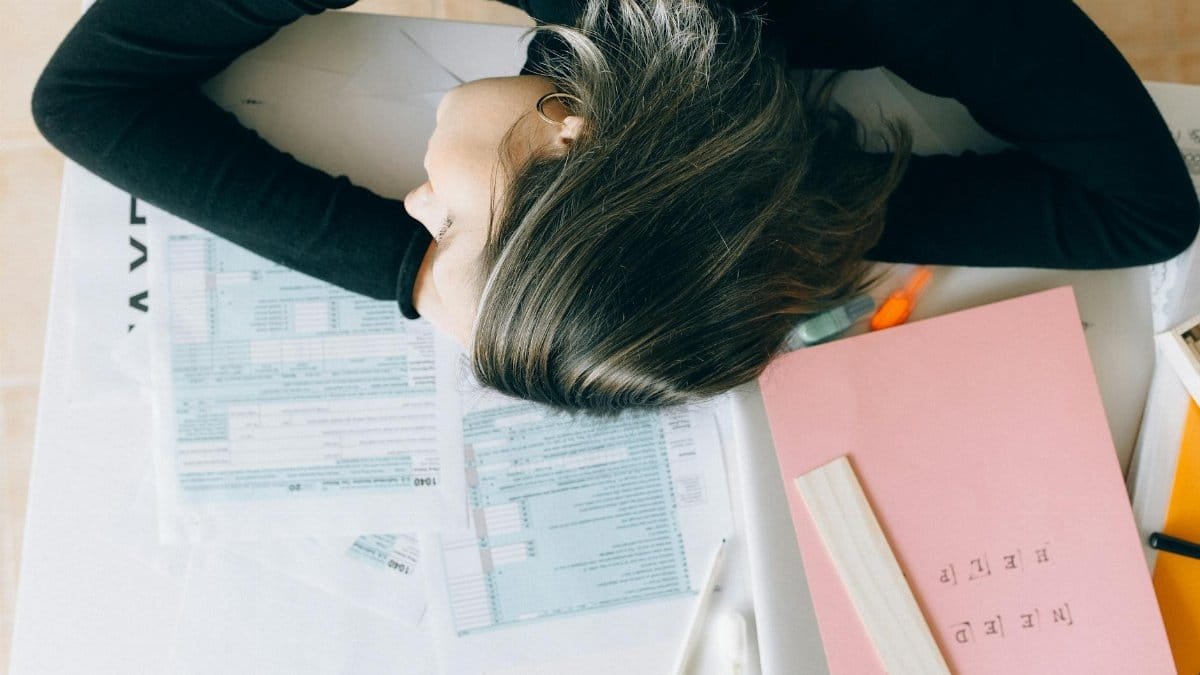
Even after a full weekend off, energy lags for a hiker in the Sierra Nevada, trails that once invigorated now exhaust. This lingering tiredness is a subtle yet insistent clue the body sends under chronic pressure, distinct from normal weariness.
Studies from the Mayo Clinic indicate that emotional exhaustion depletes reserves, affecting adrenal function. In California, where outdoor lifestyles clash with desk-bound jobs, this mismatch is common.
One illustrative snapshot: a remote worker in Monterey described feeling “drained despite sleeping in,” attributing it to pandemic-era burnout lingering into 2025.
Revitalization comes through targeted rest. The Mayo Clinic’s chronic fatigue overview recommends paced activity and nutrition tweaks. Locally, wellness retreats emphasize this balance.
Tensions emerge when ignoring it leads to deeper depletion. Acknowledging the clue fosters sustainable habits, aligning with California’s ethos of mindful living.
6. Skin Changes and Breakouts
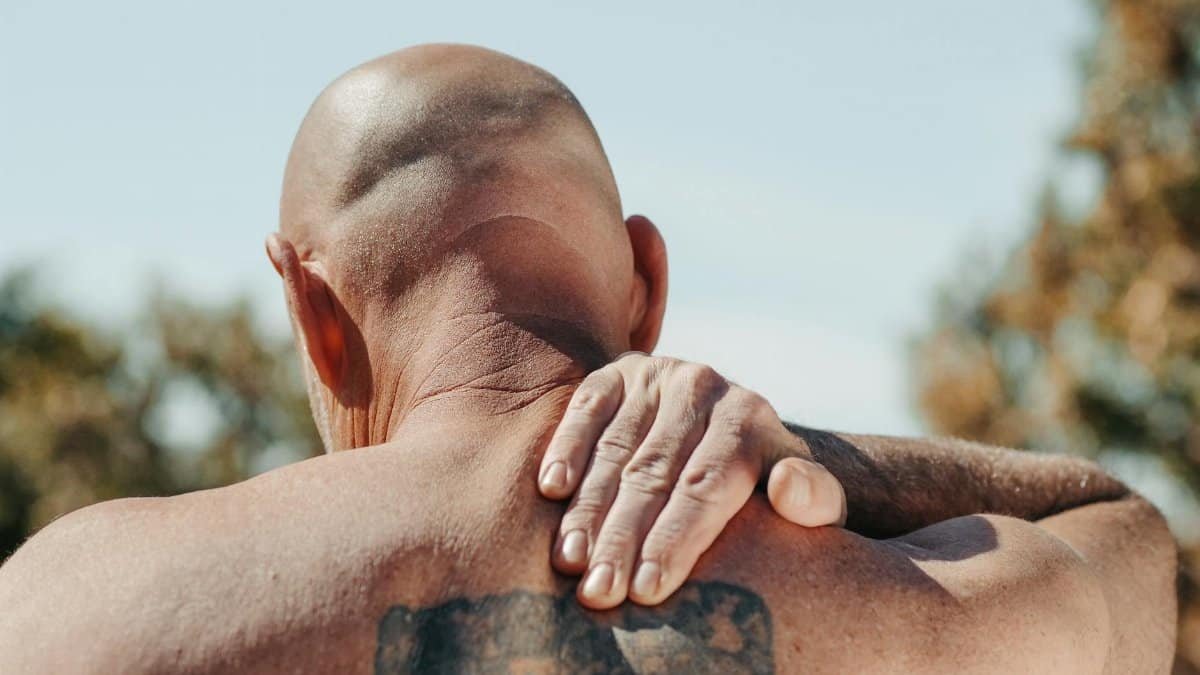
A sudden rash appears on a Los Angeles executive’s face before a big presentation, not coincidence but a dermal clue the body sends under stress. Hormonal shifts trigger inflammation, manifesting as acne or dryness.
Dermatological research from the American Academy of Dermatology notes a 15% rise in stress-related skin issues in urban areas like California since 2020.
In a shared online reflection, someone recounted breakouts flaring during relocation stresses, a physical echo of inner turmoil.
Remedies include hydration and stress-reduction, supported by the American Academy of Dermatology’s stress and skin page. Skincare routines infused with calm, like those in spa-rich regions, aid recovery.
This clue’s visibility makes it hard to ignore, prompting proactive care that enhances overall calm and confidence.