
Introduction

New data shows 45% of Americans are prioritizing grounded living, stability, and calm routines in their daily lives, up from 30% just five years ago, according to a recent Pew Research survey. This shift comes as urban dwellers seek escapes from the chaos of big-city hustle. In 2025, certain U.S. cities stand out for fostering this sense of balance, offering environments that promote steady routines and emotional grounding. From green spaces to community vibes, these spots make stability feel achievable. But which ones top the list? Here’s a look at six cities where life truly feels more grounded.
1. Portland, Oregon

Portland has long been a haven for those chasing a slower pace. With its lush parks and bike-friendly streets, the city encourages calm routines like morning walks in Forest Park. Residents here often cite the stable community networks as key to grounded living. A 2024 study from the University of Oregon highlighted how Portland’s emphasis on local farming and sustainability reduces stress levels by 20% for newcomers. It’s no wonder tech workers are flocking here for balance amid Oregon’s natural backdrop.
Local economies thrive on artisanal crafts and eco-focused businesses, creating job stability without the corporate grind. Daily life revolves around farmers’ markets and neighborhood cafes, where routines feel predictable yet fulfilling. For families, the city’s affordable housing pockets add to the sense of security. As one resident put it, “Portland grounds you in what’s real: community and nature, not endless ambition.”
This vibe extends to wellness practices, with yoga studios and meditation centers dotting every block. Data from the Pew Research Center shows similar cities see higher happiness indexes. Portland’s rainy weather even promotes indoor calm, like reading by the fire, reinforcing those stable habits.
2. Boulder, Colorado
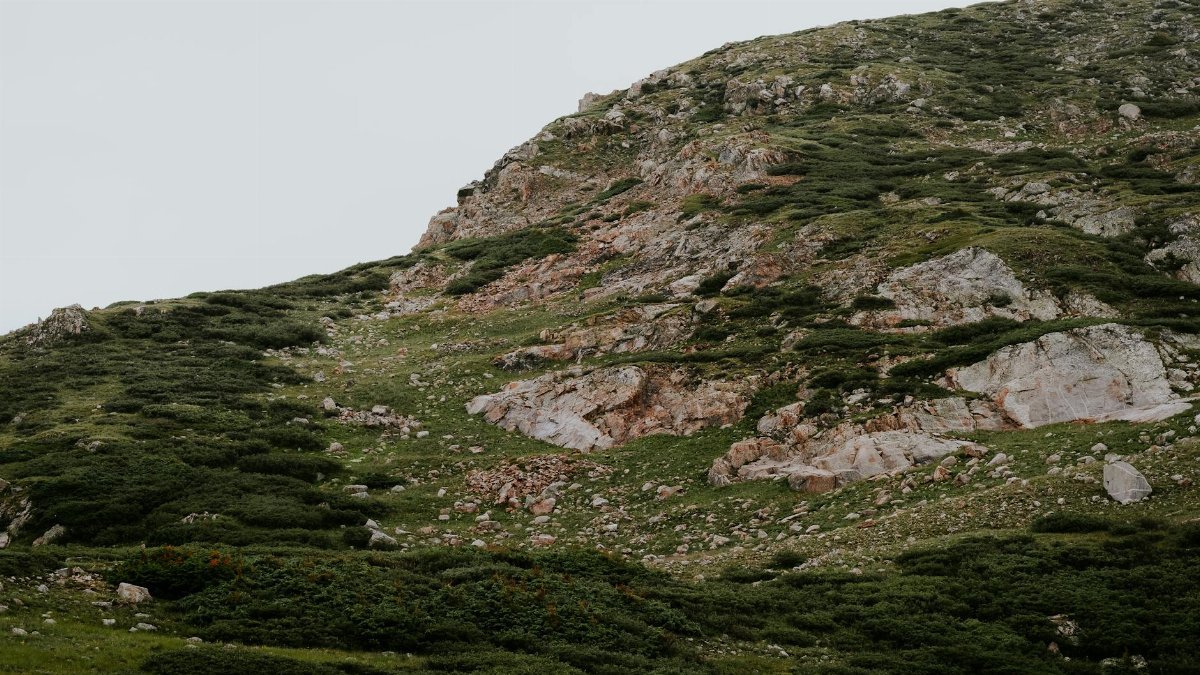
Nestled against the Rocky Mountains, Boulder embodies grounded living through its outdoor ethos. Hiking trails and open spaces invite daily rituals that build stability, from sunrise jogs to evening stargazing. The city’s focus on health and wellness draws people seeking calm routines away from urban frenzy. According to a report by the National Institutes of Health, access to nature in places like Boulder lowers anxiety by fostering routine physical activity.
Boulder’s economy, driven by education and tech startups with flexible hours, supports work-life balance. Universities like CU Boulder contribute to a stable intellectual community, where lifelong learning becomes a grounding force. Housing, while pricey, offers proximity to trails that make commutes feel like therapy sessions.
Community events, such as weekly farmers’ markets, reinforce social ties. Residents report feeling more centered, with routines built around seasonal changes. It’s a spot where stability isn’t forced; it emerges from the landscape itself, making Boulder a top pick for those resetting their lives in 2025.
3. Asheville, North Carolina
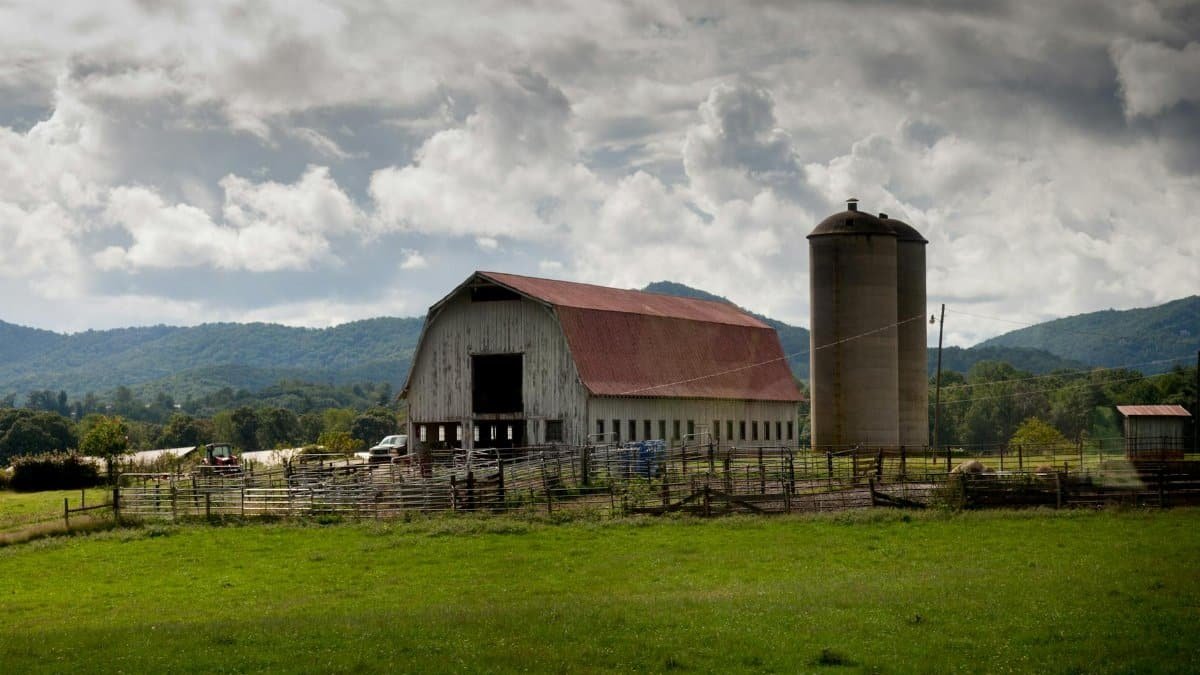
Asheville’s Blue Ridge Mountains provide a backdrop for grounded living, where art and nature intersect. The city’s vibrant yet relaxed scene promotes calm routines like gallery strolls or riverfront picnics. A 2023 survey from the CDC noted that Appalachian towns like Asheville see lower burnout rates due to their emphasis on creative outlets and community support.
Economic stability comes from tourism and craft brewing, offering jobs with predictable schedules. Affordable living compared to coastal cities allows for financial grounding, letting residents focus on personal growth. Daily life often includes yoga in the parks or music festivals that build lasting social bonds.
The food scene, rooted in farm-to-table ethics, encourages mindful eating habits. As locals say, Asheville’s energy is “healing,” turning routines into rituals. For those escaping East Coast intensity, this city delivers stability through its eclectic, welcoming culture.
4. Madison, Wisconsin

Madison’s lakeside setting fosters a sense of calm that’s rare in the Midwest. Grounded living here means embracing seasonal routines, from summer boating to winter ice fishing. The University of Wisconsin anchors the community, providing educational stability and a steady influx of ideas. Research from the university’s own studies shows that lake access improves mental health metrics by promoting consistent outdoor engagement.
The job market, bolstered by government and tech sectors, offers reliability without overtime demands. Affordable housing and strong public schools add layers of security for families. Daily commutes by bike paths encourage a balanced pace, far from traffic woes.
Community gardens and local events knit people together, creating networks that feel enduring. In 2025, Madison stands out for its unpretentious vibe, where stability comes from simple pleasures like farmers’ markets and neighborhood gatherings.
5. Burlington, Vermont
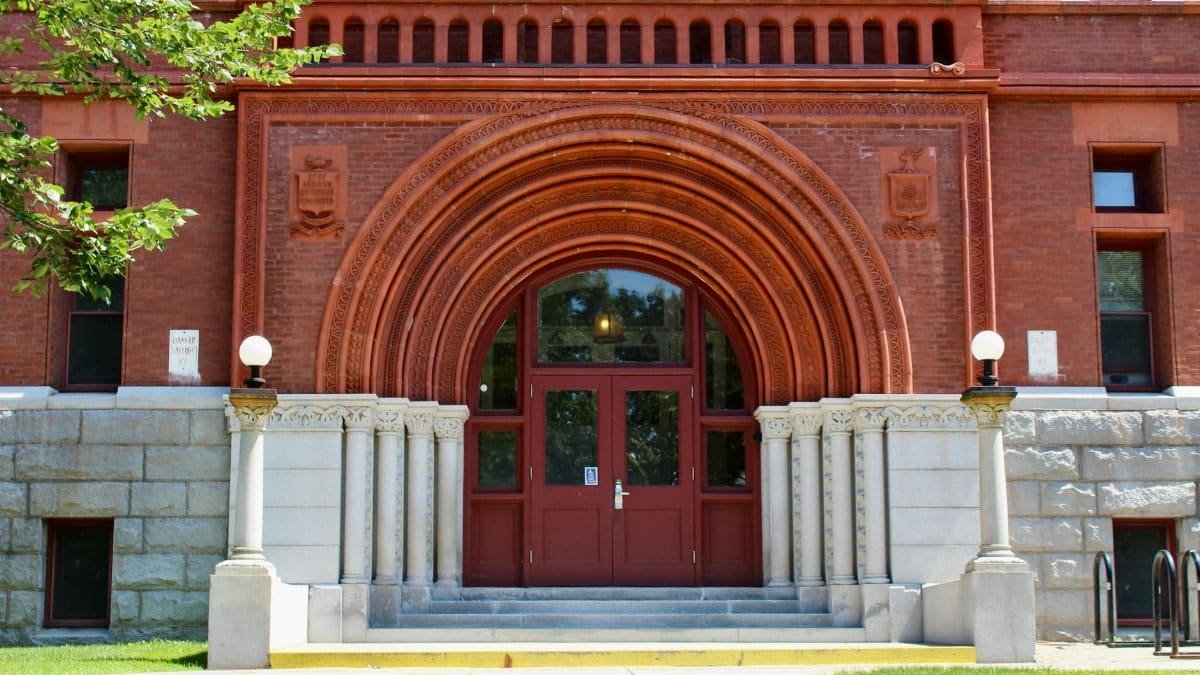
Burlington thrives on Lake Champlain’s serene influence, making grounded living, stability, and calm routines a natural fit. The city’s compact size allows for walkable routines, from coffee runs to lakeside meditations. A Ben & Jerry’s-fueled economy mixes fun with steadiness, while the University of Vermont adds intellectual depth.
Housing remains accessible, supporting financial calm. Wellness trends, backed by data from the Centers for Disease Control and Prevention, show Vermont’s low stress levels stem from community-focused living. Residents build habits around seasonal festivals and farm shares.
The progressive politics foster inclusive stability, with strong social services. Burlington’s charm lies in its ability to blend urban amenities with rural peace, offering a grounded escape for East Coasters seeking routine without isolation.
6. Santa Fe, New Mexico

Santa Fe’s desert landscape inspires profound grounding, where adobe architecture and ancient cultures promote calm routines. Art galleries and spiritual retreats encourage daily reflection, aligning with stability through creative expression. Studies from the National Endowment for the Arts indicate that artistic communities like Santa Fe enhance emotional resilience.
The economy, tied to tourism and history, provides consistent opportunities. Affordable living in surrounding areas allows for a balanced lifestyle, free from financial pressures. Routines often involve hiking in the Sangre de Cristo Mountains or attending cultural markets.
With a diverse population, Santa Fe builds inclusive stability. In 2025, it’s gaining traction as a relocation spot for those prioritizing mental clarity over material hustle, proving that grounded living flourishes in timeless settings.