
In Pennsylvania, where rolling hills meet bustling cities, a quiet phenomenon is unfolding in the natural world. A recent study from the Pennsylvania Game Commission revealed that over 60 percent of wildlife observers in the state have noted unusual animal behaviors linked to human activity, a sharp rise from just a decade ago. This isn’t mere coincidence; it’s a mirror to our own mounting pressures. As urban sprawl and climate shifts intensify, animals are displaying patterns that eerily reflect human stress, from erratic movements to altered social dynamics. Think of the deer darting unpredictably across highways or birds abandoning traditional nesting sites. These shifts, tied to the keyword animal, patterns, reflect, offer a lens into how environmental strains echo in our daily lives, urging a closer look at the interconnected web of stress in the Keystone State.
1. Deer Foraging Shifts Amid Urban Encroachment
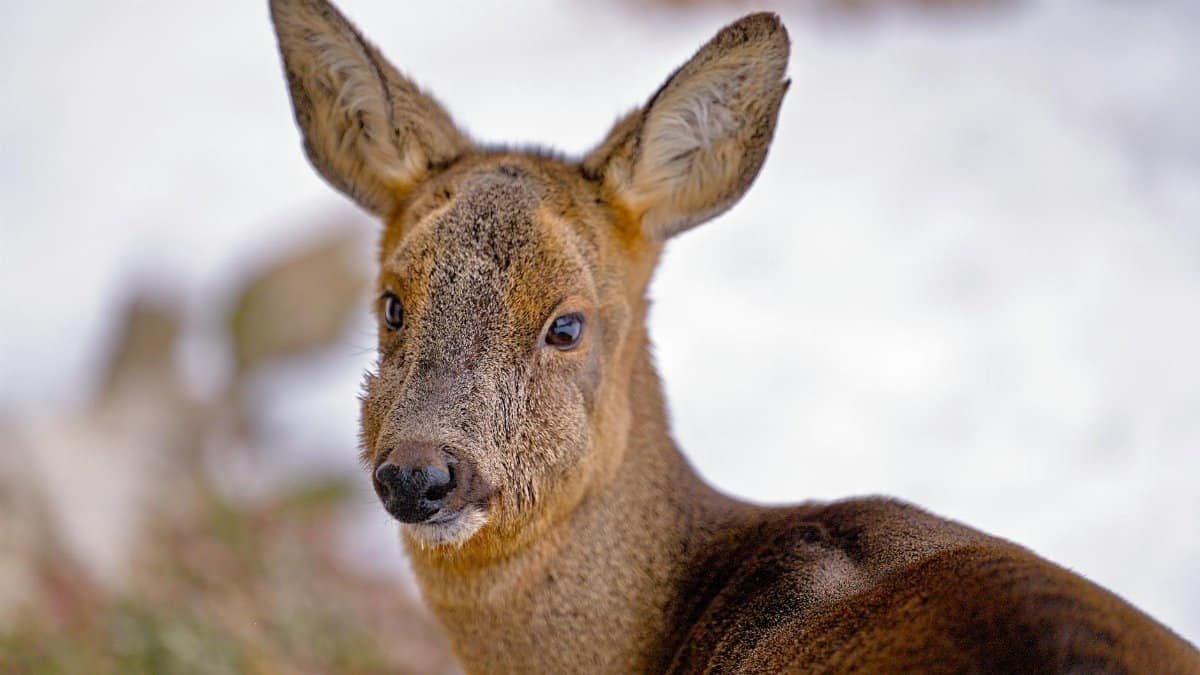
Across Pennsylvania’s suburbs, white-tailed deer have started venturing into backyards at odd hours, rummaging through gardens with a frantic edge. This isn’t just about hunger; it’s a response to shrinking habitats squeezed by development. One resident in suburban Philadelphia described watching a doe repeatedly circle the same patch of lawn, her ears twitching at every distant car horn, as if mirroring the restlessness many feel in traffic-choked commutes. Experts note these patterns spike during peak human stress periods, like tax season or holidays, when noise and light pollution ramp up.
Such behaviors highlight a broader tension. Deer, once predictable in their twilight grazes, now show signs of hypervigilance, much like humans juggling work deadlines and family demands. A report from the Pennsylvania Game Commission details how urban expansion has fragmented forests, forcing animals into closer contact with people. This proximity amplifies stress indicators, such as elevated cortisol levels in wildlife, paralleling rises in human anxiety disorders reported in the state.
Yet there’s nuance here. Not all deer react the same; some adapt by forming tighter herds, a strategy that echoes community support groups popping up in stressed neighborhoods. It’s a reminder that adaptation isn’t always straightforward, often laced with unforeseen costs.
2. Bird Migration Disruptions in Industrial Zones
Picture the skies over Pittsburgh, where factory remnants still cast long shadows. Songbirds like the American robin are delaying their spring arrivals or skipping traditional routes altogether. This deviation isn’t random; it’s tied to air quality dips from lingering industrial activity, which disrupts their internal compasses. A birder in the area once shared how a flock veered erratically during a smoggy morning, their calls sharp and disjointed, much like a harried office worker navigating a chaotic schedule.
These animal patterns reflect human stress in tangible ways. In regions with high pollution, birds exhibit shorter breeding seasons and reduced chick survival, mirroring burnout among factory workers facing economic uncertainty. Data from the Cornell Lab of Ornithology underscores this, showing a 20 percent drop in migratory success rates in affected Pennsylvania corridors since 2010.
Diving deeper, the issue reveals layers. Some species, like adaptable sparrows, thrive in altered environments, suggesting resilience lessons for humans. But for others, the constant flux breeds a cycle of instability, prompting questions about long-term ecological health and our role in it.
3. Bear Activity Surges in Rural Communities
In the Pocono Mountains, black bears are raiding trash bins more frequently, their nocturnal forays bolder than before. This uptick stems from habitat loss due to logging and tourism booms, pushing them toward human settlements. One anonymous account from an online forum described a bear lingering near a cabin, pacing restlessly, its behavior evoking the insomnia that plagues overworked parents in nearby towns.
These patterns go beyond mere nuisance. Bears under stress display aggressive posturing or unusual lethargy, akin to the mood swings seen in humans dealing with financial pressures. The U.S. Geological Survey has tracked increased human-bear conflicts in Pennsylvania, linking them to broader environmental stressors that amplify anxiety on both sides.
There’s a twist, though. Community programs teaching bear-aware practices have reduced incidents, fostering a sense of shared adaptation. It illustrates how confronting these reflections can lead to practical harmony, even amid growing tensions.
4. Squirrel Behavior Changes in Polluted Parks
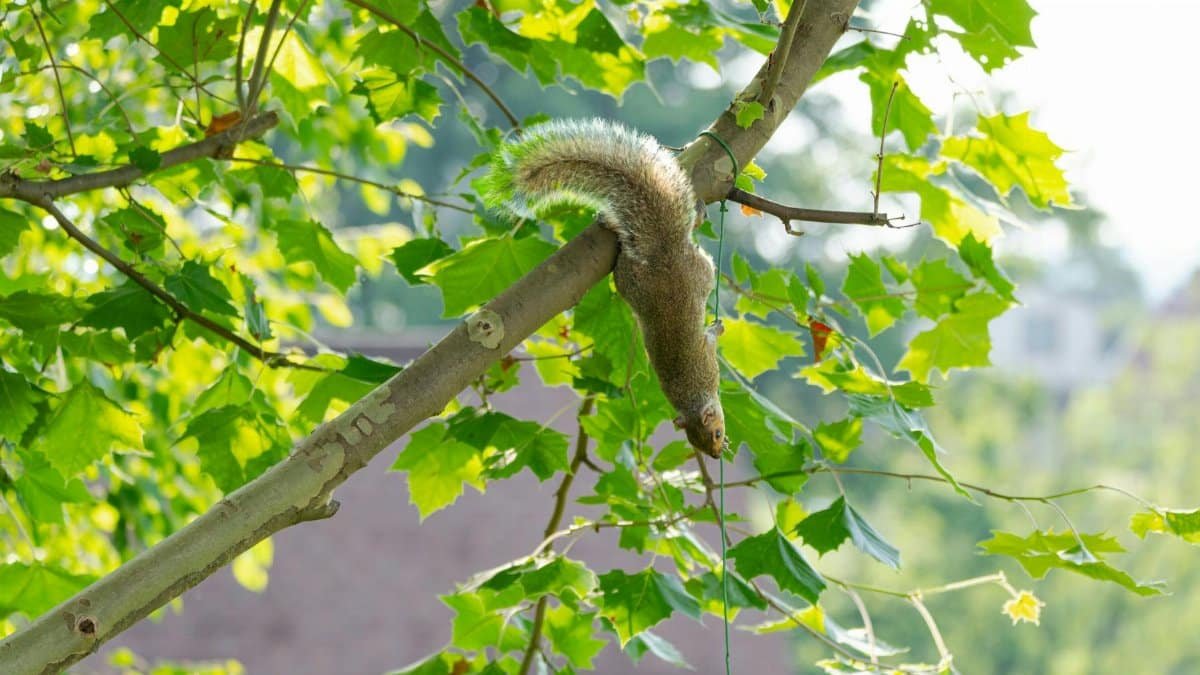
Urban parks in Philadelphia buzz with squirrels that hoard food obsessively, burying nuts in frenzied bursts rather than their usual methodical way. This shift ties to contaminated soils from old industrial sites, which affect their health and decision-making. Observe one darting between trees, pausing to scan for threats that aren’t there, and it calls to mind the hyper-alertness of city dwellers amid rising crime concerns.
Delving into this, such patterns reflect deeper human parallels. Squirrels in stressed environments show memory lapses, similar to forgetfulness under chronic pressure. Research from the USDA Forest Service highlights how urban pollutants alter rodent neurology, drawing lines to mental health trends in Pennsylvania’s cities, where stress-related disorders have climbed 15 percent in recent years.
Yet adaptation emerges. Some squirrels learn to forage in cleaner micro-zones, a subtle nod to human coping mechanisms like mindfulness apps gaining traction in 2025. It underscores the complexity, where stress begets innovation but at a cost.
5. Fish Schooling Anomalies in Contaminated Rivers
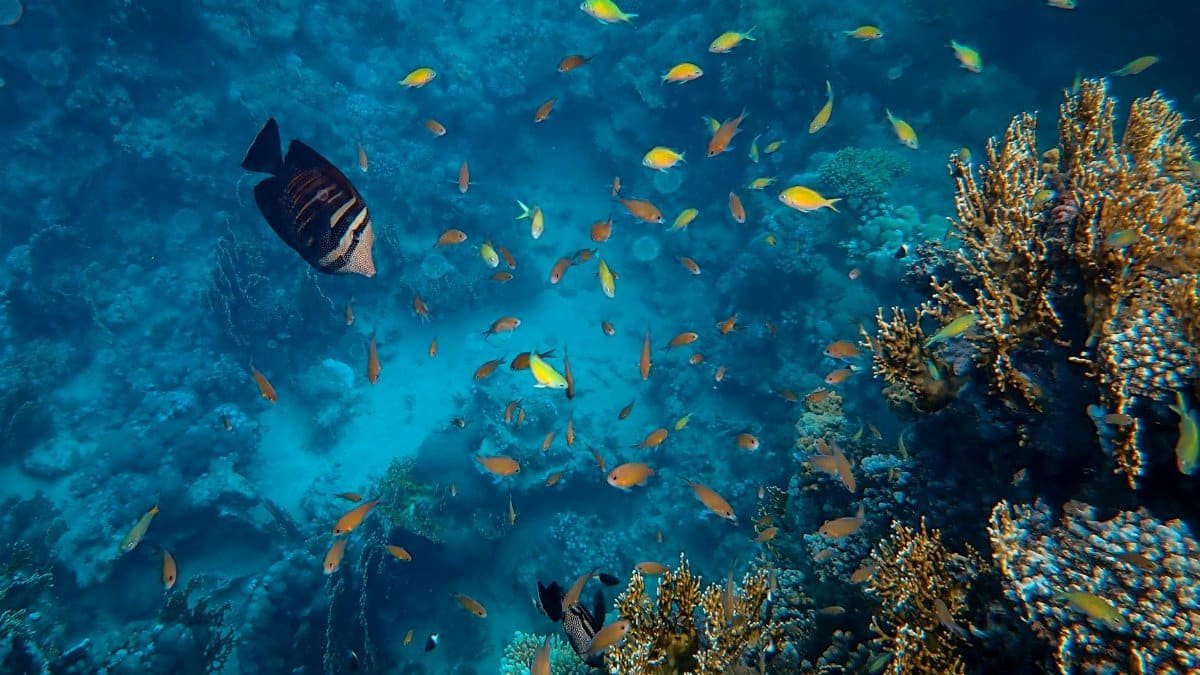
Along the Susquehanna River, schools of bass are fragmenting, with individuals swimming erratically instead of in tight formations. This stems from chemical runoff from agriculture and industry, disrupting their sensory cues. A fisherman recounted pulling up a lone bass that seemed disoriented, its scales dull, evoking the isolation felt by remote workers in Pennsylvania’s rural pockets during economic slumps.
These disruptions mirror human social strains. Fish under duress exhibit poor coordination, paralleling breakdowns in community ties amid job losses. The Environmental Protection Agency reports on water quality show elevated toxin levels correlating with behavioral changes, linking to heightened human stress indicators in watershed communities.
Interestingly, restoration efforts are mending some schools, offering hope. It’s a narrative of recovery, where addressing root causes can realign both natural and human patterns.
6. Insect Population Declines Signaling Ecosystem Strain
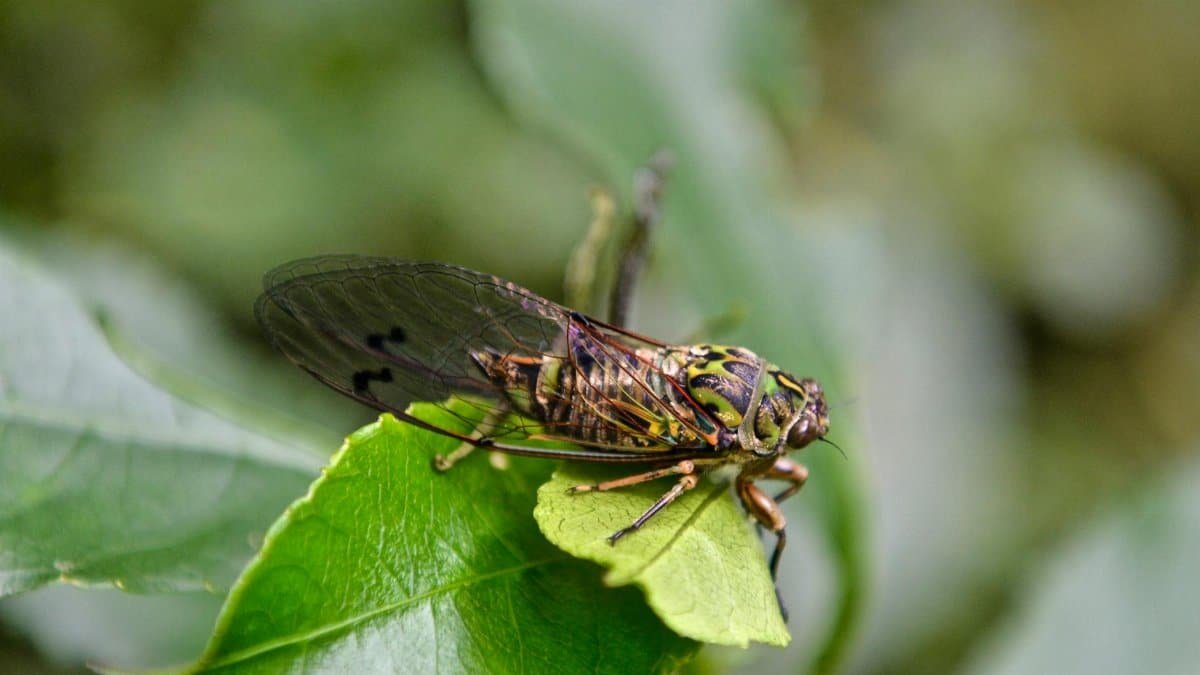
In Pennsylvania’s farmlands, bee colonies are collapsing at alarming rates, their foraging paths shortened and haphazard. Pesticides and habitat fragmentation are culprits, leading to hives that buzz with agitation. Imagine a beekeeper noting fewer returns to the hive, the air thick with unmet potential, much like the unfulfilled ambitions weighing on farmers facing market volatility.
This decline reflects broader human anxieties. Insects vital for pollination show stress through reduced activity, echoing productivity dips in stressed workforces. Studies from Penn State University’s Center for Pollinator Research document a 30 percent drop in bee diversity, tying into rising mental health concerns among agricultural communities in the state.
Amid this, innovative farming practices are bolstering populations, hinting at resilience. It wraps up the exploration of animal patterns that reflect our own stresses, inviting reflection on interconnected paths forward in 2025 and beyond.