
A recent survey by the American Psychological Association found that 76 percent of adults reported experiencing physical symptoms from stress last year, a spike that’s left many searching for new ways to cope. But what if the answers lie not in therapy apps or wellness retreats, but in the wild? Observing animal patterns can reflect our own human struggles with tension, offering subtle lessons in resilience. From the frantic pacing of caged tigers to the quiet withdrawal of hibernating bears, these behaviors mirror the body’s response to overload. In a world spinning faster than ever, turning to nature’s signals might just provide the calm we crave. As we delve into six such patterns, it’s clear they echo the soft signals that could improve our overall balance, reminding us that stress isn’t uniquely human, but universally biological.
1. The Restless Pacing of Predators

In zoos across the United States, visitors often spot big cats like lions or tigers walking back and forth along enclosure walls. This stereotypic behavior, known as pacing, emerges when animals face confinement or lack of stimulation. It reflects a deep seated frustration, much like how humans fidget or pace during anxious moments at work or home. Researchers have linked this to elevated cortisol levels, the same hormone that surges in people under pressure.
Consider a corporate executive in Chicago, trapped in endless meetings. She finds herself tapping her foot incessantly, mirroring that tiger’s loop. A study from the American Psychological Association highlights how chronic stress manifests physically, urging us to recognize these signs early. By watching animals, we learn that breaking the cycle, perhaps through short walks or environmental changes, can ease the buildup. It’s not just about survival; it’s about reclaiming control.
Yet, there’s complexity here. Not all pacing signals distress; sometimes it’s anticipation. This nuance invites us to question our own habits. Are we truly overwhelmed, or just gearing up? Online discussions often reveal similar frustrations, with one anonymous account describing feeling “caged in my routine, pacing mentally until I snap.” Such reflections show how animal patterns reflect our inner turmoil, pushing toward mindful interventions.
2. Flocking Behaviors in Birds
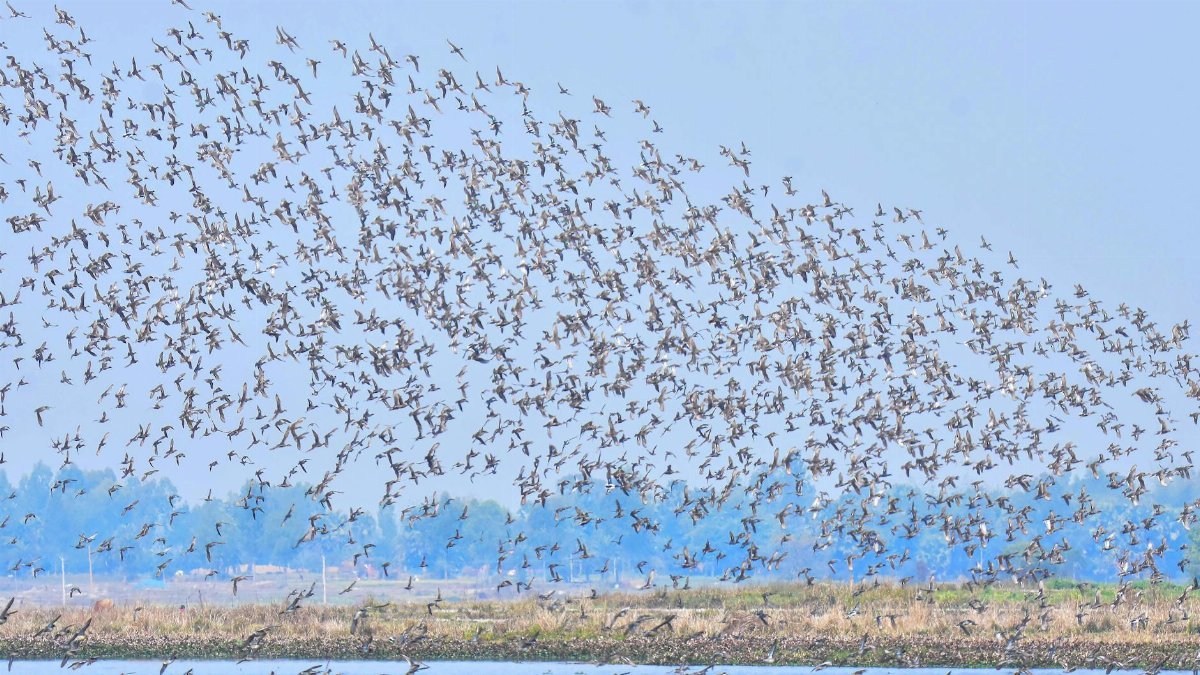
Birds gather in massive flocks, swirling through the sky in synchronized waves, especially during migration seasons. This isn’t random; it’s a response to threats like predators or harsh weather, creating safety in numbers. For humans, it parallels how we cluster in social groups during stressful times, seeking comfort in crowds or communities.
Picture a family in a bustling New York subway during rush hour. The collective movement offers a buffer against isolation’s sting, much like starlings forming murmurations to evade hawks. Data from the Pew Research Center notes rising loneliness amid stress, with younger adults flocking to online forums for support. Observing birds teaches us that unity disperses fear, but over reliance can lead to conformity pressures.
Diving deeper, these patterns reveal tensions. In tight knit groups, individual needs sometimes get lost, echoing office cliques where stress festers unspoken. A brief story from a Midwestern teacher illustrates this: she joined a support group after burnout, finding solace yet feeling the weight of shared anxieties. It’s a reminder that while flocking protects, balancing it with solitude fosters true healing.
3. Hibernation Strategies of Bears
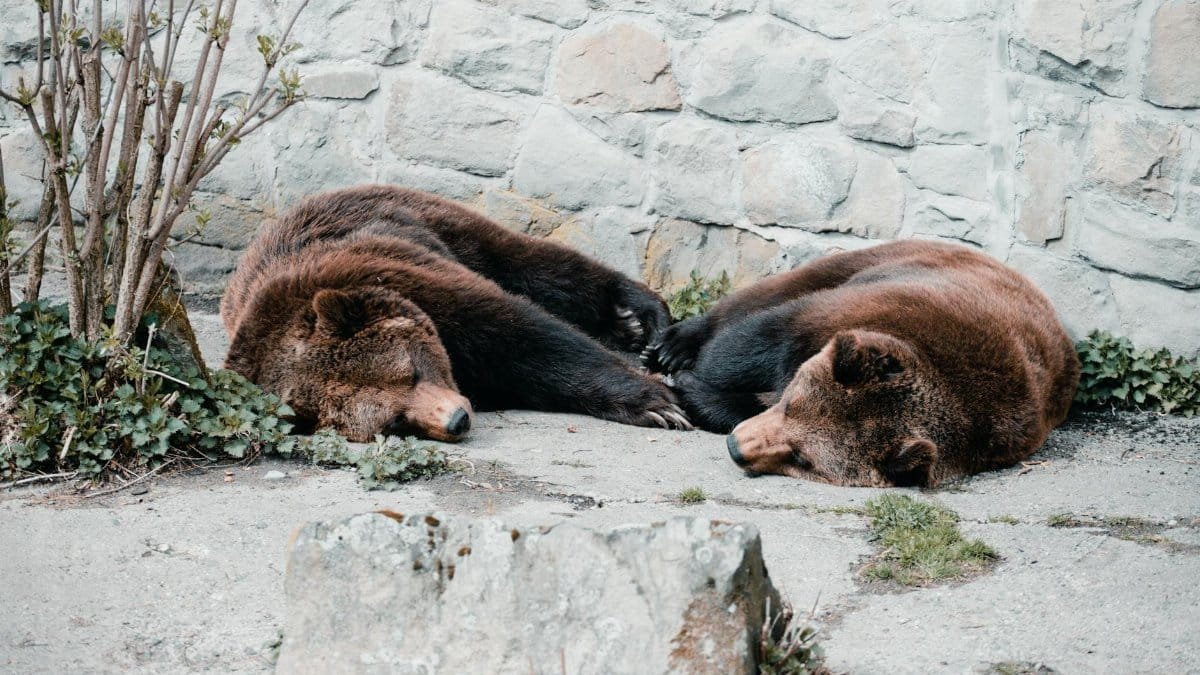
When winter bites, bears retreat into dens, slowing their metabolism to conserve energy through scarcity. This hibernation mirrors human withdrawal during overwhelming stress, like retreating to bed after a grueling week. It’s a natural reset, allowing recovery without constant fight.
In Seattle’s rainy seasons, one might notice locals hunkering down similarly, binge watching shows to escape daily grind. The National Institute of Mental Health explains how such downtime regulates stress hormones, preventing long term damage. Yet, bears emerge stronger, suggesting we too can use planned retreats productively, not as avoidance.
There’s a twist, though. Prolonged hibernation in humans can slip into depression if unchecked. Reflecting on this, a narrative emerges from a veteran who, post deployment, isolated himself, only to find gradual reengagement key. Animal patterns reflect this delicate dance, encouraging us to hibernate wisely in 2025’s high pressure landscape, blending rest with gentle action for mood balance.
4. Camouflage Tactics in Chameleons

Chameleons change color not just for show, but to blend in and avoid detection under threat. This adaptive camouflage reflects how humans mask emotions during stress, putting on a brave face at family gatherings or boardrooms to evade judgment.
Imagine a single parent in Atlanta, smiling through exhaustion while juggling jobs. Her “color change” hides vulnerability, akin to the lizard’s skin shift. Insights from a CDC guide on coping emphasize recognizing these masks to seek real support, as suppression often amplifies inner chaos.
Exploring further, this behavior highlights a paradox: while protective, it isolates. A quick anecdote captures a young professional who “blended in” at parties, later admitting it deepened her stress. By studying chameleons, we see the value in selective visibility, using it strategically rather than habitually, to foster authentic connections and healing.
5. Pack Dynamics in Wolves
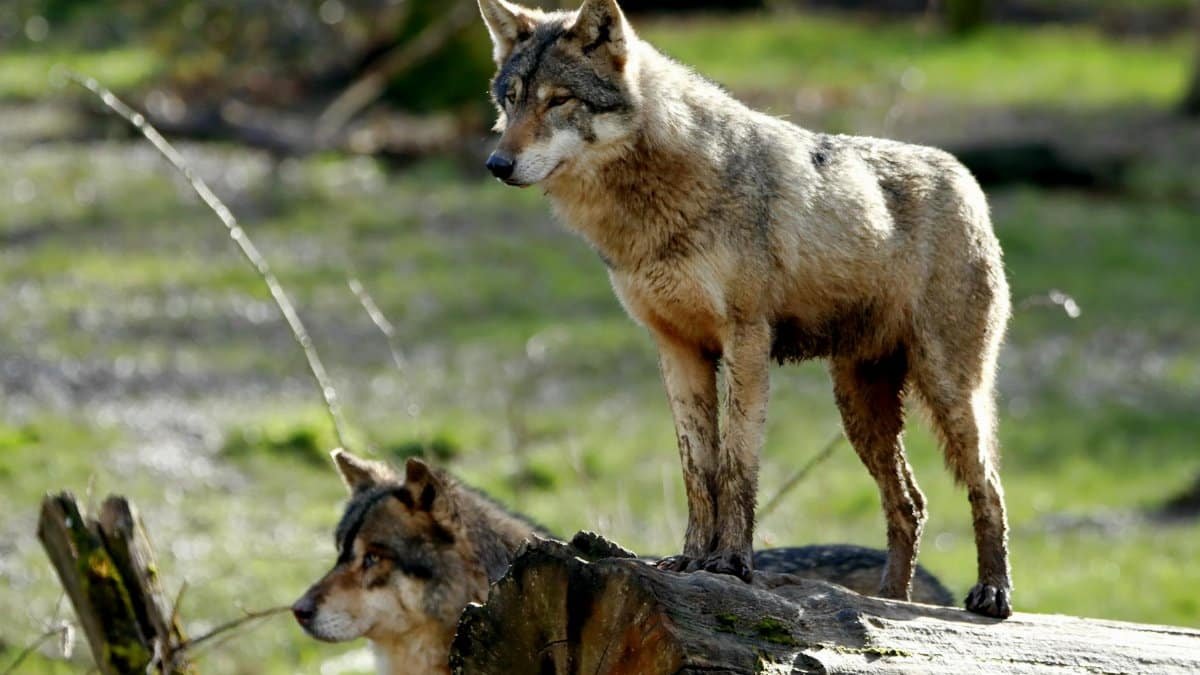
Wolves thrive in packs with clear hierarchies, but stress arises from challenges to status or resource scarcity, leading to growls and standoffs. This reflects human workplace rivalries or family power struggles, where competition fuels tension.
In a Denver startup, team members vie for promotions, echoing wolf pack tensions. The APA’s workplace stress report shows such dynamics contribute to burnout, advising clear communication to mitigate. Wolves resolve conflicts swiftly, a lesson in addressing issues head on.
But nuances abound. Alphas bear the most stress, protecting the group, much like parents shielding children. One father’s tale of leading his family through financial woes illustrates this, finding relief in shared burdens. Animal patterns reflect these layers, urging us to build supportive structures that distribute stress evenly for collective calm.
6. Migration Routes of Monarch Butterflies
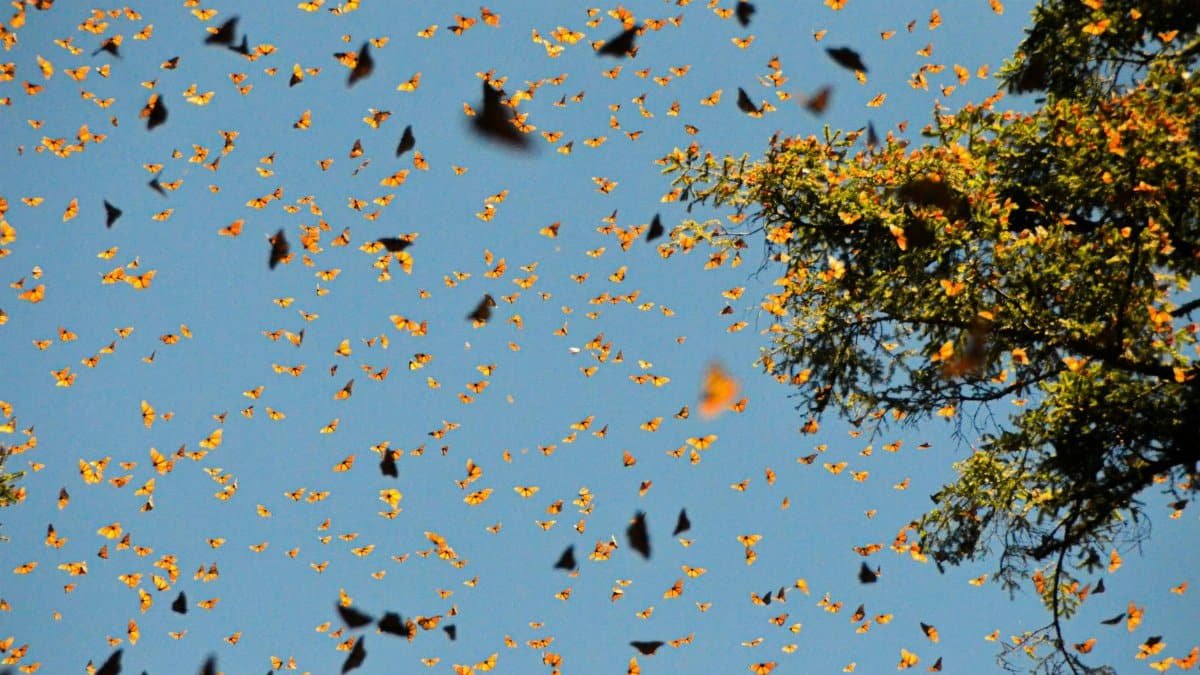
Monarch butterflies embark on epic migrations, driven by environmental cues signaling danger or depletion. This journey, fraught with perils, mirrors human relocations prompted by stress, like moving for better jobs or escaping toxic environments.
Across the Midwest, families uproot for stability, facing uncertainties akin to the butterflies’ flight. Research from the U.S. Geological Survey tracks these patterns, noting how adaptation ensures survival. For people, it underscores resilience in change, turning stress into growth opportunities.
Yet, not all migrations succeed; some butterflies falter, reminding us of relocation pitfalls. A story of a couple fleeing urban burnout to rural life reveals initial struggles, but eventual harmony. In reflecting on these animal patterns, we gain perspective: stress driven moves, when navigated thoughtfully, can lead to profound mood improvements and lasting balance.
These six animal patterns offer more than curiosity; they serve as mirrors to our own stress responses. By observing them, Americans in 2025 might find innovative ways to achieve calm and healing, integrating nature’s wisdom into daily life for better emotional equilibrium.