
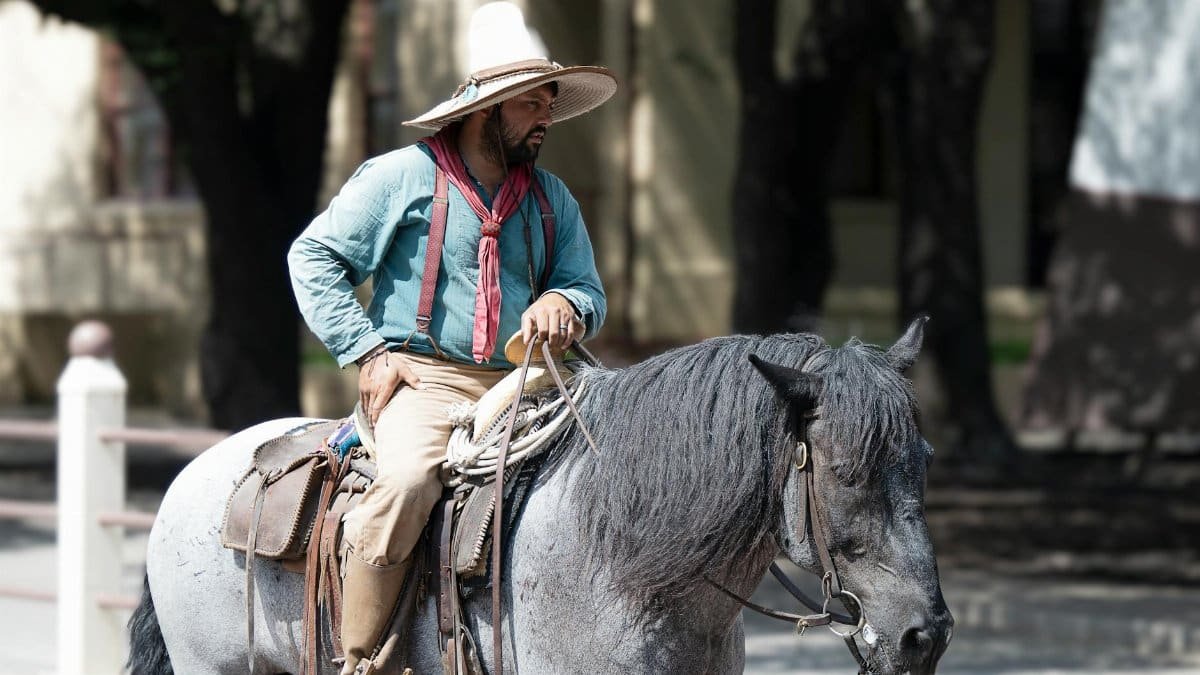
In a fast-paced world, new data shows that 45% of Texans report high stress levels, according to a recent survey by the American Psychological Association. But here’s a twist: observing local wildlife might be the unexpected antidote. The concept of animal, people, texas interactions is gaining traction as a natural way to unwind, with experts noting how animal behaviors cue humans to pause and breathe. From ranches to urban parks, these subtle signals are helping folks combat burnout. This trend highlights how Texas’s diverse fauna can foster relaxation amid daily chaos.
1. Longhorn Cattle’s Leisurely Grazing
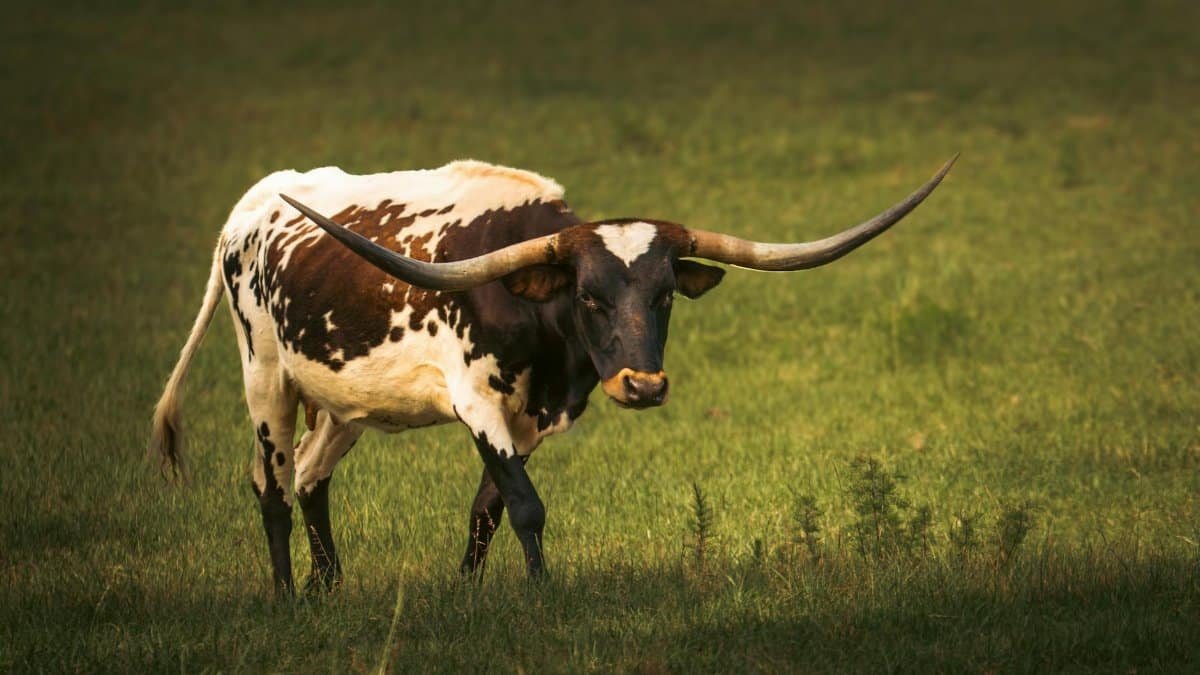
Texas longhorns, icons of the Lone Star State, embody a laid-back vibe that’s perfect for stressed-out humans. These massive bovines spend hours grazing slowly, unhurried by the world around them. Watch one on a ranch, and you’ll notice how they methodically chew, pausing to survey the horizon. This cue reminds people to slow their own pace, mirroring the cattle’s rhythmic routine. In bustling cities like Dallas, urban farms are incorporating longhorn viewing sessions to help residents de-stress. Experts say this simple observation can lower heart rates, drawing from nature’s unforced tempo. A study from the University of Texas links such interactions to reduced anxiety, emphasizing the therapeutic power of these gentle giants.
2. Armadillo’s Nocturnal Amble
The armadillo, Texas’s quirky state small mammal, offers a lesson in taking it easy with its slow, deliberate nighttime wanderings. These armored creatures shuffle along at a snail’s pace, foraging without frenzy. People in Texas are tuning into this by joining guided night walks in places like the Hill Country, where spotting an armadillo encourages a matching slowdown. It’s not about speed; it’s about mindful movement. This behavior cues humans to embrace quiet evenings, cutting through the noise of modern life. Research from the Texas Parks and Wildlife Department highlights how such wildlife encounters promote relaxation, with participants reporting better sleep after observing these slow explorers.
3. Roadrunner’s Strategic Stops

Contrary to cartoon depictions, real Texas roadrunners aren’t always in a rush. They dart quickly but often halt abruptly, perching to scan for prey with intense focus. This stop-and-go pattern teaches people the value of intentional pauses amid activity. In arid regions like West Texas, birdwatchers use this cue to practice mindfulness, breaking their own hectic routines. The roadrunner’s brief rests signal that efficiency includes recovery time. Integrating this into daily life, some Texans are adopting “roadrunner breaks” during workdays, leading to improved productivity and less fatigue. Insights from ornithology studies underscore how emulating avian habits can balance human energy levels effectively.
4. Mustang’s Calm Herd Dynamics
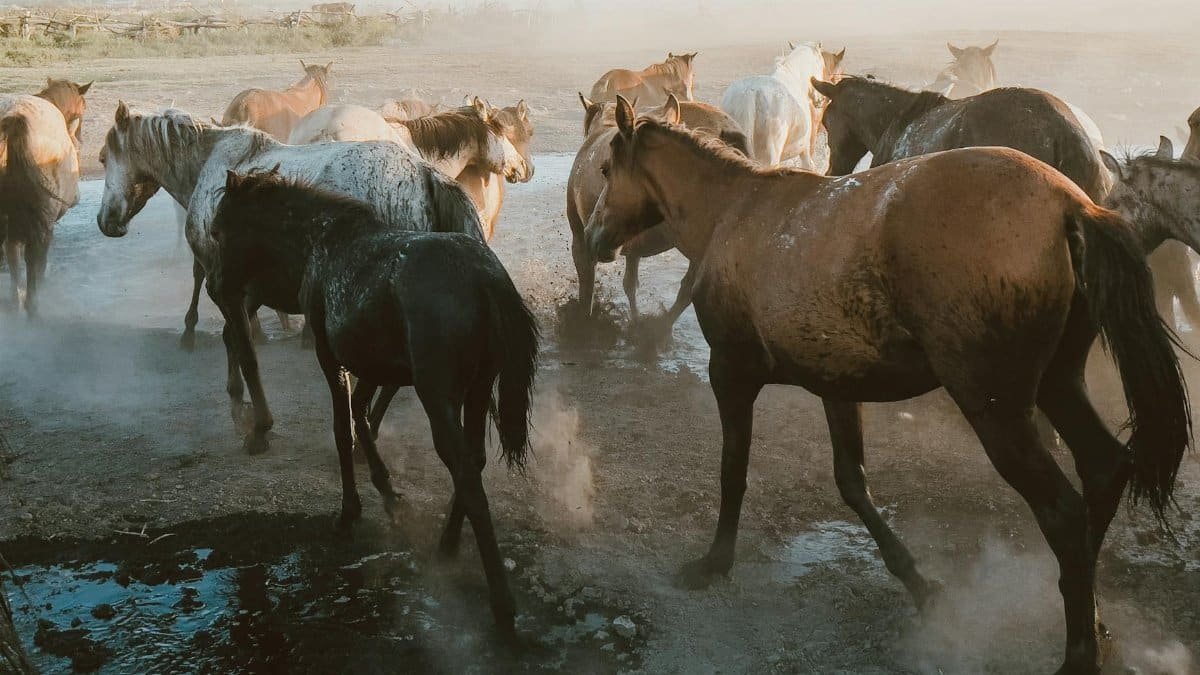
Wild mustangs roaming Texas plains demonstrate serene social interactions that inspire group relaxation among people. These horses move in harmonious herds, grazing and resting collectively without conflict. Observing them in areas like Big Bend National Park cues humans to foster similar calm in their communities. It’s about collective downtime, where the herd’s quiet unity reduces individual stress. Texas programs are now using equine therapy sessions, drawing on this cue to help with mental health. A report from the National Institutes of Health supports this, showing equine-assisted activities lower cortisol levels, making it a practical tool for slowing down in 2025’s demanding environment.
5. Owl’s Silent Vigil

Barn owls and great horned owls in Texas maintain a hushed watchfulness, perching motionless for long periods before any action. This vigilant stillness is a powerful cue for people to quiet their minds. In suburban backyards or rural fields, listening for an owl’s soft hoot encourages deep breathing and reflection. It’s a reminder that patience yields results without constant motion. Urban dwellers in Houston are incorporating owl-inspired meditation, using apps to simulate these nocturnal scenes. This approach aligns with trends in bio-inspired wellness, where mimicking wildlife promotes inner peace. Scientific backing comes from environmental psychology, noting how such observations enhance emotional regulation.
6. Butterfly’s Gentle Flutter
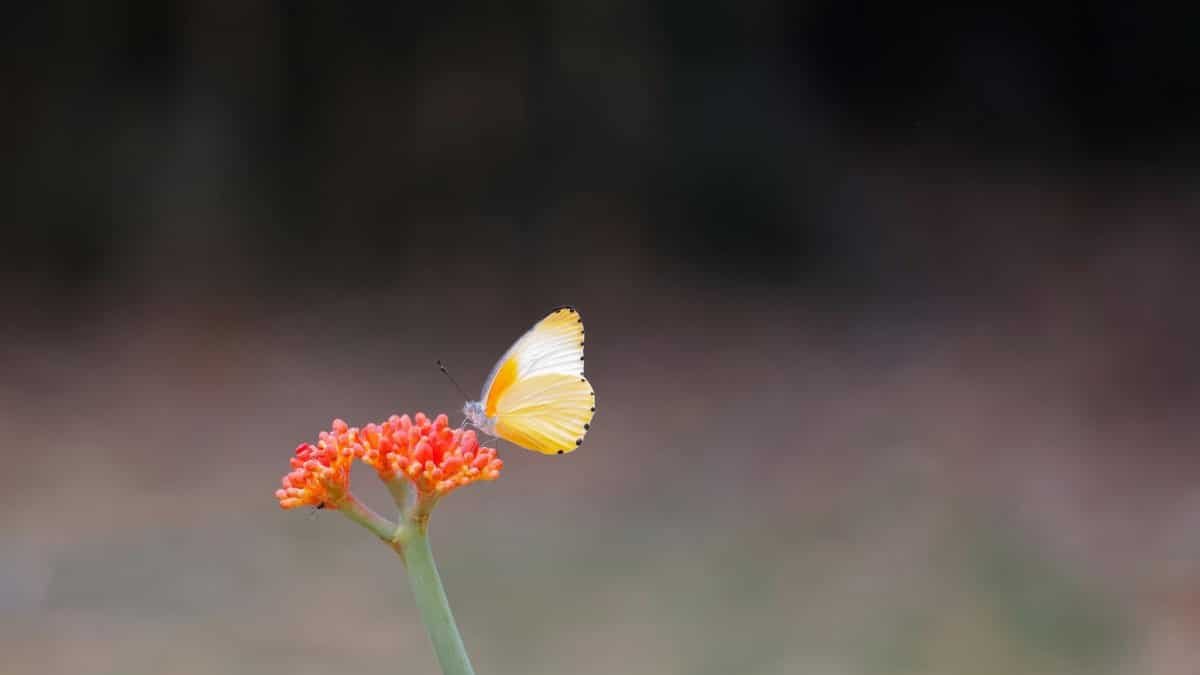
Monarch butterflies migrating through Texas offer a delicate cue with their unhurried wingbeats and frequent rests on flowers. These insects don’t rush their journeys, sipping nectar at leisure. People are drawing from this by planting butterfly gardens in Austin and beyond, using the sight to prompt personal slowdowns. Watching a butterfly’s floaty path encourages letting go of urgency, fostering a sense of flow. This ties into broader animal, people, texas connections, where small creatures teach big lessons in balance. Community initiatives are booming, with studies from conservation groups showing that engaging with butterflies reduces stress markers, making it an accessible way to recharge in everyday life.
These animal cues aren’t just folklore; they’re grounded in Texas’s rich biodiversity, offering practical ways to combat the hustle of 2025. From longhorns to butterflies, the state’s wildlife provides timeless signals for relaxation. As more Texans embrace these natural prompts, expect a shift toward healthier, slower living. The animal, people, texas dynamic proves that sometimes, the best advice comes from the wild.