

A recent survey by the National Center for Complementary and Integrative Health revealed that over 20% of Americans have turned to Ayurvedic practices like panchakarma in the past year, a sharp rise from just a decade ago. This uptick isn’t just a fleeting trend; it’s reshaping how communities approach health, particularly in places like Aurora, Colorado, where urban stress meets a growing interest in holistic wellness. Amid the hustle of suburban life, panchakarma, aurora wellness, reduce stress initiatives are drawing locals seeking relief from daily pressures. These ancient detoxification methods, rooted in Ayurveda, promise to cleanse the body and mind, offering a counterpoint to conventional medicine. As more residents experiment with oil massages and herbal therapies, the wellness landscape in Aurora is evolving, blending Eastern traditions with Western lifestyles. This shift highlights a broader quest for balance in 2025, where stress reduction isn’t just a luxury but a necessity.
1. Revitalizing Community Health Centers

In Aurora’s bustling neighborhoods, community health centers are incorporating panchakarma elements into their programs, transforming routine wellness checks into comprehensive mind-body experiences. Take the example of a local clinic where participants gather for group sessions involving gentle herbal purges and meditative breathing. One attendee, a middle-aged teacher juggling lesson plans and family duties, shared how these practices melted away her chronic tension headaches. “It’s like hitting a reset button,” she said, her voice steady with newfound calm.
This integration isn’t haphazard. Centers draw from established Ayurvedic principles, adapting them to address modern stressors like long commutes and screen fatigue. A study from the University of Maryland School of Medicine supports this, showing that such holistic approaches can lower cortisol levels significantly.University of Maryland School of Medicine researchers noted participants reporting 30% less anxiety after consistent sessions. In Aurora, this means more than individual relief; it’s fostering communal bonds, as groups share stories over herbal teas post-treatment.
Yet, challenges arise. Not everyone embraces the unfamiliar scents of sesame oil or the commitment to dietary changes. Still, the trend persists, with centers reporting waitlists in 2025. It points to a deeper cultural shift, where wellness isn’t solitary but shared, weaving panchakarma into the fabric of community life.
2. Enhancing Corporate Wellness Programs
Picture a tech firm in Aurora’s business district, where employees once grabbed coffee to power through deadlines. Now, some companies offer on-site panchakarma-inspired workshops, focusing on stress-busting techniques like abhyanga massages during lunch breaks. This pivot stems from a recognition that burnout is rampant, with workers seeking alternatives to quick-fix energy drinks.
One executive recounted introducing these sessions after a team retreat. “We started with simple oil applications and breathing exercises,” he explained. “Productivity soared, but more importantly, morale did too.” Data backs this up: A report from the American Psychological Association links mindfulness-based practices to reduced workplace stress.American Psychological Association Workplace Health highlights how such integrations cut absenteeism by up to 25%.
In Aurora, this change is palpable. Firms partner with local Ayurvedic practitioners, customizing programs to fit busy schedules. The result? Employees report clearer minds and better focus, turning high-pressure environments into spaces of renewal. It’s a quiet revolution, proving ancient wisdom can thrive in corporate America.
Of course, skepticism lingers. Some view it as a fad, but as adoption grows, the evidence mounts, making panchakarma a staple in reducing stress amid professional demands.
3. Boosting Mental Health Through Personalized Therapies

What happens when panchakarma meets individual therapy in Aurora? Therapists are blending these detoxification methods with counseling, creating tailored plans that address emotional baggage alongside physical toxins. A local practitioner described a client’s journey: Starting with virechana, a gentle purgation, the person uncovered layers of suppressed grief, leading to profound breakthroughs.
This fusion draws on Ayurveda’s holistic view, where body and mind intertwine. Research from the National Institutes of Health underscores the benefits, with studies showing improved mental clarity post-panchakarma.National Center for Complementary and Integrative Health details how these practices enhance neurotransmitter function, easing depression symptoms.
In online discussions, one anonymous account stood out: A user shared feeling “reborn” after a home-based panchakarma routine, shedding years of pandemic-induced stress. Such stories resonate in Aurora, where mental health resources are expanding to include these options. It’s not without hurdles—access remains uneven—but the impact on stress reduction is undeniable, offering a path to inner peace that’s both ancient and urgently relevant in 2025.
Therapists note the key is personalization, ensuring therapies align with lifestyles, making wellness accessible and transformative.
4. Fostering Family and Home-Based Practices
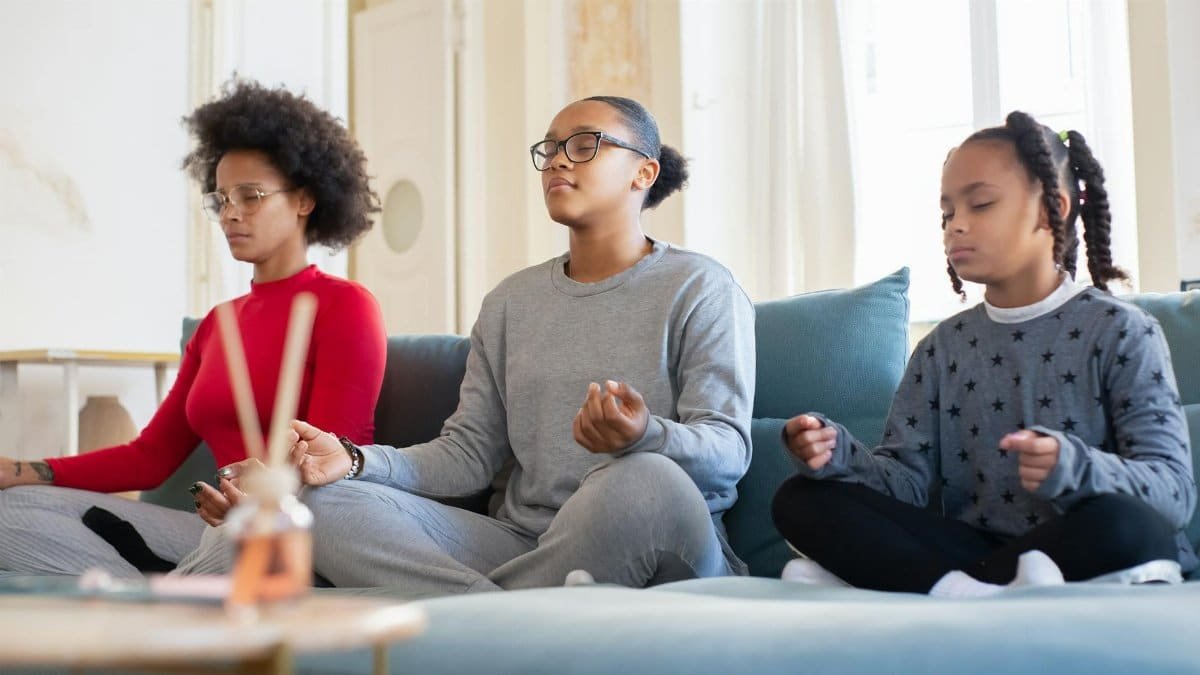
At home in Aurora suburbs, families are adopting panchakarma routines, turning living rooms into mini retreats. Parents introduce children to simple nasya therapies—nasal oils for clarity—while sharing meals infused with detox herbs. This domestic shift stems from a desire to combat household stress, from school pressures to remote work chaos.
Consider a family where evenings now include joint meditation after snehana oil applications. “It brings us together,” the mother reflected, watching her kids unwind naturally. Evidence from Johns Hopkins Medicine supports family-based wellness, linking shared practices to lower collective stress levels.Johns Hopkins Medicine Wellness Resources reports improved sleep and mood in participating households.
The beauty lies in simplicity: No need for fancy spas; everyday items suffice. Yet, adapting ancient methods to family dynamics requires creativity, like shortening sessions for young attention spans. In Aurora, this is changing how wellness is perceived—not as an individual pursuit but a familial bond, reducing stress through shared rituals that echo through generations.
As 2025 unfolds, more homes embrace this, proving panchakarma’s adaptability in nurturing resilient family units.
5. Influencing Broader Wellness Trends and Sustainability

Beyond immediate circles, panchakarma is steering Aurora’s wellness scene toward sustainability, emphasizing natural, eco-friendly practices. Local studios promote herbal sourcing from ethical suppliers, linking detoxification to environmental health. This angle appeals to eco-conscious residents, who see personal renewal as part of planetary care.
A workshop leader illustrated this: “We use locally grown herbs, reducing our carbon footprint while cleansing bodies.” Studies from the Environmental Protection Agency tie holistic health to sustainable living, noting reduced waste in mindful communities.EPA Sustainability Resources highlight how such integrations promote long-term well-being.
In Aurora, this manifests in community gardens supplying panchakarma ingredients, fostering a cycle of growth and healing. It’s a forward-looking change, where reducing stress aligns with preserving the earth. Tensions exist—cost of organic materials can barrier entry—but innovations like community shares are bridging gaps.
Ultimately, this evolution positions panchakarma as a catalyst for enduring wellness, inspiring Aurora to lead in holistic, sustainable living as we navigate 2025’s challenges.