
A recent study from the National Institutes of Health revealed that nearly 40% of Americans report heightened stress levels impacting their daily focus, a figure that’s climbed steadily over the past decade. This surge underscores a growing need for tools that foster inner strength amid life’s pressures. Enter resilience meditation breathwork, a practice blending mindful breathing with meditative techniques to build emotional durability. It’s not just another wellness trend; it’s gaining traction as a practical way to navigate uncertainty. For many, recognizing the signs that it’s time to explore mindfulness can be the first step toward reclaiming balance. Whether you’re juggling work demands or personal upheavals, these indicators might signal that incorporating such practices could make a real difference in how you handle everyday challenges.
1. Persistent Overwhelm from Daily Stressors

Life throws curveballs, and sometimes they pile up until everything feels too much. If you find yourself constantly juggling deadlines, family obligations, and unexpected setbacks, only to end up exhausted by midday, this could be a clear signal. Resilience meditation breathwork addresses this by teaching deliberate pauses. Imagine a busy parent in Chicago, rushing through morning routines, who pauses for a five-minute breathing exercise. Suddenly, the chaos softens. It’s not magic; it’s about redirecting focus inward.
Research supports this shift. A study published in the Journal of the American Medical Association found that regular mindfulness practices reduce cortisol levels, the hormone tied to stress. Participants who engaged in breath-focused meditation reported feeling less overwhelmed after just weeks of consistent effort.Journal of the American Medical Association Study dives into these findings, highlighting how such techniques rewire responses to pressure.
But it’s more than data points. Consider the subtle erosion of joy in routine tasks. When grocery shopping or commuting starts feeling like a burden rather than a neutral errand, that’s a nudge. One anonymous account shared publicly online described it vividly: after months of burnout, a simple breathwork session felt like “lifting a fog,” allowing clearer decisions without the usual mental clutter. This isn’t about escaping reality but equipping yourself to face it head-on. Start small, perhaps with guided apps during lunch breaks, and watch how resilience builds layer by layer.
2. Difficulty Maintaining Focus Amid Distractions

Picture a typical workday: emails ping, notifications buzz, and suddenly an hour vanishes without real progress. If concentration slips away like sand through fingers, mindfulness might offer the anchor you need. Resilience meditation breathwork emphasizes present-moment awareness, training the mind to gently return from wandering thoughts.
This isn’t abstract theory. Experts at Harvard Medical School have explored how breathwork enhances cognitive function. Their research shows improved attention spans in those practicing regularly, with brain scans revealing strengthened neural pathways for focus. Dive deeper into this via Harvard Medical School’s Mindfulness Research, which outlines practical benefits for everyday life.
Weave in a quick story from a tech worker in San Francisco. Amid endless virtual meetings, she adopted short meditation bursts, noticing sharper clarity by afternoon. It’s these real shifts that matter, turning scattered energy into purposeful action. Yet, tensions arise when distractions stem from deeper anxieties; breathwork doesn’t erase them but provides tools to navigate. Vary your approach: some days, focus on deep inhales; others, on rhythmic patterns. Over time, this builds a mental resilience that distractions can’t easily pierce. In 2025, with remote work still dominant, such practices are becoming essential for sustaining productivity without burnout.
Reflect on your own patterns. Do thoughts race during quiet moments? That’s common, but addressing it through targeted breathwork can foster a calmer, more directed mind.
3. Emotional Reactions That Feel Out of Control

Sudden irritation at minor annoyances, or waves of anxiety over small uncertainties—these can disrupt not just your day but relationships too. When emotions surge unexpectedly, it’s often a sign that inner reserves are low. Resilience meditation breathwork steps in here, offering methods to observe feelings without immediate reaction, creating space for measured responses.
Backing this, the American Psychological Association reports that mindfulness-based interventions significantly lower emotional reactivity. Their comprehensive review links breathwork to better mood regulation, with participants experiencing fewer impulsive outbursts. For more, check American Psychological Association’s Mindfulness Overview, which synthesizes years of studies on emotional health.
Let’s bring this to life with an example. A middle-aged teacher in Atlanta recounted how, after a heated parent meeting, a quick breath meditation in her car diffused rising anger. Instead of carrying resentment home, she arrived composed, preserving family harmony. Online forums echo similar tales, with one user noting how breathwork “turned knee-jerk reactions into thoughtful pauses,” transforming interactions at work. Of course, it’s not always straightforward; some days, emotions resist taming, revealing deeper patterns worth exploring. That’s the beauty—breathwork invites curiosity rather than suppression.
Incorporate it gradually. Begin with noticing your breath during tense moments, extending exhales to signal calm to the nervous system. As 2025 brings evolving social dynamics, mastering this can mean the difference between conflict and connection.
4. Physical Tension That Lingers Without Relief
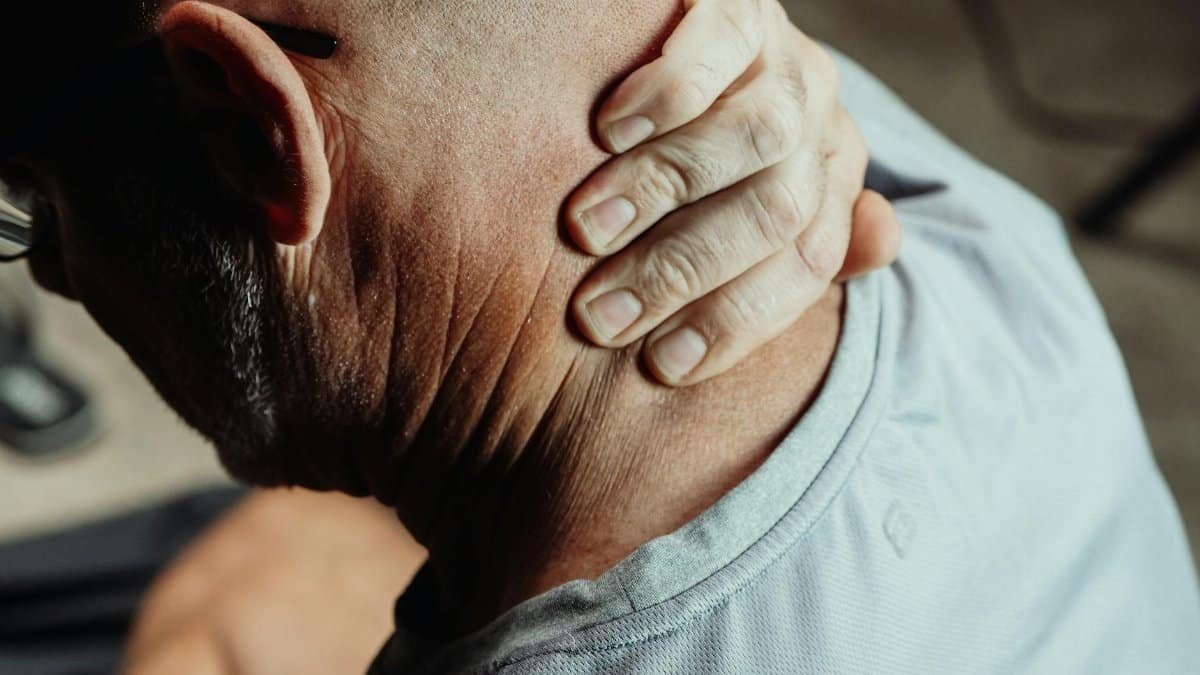
Tight shoulders, clenched jaws, or that nagging headache—the body often bears stress’s brunt. If relaxation techniques like hot baths or walks fall short, and tension persists, mindfulness through resilience meditation breathwork could provide deeper release. It targets the mind-body link, using breath to unwind physical knots tied to mental strain.
Evidence from the Mayo Clinic underscores this connection. Their studies on integrative medicine show breathwork alleviating chronic tension, with reductions in muscle stiffness reported by many. Explore the details at Mayo Clinic’s Meditation Guide, a reliable resource on holistic health practices.
Envision a scenario: a remote freelancer in Denver, hunched over her laptop for hours, integrates breath pauses every hour. Soon, the habitual tightness eases, replaced by fluid movement. It’s these incremental changes that accumulate. Yet, complexity creeps in when tension masks underlying issues like poor ergonomics; breathwork complements, not replaces, practical fixes. An anonymized snippet from public shares captures it: “My neck pain vanished not from pills, but from breathing mindfully—it’s like the body finally listens.”
Experiment with variations. Try progressive relaxation, syncing breath with muscle release, or outdoor sessions for added sensory grounding. In our fast-paced era, where sedentary lifestyles dominate, this practice fosters a resilient physique ready for whatever comes.
5. A Desire for Deeper Self-Understanding and Growth

Beyond immediate fixes, some crave more: insight into patterns, motivations, and untapped potential. If you sense a pull toward personal evolution but feel stuck, this longing points to mindfulness as a gateway. Resilience meditation breathwork encourages introspection, revealing layers through quiet observation.
The National Center for Complementary and Integrative Health affirms this, with research indicating enhanced self-awareness from meditative practices. Their findings link consistent breathwork to greater life satisfaction and personal insight. For a closer look, visit NCCIH’s Meditation and Mindfulness Page, offering evidence-based insights.
Think of a retiree in Florida, embarking on breathwork after years of routine. Sessions unveiled forgotten passions, sparking new hobbies. It’s transformative, yet not without challenges—facing inner truths can unsettle. Public discussions often highlight this duality: one account described it as “peeling an onion, tears and all, but reaching the core is worth it.” Vary your exploration: journal post-session, or pair with walking meditation for dynamic reflection.
As we move through 2025, with societal shifts emphasizing well-being, embracing this sign can lead to profound growth. It’s about building resilience not just for survival, but for thriving in a complex world.