
In a world buzzing with notifications and endless to-do lists, have you ever stopped to wonder if your mind is crying out for a break? A recent study from the American Psychological Association revealed that 77% of Americans experience stress that impacts their physical health, a figure that’s climbed steadily over the past decade. This surge highlights a growing need for practices that foster mental respite. Enter clarity meditation mindfulness, a blend of focused breathing and present-moment awareness that promises to cut through the fog of daily chaos. Far from a fleeting trend, it’s gaining traction among middle-aged professionals seeking balance amid career pressures and family demands. As we navigate 2025’s fast-paced landscape, recognizing the signs that meditation might be worth exploring could be the first step toward reclaiming calm. This article delves into five key indicators, drawing on insights from experts and real-life experiences to show how these practices can transform everyday struggles into opportunities for growth.
1. Persistent Mental Fog

Imagine starting your day with a clear agenda, only to find your thoughts scattering like leaves in the wind by mid-morning. This persistent mental fog often signals that your brain is overloaded, juggling too many inputs without a moment to process. For many, it’s the result of constant multitasking, a habit that’s become second nature in our digital age. One anonymous account shared publicly online described it vividly: feeling like their mind was a cluttered attic, impossible to navigate. Clarity meditation mindfulness steps in here, offering tools to sweep away that debris.
Research backs this up. A study published in the journal Psychological Science found that even brief mindfulness sessions can enhance cognitive clarity by reducing rumination. Participants reported sharper focus after just ten minutes of practice. Think about Sarah, a 45-year-old teacher from Chicago, who noticed her lesson planning improved dramatically once she incorporated daily meditation. She no longer second-guessed every decision, instead approaching tasks with renewed precision.
But it’s not always straightforward. Some people resist at first, worried that sitting still will only amplify their restlessness. Yet, starting small, perhaps with guided apps, often shifts that perspective. In 2025, with remote work still dominant, this sign resonates deeply, as blurred boundaries between home and office exacerbate the haze. Addressing it through meditation isn’t about erasing thoughts entirely; it’s about observing them without judgment, creating space for true insight to emerge.
The beauty lies in the simplicity. No fancy equipment needed, just a quiet corner and a few minutes. Over time, this practice builds resilience, turning foggy mornings into productive ones. If your days feel muddled, this could be your cue to explore clarity meditation mindfulness further.
2. Heightened Stress Responses

Stress hits everyone differently, but when minor annoyances trigger outsized reactions, like snapping at a colleague over a small email mix-up, it’s worth paying attention. This heightened response often stems from accumulated tension, where the body’s fight-or-flight mode stays activated too long. In bustling cities like New York or Los Angeles, where commutes and deadlines collide, such patterns are all too common.
Diving into the science, the American Psychological Association’s stress resources highlight how chronic stress disrupts emotional regulation. Meditation counters this by activating the parasympathetic nervous system, promoting relaxation. Consider a scenario from a wellness workshop in Austin: a group of participants shared how their quick tempers softened after consistent practice, leading to calmer interactions at home.
It’s fascinating to see the ripple effects. One middle-aged executive recounted in a forum how mindfulness helped him pause before reacting, preserving relationships that might have frayed otherwise. Yet, the path isn’t without hurdles; initial sessions might surface buried emotions, demanding patience. In our current year, with economic uncertainties lingering, these stress signs are amplified, making meditation a timely ally.
Practices vary, from body scans to loving-kindness exercises, each tailored to dial down reactivity. The key is consistency, even if it’s just five minutes amid a hectic schedule. Over weeks, many notice a shift: stressors lose their grip, replaced by a steady inner calm. If your fuse seems shorter than usual, this sign points toward giving meditation a try.
3. Difficulty Staying Present

Ever find yourself at dinner with family, but your mind wanders to tomorrow’s meetings or yesterday’s regrets? This difficulty staying present robs us of life’s simple joys, trapping us in a cycle of distraction. It’s a modern epidemic, fueled by smartphones that pull attention in every direction.
A compelling quote from a mindfulness expert captures it: “Presence is the gateway to peace.” Supporting this, findings from Harvard’s study on mind-wandering (detailed in their psychology publications) show that people are happiest when fully engaged in the moment. Clarity meditation mindfulness trains this skill, using breath as an anchor to reel thoughts back.
Picture a weekend hike in the Rockies, where instead of fretting about work emails, you notice the crunch of leaves underfoot. That’s the transformation one hiker described after adopting the practice. Challenges arise, though, like intrusive thoughts during sessions, but gentle redirection builds the muscle over time.
In 2025, as virtual realities compete for our focus, this sign feels especially pertinent. Integrating short mindfulness breaks, perhaps during commutes, can ground you. The narrative shifts from fragmented days to ones filled with intentional moments, enriching connections and personal fulfillment. If presence eludes you, meditation might bridge that gap.
4. Sleep Disruptions and Restlessness

Nights spent tossing and turning, with worries looping endlessly, point to deeper unrest. Sleep disruptions affect millions, often linked to an overactive mind that won’t quiet down. For middle-aged adults balancing careers and caregiving, this becomes a nightly battle.
Evidence from the Centers for Disease Control and Prevention’s sleep health page indicates that poor sleep correlates with reduced well-being. Meditation addresses this by fostering relaxation techniques that ease into slumber. One illustrative story comes from a public share: a parent who, after starting evening mindfulness routines, finally enjoyed uninterrupted rest, waking refreshed.
It’s not magic; it’s methodical. Techniques like progressive muscle relaxation or guided imagery prepare the body for sleep. Yet, some nights test resolve, with external noises intruding. Persistence pays off, as patterns improve. Amid 2025’s emphasis on holistic health, recognizing this sign encourages proactive steps toward better nights.
The broader impact? Enhanced energy levels lead to more vibrant days. If restlessness defines your evenings, clarity meditation mindfulness could restore the balance, turning fitful sleep into restorative peace.
5. Yearning for Deeper Purpose

A subtle dissatisfaction creeps in when life feels like a checklist without meaning, prompting questions about what’s truly important. This yearning for deeper purpose often emerges in midlife, as routines solidify and reflections intensify.
Insights from Pew Research’s studies on well-being reveal that many Americans seek greater fulfillment, with mindfulness practices aiding self-discovery. Meditation invites introspection, uncovering values beneath surface busyness.
Envision a conversation at a community center in Seattle, where attendees discussed how clarity meditation mindfulness revealed passions long ignored. One person’s journey led to volunteering, infusing daily life with purpose. Tensions exist, like confronting uncomfortable truths, but growth follows.
In our era, with societal shifts prompting reevaluation, this sign resonates. Starting with reflective journaling alongside meditation amplifies insights. The result? A life aligned with inner truths, reducing that nagging void. If purpose feels elusive, this could be your invitation to meditate.
Embracing the Practice in Everyday Life
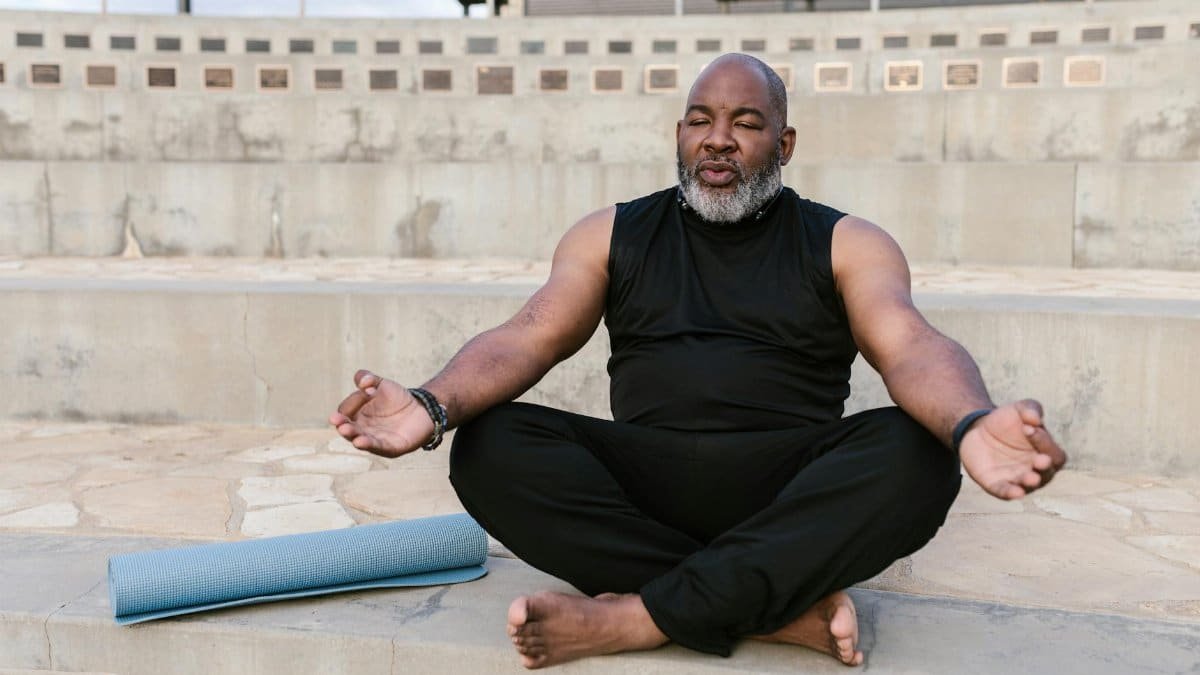
Beyond the signs, integrating meditation requires intention. Start with apps or local classes, building habits gradually. Experts note that consistency trumps duration; even brief sessions accumulate benefits.
Reflecting on U.S. trends, wellness centers report rising participation in 2025, as people prioritize mental health. Stories abound of transformed routines, from morning rituals to evening wind-downs. While obstacles like skepticism persist, community support helps.
Ultimately, clarity meditation mindfulness isn’t about perfection; it’s about progress. By heeding these signs, you open doors to a more centered existence, navigating life’s complexities with grace.