
In a world buzzing with endless notifications and mounting pressures, what if the simplest tool for regaining control was already inside you? Breathwork, often overlooked amid flashy wellness trends, taps into something primal yet profoundly effective. For many middle-aged Americans juggling careers, family, and the weight of daily life, practices like calm clarity breathwork offer a grounded way to foster focus and serenity. It’s not about escaping reality but engaging it more fully—through intentional breathing that quiets the mind’s chatter. As stress levels continue to climb in 2025, with surveys showing over half of adults reporting heightened anxiety, turning to such techniques feels less like a luxury and more like a necessity. This isn’t hype; it’s a practical response to modern chaos, backed by growing evidence from health experts. But how do you know if it’s right for you? Here are five clear signs that breathwork could make a real difference.
1. Persistent Overwhelm from Daily Stress

Life throws curveballs, and for many, those add up to a constant hum of tension. If you find yourself snapping at small frustrations or feeling buried under to-do lists, it might signal a deeper need for reset. Calm clarity breathwork addresses this by guiding slow, deliberate inhales and exhales that activate the body’s relaxation response. Think of it as hitting pause on the fight-or-flight mode that’s become default for so many.
One woman in her forties, juggling remote work and parenting, shared in an online discussion how her days blurred into exhaustion until she tried focused breathing sessions. “It was like clearing fog from a window,” she described, noting sharper decisions followed. This isn’t unusual; research supports it. A study from the National Institutes of Health highlights how breathing exercises reduce cortisol levels, easing chronic stress. NCBI Study on Breathing Exercises and Stress Reduction.
Yet, it’s not always straightforward. Some dive in expecting instant calm, only to grapple with restless thoughts at first. That’s part of the process—building resilience through practice. In bustling cities like Chicago or Atlanta, where commutes and deadlines amplify pressure, incorporating short breathwork routines during lunch breaks has helped professionals reclaim their poise. The key? Starting small, maybe five minutes a day, to notice subtle shifts in how stress feels less like a tidal wave and more like a manageable ripple.
Over time, this practice weaves into routines, turning reactive moments into opportunities for balance. It’s less about perfection and more about persistence, revealing how breath can anchor you amid the storm.
2. Struggles with Focus and Mental Fog

Ever sit down to work, only to find your mind wandering like a leaf in the wind? This scattered attention plagues many, especially as screens demand constant shifts. If concentration feels elusive, calm clarity breathwork could sharpen that edge by promoting mindfulness through rhythmic breathing.
Picture a teacher in Denver, mid-career, who noticed her lesson plans suffering from foggy thinking post-pandemic. She experimented with breathwork apps, incorporating deep belly breaths before classes. Soon, her clarity improved, lessons flowed better. Such stories echo broader trends; a Harvard report details how controlled breathing enhances cognitive function by increasing oxygen flow to the brain. Harvard Gazette on Breathwork and Mental Health.
But here’s the nuance: not all fog stems from the same source. For some, it’s sleep deprivation; for others, emotional clutter. Breathwork doesn’t erase these but equips you to navigate them. In 2025, with remote work blurring boundaries, techniques like 4-7-8 breathing—inhale for four, hold for seven, exhale for eight—offer quick resets. They cut through distraction, fostering a state where ideas connect more fluidly.
Integrating this isn’t rigid. Maybe pair it with morning coffee, letting each sip sync with a breath cycle. The result? A mind that’s present, not perpetually elsewhere.
3. Emotional Volatility and Mood Swings

Moods can swing like pendulums, leaving you drained. If minor setbacks trigger outsized reactions or joy feels fleeting, it points to emotional turbulence that breathwork might steady. Calm clarity breathwork, with its emphasis on present-moment awareness, helps regulate these fluctuations by linking breath to emotional centers in the brain.
Consider a veteran from Texas who, after years in high-stakes jobs, found his temper flaring unpredictably. Turning to group breathwork sessions, he learned to extend exhales, which calmed his nervous system. “It gave me space before reacting,” he reflected anonymously online. This aligns with findings from the American Psychological Association, showing breath-based practices lower emotional reactivity. APA on Mindfulness and Emotional Regulation.
Of course, it’s not a cure-all. Deep-seated issues may need therapy alongside, but breathwork complements by building immediate tools. In communities across the Midwest, where seasonal affective disorder spikes, people are adopting these methods to soften winter’s edge. Short bursts, like alternate nostril breathing, can shift a sour mood mid-afternoon, creating ripples of stability.
The beauty lies in its accessibility—no fancy equipment required, just intention and air. Over weeks, many report moods stabilizing, like a ship finding calm waters after choppy seas.
4. Physical Tension and Sleep Disruptions
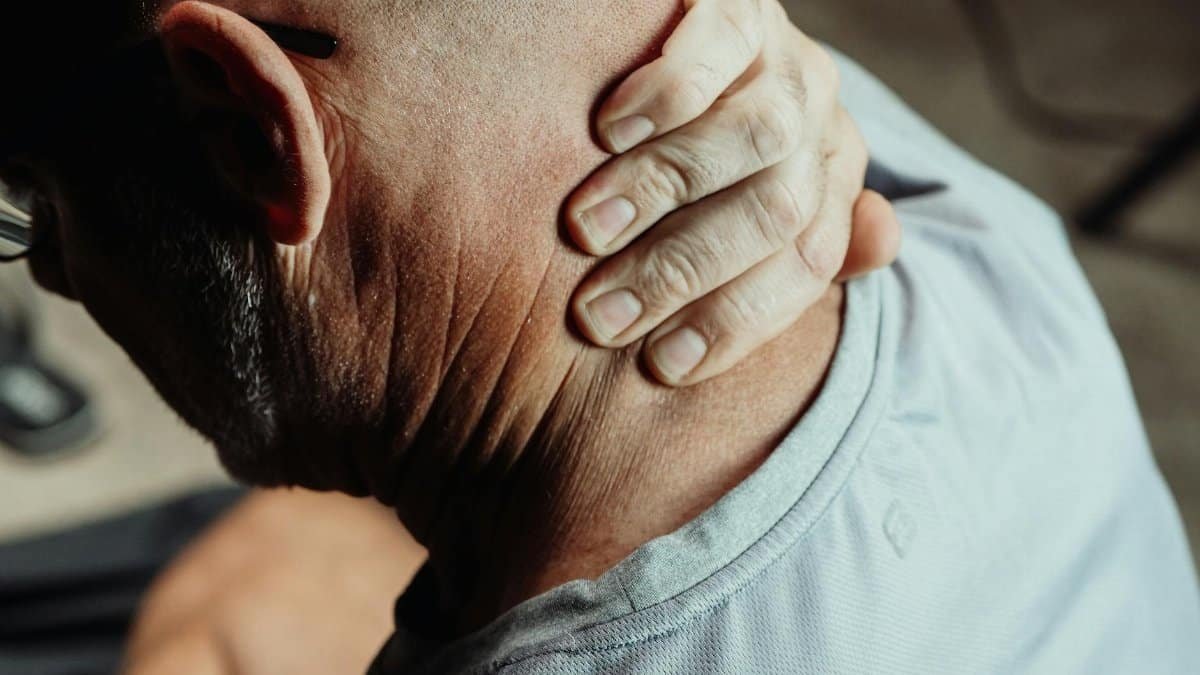
That knot in your shoulders or the toss-and-turn nights? These physical signals often scream for attention. If your body holds onto stress like a clenched fist, calm clarity breathwork encourages release through targeted techniques that ease muscle tightness and promote restful sleep.
A narrative from a nurse in Seattle illustrates this: working night shifts left her wired and aching. She started with guided breathwork podcasts, focusing on progressive relaxation breaths. Sleep improved, pain lessened. Evidence backs this; a Pew Research overview on wellness trends notes rising adoption of breath practices for better sleep among adults. Pew Research on Wellness Practices in America.
Yet, challenges arise—racing thoughts can intrude during sessions. Pushing through reveals layers: perhaps tension ties to unaddressed worries. In 2025, as hybrid lifestyles strain bodies, incorporating breathwork into evenings unwinds the day naturally. Techniques like diaphragmatic breathing massage internal organs subtly, aiding digestion and relaxation.
It’s a gentle rebellion against hustle culture, reminding us that rest is productive too. Bodies respond, often with surprising vitality once tension eases.
5. A Desire for Deeper Self-Connection

Beyond symptoms, sometimes it’s a quiet yearning for more. If you sense a disconnect from your inner self amid external noise, breathwork invites exploration. Calm clarity breathwork fosters this by creating space for introspection, turning inward breaths into moments of insight.
One man’s journey in New York began with curiosity after a life transition. Breathwork circles helped him uncover buried aspirations. “Breathing became a bridge to what mattered,” he shared. Studies from the National Center for Complementary and Integrative Health affirm how such practices enhance self-awareness. NCCIH on Mind and Body Practices.
But depth requires vulnerability; initial sessions might stir unexpected emotions. That’s the point—growth through discomfort. Across the U.S., from coastal retreats to online groups, people in their fifties are embracing this for renewed purpose. Simple box breathing—inhale, hold, exhale, hold—builds this connection steadily.
In essence, it’s about reclaiming agency. As 2025 unfolds with its uncertainties, breathwork stands as a timeless ally, guiding toward authenticity amid change.
Breathwork isn’t a panacea, but these signs highlight its potential to transform everyday struggles into strengths. For those ready, starting with a local class or app can open doors. The journey toward calm clarity breathwork rewards the curious, one breath at a time.