
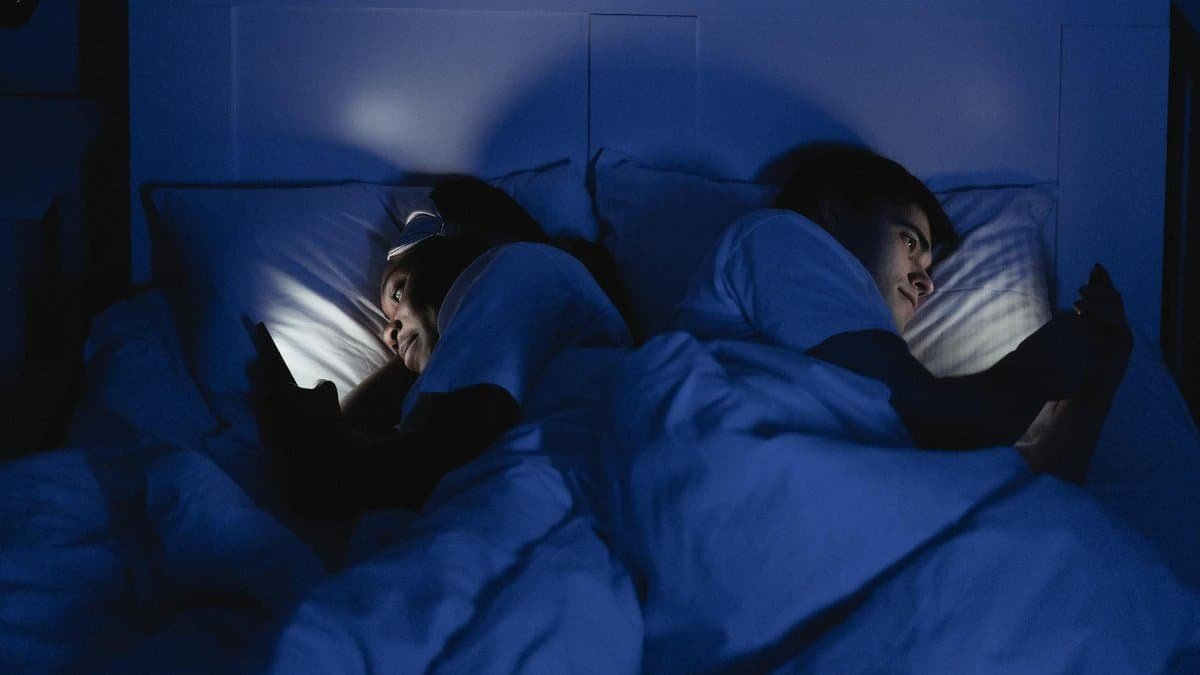
As the sun dips below the city skyline, Sarah and Tom slump onto the couch after another grueling day, phones in hand, scrolling through endless feeds of other peoples lives. The glow of screens illuminates their faces, but the space between them feels wider than ever. In an era where work emails ping past bedtime and social media hijacks attention, busy couples like them are rediscovering screen-free evening habits that bridge the gap. These simple rituals, stripped of digital distractions, foster deeper connections, improve sleep and reignite intimacy. Far from nostalgic throwbacks, they offer a practical antidote to the isolation bred by constant connectivity.
Unplugging as the First Step

Before diving into specific practices, the foundation of any effective evening routine lies in a deliberate unplug. Therapists often recommend establishing a no-screens zone starting an hour before bed, a habit backed by research from the National Sleep Foundation. Their studies show that blue light from devices suppresses melatonin, the hormone that signals sleep time, leading to poorer rest and frayed tempers the next day. For couples, this creates immediate breathing room. Place phones in a drawer or another room, perhaps with a playful timer or note saying “Date night begins now.” This small act shifts focus from virtual worlds to the real one shared between partners.
Cooking Together Without Recipes

One of the most tactile evening habits involves the kitchen, where couples can chop vegetables side by side, improvising a meal without the crutch of apps or videos. No precise measurements, just instinct and conversation flowing as freely as the wine. Nutritionists note that shared cooking not only builds teamwork but also boosts relationship satisfaction; a 2019 study from the Journal of Family Psychology found that couples who prepare meals together report higher levels of emotional closeness. For busy professionals, this turns the post-work slump into a creative collaboration, where stories from the day mingle with laughter over a slightly overcooked stir-fry. The aroma of garlic and herbs becomes a sensory anchor, grounding them in the present.
Evening Strolls Under the Stars

Stepping outside for a leisurely walk transforms the evening into a mobile sanctuary. Hand in hand or arms linked, couples navigate neighborhood streets as daylight fades, discussing everything from dreams to daily gripes without the interruption of notifications. Urban planners and health experts alike champion this habit; data from the American Heart Association indicates that evening walks reduce stress hormones like cortisol by up to 20 percent while enhancing couple bonding through shared movement. In cities like New York or Chicago, where apartments feel confining after long commutes, this ritual reclaims public space as intimate territory. The rhythm of footsteps syncs heartbeats, turning routine exercise into profound reconnection.
Storytelling Circles by Candlelight

Dim the lights and gather in a cozy corner for an exchange of stories, a screen-free evening habit that revives the art of oral tradition. One partner shares a memory from childhood or a work anecdote, the other listens without interjecting, then reciprocates. Relationship coaches describe this as “vulnerability practice,” fostering empathy and trust. A landmark study from the Gottman Institute, pioneers in marital research, reveals that couples who regularly engage in deep listening exercises see a 35 percent drop in conflict rates over time (see their findings here). Candlelight adds a romantic flicker, making the ordinary evening feel sacred, as if weaving a private mythology together.
Joint Journaling for Reflection

Hand each other notebooks and pens for a quiet session of writing, then reading aloud select entries. This evening habit encourages introspection without the pressure of real-time responses, ideal for introverted pairs or those too exhausted for heavy talk. Psychologists at Harvard’s Grant Study, one of the longest-running on adult development, have linked reflective practices to stronger partnerships and even longer lives. Participants who journaled about gratitude or appreciations reported deeper marital bonds. Keep it light: jot three things admired about your partner that day, or one hope for tomorrow. The act of articulating thoughts on paper slows the mind, paving the way for authentic dialogue once screens are sidelined.
Gentle Touch Through Massage Rituals

End the evening with mutual massages using lotions or oils, focusing on shoulders knotted from desk work. This physical evening habit releases oxytocin, the “bonding hormone,” which a 2021 review in the journal Frontiers in Psychology ties to reduced anxiety and heightened intimacy in couples (full study available here). No need for professional skills; simple kneading and breathing exercises suffice. For busy duos juggling kids or careers, 15 minutes of this touch therapy serves as a reset, dissolving the days tensions and reminding bodies of their closeness. Soft music from a non-digital source, like a record player, enhances the sensory escape.
Board Games That Spark Playfulness

Dust off classics like Scrabble or chess, or try cooperative ones like Pandemic, where victory depends on teamwork. These games turn evenings into playful arenas, reigniting the fun that often fades in long-term relationships. Sociologists point out that shared leisure activities correlate with marital stability; a survey by the Pew Research Center found that couples playing games together feel more connected amid digital overload. Laughter erupts over clever words or strategic blunders, dissolving barriers built by separate screens. This habit proves especially potent for childless professionals, carving out childlike joy in adulthood.
Why These Habits Outlast Trends

Unlike fleeting apps or viral challenges, screen-free evening habits endure because they demand presence over performance. In a culture obsessed with productivity hacks, these rituals prioritize relational wealth. Sleep experts from the Mayo Clinic emphasize that consistent wind-downs improve not just rest but mood regulation, reducing arguments born of fatigue. Couples adopting even two or three report feeling more like partners than roommates, according to anecdotal evidence from therapy practices nationwide.
Overcoming Common Obstacles

Resistance arises: “Were too tired,” or “What if work intrudes?” Start small, perhaps 20 minutes nightly, and communicate expectations upfront. Track progress in a shared calendar, treating it like any priority. For parents, involve kids briefly then transition to couple time. Persistence pays off; neuroscientists note that habits form neural pathways within 21 days, making reconnection automatic.
The Ripple Effects on Daily Life

These evening habits cascade into mornings filled with patience and days marked by collaboration. Better sleep means sharper focus at work; deeper talks yield mutual support. Long-term, they fortify against divorce statistics hovering around 40 percent for first marriages, per CDC data. Busy couples reclaim agency over their evenings, proving that in a wired world, deliberate disconnection is the ultimate luxury.
Chris F. Weber is a relationships columnist based in Brooklyn, exploring how modern life shapes love.