
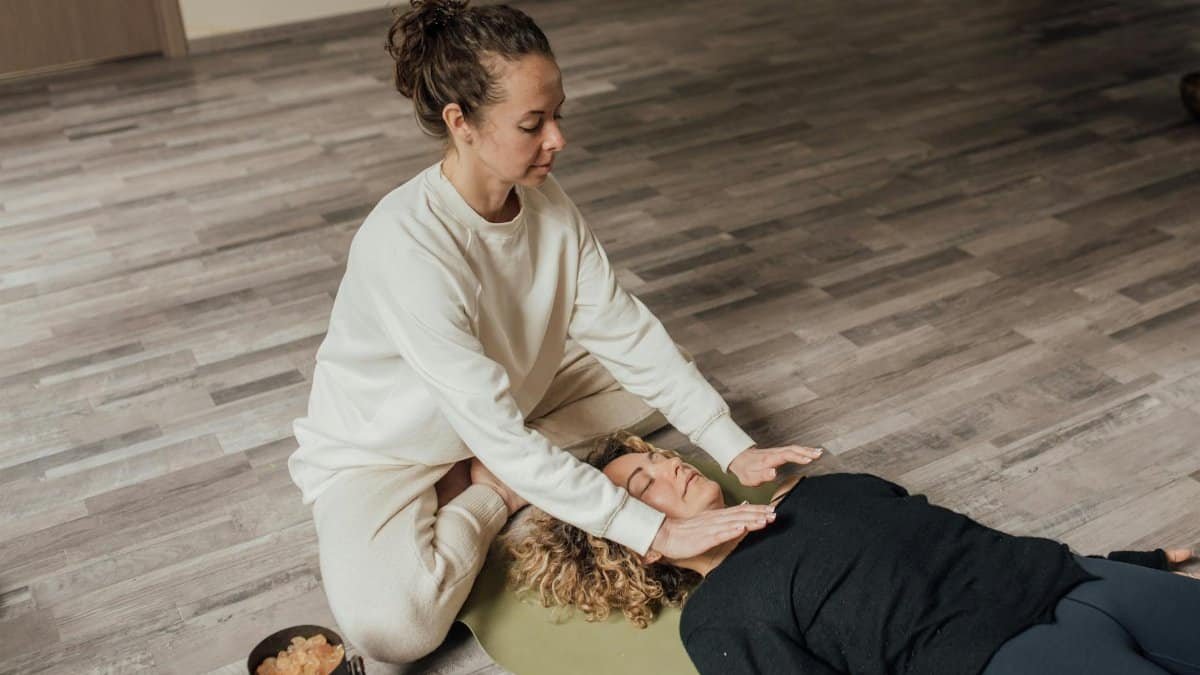
In cities like Seattle and Austin, where the pace of life can feel relentless, a quiet movement is gaining ground. Wellness studios and community centers now offer sessions that blend ancient traditions with modern stress relief. Reiki, a Japanese energy healing practice, has surged in popularity, with practitioners reporting a 25% increase in demand over the past year, according to data from the International Center for Reiki Training. This isn’t just a fad. It’s a response to the burnout epidemic gripping the nation. Amid economic uncertainties and digital overload, Americans are seeking simple ways to restore balance. Enter reiki tips—practical, everyday strategies drawn from this gentle modality. They promise not miracles, but a pathway to calm that anyone can try. As one expert noted, these methods tap into the body’s natural ability to heal itself, fostering peace in turbulent times.
Tip 1: Embrace Grounding to Restore Calm
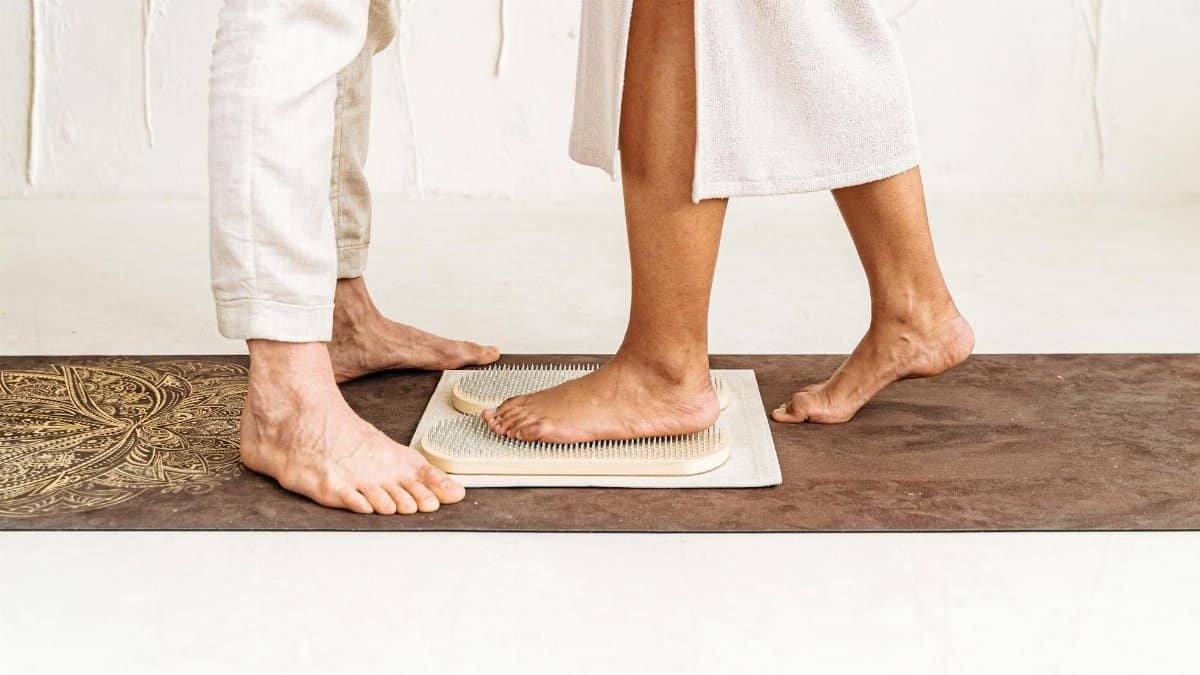
Start with the basics. Grounding in Reiki involves connecting with the earth’s energy to anchor yourself amid chaos. Imagine standing barefoot on cool grass, feeling the soil’s stability seep into your soles. This isn’t mere visualization. It’s a deliberate act that can shift your mindset in minutes.
Practitioners often begin sessions by placing hands on the feet or lower body, channeling energy to root the recipient. A study from the University of Minnesota’s Center for Spirituality & Healing highlights how such techniques reduce anxiety by promoting a sense of security.University of Minnesota Center for Spirituality & Healing details this process, noting its roots in balancing the root chakra.
One woman, juggling a demanding job and family life in Chicago, shared how this tip transformed her evenings. She described feeling scattered after work, her thoughts racing like traffic on the Loop. Then, she tried a simple grounding exercise: sitting quietly, palms down, envisioning roots extending from her body into the ground. “It was like flipping a switch,” she recalled. Within weeks, her sleep improved, and petty irritations lost their grip.
But it’s not always straightforward. Skeptics question the science, pointing to the placebo effect. Yet, evidence suggests more. Research published in the Journal of Evidence-Based Complementary & Alternative Medicine found that Reiki grounding lowered cortisol levels in participants. The key? Consistency. Try it daily, even for five minutes, and notice the subtle calm that builds.
Variations abound. Some incorporate crystals or essential oils, but purists stick to intention alone. Whichever way, this tip restores calm by reminding us we’re not adrift in the storm—we’re tethered to something solid.
Tip 2: Harness Breathwork for Inner Harmony
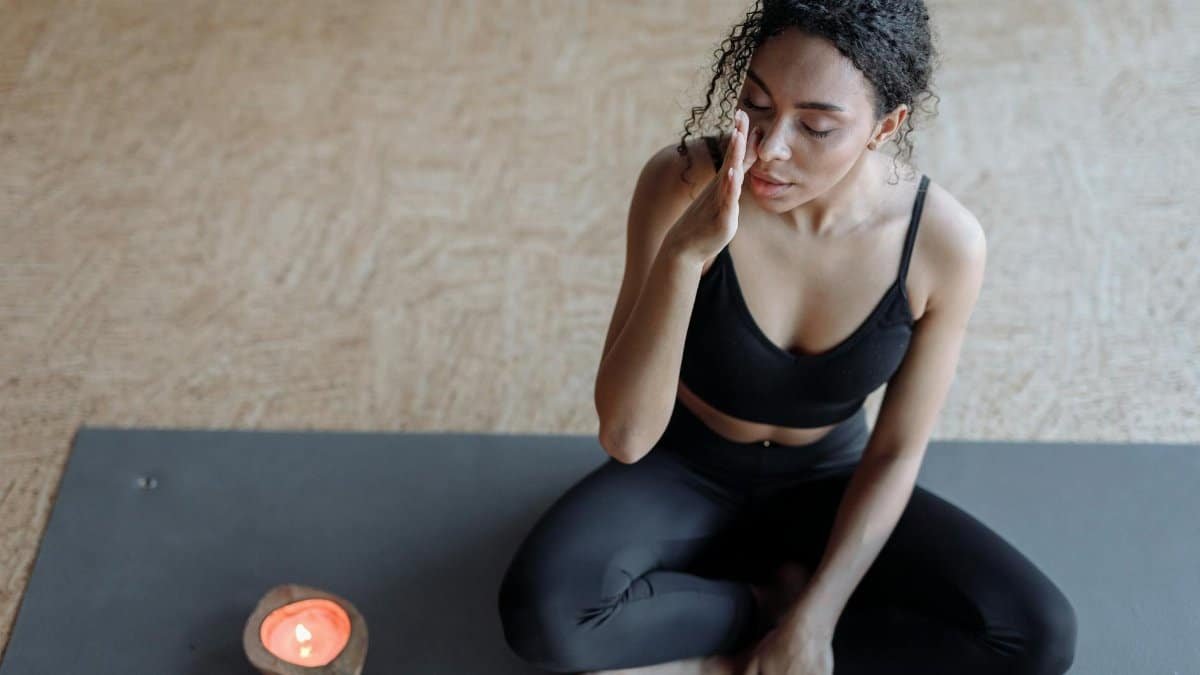
Breath is the bridge in Reiki. It carries energy through the body, dissolving tension like mist under sunlight. This tip focuses on synchronized breathing, a core element often overlooked in hurried routines.
Consider a group session in a dimly lit room, where participants inhale deeply, hands hovering over their abdomens. The air fills with a collective sigh, easing the weight of the day. According to the National Institutes of Health, practices like this can activate the parasympathetic nervous system, countering stress responses.National Center for Complementary and Integrative Health (NCCIH) explores Reiki’s role in relaxation, citing studies on its effects on heart rate variability.
Dive into a real scenario. A veteran teacher from Florida, overwhelmed by classroom demands, turned to breathwork after a friend’s recommendation. He started with short sessions: inhaling for four counts, holding, then exhaling slowly while visualizing energy flow. “My mind used to buzz like a hive,” he said. Now, it quiets, allowing space for clarity.
Challenges arise, though. Not everyone finds it easy to focus; distractions pull like tides. That’s where adaptation helps—pair it with gentle music or guided apps. A review in the International Journal of Yoga Therapy supports this, showing combined breath and energy work enhances emotional regulation. The beauty lies in its accessibility: no tools needed, just your lungs and a moment of presence.
As trends evolve in 2025, with more workplaces incorporating wellness breaks, this reiki tip stands out for its simplicity. It fosters harmony not just within, but in relationships strained by daily pressures.
Tip 3: Use Hand Positions to Channel Peace

Hands hold power in Reiki. Positioning them strategically directs energy to troubled areas, inviting peace where discord reigns. This tip draws from traditional methods, adapted for self-practice.
Picture a quiet evening at home. You rest your palms over your heart, feeling warmth spread like sunlight on skin. It’s intimate, almost instinctive. The Mayo Clinic acknowledges Reiki’s potential in pain management and relaxation, though it calls for more rigorous trials.Mayo Clinic on Reiki provides an overview, emphasizing its non-invasive nature.
Online discussions reveal a common thread: people frustrated with conventional therapies turning to this for relief. One anonymous account described chronic headaches melting away after consistent hand placements. “It felt silly at first,” they admitted, “but the calm was undeniable.”
Yet, mastery takes time. Improper positioning might yield little, leading to doubt. Experts advise starting with guided videos or books, building intuition gradually. A study from the Journal of Alternative and Complementary Medicine found that self-Reiki with hand positions improved quality of life for cancer patients, reducing fatigue.Journal of Alternative and Complementary Medicine hosts such research, underscoring measurable benefits.
Incorporate it into routines subtly—during commutes or before bed. Over time, it channels peace, mending the frayed edges of daily life.
Tip 4: Incorporate Symbols for Deeper Serenity
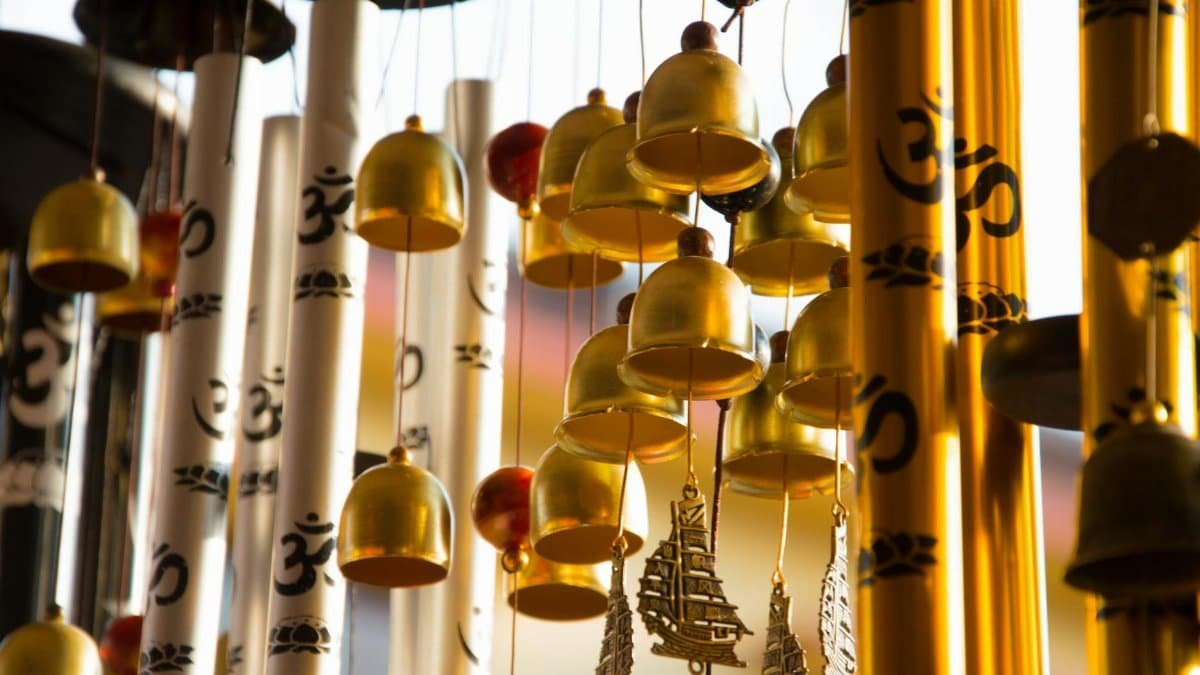
Symbols in Reiki act as keys, unlocking deeper layers of energy. This tip introduces them gently, for those ready to go beyond basics.
Envision tracing an invisible shape in the air, infusing it with intention. The Cho Ku Rei, for power, amplifies calm like a focused beam. It’s not magic; it’s a mnemonic for mindfulness. The Cleveland Clinic notes Reiki’s growing use in hospitals for patient comfort.Cleveland Clinic on Reiki discusses its integration into holistic care.
A young professional in New York, battling insomnia, experimented with symbols during meditation. She sketched them mentally before sleep, and soon, rest came easier. “It was like whispering to my subconscious,” she reflected. Such stories highlight the tip’s appeal in high-stress environments.
Doubts persist—symbols can seem esoteric. But paired with intention, they work subtly. Research from the University of Pennsylvania’s Penn Medicine shows energy therapies aiding in stress reduction. The evolution in 2025 sees more apps demystifying these tools, making serenity accessible.
Explore one symbol at a time. Feel the shift, the quiet deepening into profound peace.
Tip 5: Build a Daily Ritual for Lasting Tranquility

Consistency seals the deal. This final tip weaves Reiki into daily life, creating rituals that sustain tranquility over time.
Think of it as a morning anchor: a few minutes of self-treatment, setting the tone. Light filters through curtains as you align your energy, preparing for whatever comes. The American Psychological Association links routine mindfulness practices to better mental health outcomes.American Psychological Association on Mindfulness connects this to stress management, with Reiki fitting neatly into that framework.
In a bustling suburb outside Denver, a retiree adopted this after a health scare. His ritual involved brief sessions twice daily, blending tips from earlier. “Peace isn’t a one-off,” he observed. “It’s built, layer by layer.” Tensions with family eased as his calm rippled outward.
Obstacles include forgetting or skepticism from others. Counter with flexibility—adjust for busy days. A meta-analysis in Evidence-Based Complementary and Alternative Medicine affirms long-term benefits for emotional well-being. As U.S. trends lean toward holistic health in 2025, this ritual empowers individuals to cultivate lasting tranquility.
Ultimately, these reiki tips aren’t about escape. They’re about engagement—with self, with energy, with peace that’s always within reach.