
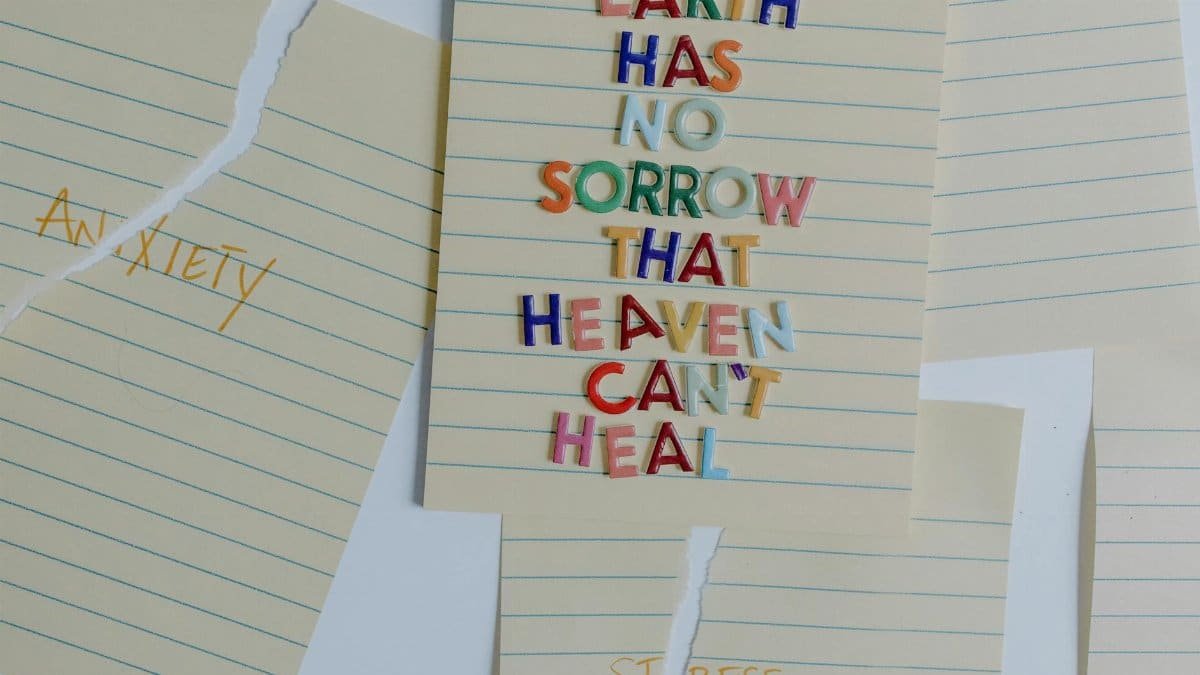
A recent study from the American Psychological Association revealed that nearly 40% of U.S. adults reported symptoms of emotional exhaustion in the past year, a spike attributed to ongoing societal pressures like work demands and digital overload. This figure, up from 32% just five years ago, underscores a growing need for intentional recovery spaces. As people navigate the healing phase, emotional exhaustion, recovery becomes not just a personal journey but a cultural imperative. In bustling cities and quiet suburbs alike, individuals are seeking out environments that foster renewal, turning to places where the mind can unwind and the spirit recharge. These havens offer more than escape; they provide structured support for rebuilding inner strength. From natural retreats to community centers, the options reflect a broader trend toward prioritizing mental well-being in 2025.
1. Coastal Beaches for Solitary Reflection
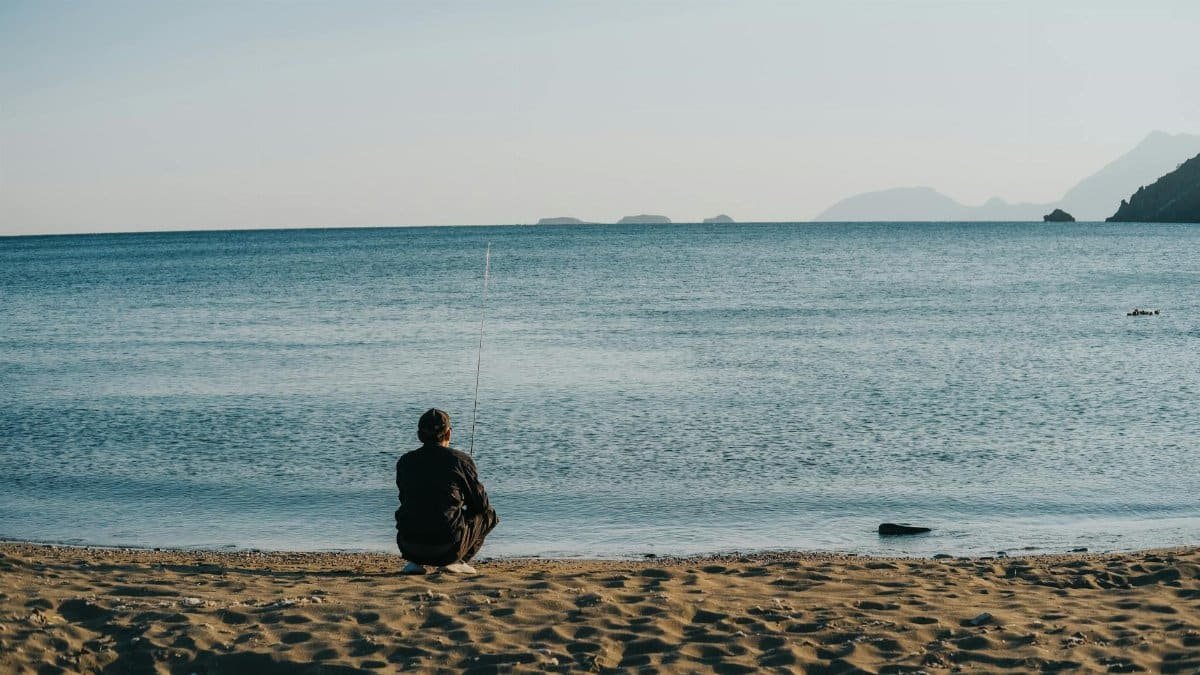
Along the rugged shores of California’s Big Sur, waves crash rhythmically against cliffs, creating a natural soundtrack for those stepping into recovery. Imagine a middle-aged professional, let’s call her Sarah, who after years of corporate burnout, packs a simple bag and heads to a secluded beach. She sits on the sand, watching the horizon, feeling the salt air sting her cheeks. This isn’t just leisure; it’s a deliberate choice in the healing phase, emotional exhaustion, recovery. Beaches like these encourage mindfulness, where the vast ocean mirrors the expanse of one’s inner world.
Research supports this. A study published in the Journal of Environmental Psychology found that proximity to blue spaces reduces stress hormones significantly. Participants exposed to coastal environments reported lower cortisol levels after just 20 minutes.Journal of Environmental Psychology Study highlights how such settings promote emotional regulation. Yet, not everyone finds solace here immediately. Sarah, in her anonymous online account, described initial discomfort: the isolation forced her to confront buried fatigue. Over days, though, it shifted to empowerment.
Accessibility varies. Public beaches in places like Oregon’s Cannon Beach offer free entry, but for deeper immersion, guided retreats add structure. The key is consistency; even weekend visits can build resilience. As trends evolve in 2025, more apps connect users to these spots, blending technology with nature’s balm.
2. Mountain Cabins Amid Nature’s Embrace
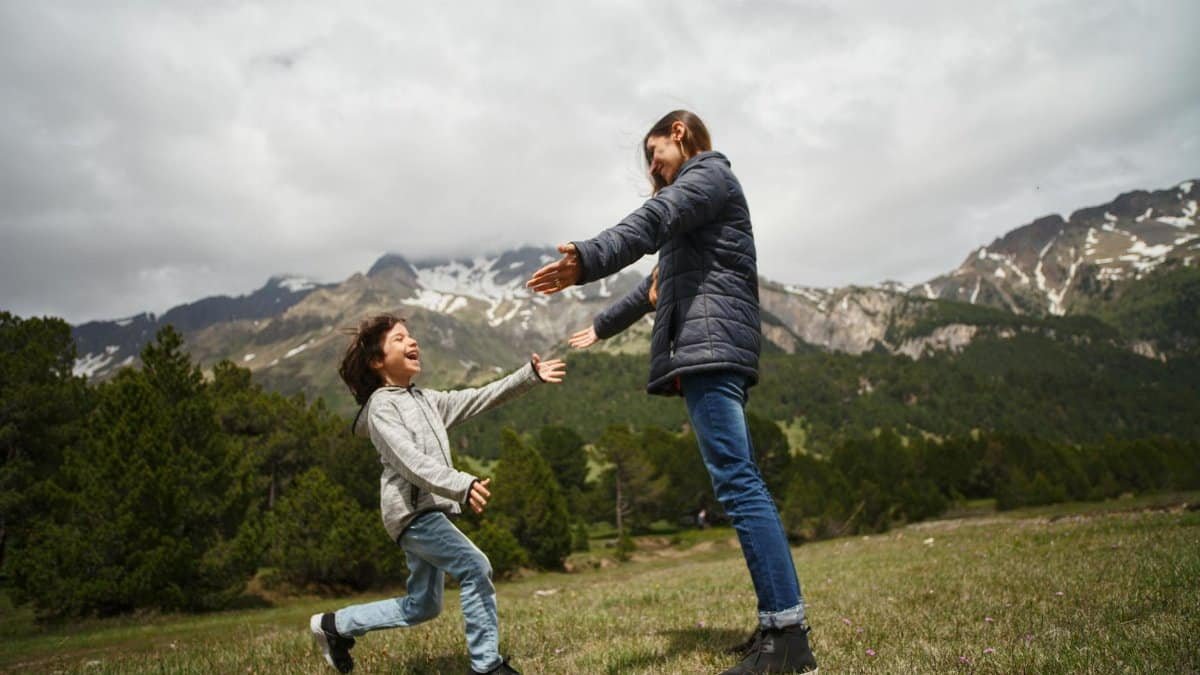
What draws someone to a remote cabin in Colorado’s Rockies? Often, it’s the silence, broken only by wind through pines or distant elk calls. For many entering the healing phase, emotional exhaustion, recovery, these elevations provide literal and figurative breathing room. Picture a group of friends renting a modest lodge, sharing stories around a fire pit as stars blanket the sky. One might recall a father’s quiet breakdown after job loss, finding clarity in the trails.
This isn’t mere escapism. The National Institutes of Health notes that forest bathing, a practice rooted in Japanese tradition but gaining U.S. traction, lowers blood pressure and anxiety. A 2020 review linked it to improved immune function.NIH Forest Bathing Review details these benefits, emphasizing time in green spaces for mental restoration. Challenges arise, though: altitude sickness or isolation can intensify vulnerability, requiring preparation.
In practice, cabins offer flexibility. Some, like those in the Adirondacks, include wellness programs with yoga. A recent public forum post captured this: an anonymous user shared how a week in the mountains unraveled years of pent-up stress, emerging with renewed purpose. As 2025 sees rising eco-tourism, these places adapt, incorporating sustainable practices to enhance the healing narrative.
Transitions to daily life matter. Visitors often journal insights, carrying the mountain’s calm back home.
3. Urban Wellness Centers for Community Connection
In the heart of New York City, amid skyscrapers and honking taxis, wellness centers emerge as unexpected oases. These hubs, with their softly lit rooms and herbal tea stations, cater to those in the thick of emotional exhaustion. Consider a scenario where a teacher, drained from virtual classrooms, joins a group meditation session. Laughter erupts unexpectedly, breaking the tension, forging bonds among strangers.
Evidence from the Centers for Disease Control and Prevention shows community-based programs reduce isolation, a key factor in recovery. Their data indicates participation in such activities correlates with better mental health outcomes.CDC Mental Health Resources provide frameworks for these interventions. However, urban noise can intrude, demanding centers to innovate with soundproofing or outdoor extensions.
Diversity shines here. Centers in Chicago or Atlanta tailor offerings to cultural needs, from African dance therapy to mindfulness for veterans. One illustrative snippet: a participant described the shift from exhaustion to vitality as “waking up in a supportive village.” With 2025’s focus on hybrid models, virtual sessions extend reach, blending city energy with restorative practices.
4. Botanical Gardens as Gentle Sanctuaries

Strolling through the blooming paths of Missouri Botanical Garden, one encounters a symphony of colors and scents that soothe the senses. For individuals navigating recovery, these gardens represent accessible healing grounds. Envision a retiree, post-caregiving fatigue, pausing by a lily pond, the water’s ripple mirroring internal calm. It’s a space where time slows, allowing exhaustion to ebb away.
Studies affirm this. Research from Harvard University links garden exposure to decreased depression symptoms, attributing it to biophilia, our innate connection to nature.Harvard Health on Nature and Mood explores how even urban green spaces foster emotional resilience. Yet, seasonal changes pose hurdles; winter visits might require indoor conservatories to maintain benefits.
Practical applications abound. Many gardens host therapeutic horticulture classes, where planting seeds symbolizes personal growth. An anonymized story from online shares echoes this: someone battling burnout found solace in tending plots, describing it as “nurturing myself through the earth.” As 2025 trends toward inclusive design, these sanctuaries expand accessibility, ensuring broad appeal in the healing phase, emotional exhaustion, recovery.
Integration with routines helps. Regular visits build habits, turning fleeting relief into lasting recovery.
5. Home-Based Retreats for Personalized Renewal

Sometimes, the most profound healing unfolds within one’s own walls. Transforming a spare room into a personal sanctuary, complete with candles and soft cushions, allows for tailored recovery. Think of a single parent, overwhelmed by daily chaos, carving out evening rituals in this space. A warm bath, followed by journaling, becomes a ritual that eases into the healing phase, emotional exhaustion, recovery.
This approach draws from psychological insights. The American Psychological Association reports that creating home environments conducive to rest enhances sleep quality and emotional processing. Their guidelines emphasize personalization for efficacy.APA on Stress and the Body connects these habits to long-term well-being. Drawbacks include distractions from household demands, necessitating boundaries.
Creativity flourishes here. Incorporating elements like aromatherapy or soundscapes mimics professional retreats affordably. A compelling example: an individual shared publicly how redesigning their bedroom led to breakthrough moments, feeling “reborn in familiar surroundings.” In 2025, with rising remote work, these home retreats gain prominence, supported by apps offering guided sessions.
Ultimately, blending personal touches with evidence-based strategies sustains progress, making recovery an ongoing, intimate process.