

A recent study from the American Psychological Association revealed that 77% of Americans report experiencing stress that impacts their physical health, a figure that’s climbed steadily over the past decade. Amid this backdrop, the pursuit of daily stress, emotional relief, and slower living has emerged as more than a trend—it’s a quiet rebellion against the hustle. In bustling cities from New York to Los Angeles, people are seeking out natural havens where the rhythm of life decelerates, allowing space for emotional reset. These places aren’t about escape; they’re about reconnection, offering tangible ways to dial back the constant buzz of deadlines and digital notifications. As we navigate 2025, with remote work blurring boundaries even further, such spots remind us that relief often lies in simplicity, where nature’s pace dictates the day.
1. Coastal Beaches at Dawn
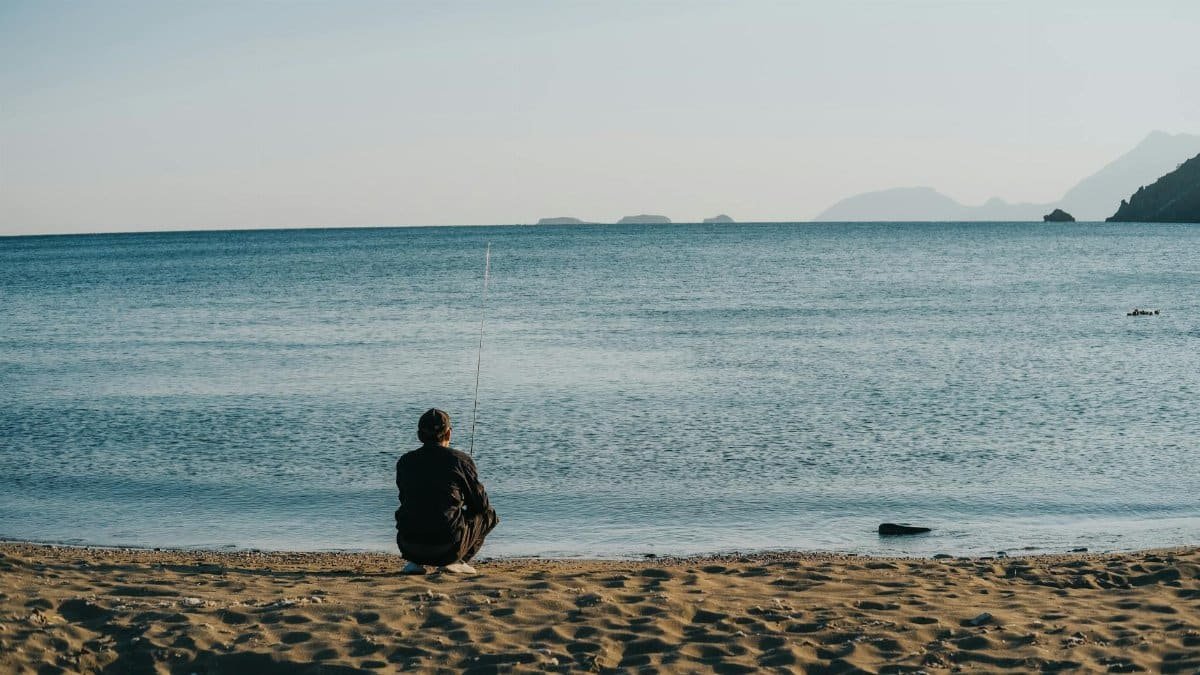
The sun barely crests the horizon, casting a soft glow over the waves that lap rhythmically against the shore. For many, this scene on beaches like those along California’s Big Sur coastline embodies a profound shift toward slower living. Here, daily stress evaporates as one walks barefoot on cool sand, the salty air carrying away worries accumulated from urban grind. Researchers have long noted how ocean proximity fosters emotional relief; a study published in the journal Health & Place found that living near blue spaces correlates with lower psychological distress levels.
Consider Sarah, a marketing executive from Chicago who visited during a particularly grueling quarter. She described standing there, watching seabirds skim the water, feeling her shoulders drop for the first time in months. “It was like the tide pulled out all the noise,” she said. This isn’t mere anecdote—science backs it. The repetitive sound of waves activates the parasympathetic nervous system, promoting relaxation. In 2025, with mental health apps booming, these natural alternatives stand out for their accessibility. No subscription required; just show up. Yet, it’s not always idyllic. Crowds can intrude, turning serenity into chaos, which underscores the need to seek lesser-known stretches. One approach: arrive before the tourists, letting the solitude amplify the calm. Over time, regular visits build resilience, transforming fleeting relief into a sustained practice of emotional balance.
2. Ancient Forests and Woodland Trails
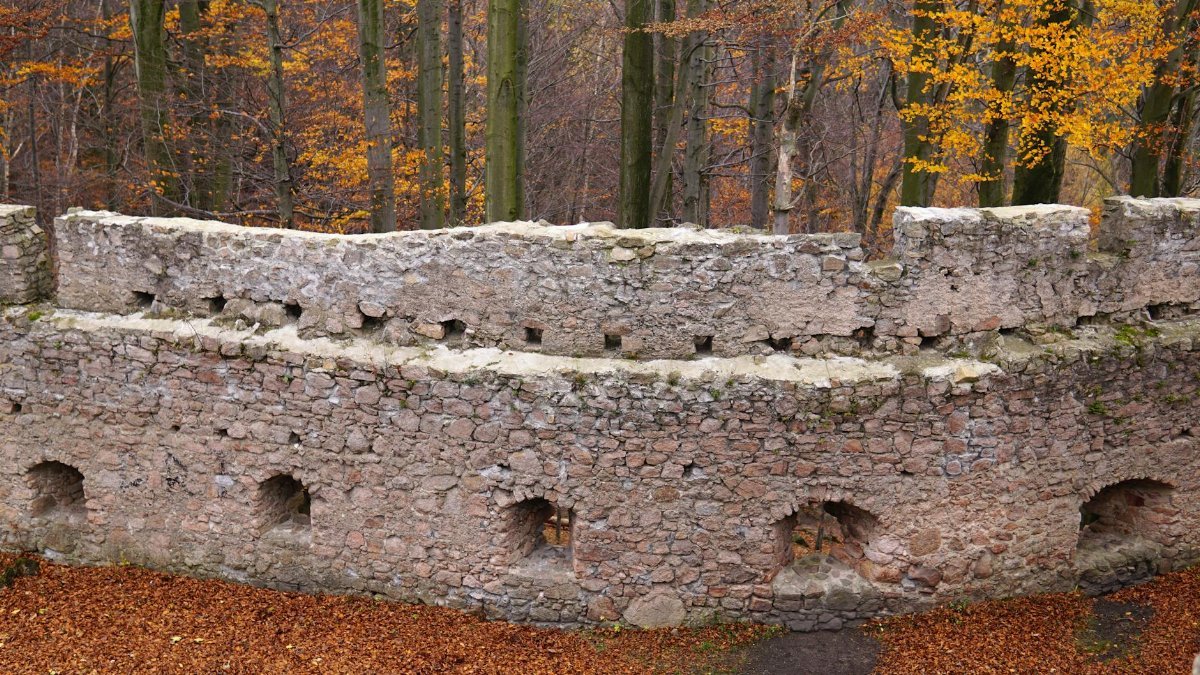
Deep in the redwood groves of Northern California or the Appalachian trails of the East Coast, the air thickens with the scent of pine and earth. These forests invite a deliberate slowing down, where daily stress, emotional relief, and slower living intertwine through what the Japanese call “shinrin-yoku,” or forest bathing. It’s not about hiking briskly; it’s immersion, letting the canopy filter out the world’s frenzy.
A report from the U.S. Forest Service highlights how time in wooded areas reduces cortisol levels by up to 16%, based on physiological measurements from participants. Imagine a group of friends from Seattle, weary from tech jobs, wandering these paths. One paused under a towering oak, breathing deeply, and later shared anonymously in an online discussion how the rustle of leaves drowned out her inner monologue of deadlines. “For once, I wasn’t rushing,” she noted. This echoes broader trends: in 2025, urban dwellers are flocking to national parks, with visitation up 12% according to National Park Service data. But challenges arise—overcrowding or seasonal weather can disrupt the peace. To counter this, experts suggest off-peak explorations or guided sessions that teach mindful observation. The result? A recalibration, where emotional knots untangle amid the quiet strength of ancient trees, fostering a deeper sense of presence.
3. Mountain Retreats with Panoramic Views
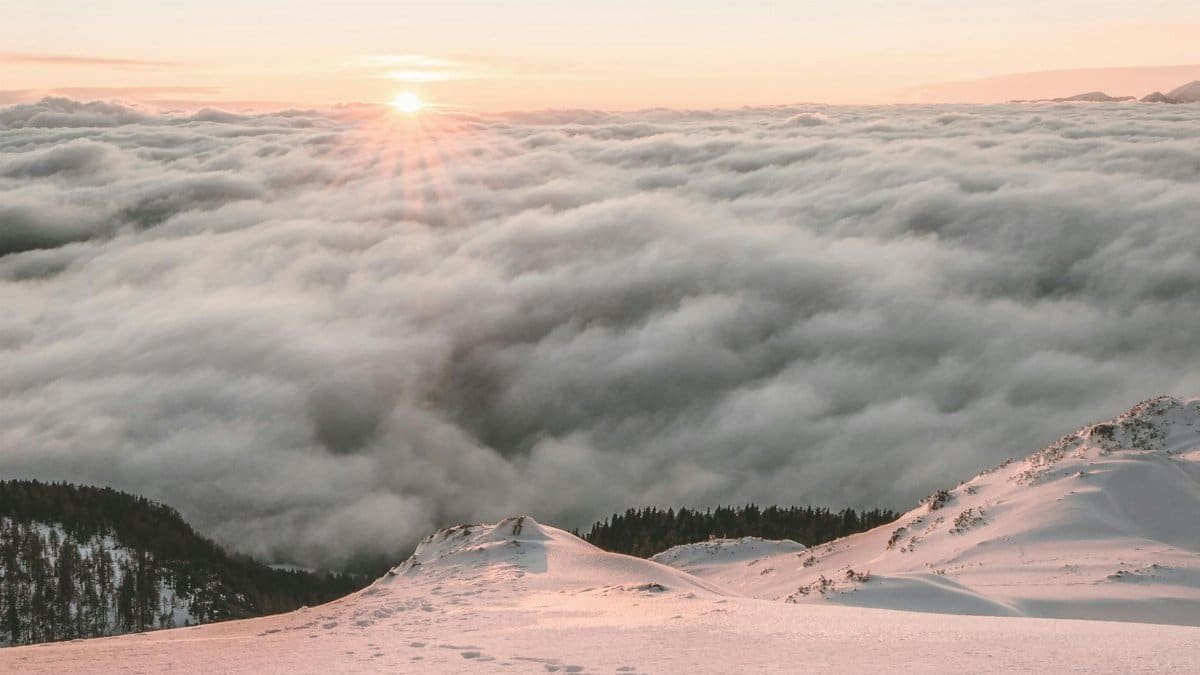
Perched on a rocky outcrop in Colorado’s Rockies, the world below seems distant, problems miniaturized by the vast expanse. Mountain settings like these naturally curb daily stress by imposing a scale that humbles and heals. Slower living here means pausing to watch clouds drift, finding emotional relief in the sheer immensity that puts personal turmoil into perspective.
Evidence from a University of Utah study shows that high-altitude environments enhance mood through increased endorphin release, particularly during light activity like summit gazing. Take the story of a retired teacher from Texas who hiked to a viewpoint after a family loss. He sat there, wind whispering through pines, and felt a weight lift—not erased, but shared with the landscape. “The mountains held my grief,” he reflected. This aligns with 2025 wellness shifts, where apps track “nature immersion” metrics, yet nothing rivals the real thing. Of course, altitude sickness or unpredictable weather can pose hurdles, demanding preparation like acclimation days. Still, the payoff is immense: regular retreats build emotional resilience, turning peaks into personal sanctuaries where stress dissolves into the horizon.
4. Quiet Lakeside Shores
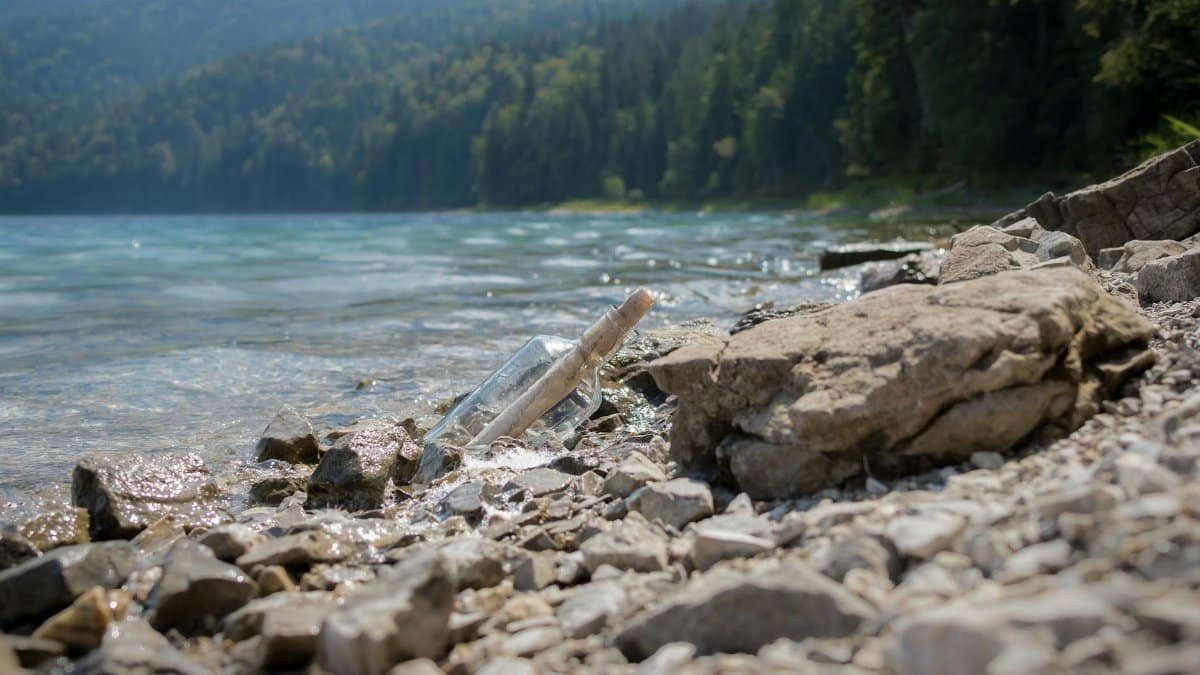
Lakes like those in Minnesota’s Boundary Waters offer glassy surfaces that mirror the sky, inviting contemplation without fanfare. Here, daily stress, emotional relief, and slower living manifest in the gentle lap of water against a dock, where one can sit for hours, unplugged and undisturbed. It’s a space for introspection, far from the clamor of city life.
The National Institutes of Health links such water-based serenity to reduced anxiety, with a study indicating that proximity to freshwater lowers blood pressure in stressed individuals. Picture a young couple from Atlanta, escaping corporate burnout, paddling out at dusk. She dipped her hand in the cool water, he stared at the fading light, and together they exhaled the week’s tensions. As one online account put it, “The lake didn’t demand anything; it just was.” In 2025, with hybrid work enabling more spontaneous getaways, these spots see rising popularity. Accessibility varies—some require permits or gear—but the simplicity appeals. Challenges like insects or isolation test patience, yet they teach endurance. Ultimately, lakesides nurture a rhythm of calm, where emotional relief flows as steadily as the currents below.
5. Desert Solitudes Under Starry Skies
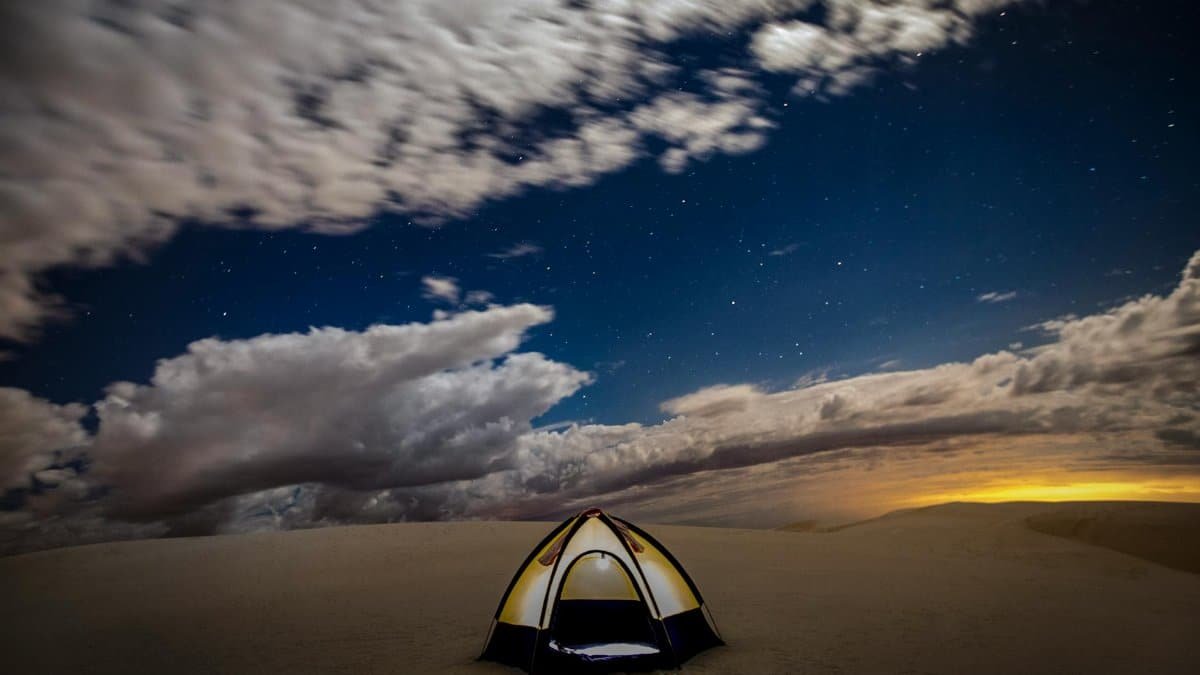
In the vast emptiness of Arizona’s Sonoran Desert, the sun sets, revealing a canopy of stars that dwarfs daily concerns. These arid expanses promote slower living by stripping away distractions, leaving room for profound emotional relief amid the silence. Nighttime here transforms stress into stardust, as the mind wanders freely.
A NASA-supported study on light pollution emphasizes how dark-sky areas like these improve sleep and mental clarity, with participants reporting 20% better emotional regulation after exposure. Recall a writer from New York who camped solo, lying on warm sand as constellations emerged. “The desert swallowed my worries,” she whispered to herself, a sentiment echoed in countless quiet reflections. This ties into 2025’s growing dark-sky tourism, per the International Dark-Sky Association, drawing those weary of urban glow. Harsh conditions—extreme temperatures or navigation issues—demand respect, often requiring guided tours for safety. Yet, the isolation fosters introspection, turning solitude into strength. Over repeated visits, what begins as escape evolves into a toolkit for managing daily stress, proving that even barren landscapes can bloom with inner peace.
In weaving through these places, a pattern emerges: nature doesn’t just reduce stress; it reorients us toward a more deliberate existence. As Americans grapple with mounting pressures in 2025, these havens offer not luxury, but necessity—a reminder that emotional relief often hides in plain, unhurried sight.American Psychological Association Stress ReportU.S. Forest Service on Forest BathingHealth & Place Journal Study on Blue SpacesNational Institutes of Health on Anxiety Reduction