

In a world where nearly 77% of American adults report experiencing stress that impacts their physical health, according to a 2023 survey by the American Psychological Association, it’s no wonder many are seeking ways to unwind. This figure, up from previous years, underscores a growing need for natural remedies amid the hustle of modern life. Enter the pursuit of daily stress, emotional relief, slower living—concepts that encourage stepping back from the frenzy to reconnect with calmer rhythms. These aren’t just buzzwords; they’re backed by research showing how certain environments can lower cortisol levels and foster mental clarity. As we navigate 2025, with remote work blurring boundaries and digital notifications incessant, discovering places that naturally dial down the pressure feels more essential than ever. This article explores five such havens, each offering unique paths to tranquility without the need for structured programs or gadgets.
1. Forest Trails Amid Ancient Trees
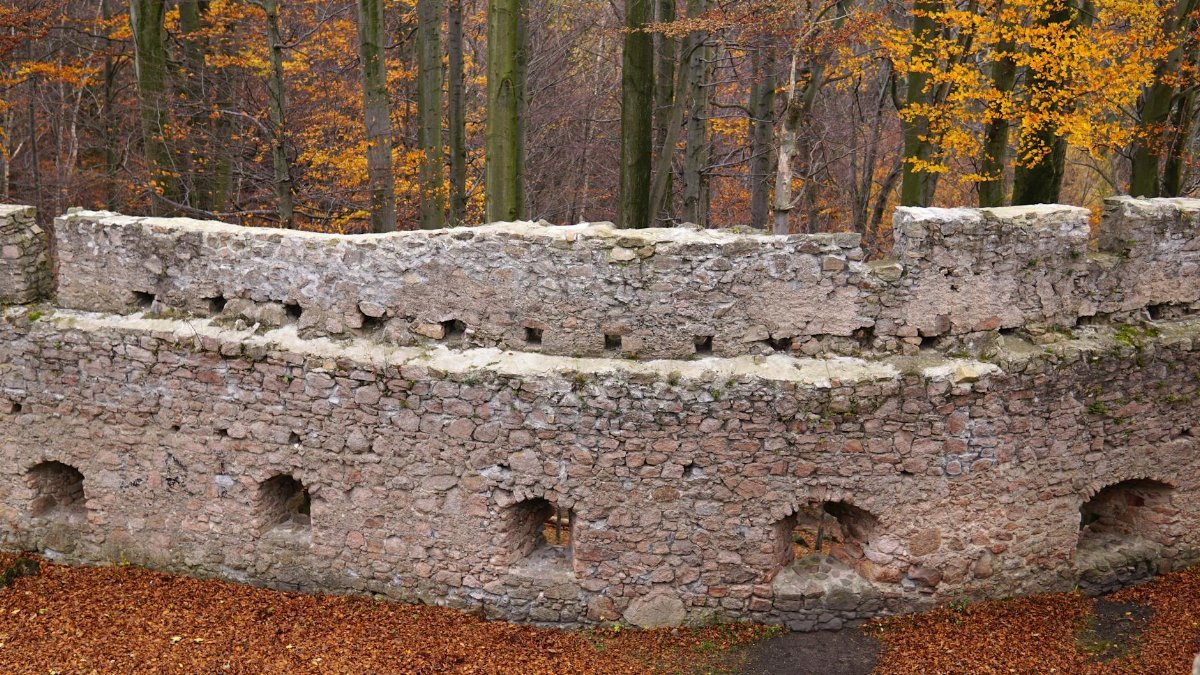
Deep in the woods, where sunlight filters through a canopy of leaves, the air carries a hush that silences the mental chatter. Imagine wandering a trail in Washington’s Olympic National Park, where towering firs and moss-covered rocks create a living cathedral. Here, the practice of forest bathing—originally from Japan but gaining traction in the U.S.—invites visitors to immerse slowly, absorbing the scents and sounds. A study published in the International Journal of Environmental Research and Public Health found that time in forests can reduce stress hormones by up to 15%, promoting emotional relief through phytoncides, natural compounds released by trees.NCBI Study on Forest Bathing details how this exposure calms the nervous system.
One hiker, sharing anonymously online, described the shift: after a week of deadlines, the trail felt like hitting a reset button, with worries dissolving amid the rustle of leaves. This isn’t mere escapism; it’s a deliberate embrace of slower living, where steps are unhurried and thoughts untangle naturally. In 2025, with urban sprawl encroaching, these trails remind us that nature’s pace counters daily stress effectively. Yet, accessibility varies—rural areas boast more options, while city dwellers might seek local preserves. The key lies in presence: leave the phone behind, and let the forest work its quiet magic.
Challenges arise, though, like seasonal weather or physical limitations, but adaptations exist, such as guided audio walks for those unable to venture far. Ultimately, these wooded paths teach that emotional relief often stems from simplicity, a lesson increasingly vital as life’s tempo accelerates.
2. Seaside Shores with Endless Horizons
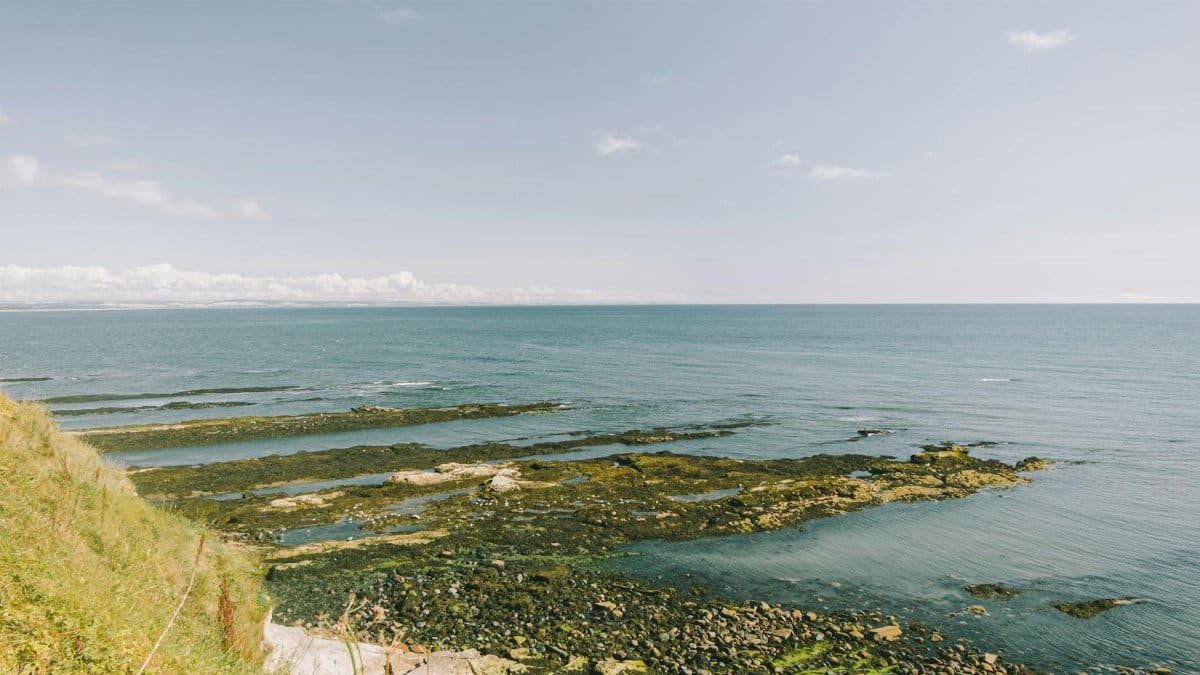
Stand at the edge of the ocean, waves lapping rhythmically, and feel the vastness pull you into a meditative state. Places like California’s Big Sur coastline, with its rugged cliffs and pounding surf, embody this allure. The sound of water crashing, the salty breeze—it’s a sensory reset that eases the grip of daily stress. Research from the University of California supports this, showing that proximity to blue spaces correlates with lower anxiety levels, as detailed in a report on environmental psychology.NCBI on Blue Spaces and Health highlights how ocean views can enhance mood and cognitive function.
Picture a family from the Midwest, escaping to Florida’s Gulf Coast for a weekend. The parents, bogged down by work emails, found themselves building sandcastles with their kids, laughter replacing tension. This anecdote illustrates slower living in action: time stretches when you’re not checking clocks, allowing emotional relief to surface organically. In bustling 2025, with climate change altering coastlines, these spots also spark reflection on preservation. Not everyone lives near the sea, of course, but even lakeside retreats offer similar benefits, proving that water’s edge fosters calm regardless of scale.
The experience isn’t always idyllic—crowds or pollution can intrude—but seeking off-season visits or hidden coves mitigates that. Through it all, the shore whispers a truth: letting go of control, even briefly, rebuilds inner reserves against life’s relentless demands.
3. Mountain Retreats Offering Solitude
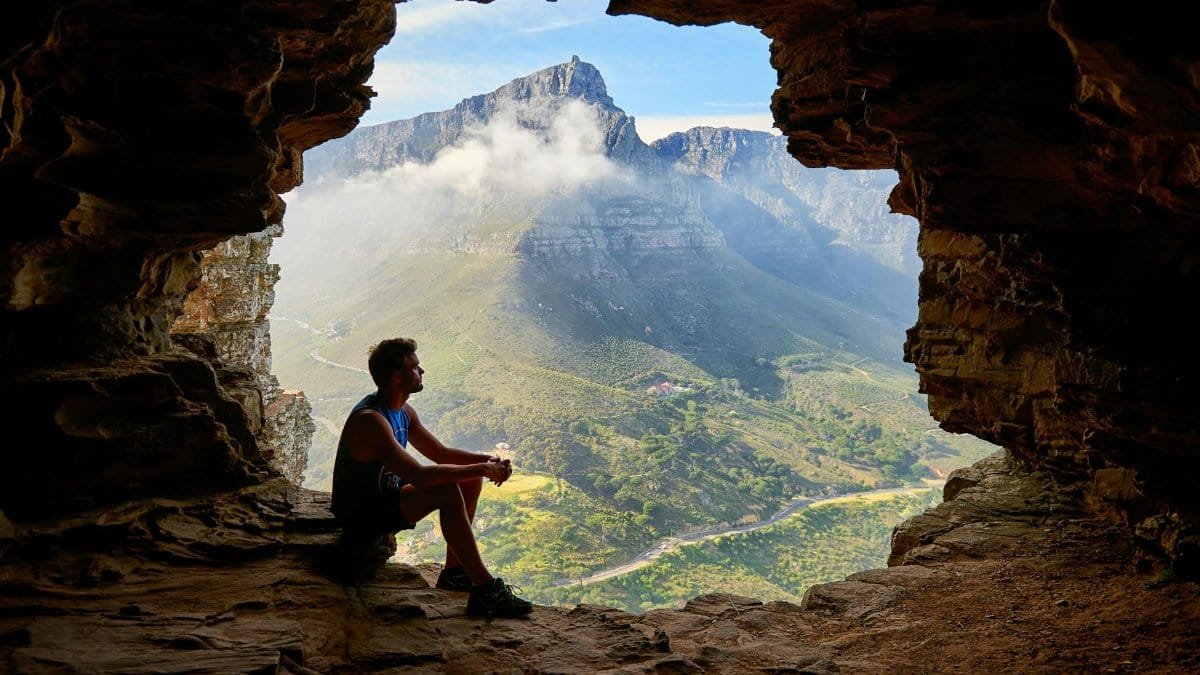
High in the Rockies, where peaks pierce the sky and trails wind through alpine meadows, solitude becomes a balm. Colorado’s Rocky Mountain National Park draws those craving elevation, both literal and metaphorical. The thin air sharpens focus, while panoramic views dwarf personal worries, aligning with daily stress, emotional relief, slower living by encouraging deliberate pauses. A Pew Research Center analysis notes that outdoor recreation has surged post-pandemic, with 55% of Americans prioritizing nature escapes for mental health.Pew Research on American Stress Levels ties this to broader trends in seeking respite.
Consider a solo trekker who, after a corporate burnout, summited a modest peak at dawn. The quiet ascent, broken only by bird calls, unraveled knots of anxiety, revealing clarity in the crisp morning light. Such stories underscore how mountains enforce a slower rhythm—no rushing when navigating switchbacks. Yet, this isn’t without hurdles: altitude sickness or inaccessibility for some demographics. In 2025, inclusive initiatives like adaptive hiking gear are bridging gaps, making these retreats more democratic.
Diving deeper, the isolation can unearth buried emotions, turning relief into a profound journey. It’s a reminder that true slower living often involves facing the quiet, not just enjoying the view.
4. Urban Gardens and Green Oases
Amid city concrete, community gardens bloom as unexpected sanctuaries, like those in New York City’s Brooklyn neighborhoods. Rows of vegetables and flowers, tended by locals, create pockets of peace where daily stress fades under the act of nurturing. Digging soil, watching growth—it’s a tangible form of emotional relief, grounding urbanites in slower living. The CDC reports that gardening reduces stress markers, with benefits comparable to mild exercise.CDC on Community Gardens and Health emphasizes how these spaces build resilience against mental fatigue.
A retiree in Chicago transformed a vacant lot into a haven, sharing how weeding sessions melted away worries from years of high-pressure jobs. This communal aspect adds layers: conversations over seedlings foster connections, countering isolation in fast-paced cities. As 2025 sees more vertical farming and green initiatives, these oases evolve, blending tradition with innovation. However, maintenance demands and land scarcity pose challenges, yet volunteer networks keep them thriving.
What emerges is a nuanced balance: gardens teach patience, mirroring life’s unhurried cycles, and offer accessible entry points for those without wilderness access.
5. Quiet Libraries and Reading Nooks

In the hushed aisles of a public library, like Boston’s historic branches, pages turn softly, inviting immersion in worlds beyond one’s own. These spaces, with their stacks of books and cozy corners, naturally curb daily stress by promoting focused, unplugged time. Emotional relief comes from losing oneself in a story, a form of slower living that contrasts digital overload. NIH studies link reading to lowered heart rates and reduced tension, as explored in literature on bibliotherapy.NIH on Reading and Stress Reduction provides evidence of its therapeutic effects.
One patron recalled slipping into a worn armchair during a lunch break, emerging refreshed after an hour with a novel. Such moments highlight libraries as democratized retreats, free and open to all. In 2025, with libraries expanding digital-free zones amid tech fatigue, they adapt to modern needs. Accessibility issues, like limited hours or noise intrusions, exist, but community advocacy strengthens their role.
Ultimately, these nooks remind us that relief often hides in stillness, encouraging a deliberate slowdown that recharges the spirit for whatever comes next.
Exploring these places reveals a common thread: nature and quiet settings inherently support daily stress, emotional relief, slower living. They don’t require grand gestures—just willingness to pause. As Americans grapple with mounting pressures, turning to such havens could redefine well-being in subtle, powerful ways.