
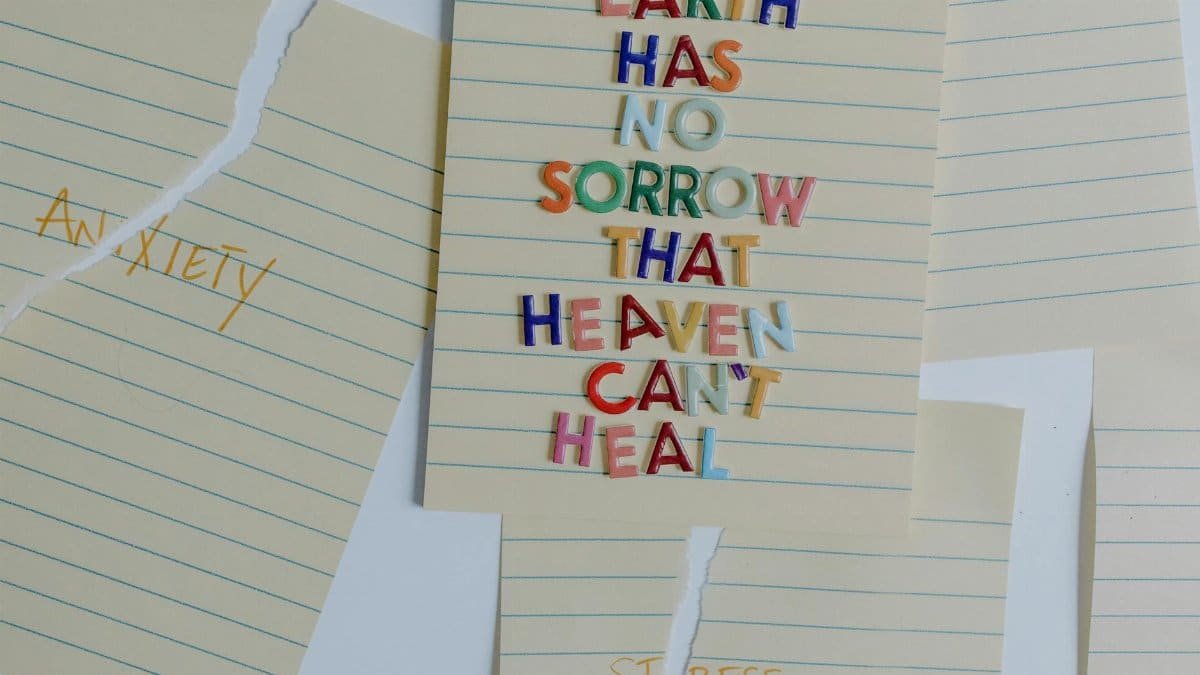
In bustling cities across the United States, from New York to Los Angeles, a quiet movement is gaining traction. People are stepping away from the relentless pace of urban life, seeking spots that foster daily stress, emotional relief, slower living. This isn’t just a fleeting trend; it’s a response to the mounting pressures of work, technology, and constant connectivity. A 2023 survey by the American Psychological Association found that 77% of adults experience stress that impacts their physical health, prompting many to rediscover natural havens for respite. These places offer more than escape; they invite a deliberate slowing down, where the simple act of being present can dissolve the knots of daily tension. As we navigate 2025, with remote work blurring boundaries even further, such sanctuaries are becoming essential for emotional balance. This article explores five such locations that naturally ease the mind and encourage a gentler rhythm of life.
1. Forest Trails Amid Towering Trees
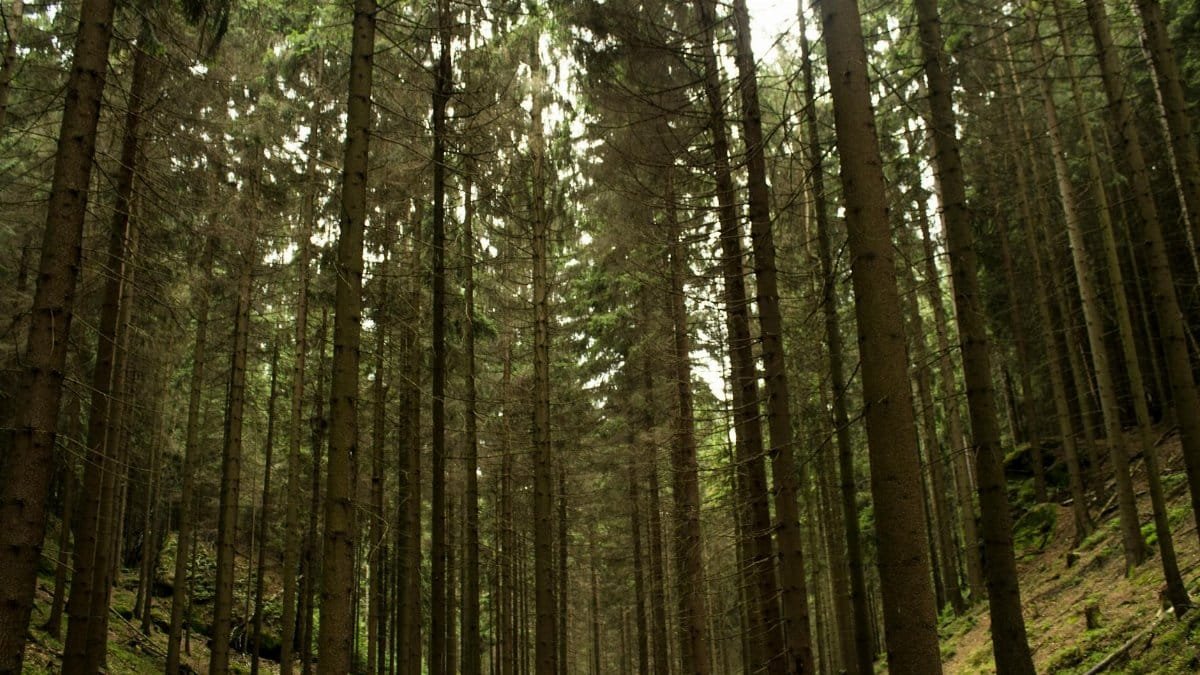
Deep in the woods, the air carries a crisp, earthy scent that immediately signals a shift from the chaos of everyday routines. Imagine wandering along a shaded path in Washington’s Olympic National Forest, where sunlight filters through ancient evergreens, casting dappled patterns on the ground. Here, the concept of daily stress, emotional relief, slower living takes root literally and figuratively. Researchers have long noted how forest bathing, a practice originating in Japan but increasingly popular in the U.S., lowers cortisol levels and boosts mood.
One hiker, sharing anonymously in online forums, described it this way: after a grueling week at a tech firm, the quiet rustle of leaves and distant bird calls melted away her anxiety, leaving her refreshed. It’s not magic; science backs it. A study from the National Institutes of Health highlights how phytoncides released by trees enhance immune function and reduce stress hormones. In 2025, with urban sprawl pushing more Americans toward national parks, these trails serve as accessible antidotes to burnout.
Yet, it’s the unhurried pace that truly transforms. No emails pinging, no deadlines looming. Instead, you focus on the texture of bark under your fingers or the soft give of moss underfoot. This immersion fosters emotional relief by reconnecting us with something primal, reminding us that life doesn’t always demand speed. Of course, not every forest visit is idyllic; rainy days can turn paths muddy, testing resolve. But even that discomfort teaches resilience, a subtle lesson in slower living.
2. Seaside Shores with Endless Horizons
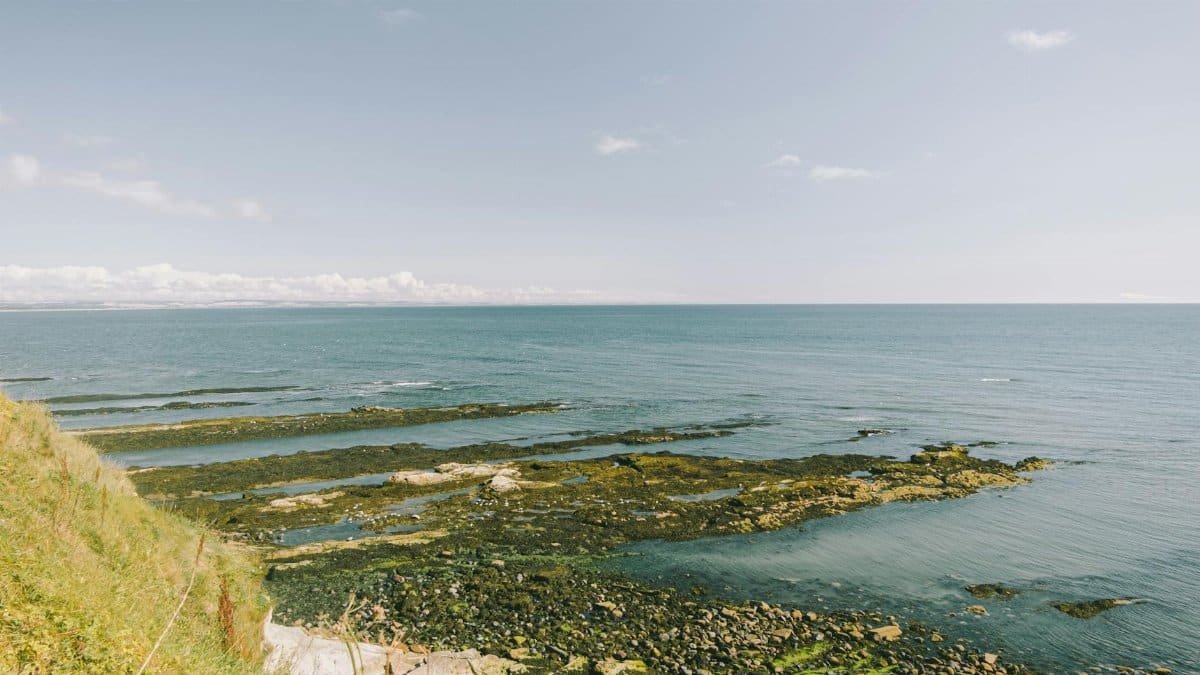
What draws crowds to places like California’s Big Sur coastline isn’t just the dramatic cliffs; it’s the vast ocean that stretches out, inviting contemplation. Waves crash rhythmically, a natural metronome that syncs with your breath, easing the mental clutter of daily demands. For many, this setting embodies daily stress, emotional relief, slower living, where time seems to expand amid the salt spray and gull cries.
Picture a family from the Midwest, escaping Chicago’s hustle for a week at the beach. The parents, initially glued to their phones, gradually unplug as their kids build sandcastles. By day’s end, conversations flow without interruption, laughter replacing tense silences. Such scenes play out nationwide, supported by findings from the Harvard Health Publishing, which links blue spaces like oceans to improved mental well-being through sensory engagement and awe-inspiring views.
The relief comes subtly. Staring at the horizon, worries about tomorrow fade, replaced by the present moment’s expanse. In a year like 2025, when economic uncertainties amplify stress, these shores offer free therapy. Challenges exist, though—crowded weekends can disrupt the peace, or sudden storms might cut short a visit. Still, the ocean’s persistence mirrors our own capacity for endurance, encouraging a slower, more forgiving approach to life’s ebbs and flows.
Experts suggest starting small: a short walk at dawn, when the beach is quietest. This builds a habit of seeking solace in nature’s rhythms, turning occasional visits into a lifestyle of emotional equilibrium.
3. Mountain Peaks Offering Fresh Perspectives
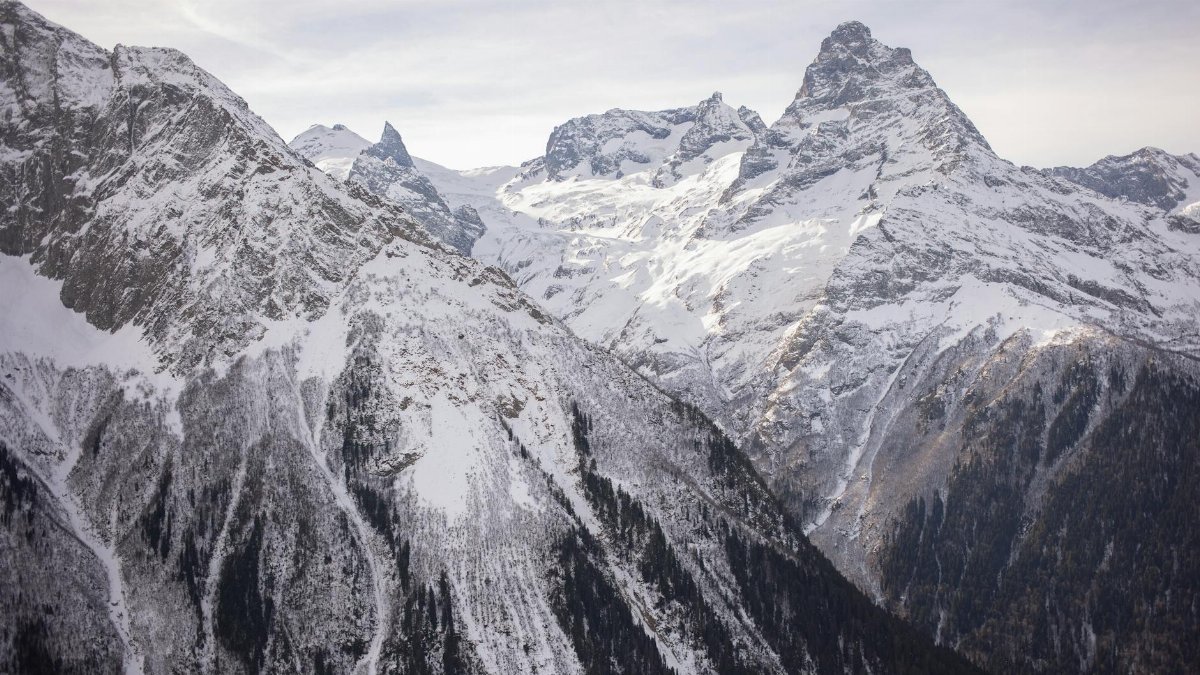
Ascending a trail in Colorado’s Rocky Mountains, the world below shrinks, and so do your troubles. The thin air sharpens focus, while panoramic views remind you of life’s broader canvas. This elevation isn’t just physical; it’s a metaphor for rising above daily stress, emotional relief, slower living in action.
Consider the story of a veteran teacher from Denver, overwhelmed by classroom chaos. On a solo hike to a summit, she paused at the top, wind whipping her hair, and felt a profound unburdening. “It was like the mountain absorbed my exhaustion,” she later reflected in a shared account. Data from the American Psychological Association supports this, showing that high-altitude environments promote mindfulness and reduce anxiety through physical exertion and isolation from digital noise.
Yet, mountains demand respect. Steep inclines challenge the body, and weather can turn treacherous. These elements force a deliberate pace, aligning perfectly with slower living principles. In 2025, as more people embrace outdoor recreation amid post-pandemic health awareness, peaks like these are hotspots for rejuvenation. The key is preparation: proper gear and realistic goals ensure the experience builds confidence rather than adding stress.
Beyond the climb, lingering at viewpoints allows thoughts to settle. It’s here that emotional relief blooms, as the scale of the landscape dwarfs personal woes, fostering gratitude and calm.
4. Quiet Gardens in Urban Oases
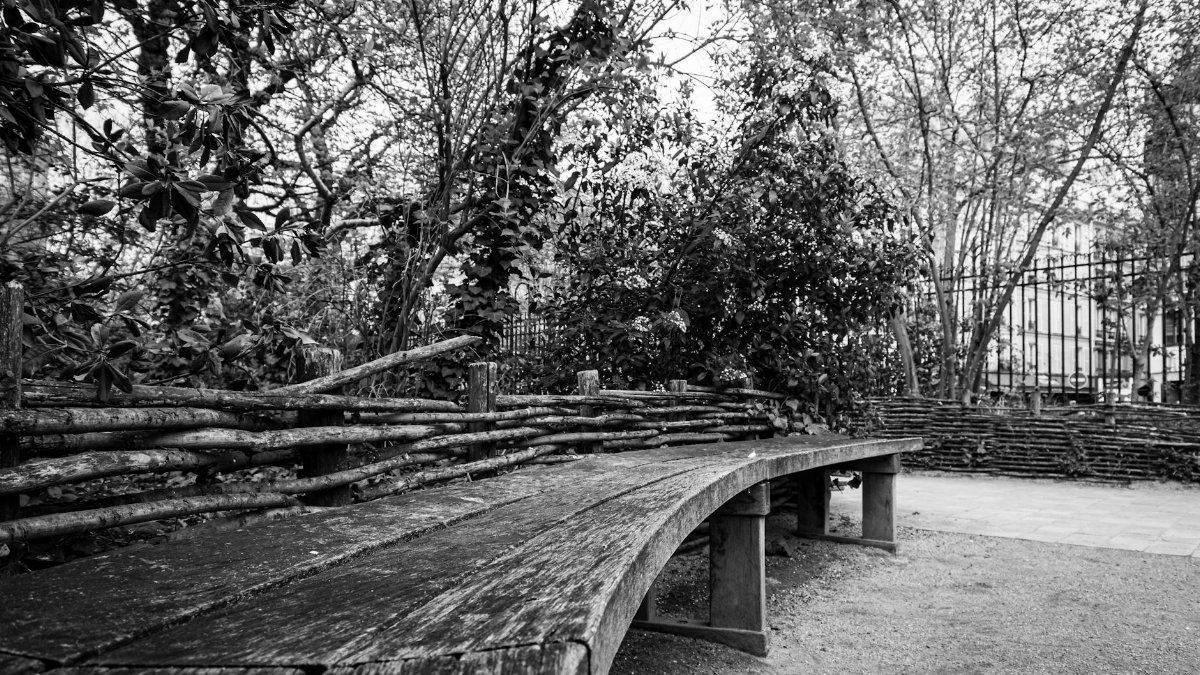
Tucked away in city parks or community plots, gardens provide a grounded escape. In New York’s Central Park or smaller neighborhood patches in Seattle, tending to plants or simply sitting among blooms cultivates patience and presence. This hands-on connection to growth exemplifies daily stress, emotional relief, slower living, turning soil into a canvas for mindfulness.
One urban dweller recounted planting tomatoes during a career transition: the slow sprout of seedlings mirrored her own gradual healing from burnout. “Watching them thrive reminded me progress isn’t rushed,” she noted anonymously online. Research from the Centers for Disease Control and Prevention underscores gardening’s benefits, linking it to lower stress and improved mood via gentle activity and nature exposure.
Gardens aren’t without hurdles—pests or poor weather can frustrate efforts. But these setbacks teach adaptability, a core of slower living. In 2025, with rising interest in sustainable living, urban gardens are booming, offering communal spaces where strangers bond over shared harvests. Starting your own, even on a balcony, invites daily rituals that soothe the soul.
The sensory details enrich it: the feel of damp earth, the scent of herbs, the quiet buzz of bees. Together, they weave a tapestry of relief, proving that tranquility can flourish amid concrete.
5. Serene Libraries Filled with Whispered Pages

Step into a library like Boston’s public branch, and the hush envelops you, a balm against the world’s noise. Rows of books promise worlds to explore at your own tempo, embodying daily stress, emotional relief, slower living through intellectual immersion without pressure.
A young professional from Atlanta found solace there after long office hours. Flipping through novels, she lost track of time, emerging with a lighter heart. “It was my weekly reset,” she shared in a public reflection. Studies, such as those from the National Library of Medicine, affirm reading’s role in reducing stress by lowering heart rates and easing muscle tension.
Libraries evolve too; in 2025, many incorporate cozy nooks and digital-free zones to enhance this effect. Distractions like noisy patrons can intrude, but the overall atmosphere promotes focus and calm. It’s a democratic space—free and open—making emotional relief accessible to all.
Delve into a story, and worries recede. This simple act fosters slower living, reminding us that knowledge and peace often arrive quietly, one page at a time. As cities grow denser, these havens remain vital anchors for mental respite.