

In a nation where burnout has become a badge of honor, consider this eye-opener: according to a 2023 survey by the American Psychological Association, nearly 77% of adults report that stress impacts their physical health, yet only a fraction actively seek natural remedies. This statistic underscores a growing disconnect in our high-speed lives. As we navigate 2025, with remote work blurring boundaries and digital notifications incessant, the pursuit of daily stress, emotional relief, slower living feels more essential than ever. It’s not just about escaping the grind; it’s about rediscovering spaces that foster genuine calm without the need for apps or gadgets. These havens remind us that relief often lies in simplicity, where the rhythm of nature overrides the chaos of daily demands. From quiet woodlands to serene shorelines, certain places inherently dial down the tension, inviting a slower pace that heals the mind and spirit.
1. Forest Trails Amid Towering Trees
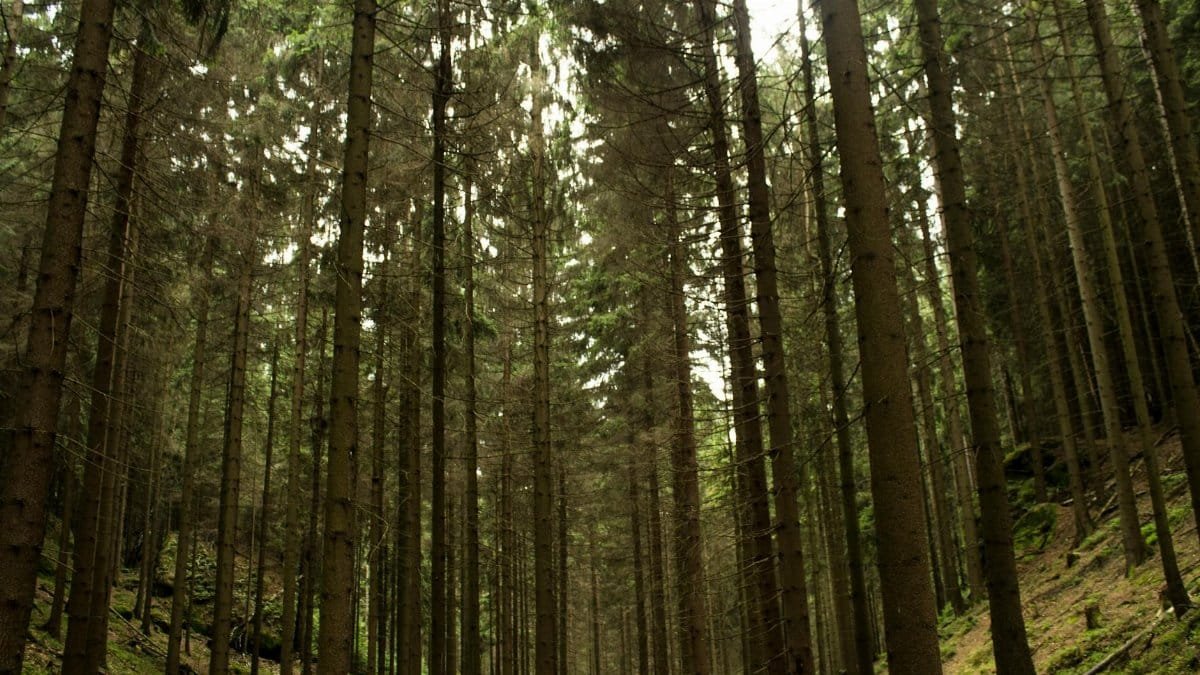
Step into the hush of an old-growth forest, and the world transforms. Leaves rustle softly overhead, sunlight filters through in golden shafts, and the air carries the earthy scent of moss and pine. For many Americans grappling with daily stress, these wooded paths offer an unspoken invitation to unwind. Research from the National Institutes of Health highlights how forest bathing, a practice originating in Japan but gaining traction here, can lower cortisol levels and boost mood. In one study, participants who spent time in wooded areas reported reduced anxiety after just 20 minutes.
Imagine a middle-aged accountant from Chicago, weary from endless spreadsheets and virtual meetings. She laces up her hiking boots and heads to Michigan’s Upper Peninsula, where the trails wind through hemlock groves. “It was like the forest absorbed my worries,” she later shared in an anonymous online reflection, describing how the steady crunch of footsteps replaced her racing thoughts. This isn’t mere escapism; it’s a biological reset. The phytoncides released by trees act as natural stress relievers, promoting emotional relief through slower living. As urban sprawl continues in 2025, preserving these green sanctuaries becomes crucial. Organizations like the U.S. Forest Service manage vast tracts, ensuring access for those seeking solace.
Yet, not every visit is idyllic. Crowded weekends can disrupt the peace, turning a tranquil hike into a social shuffle. Still, early mornings or off-season treks reveal the forest’s true magic, where solitude amplifies the healing. It’s a reminder that slower living demands intention, carving out time amid packed schedules.
2. Seaside Shores with Endless Horizons
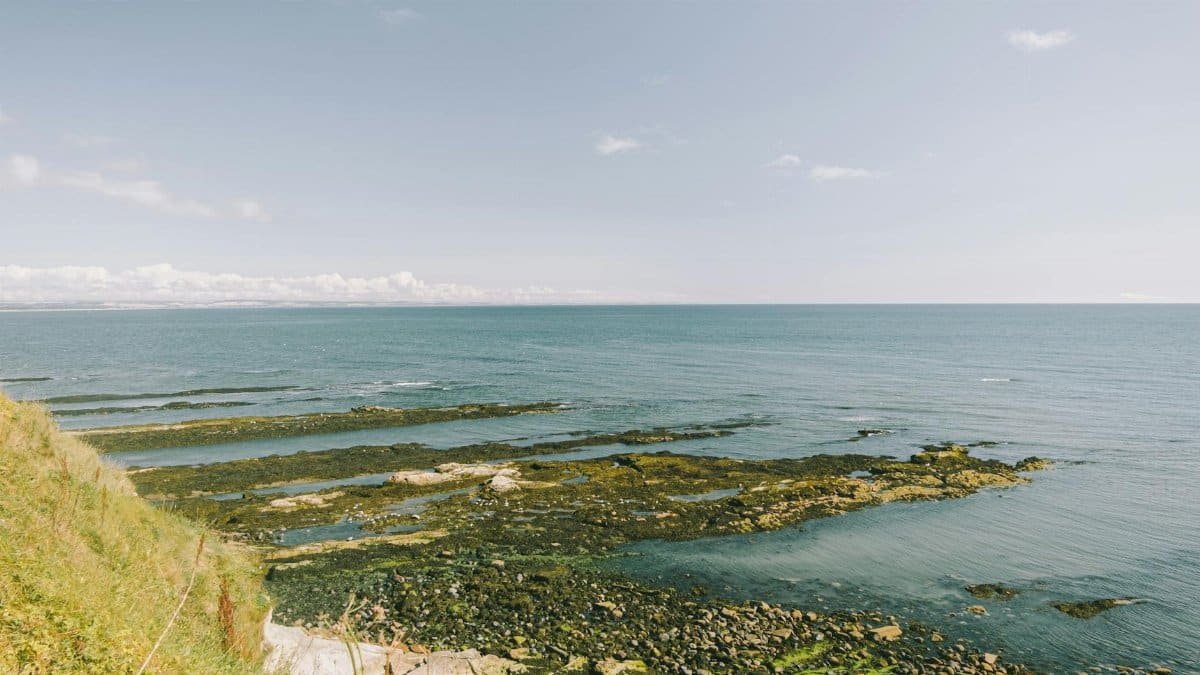
What draws crowds to the coast isn’t just the waves; it’s the vastness that swallows petty concerns. Along California’s rugged Big Sur or Florida’s gentle Gulf beaches, the ocean’s steady roar provides a soundtrack for letting go. A report from the Centers for Disease Control and Prevention notes that proximity to water correlates with lower stress markers, attributing it to the negative ions in sea air that enhance serotonin production.
Picture a retired teacher from Texas, burdened by years of classroom chaos and now family obligations. She drives to the Outer Banks, where dunes meet the Atlantic. Sitting on the sand, she watches gulls wheel overhead, the tide erasing footprints like forgotten deadlines. This scene echoes countless stories of emotional relief found in coastal rhythms. One public account described it as “the sea washing away layers of tension I’d carried for months,” capturing a common sentiment in shared experiences. In an era of constant connectivity, these shores enforce a digital detox, encouraging slower living through unhurried walks and horizon gazing.
The allure persists despite challenges like erosion from climate change, which threatens these natural buffers. Efforts by groups such as the The Nature Conservancy aim to protect them, ensuring future generations can tap into this innate calm. It’s about more than vacation vibes; it’s reclaiming mental space in a world that rarely pauses.
Transitions to such places aren’t always seamless. For some, the journey itself adds stress, but once arrived, the payoff is profound, reshaping how we view daily pressures.
3. Mountain Peaks Offering Elevated Perspectives
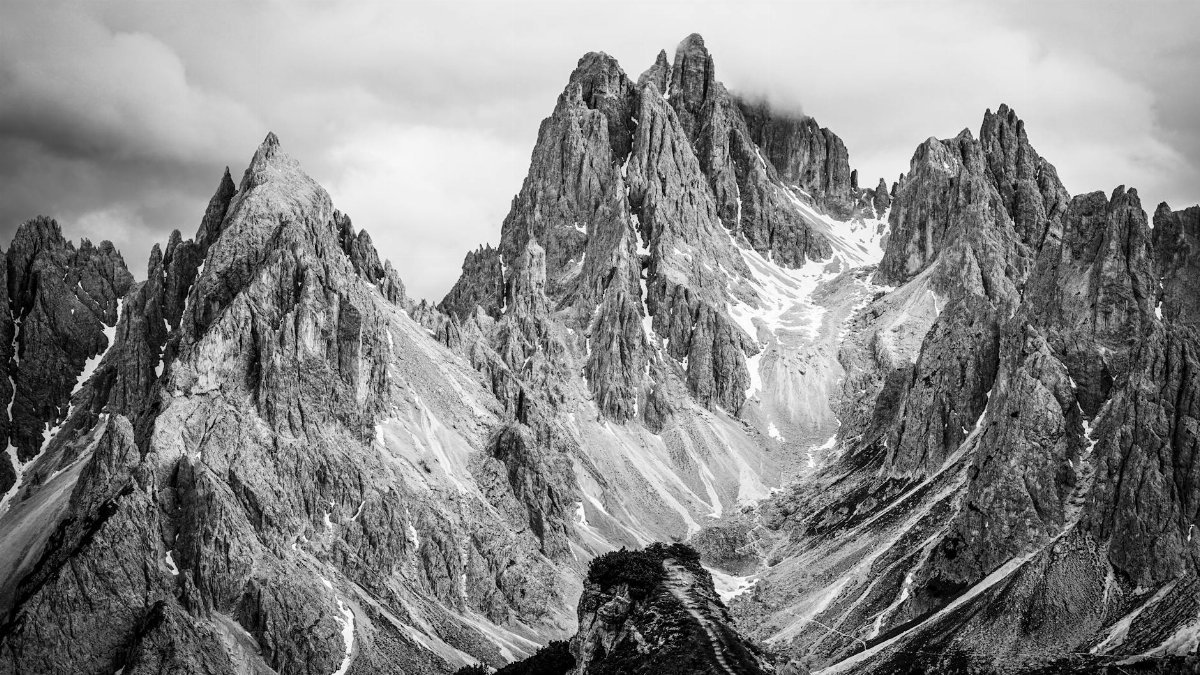
Ascend a trail in the Rockies or Appalachians, and elevation brings clarity. The crisp air, panoramic views, and physical exertion combine to dispel mental fog. Studies from the National Institutes of Health link high-altitude environments to improved cognitive function and reduced symptoms of depression, thanks to the endorphin rush from hiking and the awe inspired by vast landscapes.
Consider a software engineer from Seattle, overwhelmed by code bugs and looming deadlines. He ventures to Colorado’s Rocky Mountain National Park, summiting a modest peak at dawn. As mist clears to reveal jagged horizons, he feels a shift: “Up there, my problems seemed smaller,” he might say, echoing the transformative power of altitude. This mirrors broader trends in 2025, where more Americans turn to mountains for daily stress relief, seeking emotional solace in the climb.
But mountains demand respect. Weather can turn swiftly, and unprepared visitors risk more than blisters. Yet, this element of challenge enhances the reward, teaching resilience through slower, deliberate steps. It’s a metaphor for life: progress comes not in rushes, but in steady ascents. Conservation initiatives, backed by data from environmental reports, underscore the need to maintain these elevations as refuges from urban haste.
In weaving these experiences, one senses a deeper narrative: mountains don’t just reduce stress; they reframe it, turning obstacles into opportunities for growth.
4. Riverside Banks with Gentle Flows
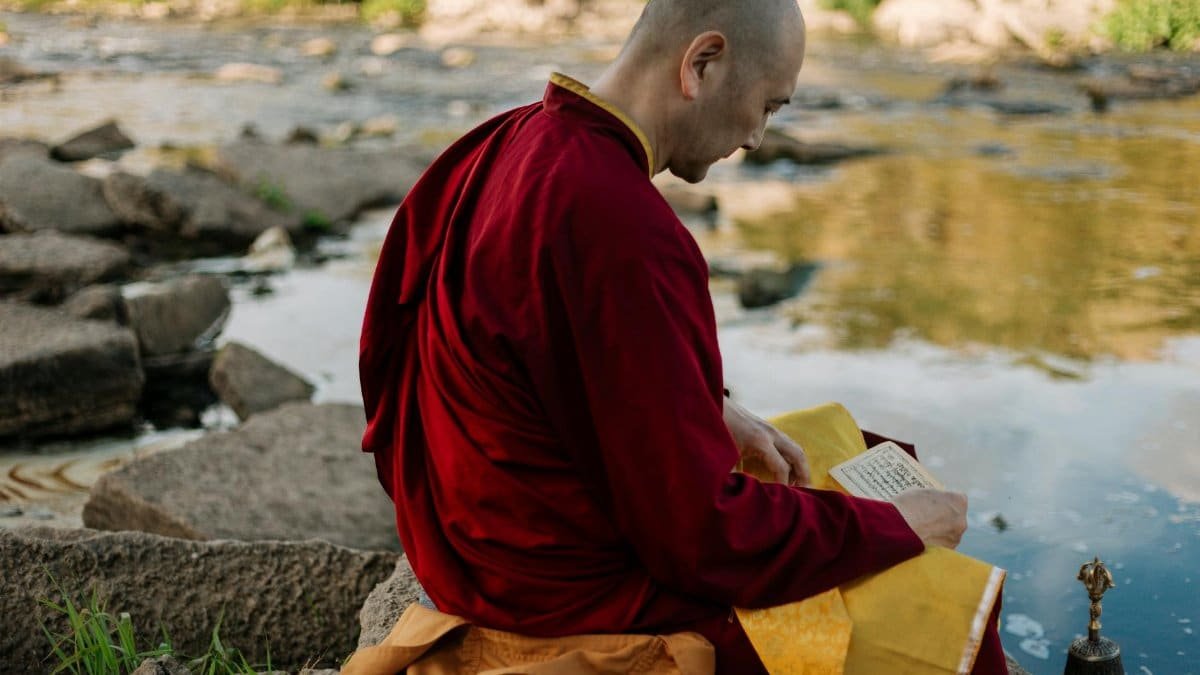
Along the banks of the Mississippi or smaller streams in New England, water’s murmur soothes frayed nerves. These riparian zones, with their willows dipping into currents, foster a sense of flow that mirrors inner peace. A Pew Research Center analysis on wellness trends reveals that 62% of respondents in 2024 found water-based activities effective for stress management, a figure likely rising in 2025 as awareness grows.
Envision a nurse from Atlanta, drained from long shifts and emotional tolls. She finds respite by a Georgia river, skipping stones and listening to the water’s babble. “It was as if the current carried my exhaustion downstream,” she reflected, a sentiment that resonates in many quiet escapes. Such spots promote slower living by encouraging mindfulness—watching leaves drift or fish surface—without structured meditation.
Challenges arise with pollution or development encroaching on these areas, diminishing their purity. Advocacy from riverkeeper organizations fights back, preserving these natural therapists. The emotional relief here is subtle, building over repeated visits, much like a gentle erosion shaping stone.
This isn’t about grand adventures; it’s the everyday accessibility that makes rivers potent allies against daily stress, inviting us to linger and breathe.
5. Botanical Gardens Blooming with Tranquility
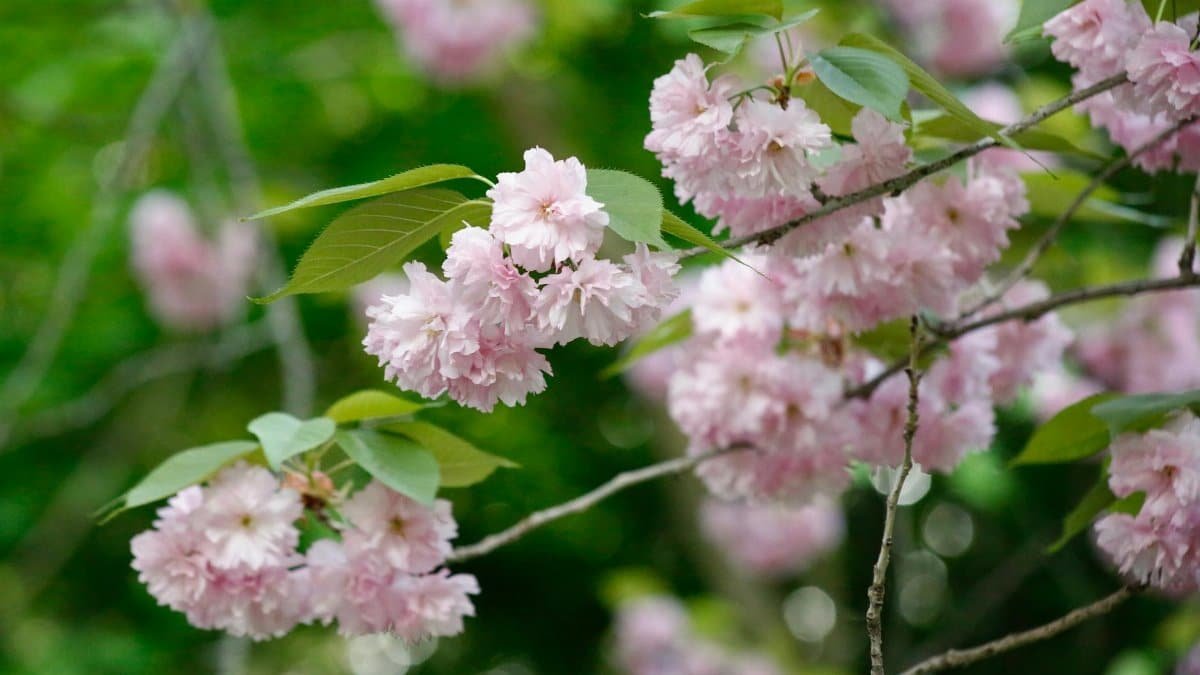
Amid curated blooms and shaded paths, botanical gardens serve as urban oases. Places like New York’s Brooklyn Botanic Garden or Missouri’s in St. Louis offer structured nature that calms without wilderness demands. Findings from Harvard’s T.H. Chan School of Public Health indicate that exposure to diverse plant life can decrease blood pressure and enhance emotional well-being, providing a buffer against modern life’s pace.
Think of a marketing executive from Boston, juggling campaigns and client calls. She wanders into a local conservatory, surrounded by orchids and ferns. The humid air and vibrant colors ease her mind, prompting a rare moment of stillness. “In that greenhouse, time slowed, and so did my heartbeat,” captures the essence of such visits, aligning with tales of rediscovered calm.
Yet, accessibility varies; not every city boasts such gardens, and entrance fees can deter. Still, community efforts expand free public spaces, democratizing slower living. These gardens illustrate how intentional design amplifies nature’s gifts, turning a simple stroll into profound relief.
As we reflect on these places, they collectively point to a truth: reducing daily stress often requires stepping out, embracing environments that naturally foster emotional relief and a slower rhythm. In 2025, with societal pressures mounting, these sanctuaries stand as vital reminders of balance.