

In a world that often feels like it’s spinning too fast, many Americans are turning to unexpected havens for relief. A recent study from the American Psychological Association found that 62 percent of adults report high levels of stress, up from 50 percent just a few years ago, with many seeking ways to regain emotional clarity, mental space, and restoration. This surge highlights a growing recognition that stepping away from daily chaos isn’t a luxury; it’s essential. From bustling cities to quiet corners, certain places stand out for their ability to quiet the mind and foster inner peace. These spots aren’t just escapes; they offer practical paths to mental renewal. As we navigate 2025’s demands, understanding where to find this solace can make all the difference.
1. National Parks: Nature’s Quiet Embrace
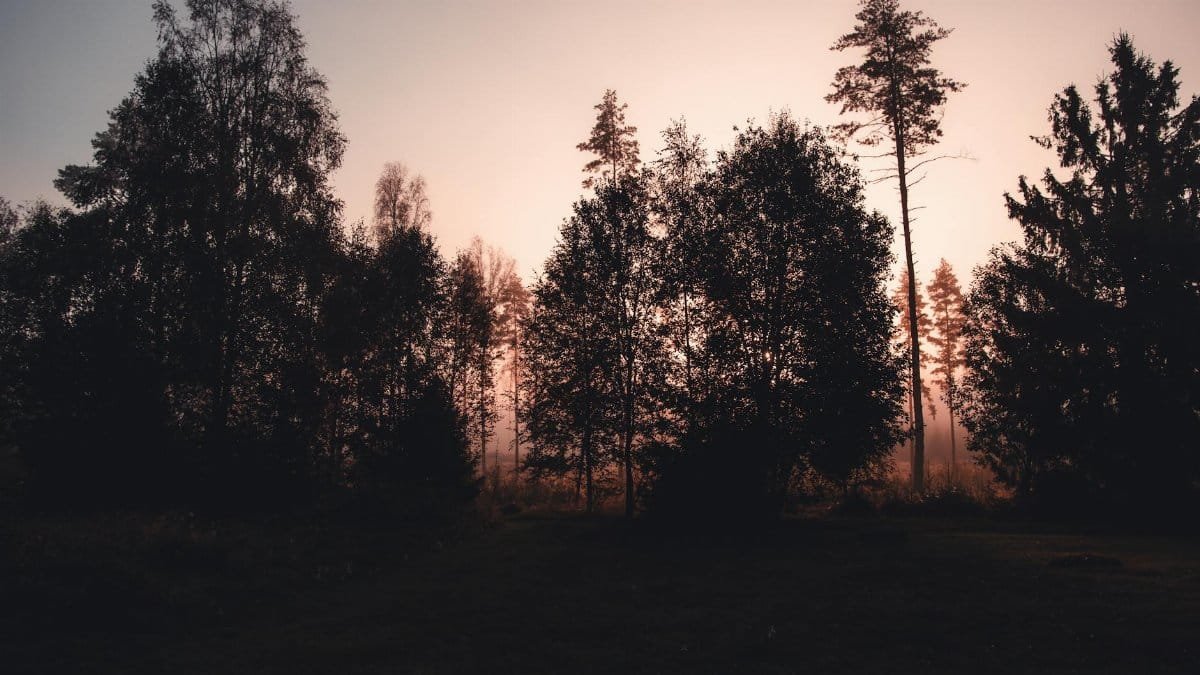
Deep in the heart of Yosemite National Park, visitors often describe a profound shift. One hiker, pausing at the base of El Capitan, might feel the weight of urban worries dissolve amid the granite cliffs and whispering pines. This isn’t mere escapism; it’s a deliberate reconnection with the natural world. Research supports this: a study published in the journal Frontiers in Psychology shows that time in green spaces reduces cortisol levels, promoting emotional clarity. For middle-aged Americans juggling careers and family, these parks provide mental space without the need for elaborate plans. Picture a family from Chicago driving into the park’s vastness; the father later shares how the silence allowed him to process long-buried grief. Yet, it’s not always serene. Crowds can intrude, reminding us that restoration requires intention. Still, the raw beauty invites reflection, turning a simple walk into a restorative ritual.
Transitioning from awe to action, many find journaling by a stream enhances the experience. It’s about letting thoughts flow freely, unhindered by notifications. In 2025, with remote work blurring boundaries, such outings become vital resets. An anonymous account from an online discussion captured this: someone described feeling “finally untangled” after a solo trek, their mind clearing like fog lifting from a valley. This echoes broader trends, where national parks see record visits, as per data from the National Park Service. The key lies in presence, not perfection. These places don’t erase problems; they create room to face them with renewed vigor.
2. Coastal Beaches: Waves of Renewal

What draws people to the shore? It’s the rhythmic crash of waves, a sound that seems to wash away mental clutter. Along California’s Big Sur coastline, for instance, the Pacific Ocean offers a canvas for introspection. Here, emotional clarity emerges not through silence, but through the steady pulse of nature. A report from the National Institutes of Health links proximity to blue spaces with improved mood and reduced anxiety, underscoring beaches’ role in mental restoration. Middle-aged readers might recall childhood trips, now revisited as adults seeking space from midlife pressures.
Consider a woman from New York, standing barefoot on the sand at dawn. The salt air stings her cheeks, and for the first time in months, she breathes deeply, untangling knots of worry about her aging parents. This scene illustrates how beaches facilitate mental space; the horizon’s vastness mirrors inner expanses waiting to be explored. But challenges exist too, like unpredictable weather or erosion concerns in 2025’s changing climate. Despite this, the act of watching tides ebb and flow teaches impermanence, fostering resilience. Integrating mindfulness, some practice walking meditations, their steps syncing with the surf. It’s a reminder that restoration often hides in familiar rhythms, accessible to anyone willing to pause.
Shifting gears, beaches also spark creativity. Writers and artists flock here, finding inspiration in the interplay of light and water. One such story involves a retiree rediscovering painting after years away; the beach’s calm restored his focus, leading to a small exhibit. This ties into broader patterns, where coastal areas report higher well-being scores, as noted in surveys by Pew Research Center.
3. Urban Libraries: Sanctuaries of Stillness
Amid the hum of city life, libraries emerge as unlikely oases. Take the New York Public Library’s grand reading room, where the air carries the faint scent of aged paper and quiet ambition. Here, emotional clarity, mental space, and restoration unfold in the simple act of turning pages. Far from digital distractions, these spaces encourage deep focus, backed by findings from the American Psychological Association on how reading reduces stress. For those in midlife, juggling deadlines and dependents, a library visit can feel like reclaiming lost time.
Dive into a scenario: a marketing executive slips in during lunch, sinking into an armchair with a novel. The outside world’s chaos fades, replaced by narrative worlds that mirror his own struggles, offering fresh perspectives. This isn’t passive; it’s active restoration, where mental space allows ideas to percolate. Yet, modern libraries face noise from communal areas, a tension between tradition and accessibility. In 2025, with hybrid work norms, these hubs adapt, hosting quiet zones that cater to seekers of clarity. An overheard conversation might reveal someone’s breakthrough: “I came for research, but left with peace.” Such moments highlight libraries’ enduring appeal, blending solitude with subtle community.
Expanding outward, programs like book clubs add social layers, gently easing isolation without overwhelming. It’s a balanced approach, where restoration builds gradually, page by page.
4. Home Sanctuaries: Personal Retreats

Why venture far when restoration waits at home? Creating a dedicated corner—a sunlit nook with plants and a comfortable chair—transforms everyday spaces into havens for emotional clarity. This DIY approach resonates in 2025, as remote living prompts reevaluation of personal environments. A study from Harvard’s Health Publishing emphasizes how personalized spaces enhance mental health, providing mental space amid routines.
Start with intention: one couple in Seattle redesigned their spare room, adding soft lighting and ambient sounds. Mornings there became rituals of journaling, unraveling emotional tangles from the previous day. But it’s not without hurdles; distractions like family interruptions test boundaries. Overcoming them fosters discipline, turning the space into a true anchor. Reflect on this: in online shares, someone noted how their home altar “brought back a sense of control,” echoing widespread sentiments of empowerment. These sanctuaries democratize restoration, making it accessible without travel.
Layer in variety—perhaps incorporating aromatherapy or music—to keep the experience fresh. It’s about evolving with needs, ensuring long-term benefits.
5. Wellness Retreats: Guided Paths to Inner Peace

For those craving structure, wellness retreats offer immersive escapes. Places like Colorado’s Rocky Mountain spas combine yoga, meditation, and nature immersion, guiding participants toward emotional clarity, mental space, and restoration. Evidence from the Centers for Disease Control and Prevention points to retreats’ efficacy in lowering burnout rates, especially among professionals.
Imagine arriving at dawn, the mountain air crisp as facilitators lead breathwork sessions. A participant from Texas, overwhelmed by corporate life, finds tears flowing during a group share, releasing pent-up stress. This vulnerability, supported by the group, accelerates healing. However, costs and time commitments pose barriers, a reminder that not all paths are equal. In 2025, virtual options bridge gaps, blending convenience with depth. Stories abound: one retreat-goer described emerging “reborn,” their mental fog lifted. These experiences underscore retreats’ power, weaving expert guidance with personal discovery.
To sustain gains, follow-up practices matter. It’s not a quick fix but a foundation, encouraging ongoing pursuit of clarity in daily life.