

Something unexpected emerged from a 2023 survey by the American Psychological Association. It showed that 62% of adults reported feeling more overwhelmed by daily stressors than ever before, with many craving simple ways to regain focus. This spike, up from previous years, highlights a growing need for emotional clarity, mental space, restoration in our hectic lives. Amid constant notifications and packed schedules, people are turning to specific environments that foster this renewal. These places aren’t just escapes; they act as anchors, helping individuals process emotions and reclaim inner calm. As we navigate 2025’s uncertainties, understanding where to find such restoration becomes essential. Whether through solitude or subtle immersion, these spots offer a path to clearer thinking and emotional balance.
1. National Parks: Nature’s Vast Canvas for Reflection
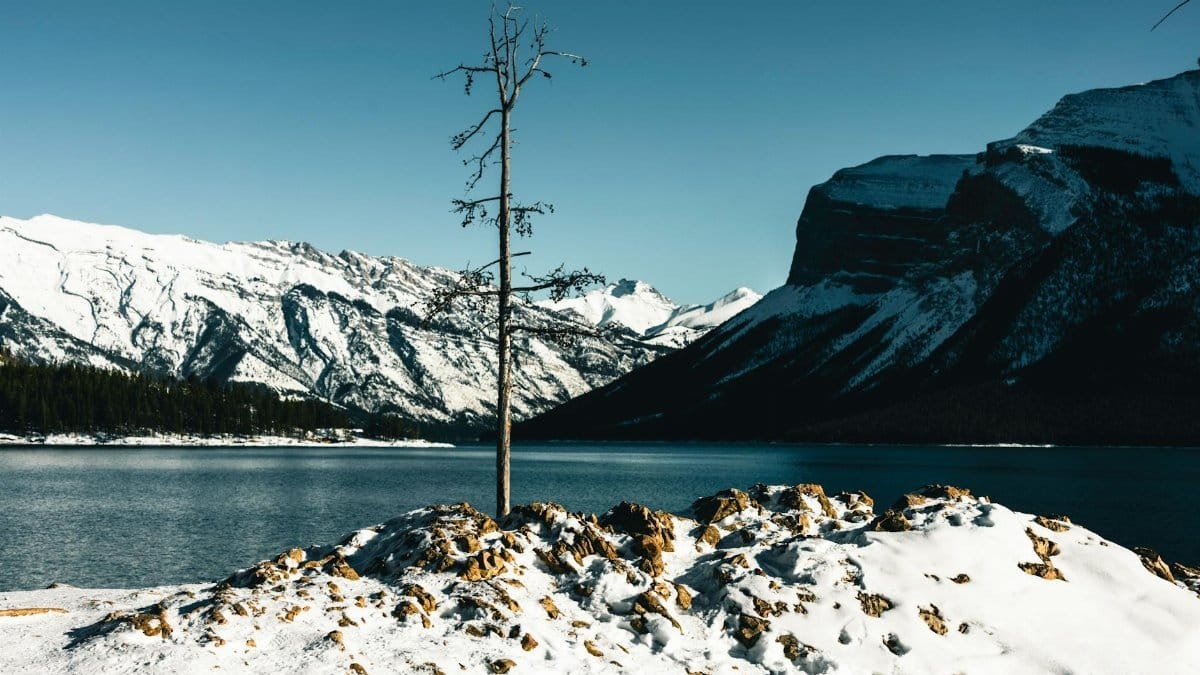
Step into the expanse of a national park, and the world shrinks to essentials. Towering trees in Yosemite or the rugged trails of the Grand Canyon pull visitors away from urban clamor. Here, emotional clarity often arrives unbidden, as the sheer scale of nature dwarfs personal worries. One hiker, sharing anonymously in online discussions, described standing at a canyon rim: “It was like my mind finally exhaled, all the tangled thoughts unraveling in the wind.” This isn’t mere escapism. Research supports it. A study from the University of Utah found that time in natural settings reduces rumination and boosts cognitive function.University of Utah Study on Nature and Mental Health.
Yet, it’s not always serene. Crowds can intrude, turning a peaceful hike into a jostle. Still, early mornings or off-season visits carve out that needed mental space. Families report stronger bonds after such trips, with parents noting how restoration lingers, easing back-to-work transitions. In 2025, with park attendance rising, these sites remain vital for emotional reset.
Consider the sensory pull: crisp air filling lungs, leaves crunching underfoot. It invites a slower pace, where restoration builds gradually. Experts suggest journaling amid the scenery to deepen clarity, turning observations into insights.
2. Quiet Libraries: Sanctuaries of Silent Focus

“I go there to hear my own thoughts,” one middle-aged reader confided about her local library branch. These hushed halls, lined with books and soft lighting, provide a rare commodity: uninterrupted quiet. In bustling cities like Chicago or New York, libraries serve as oases for emotional clarity, mental space, restoration. Patrons sink into armchairs, flipping through pages or simply staring out windows, letting minds wander without agenda.
The appeal lies in structure without pressure. No deadlines loom; it’s a space to process life’s noise. A Pew Research Center report underscores this, revealing that 78% of Americans view libraries as community hubs for learning and reflection.Pew Research on Libraries and Community. But challenges exist, like limited hours or digital distractions from nearby laptops.
Amid shelves of history and fiction, stories unfold in visitors’ minds too. A brief anecdote: during a rainy afternoon in a Boston library, a man pieced together fragments of a career dilemma, emerging with renewed purpose. Such moments highlight how libraries foster restoration through anonymity and access.
Varying routines help. Some alternate between reading nooks and outdoor patios, blending solitude with subtle activity. As digital fatigue grows in 2025, these analog retreats gain relevance.
3. Coastal Beaches: Rhythms of Waves and Renewal

The ocean’s edge has a way of washing away mental clutter. Along California’s shores or Florida’s sands, the steady crash of waves creates a natural metronome for introspection. People walk barefoot, feeling the pull of tides mirror their inner ebbs and flows. This setting nurtures emotional clarity by syncing body and mind with elemental forces.
It’s not always idyllic; storms can disrupt, or crowds overwhelm. Yet, off-peak hours reveal the beach’s true power for mental space. A National Institutes of Health-backed review links coastal environments to lower stress hormones.NIH Review on Blue Spaces and Health. One anonymous online account captured it: “Sitting by the sea, I sorted through grief I’d buried for years, wave by wave.”
Activities enhance the effect. Shell collecting or simple breathing exercises turn passive visits into active restoration. Families build sandcastles, but solo travelers often find the deepest clarity, emerging with decisions crystallized.
In 2025, with climate concerns rising, beaches also prompt broader reflections on sustainability, tying personal renewal to planetary care. The horizon stretches, inviting expansive thinking.
4. Meditation Retreats: Guided Paths to Inner Stillness

What draws someone to a meditation retreat? Often, it’s the promise of structured quiet amid life’s chaos. Centers like those in upstate New York or California’s Big Sur offer programs focused on mindfulness, where participants unplug and delve inward. Emotional clarity emerges through guided sessions, revealing patterns in thought and feeling.
These aren’t quick fixes. Beginners might fidget through silence, confronting discomfort head-on. A study from Harvard Medical School demonstrates meditation’s role in enhancing emotional regulation.Harvard on Meditation and Emotional Health. Yet, the communal aspect softens edges; shared meals foster connections without overwhelming interaction.
Picture a dawn session: soft chants, focused breaths, minds clearing like fog lifting. One participant’s story illustrates: after days of practice, she unpacked long-held resentments, finding restoration in release. Such narratives show retreats as catalysts for lasting mental space.
Accessibility varies; some offer virtual options now. In 2025, hybrid models blend in-person depth with online convenience, broadening reach for emotional restoration.
5. Urban Gardens: Green Pockets in Cityscapes

Amid concrete jungles, community gardens bloom as unexpected havens. In places like Detroit or Seattle, these plots of soil and greenery invite tending and tranquility. Digging hands into earth grounds the senses, fostering emotional clarity, mental space, restoration amid urban rush.
Challenges include limited space or seasonal constraints, but the rewards persist. Volunteers report reduced anxiety, backed by CDC findings on gardening’s mental health benefits.CDC on Green Spaces and Health. An overheard snippet in a Brooklyn garden: “Planting seeds here plants peace in me,” a gardener said, smiling at sprouting greens.
The cycle of growth mirrors personal journeys. Weeding out invasives parallels clearing mental weeds, leading to clearer perspectives. Groups collaborate, sharing harvests and stories, yet solitude is always an option.
As cities densify in 2025, these gardens stand as resilient spots for renewal, blending community with introspection. They remind us that restoration can thrive even in unlikely soil.