
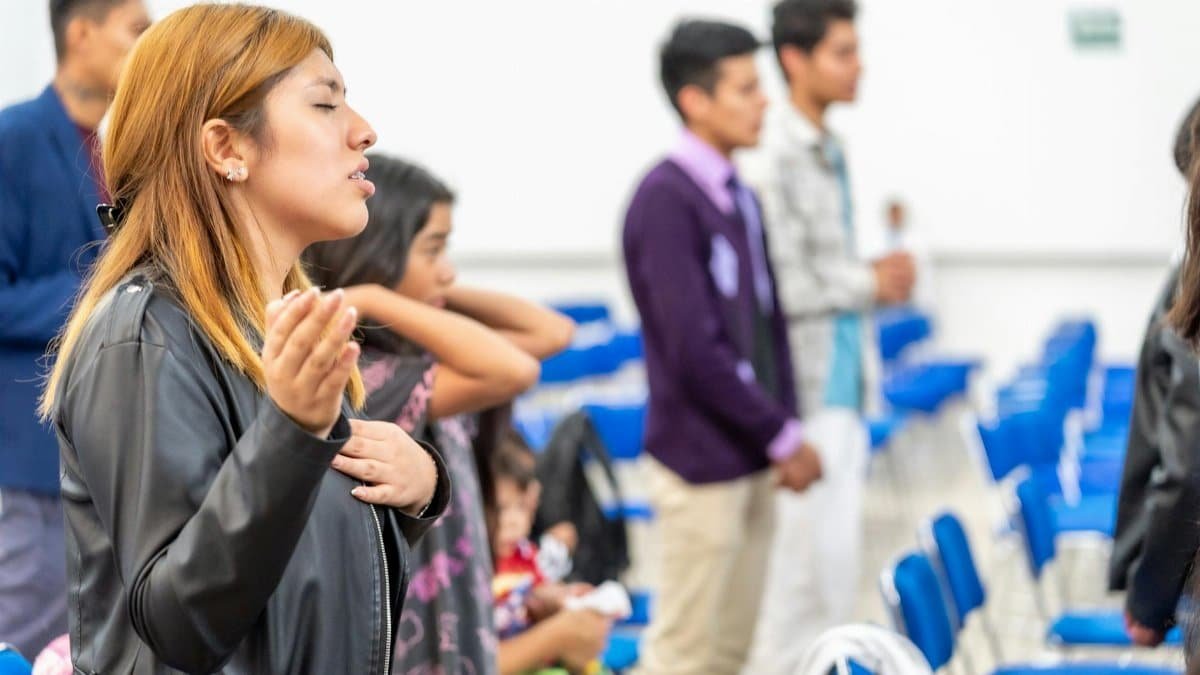
In bustling cities across the United States, from New York to Los Angeles, a quiet transformation is underway. More Americans are stepping back from the relentless chase of career ladders and financial milestones, choosing instead to redefine success through values-based living and meaning. This shift isn’t just a fleeting trend; it’s a response to burnout and disconnection in a post-pandemic world. Walk down streets in Seattle or Austin, and you’ll overhear conversations about prioritizing family time over overtime, or community involvement over corporate promotions. A Pew Research Center study highlights this, showing that 45% of adults now value work-life balance more than salary advancements, up from 32% a decade ago. As people recalibrate what truly matters, they’re gravitating toward spaces that nurture this newfound clarity, places where wellbeing eclipses ambition.
1. Coastal Retreats for Reflection

Along the rugged shores of Maine or the sun-kissed beaches of California, many find solace after redefining their paths. These coastal havens offer more than scenic views; they provide a canvas for introspection. Imagine a former tech executive from Silicon Valley, who traded boardroom stress for mornings watching waves crash against the rocks. She described it as finally breathing freely, aligning her days with personal values like creativity and connection rather than quarterly reports.
This preference stems from a broader cultural reevaluation. In 2025, with remote work normalizing hybrid lifestyles, coastal areas see influxes of professionals seeking meaning beyond metrics. A report from the Brookings Institution notes how such migrations boost local economies while fostering communities centered on sustainability and mindfulness. Yet, it’s not without tensions. Rising property costs can displace longtime residents, creating a paradox where the pursuit of personal peace disrupts others’ stability.
Still, the appeal endures. Short walks on the sand turn into rituals of gratitude, where one might jot down thoughts on what success now means: perhaps nurturing relationships or pursuing hobbies long neglected. Online discussions often reveal similar stories, with one anonymous account sharing how beachside living helped shift from material gains to emotional fulfillment, describing it as “waking up to the rhythm of the ocean instead of alarms.”
These retreats encourage values-based living by stripping away distractions. People experiment with simpler routines, like volunteering at local conservation efforts, blending purpose with place. The result? A deeper sense of meaning, where success is measured in moments of serenity rather than achievements.
2. Mountain Escapes for Adventure and Grounding
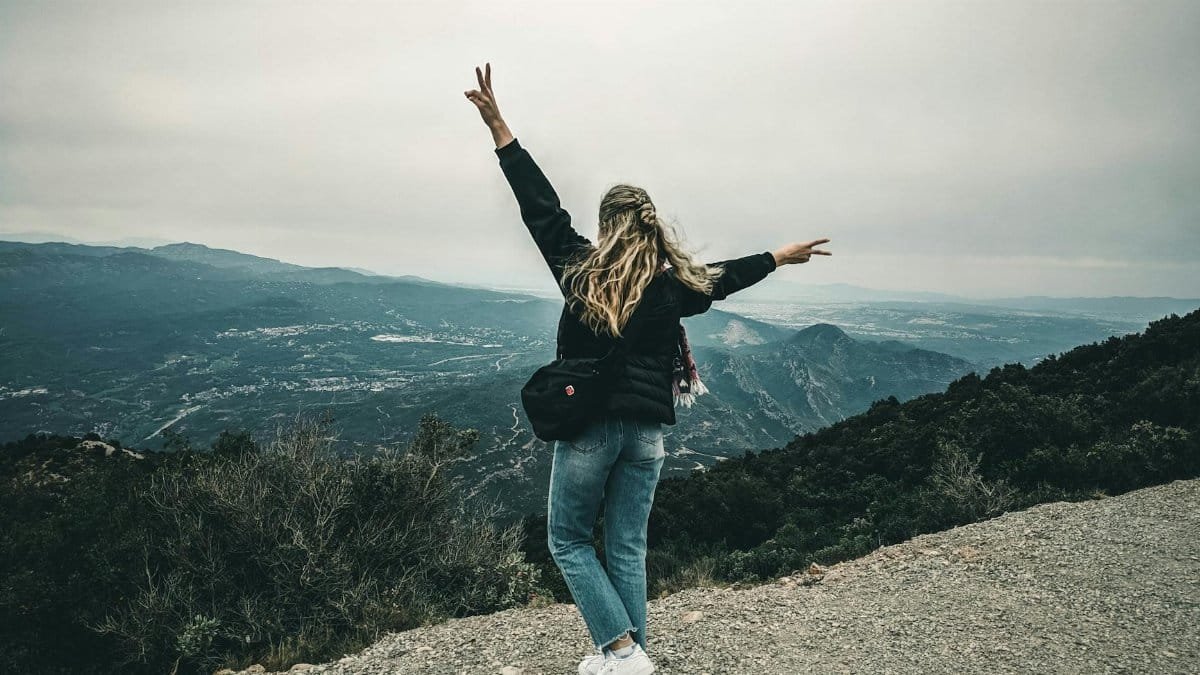
What draws someone to the peaks of Colorado or the Appalachians after rethinking life’s priorities? It’s the raw challenge and humility these landscapes impose. A marketing director from Chicago, weary of endless campaigns, relocated to Aspen not for luxury, but for the trails that demand presence. “Every hike reminds me that control is an illusion,” he shared in a casual chat over coffee, emphasizing how such environments realign values toward resilience and community.
In this era of redefining success, mountains symbolize a break from urban hustle. Data from the U.S. Forest Service indicates a 20% uptick in national park visits since 2020, correlating with surveys showing increased interest in outdoor activities for mental health. But it’s more than recreation; it’s about forging meaning through physical and emotional trials.
Picture families gathering around campfires, swapping stories of corporate exits for freelance gigs that allow flexibility. These narratives highlight a tension: the thrill of adventure versus the isolation that can accompany remote living. Yet, many report profound growth, learning to value inner strength over external validation.
Values-based living thrives here through intentional choices, like joining eco-friendly initiatives or mentoring young hikers. Success transforms into summiting personal goals, not just professional ones, creating a tapestry of experiences that feel authentically meaningful.
3. Urban Oases Amid City Buzz
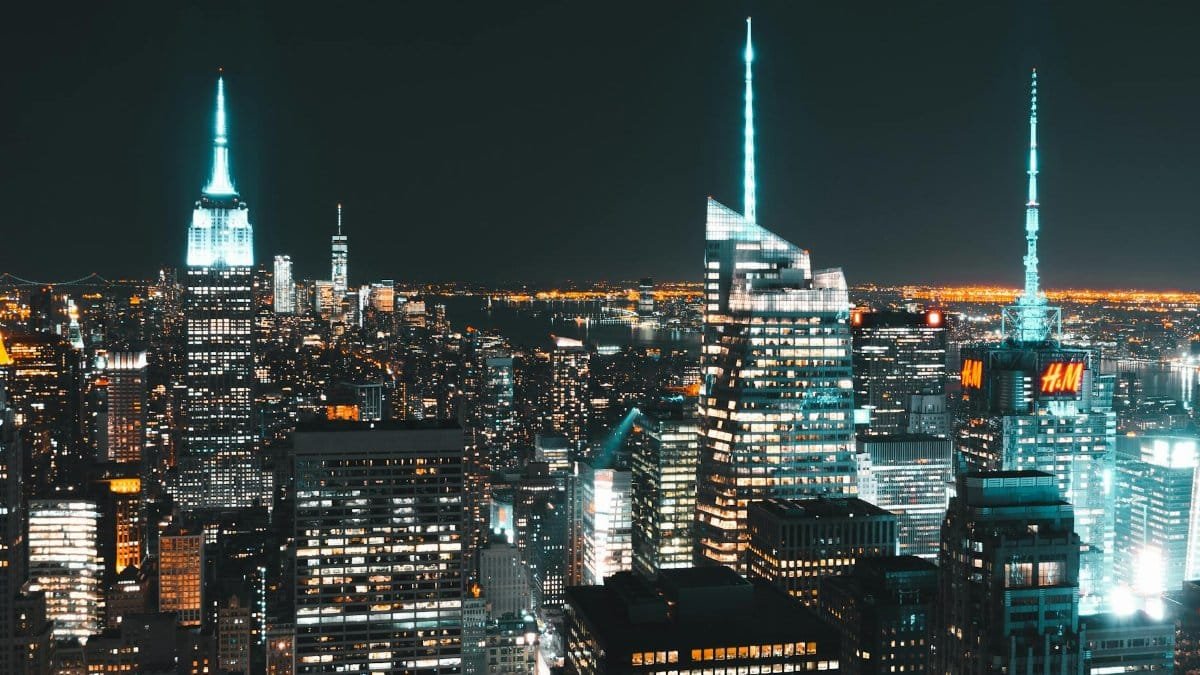
Not everyone flees to nature; some rediscover purpose right in the heart of metropolises. Think of community gardens in Brooklyn or co-working spaces in Chicago that double as hubs for social impact. After years in finance, a New Yorker pivoted to urban farming, finding meaning in growing food for neighbors. It’s a stark contrast to her previous life of spreadsheets and stress.
This urban preference reflects a nuanced take on redefining success, where values like equity and collaboration take center stage. A study by the Pew Research Center reveals that 60% of city dwellers now prioritize community involvement in their definitions of fulfillment, up significantly from prior years. In 2025, with cities adapting to hybrid work models, these oases become vital for blending ambition with wellbeing.
Yet, challenges persist. Noise and pace can test one’s commitment to slower, more intentional living. One might start the day with yoga in a park, only to navigate crowded subways later. These contrasts sharpen the focus on what matters, turning potential frustrations into opportunities for growth.
Through workshops or volunteer networks, people weave meaning into daily routines. Success here isn’t about escaping the city but transforming it, aligning personal values with collective progress.
4. Rural Communities for Deep Connections

In the heartland of places like Vermont or Montana, rural life beckons those who’ve redefined success around relationships and simplicity. A software engineer from Seattle moved to a small town, swapping code for carpentry and conversations with locals. “It’s about roots, not resumes,” he reflected, capturing the essence of this shift.
Such moves align with values-based living, emphasizing authenticity over accolades. Research from the USDA Economic Research Service shows rural populations stabilizing as urbanites seek affordable, meaningful existences. In 2025, this trend underscores a desire for community ties that urban isolation often erodes.
Daily life might involve farmers’ markets or town hall meetings, where ideas flow freely. But isolation can breed loneliness, a tension that tests resilience. Still, many thrive, building networks that foster mutual support and shared purpose.
Meaning emerges from these bonds, redefining success as contributing to something larger than oneself. It’s a grounded existence, where values guide decisions, from sustainable farming to mentoring youth.
5. Virtual Spaces for Global Reach

Beyond physical locales, digital realms offer boundless opportunities for those embracing values-based living. Online platforms connect like-minded individuals across continents, allowing a former lawyer from Miami to lead virtual wellness retreats from her home. She facilitates discussions on meaning, drawing participants from diverse backgrounds.
This virtual preference democratizes access to redefining success, especially for those unable to relocate. A report from the McKinsey Global Institute highlights how digital tools have expanded community building post-2020, with 70% of respondents reporting stronger online connections. In 2025, these spaces evolve, blending technology with human-centered values.
Challenges include screen fatigue and superficial interactions, yet innovative approaches like moderated forums create depth. One public online account described joining a global book club focused on personal growth, saying it “bridged the gap between isolation and inspiration.”
Here, success is collaborative, measured by shared insights and virtual impacts. It extends meaning beyond borders, proving that redefining priorities can happen anywhere, even in the ether.
As these places illustrate, the journey toward values-based living reshapes not just where we go, but how we live. It’s a testament to human adaptability, prioritizing meaning over the conventional grind.