

In bustling cities like Seattle or Austin, a quiet revolution is underway. More Americans are stepping back from the relentless chase of career ladders and material gains. They’re embracing redefining success, values-based living, meaning as a guiding principle. It’s not about rejecting ambition entirely, but aligning pursuits with deeper personal values. Walk into a coffee shop, and you might overhear conversations about leaving high-stress jobs for roles that nurture community or creativity. This shift reflects broader trends. People seek fulfillment beyond paychecks. They prioritize relationships, health, and purpose. As one observer noted, it’s like recalibrating a compass that’s been off course for years. In 2025, this movement gains momentum, driven by burnout recovery and a quest for authenticity. The result? A preference for places that foster genuine well-being over superficial achievements.
1. Cozy Home Sanctuaries

Many find solace right at home after redefining success. It’s no longer just a place to crash after long workdays. Instead, homes become intentional spaces for reflection and connection. Picture a family in Chicago transforming their living room into a hub for weekly game nights. Laughter fills the air, replacing the hum of endless emails. This pivot emphasizes values-based living, where time with loved ones trumps overtime. Research supports this trend. A study from the Pew Research Center shows that 72% of adults now value family time over career advancement, up from a decade ago.Pew Research on Family Priorities highlights how such choices lead to higher life satisfaction. But it’s not always smooth. Some struggle with guilt from scaling back professionally. Yet, through small rituals like shared meals, homes evolve into anchors of meaning. One anonymous online account described it vividly: after quitting a corporate gig, they turned their backyard into a garden, finding peace in the soil. This isn’t escapism. It’s a deliberate choice to build environments that align with inner values. The shift can feel radical at first. Friends might question it. But over time, the benefits emerge: stronger bonds, reduced stress. In essence, home becomes the ultimate retreat, a place where success is measured in moments, not milestones.
2. Serene Natural Escapes

What draws people to forests or beaches when they’ve redefined success? Often, it’s the raw simplicity. Nature strips away distractions, inviting a focus on what’s truly meaningful. Consider a hiker in the Appalachian Mountains, pausing to breathe in the crisp air. No deadlines loom here. Just the rhythm of footsteps and birdsong. This aligns with values-based living, prioritizing mental clarity over constant productivity. Evidence from the National Institutes of Health underscores the mental health boosts from outdoor time. Their reports link nature exposure to lower anxiety levels.NIH on Anxiety and Nature details how even short walks can rewire stress responses. Yet, not everyone starts as an avid outdoorsman. Some begin tentatively, perhaps with a local park visit. Over time, these outings become rituals. A recent public sharing captured this: someone recounted how weekly trail runs replaced boardroom meetings, uncovering a sense of purpose in movement. Challenges arise, like weather or accessibility issues. But adaptations happen. Urban dwellers opt for rooftop gardens or river walks. The key is consistency. Nature teaches patience, a counter to hustle culture. It fosters gratitude, turning ordinary vistas into profound experiences. As 2025 unfolds, more Americans turn to these escapes, redefining achievement through harmony with the environment rather than dominance over it.
3. Community Gathering Spots

Local cafes, libraries, or community centers often top the list for those embracing redefining success, values-based living, meaning. These aren’t just venues. They’re vibrant hubs for connection and shared purpose. Imagine a group in Denver meeting at a neighborhood bookstore for discussions on sustainable living. Ideas flow freely, sparking collaborations. This move away from isolated ambition highlights a preference for collective well-being. Studies from Harvard University reveal that strong community ties enhance longevity and happiness.Harvard Study on Social Connections emphasizes how such interactions buffer against life’s stresses. However, building these networks takes effort. Introverts might hesitate at first. Start small, perhaps volunteering at a food bank. The rewards build gradually: new friendships, a sense of belonging. One illustrative snippet from online forums describes a retiree who, after years in finance, found joy leading community workshops. It wasn’t about prestige. It was about impact. Tensions can surface, like differing opinions in groups. But navigating them hones empathy, a core value in this lifestyle. In 2025, these spots gain popularity as antidotes to digital isolation. They remind us that success thrives in shared stories, not solo triumphs. Ultimately, community places become classrooms for living meaningfully.
4. Creative Workshops and Studios

After redefining success, many gravitate toward spaces that fuel creativity, like art studios or music rooms. Here, expression takes center stage over efficiency. Think of a painter in New York City, splattering colors on canvas without a deadline. The process matters more than the product. This embodies values-based living, where personal growth eclipses external validation. The American Psychological Association notes that creative activities boost emotional resilience.APA on Resilience and Creativity explores how hobbies reduce burnout. Yet, diving in can feel daunting for beginners. What if the output isn’t “good”? The point is experimentation. Workshops offer guided entry points, fostering a supportive atmosphere. A shared experience online highlighted this: an engineer turned potter described the thrill of molding clay, discovering untapped passions. Conflicts emerge when old habits creep back, like judging work harshly. Overcoming that requires patience. These studios become sanctuaries for exploration. They encourage risk-taking in safe ways. As trends evolve in 2025, more professionals incorporate creativity into routines, blending it with work for balanced lives. It’s a reminder that meaning often hides in the act of creation, not just consumption.
5. Mindful Retreat Centers
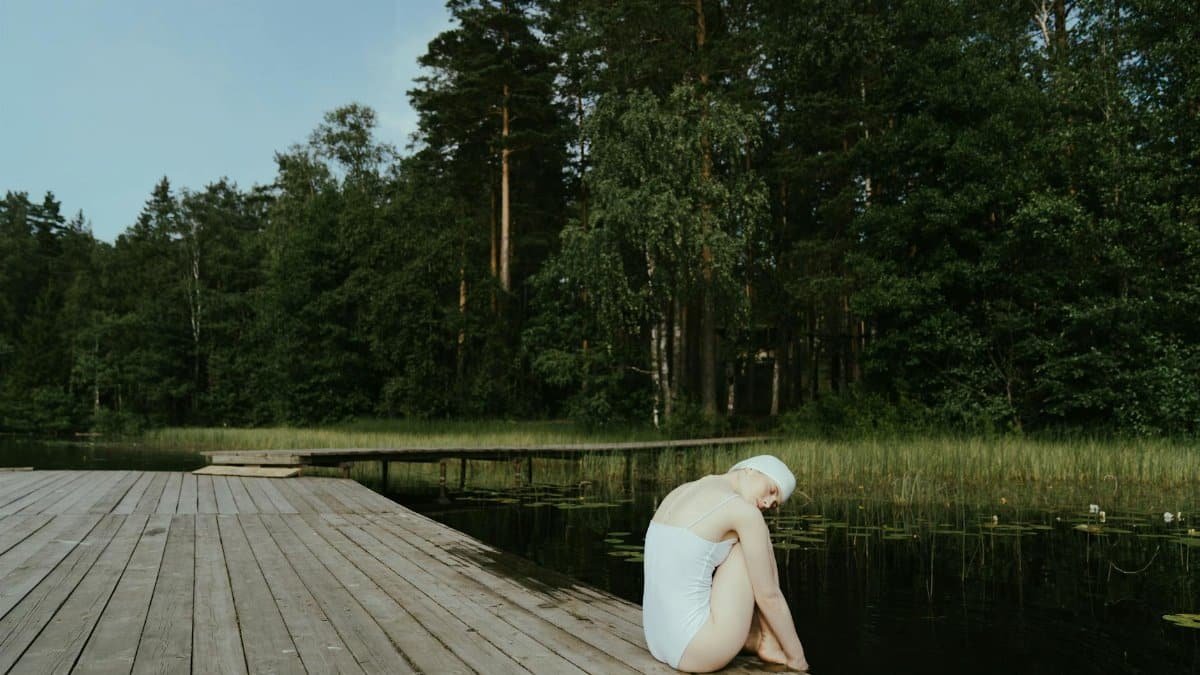
Retreat centers, from yoga ashrams to silent meditation spots, attract those who’ve shifted toward redefining success, values-based living, meaning. These places offer structured pauses, a stark contrast to chaotic daily life. Envision attendees in a California retreat, sitting in quiet contemplation as dawn breaks. Insights emerge in the stillness. This choice underscores a commitment to inner alignment over outward hustle. The Centers for Disease Control and Prevention reports on mindfulness’s role in stress reduction.CDC on Stress and Mindfulness provides data on its widespread benefits. Still, retreats aren’t without hurdles. Cost or time commitments deter some. Alternatives like home-based practices bridge the gap. One anonymous reflection shared publicly painted a picture: after a corporate burnout, a week-long retreat reshaped their worldview, prioritizing compassion. Doubts linger during immersion, but breakthroughs follow. These centers facilitate deep dives into personal values. They blend solitude with group wisdom. Looking at 2025, demand surges as remote work allows flexibility. Retreats evolve, incorporating tech-free zones for authentic reconnection. In them, success transforms from accumulation to awareness, proving that sometimes, stepping away leads to profound steps forward.
These preferences signal a broader cultural pivot. No longer chained to traditional metrics, people craft lives rich in purpose. It’s a journey, not a destination, filled with trial and triumph. As values guide choices, these places become more than locations. They’re foundations for sustained meaning.