

A recent study from the Pew Research Center found that 56% of Americans now prioritize personal fulfillment over career advancement, up from 42% a decade ago. This shift signals a broader reevaluation of what truly matters in life. Amid economic uncertainties and burnout epidemics, more people are redefining success, values-based living, meaning as pursuits centered on joy, relationships, and purpose rather than status or wealth. It’s not just talk; it’s reshaping where individuals choose to plant roots. From bustling cities to serene countrysides, the places drawing these seekers reflect a desire for environments that nurture inner well-being over relentless ambition. As we explore this trend, it becomes clear how such choices foster deeper satisfaction in everyday existence.
1. Tranquil Rural Retreats
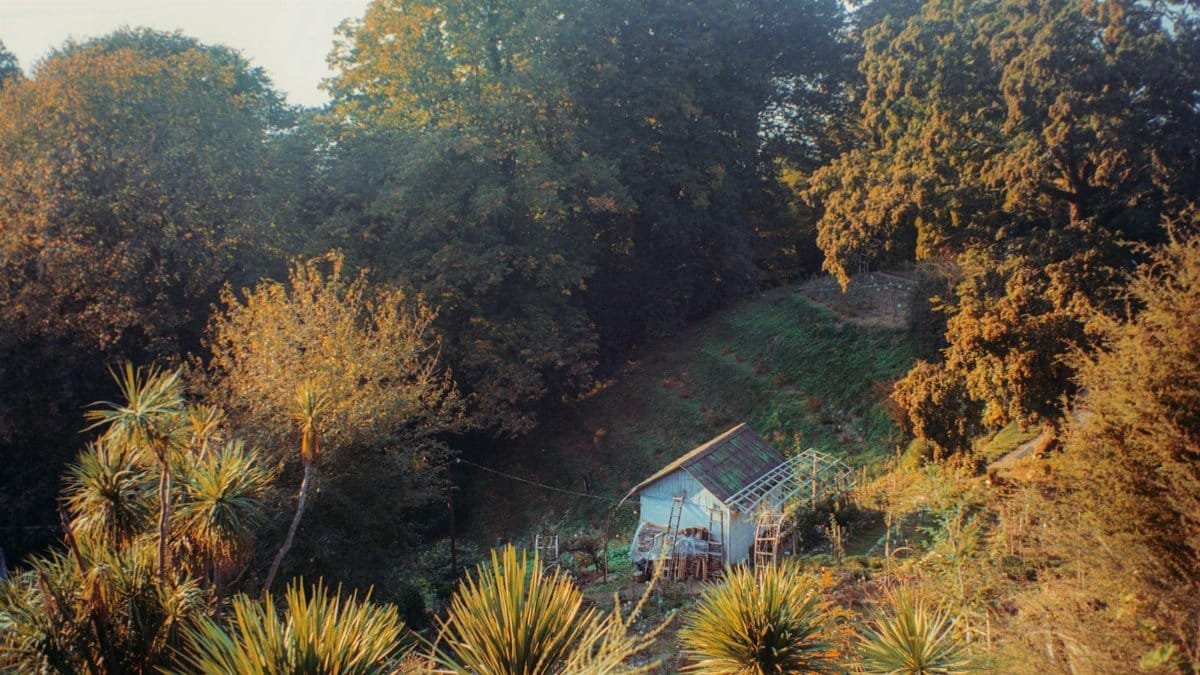
Imagine leaving the city’s constant hum behind. For many who’ve redefined success, rural areas offer that escape. These spots aren’t about isolation. They’re about reconnecting with simplicity. Take Sarah, a former marketing executive from Chicago. She traded her high-rise apartment for a farmhouse in Vermont. “It was like breathing for the first time,” she said, describing mornings spent tending a garden instead of answering emails. This move aligns with values-based living, where time slows and meaning emerges from daily rhythms.
Studies back this up. Research from the University of Minnesota shows rural living can reduce stress levels by up to 20% through access to nature and community bonds.University of Minnesota Rural Health Study. Yet, it’s not without challenges. Limited job options force creative livelihoods, like remote consulting or local artisan work. One online account shared anonymously captured the tension: feeling liberated yet occasionally missing urban energy. Still, for those prioritizing meaning, these retreats provide space to cultivate personal growth.
The appeal grows in 2025, as remote work enables such shifts. Families report stronger ties, with kids playing outdoors freely. It’s a reminder that success isn’t measured in promotions but in moments of genuine peace.
2. Vibrant Community Hubs
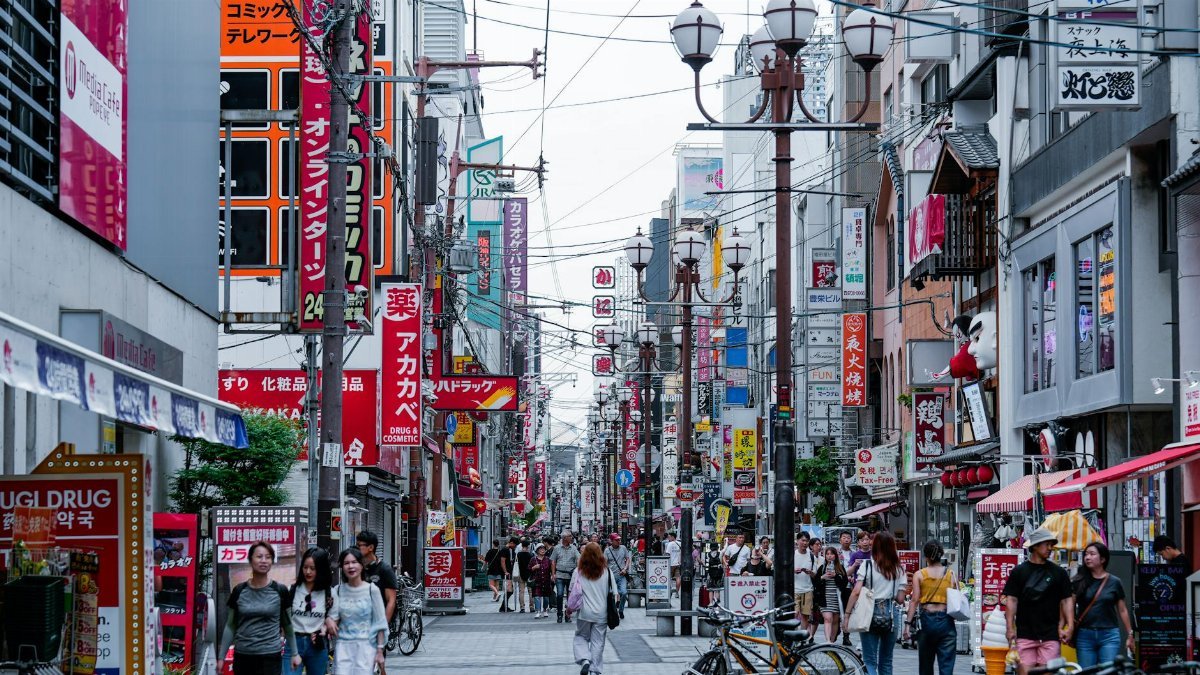
What draws people to places buzzing with shared purpose? Often, it’s the sense of belonging after redefining success. Think co-housing developments or intentional communities in states like Oregon or Colorado. Here, residents collaborate on everything from meals to decision-making. A group in Portland, for instance, transformed an old warehouse into a living space where values guide daily life.
Diving into why this works, experts note the psychological boost from social connections. A report from Harvard’s Grant Study emphasizes relationships as key to long-term happiness.Harvard Grant Study on Adult Development. In these hubs, meaning arises from collective efforts, like community gardens that feed neighbors. It’s a stark contrast to isolated suburban life.
Challenges exist, of course. Conflicts over shared resources test patience. But participants often emerge more resilient. One person’s story, echoed in public reflections, described the initial awkwardness giving way to profound friendships. As trends evolve in 2025, these places attract millennials and boomers alike, seeking values-based living amid societal fragmentation.
Ultimately, they redefine home as a network of support, not just a building.
3. Coastal Sanctuaries
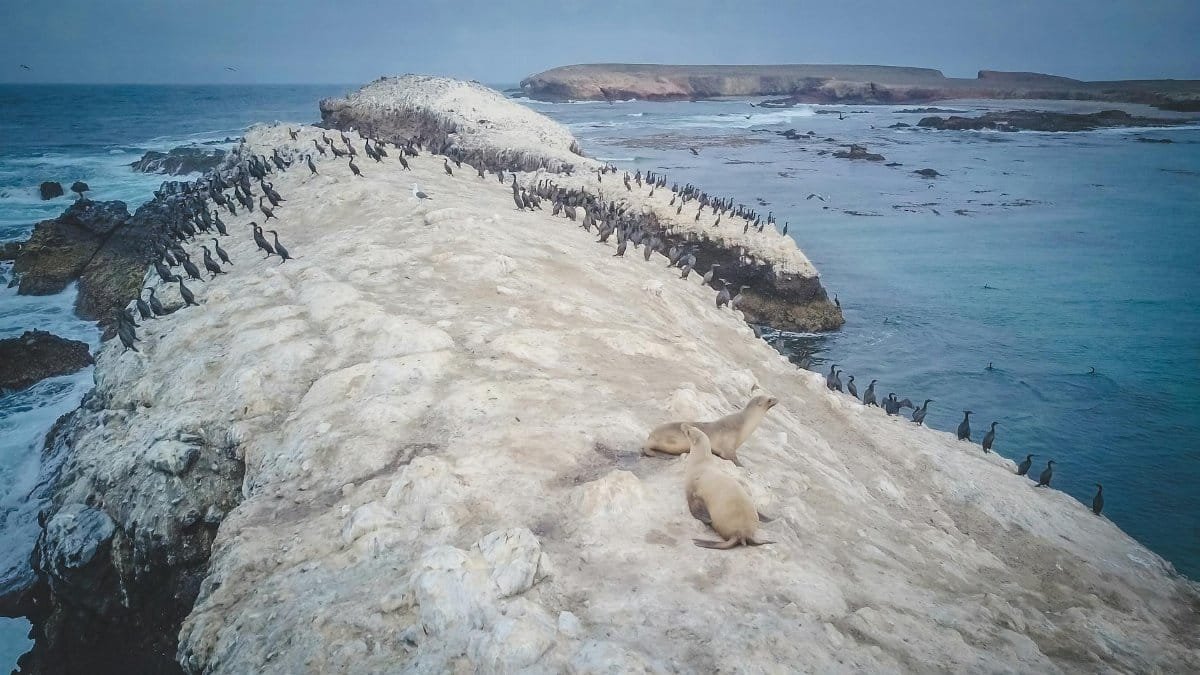
Start with the sound of waves crashing. For those embracing redefining success, values-based living, meaning, coastal areas provide a natural balm. Places like California’s Big Sur or Maine’s rocky shores draw seekers weary of corporate ladders. Here, the ocean’s vastness mirrors an inner expansiveness, encouraging reflection.
Consider Tom, who left a finance job in New York for a cabin near Acadia National Park. Mornings now involve hiking trails, not trading floors. “Success used to mean numbers on a screen,” he reflected. “Now it’s watching the sunrise.” This sentiment aligns with findings from the National Oceanic and Atmospheric Administration, linking coastal proximity to improved mental health.NOAA Ocean and Coastal Health Resources.
Not everyone adapts easily. Harsh weather and seasonal tourism can disrupt the idyll. Yet, many find purpose in environmental stewardship, joining beach cleanups or sustainable fishing initiatives. In 2025, with climate concerns rising, these sanctuaries emphasize living in harmony with nature. They challenge old notions of achievement, favoring balance over burnout.
Through it all, the sea teaches patience, a core tenet of meaningful existence.
4. Urban Green Oases
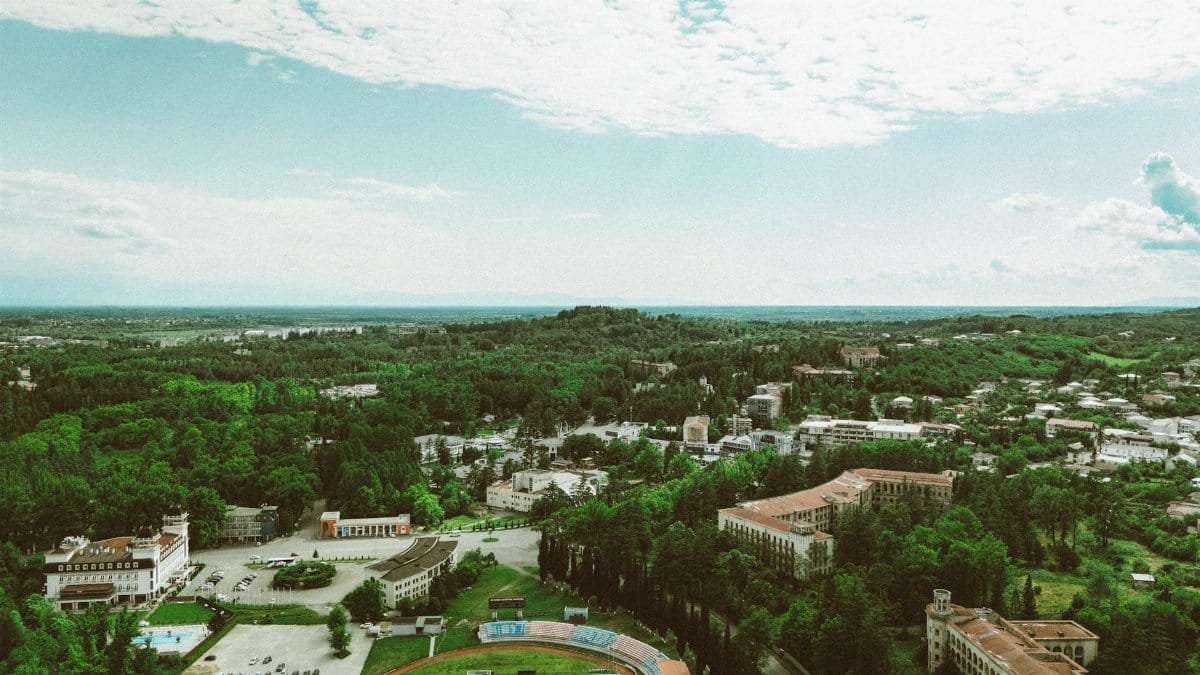
Not everyone flees the city. Some rediscover it through green spaces. Parks, community gardens, and eco-friendly neighborhoods become havens after redefining success. In cities like Seattle or Atlanta, people prioritize these pockets of calm amid the concrete.
Anecdotes illustrate the pull. Lisa, once a tech entrepreneur, now volunteers at a rooftop farm in Brooklyn. She described the shift: from endless meetings to harvesting vegetables with locals. It fosters a sense of contribution, central to values-based living. Data from the Trust for Public Land supports this, showing urban green spaces correlate with higher life satisfaction.Trust for Public Land ParkScore Report.
Tensions arise, like gentrification pushing out longtime residents. But innovative programs, such as inclusive land trusts, address this. Online forums buzz with stories of transformation, one user noting how a weekly park meetup rebuilt their social circle post-career pivot. As 2025 unfolds, these oases highlight how meaning can thrive in density, blending urban energy with intentional pauses.
They prove success isn’t about escaping life, but reshaping it where you are.
5. International Enclaves

Beyond U.S. borders, some find fresh perspectives. Places like Portugal’s Algarve or Costa Rica’s rainforests beckon those who’ve redefined success, values-based living, meaning. These spots offer cultural immersion and slower paces, often at lower costs.
Picture expats in Lisbon, where digital nomads trade office cubicles for cafes overlooking the Tagus River. Maria, a retired teacher from Texas, moved there for the community spirit. “It’s about living fully, not just working,” she said. Research from the Migration Policy Institute underscores how such moves enhance well-being through new experiences.Migration Policy Institute on Digital Nomads.
Visa hurdles and homesickness pose real obstacles. Yet, many adapt by building hybrid lives, blending old ties with new adventures. In 2025, with remote work normalizing, these enclaves grow, emphasizing global citizenship. They expand horizons, showing meaning often lies in exploration.
Reflecting on this, it’s evident how redefining success leads to places that align with deeper values. Whether rural or abroad, the common thread is intentionality, fostering lives rich in purpose.