

A recent study from the American Psychological Association revealed that 77% of U.S. workers experienced burnout symptoms in the past year, up sharply from pre-pandemic levels. This surge has prompted many to seek radical changes, prioritizing emotional safety over relentless ambition. Amid economic pressures and digital overload, people are turning to specific locales that promise a life reset. These places offer more than scenery; they provide spaces for burnout recovery, life reset, emotional safety—elements that foster healing and renewal. From quiet coastal towns to remote mountain hideaways, the choices reflect a broader cultural shift. In 2025, as remote work evolves, such migrations highlight how Americans are redefining success. No longer just about climbing ladders, it’s about finding ground where one can breathe freely. This trend underscores a growing recognition that true well-being demands environments that nurture the soul as much as the body.
1. Coastal Retreats in the Pacific Northwest
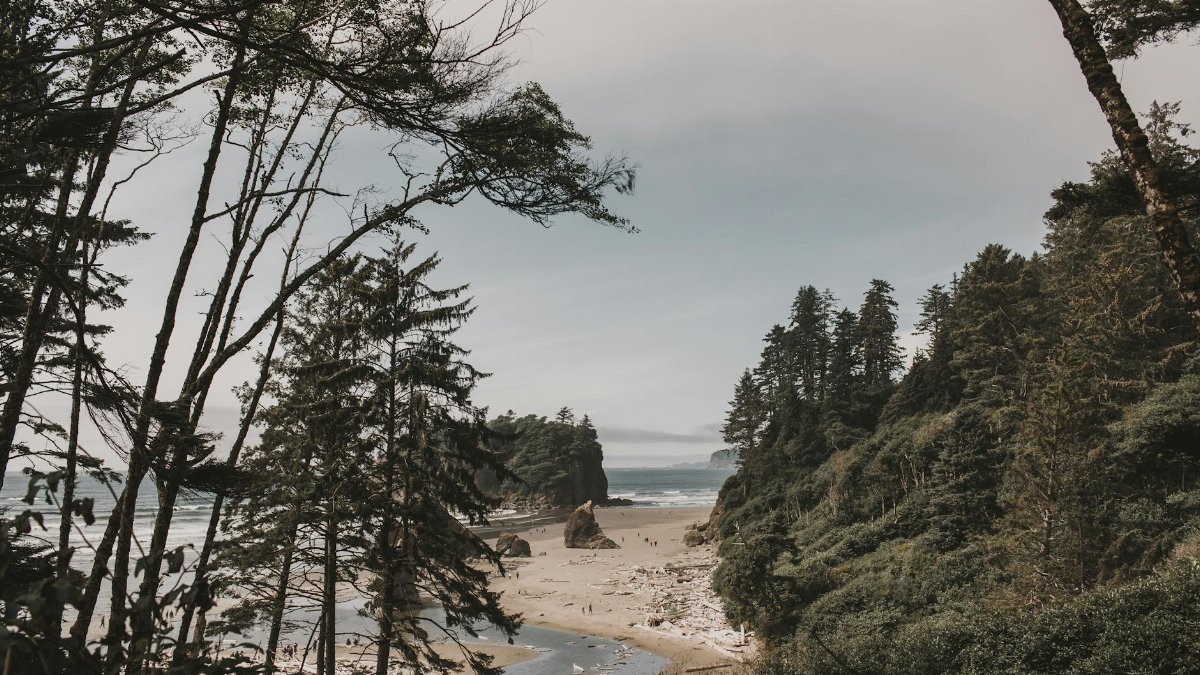
Along the rugged shores of Oregon and Washington, burnout survivors often find solace. The constant sound of waves crashing against cliffs acts as a natural balm. One anonymous account shared publicly online described arriving in a small town like Cannon Beach, feeling the weight of corporate stress dissolve with each foggy morning walk. “It was like the ocean washed away years of exhaustion,” the person noted, echoing sentiments from many who relocate here.
These areas appeal because they emphasize simplicity. Fresh seafood markets and community hikes replace endless meetings. Research supports this draw: a study from the University of Washington’s environmental psychology department links proximity to water with reduced cortisol levels, aiding burnout recovery. People reset by engaging in mindfulness practices, such as beachside yoga sessions that build emotional safety through routine and nature’s predictability.
Yet, challenges exist. Harsh winters can test newcomers’ resolve. Still, the payoff is evident in thriving local economies boosted by these migrants. They open cafes or artisan shops, infusing vitality. This isn’t escapism; it’s a deliberate choice for sustainable living. As one local therapist observed, “The coast teaches patience, something burnout strips away.” In 2025, with climate awareness rising, these retreats also promote eco-conscious resets, aligning personal healing with planetary care.
Transitions to such places often start small. A weekend visit turns into a month-long rental. Before long, the life reset feels permanent. Emotional safety builds through connections with like-minded souls, forming support networks that prevent future burnout. It’s a reminder that recovery isn’t solitary; it’s communal, rooted in places that echo one’s inner needs.
2. Mountain Cabins in the Rockies
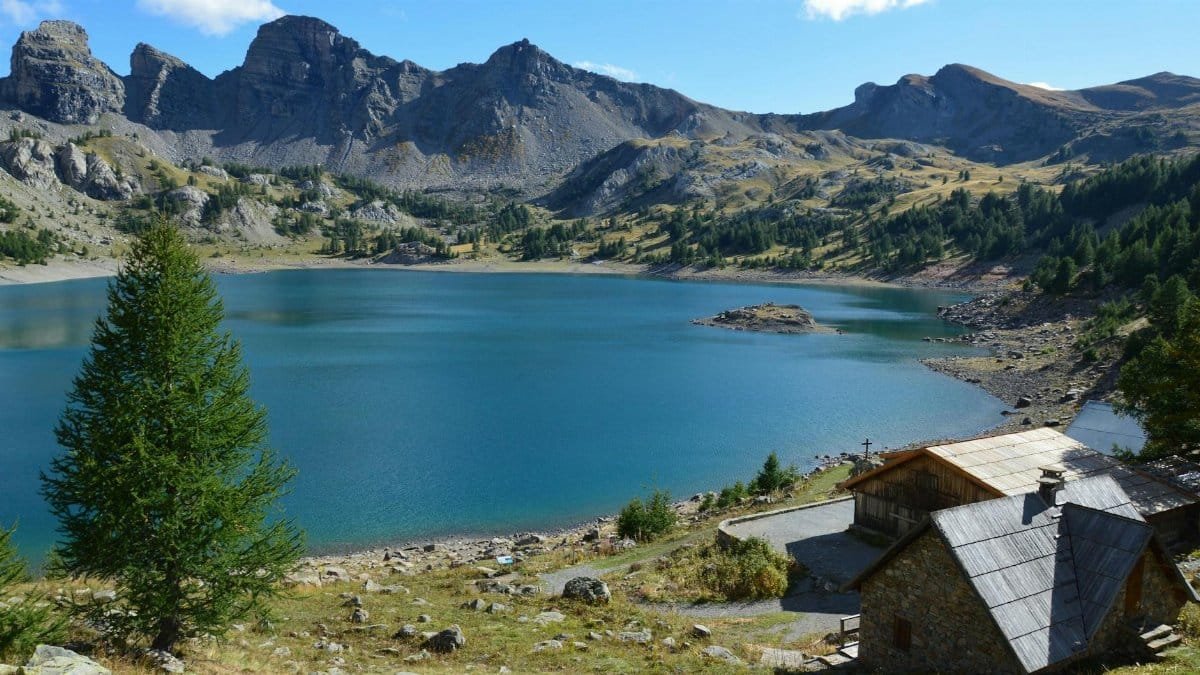
High in Colorado’s Rocky Mountains, cabins dotted among pine forests draw those craving isolation after burnout. Imagine stepping out to crisp air, far from urban clamor. A middle-aged executive, anonymized here, recounted swapping boardrooms for a log home near Aspen. The shift brought clarity, allowing space to process years of overwork.
What makes these spots ideal? Elevation fosters literal and figurative perspective. Hiking trails encourage physical activity, proven to combat depression linked to burnout. According to a report from the Centers for Disease Control and Prevention, nature immersion enhances emotional resilience. For many, this means journaling by a fire, rebuilding emotional safety one entry at a time.
But adaptation isn’t seamless. Altitude sickness hits some hard, mirroring the disorientation of life resets. Communities here are tight-knit, offering workshops on sustainable living that double as therapy. In conversations with locals, themes of vulnerability emerge—sharing stories around campfires strengthens bonds.
This choice reflects a broader trend in 2025, where digital nomads seek offline havens. A study by the Pew Research Center notes increased rural migrations post-pandemic, driven by desires for work-life balance. Emotional safety flourishes in these settings, away from constant notifications. It’s about reclaiming time, turning solitude into strength.
Variety defines experiences here. Some plant gardens, others volunteer in wildlife conservation. Each act contributes to a personal narrative of recovery, proving that burnout recovery, life reset, emotional safety can thrive in elevated terrains.
3. Rural Farms in the Midwest
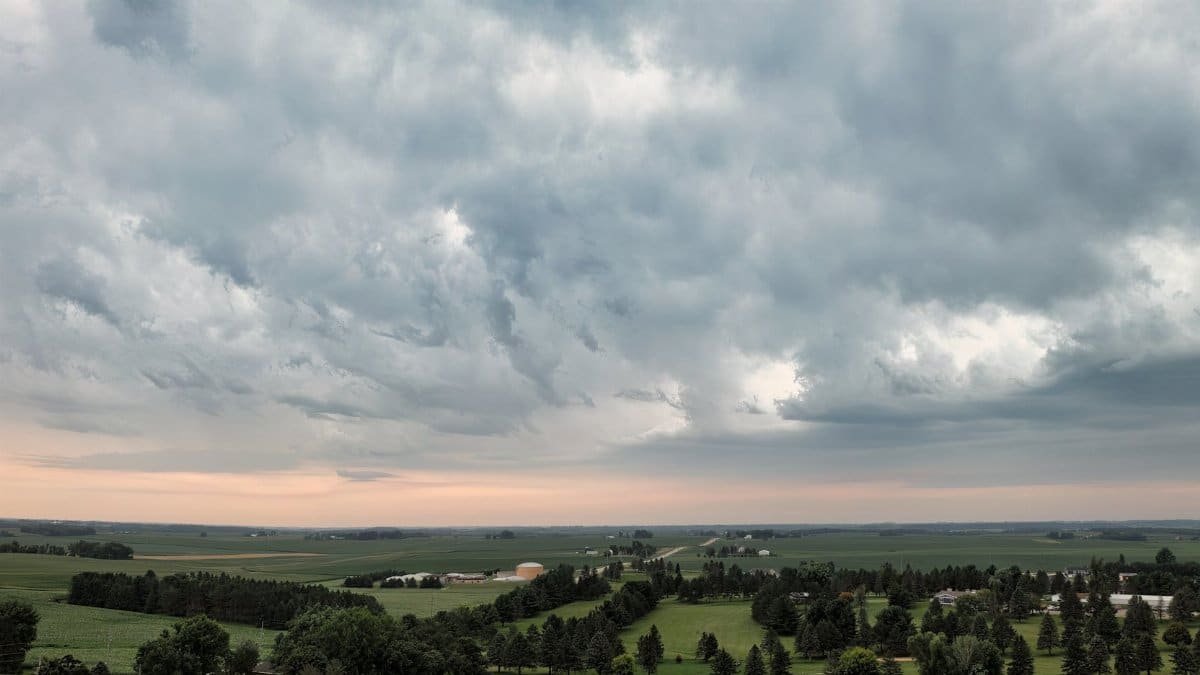
In the heartland of Iowa or Nebraska, vast farmlands become sanctuaries for those escaping burnout. Fields stretching to the horizon invite a slower pace. One person’s shared experience highlighted moving to a cooperative farm, where daily chores replaced high-stakes deadlines. “Tending soil grounded me,” they reflected, capturing the essence of this reset.
These locales promote hands-on healing. Farming demands presence, countering the mental fog of exhaustion. Evidence from the National Institutes of Health suggests agricultural lifestyles reduce anxiety through routine and community involvement. Emotional safety grows in shared meals and barn dances, fostering belonging.
Of course, rural life brings isolation. Limited amenities challenge urban transplants. Yet, many adapt by starting small businesses, like organic produce stands, blending old skills with new passions. This fusion aids life resets, turning burnout into opportunity.
In 2025, as food security concerns rise, these farms attract eco-minded individuals. A brief anecdote: a former marketer now leads farm tours, educating visitors on sustainable practices while healing personally. Such stories illustrate how places like these weave recovery into daily life.
Transitions between tasks here mirror internal shifts. Harvest seasons teach patience, reinforcing that emotional safety isn’t rushed. It’s cultivated, much like the crops, yielding long-term well-being.
4. Intentional Communities in the Southwest

Amid Arizona’s deserts or New Mexico’s mesas, intentional communities offer structured yet flexible havens. These groups, focused on shared values, attract burnout recoverers seeking collective support. Picture arriving at a solar-powered commune, where decisions are made in circles, emphasizing equality.
The appeal lies in built-in emotional safety nets. Group therapy sessions and skill-sharing build trust. A study published in the Journal of Community & Applied Social Psychology highlights how such environments lower stress by distributing responsibilities. For many, this means rediscovering creativity lost to corporate grind.
Tensions arise, though. Differing personalities can spark conflicts, testing newfound resilience. But resolution processes, like mediated talks, turn challenges into growth. One anonymized narrative described the shift: “From isolation in the city to feeling seen here—it’s transformative.”
In 2025, with social fragmentation ongoing, these communities gain traction. They model alternative living, integrating burnout recovery, life reset, emotional safety into communal rhythms. Members often engage in art or meditation, fostering inner peace.
Flowing from one activity to another, life here feels integrated. It’s not about fleeing problems but addressing them collectively, proving that safety thrives in connection.
5. Urban Oases in East Coast Cities
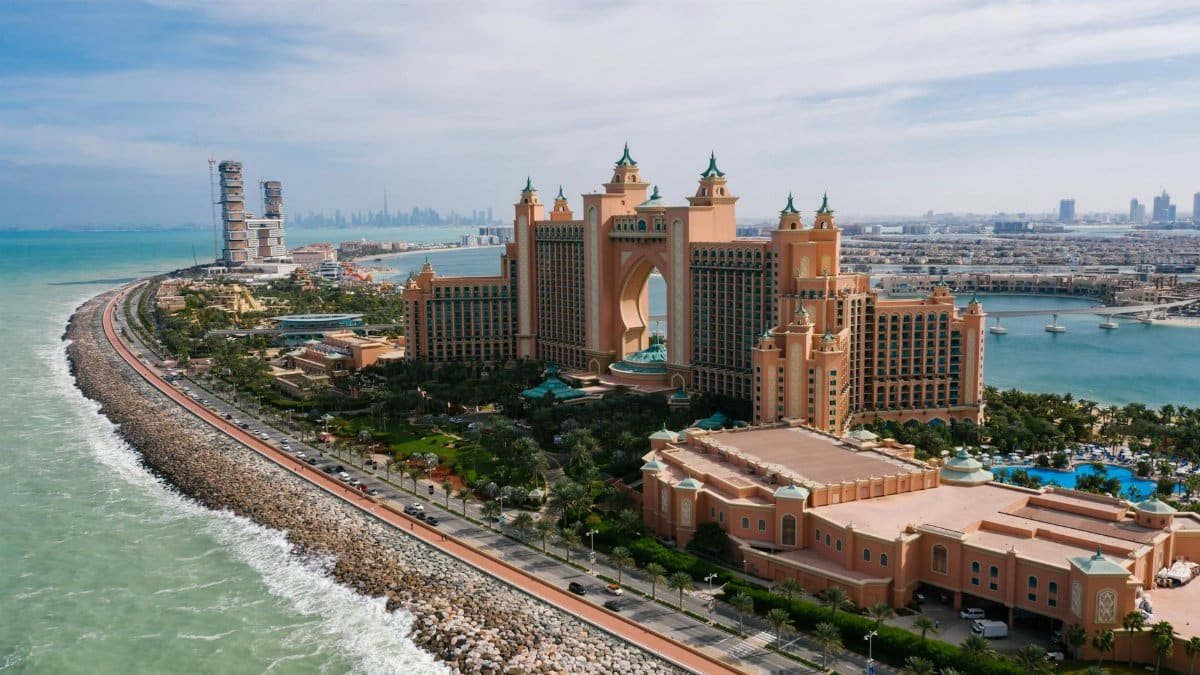
Even in bustling hubs like Boston or Philadelphia, pockets of calm emerge as burnout refuges. Think co-living spaces or wellness-focused neighborhoods. A tech worker’s story comes to mind: relocating to a Brooklyn enclave with communal gardens, they found balance amid the skyline.
These urban spots blend accessibility with retreat-like features. Proximity to therapy centers and support groups aids recovery. Data from the American Psychological Association shows city dwellers increasingly prioritize mental health amenities, driving demand for such oases.
Noise and pace remain hurdles. Yet, innovations like soundproofed meditation rooms help. Communities host events on emotional safety, turning apartments into sanctuaries.
Looking at 2025 trends, hybrid work enables these choices without full relocation. Emotional safety builds through neighborhood networks, countering isolation. One observation: rooftop yoga classes foster bonds, illustrating urban resets.
This variety shows burnout recovery, life reset, emotional safety isn’t confined to remote areas. In cities, it’s about carving niches where healing happens amid energy, redefining recovery on one’s terms.