

A recent survey by the American Psychological Association found that nearly 60% of U.S. workers reported symptoms of burnout in 2024, a sharp rise from previous years. This statistic underscores a growing crisis. Many are seeking ways to reclaim their lives. Enter the pursuit of burnout recovery, life reset, emotional safety – concepts that promise not just survival, but a deeper sense of well-being. People aren’t just quitting jobs. They’re relocating, both physically and mentally, to spaces where healing can take root. From quiet rural retreats to bustling community hubs, these choices reflect a shift. Emotional safety begins to matter more than achievement. In 2025, as remote work evolves and mental health conversations deepen, more Americans are prioritizing places that foster renewal. This article explores five such destinations, drawing on stories and trends that highlight this transformative journey.
1. Coastal Towns Offering Solitude and Sea Air
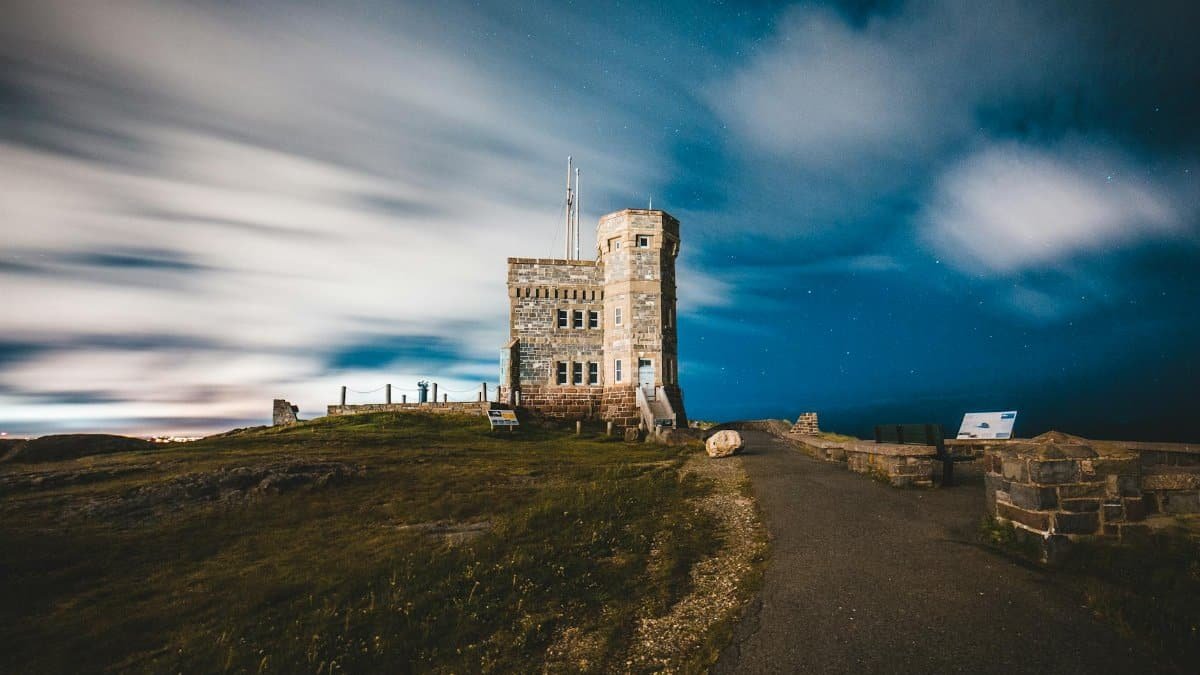
Along the rugged shores of Maine or the sun-drenched beaches of Oregon, something shifts for those escaping burnout. Take Sarah, a former marketing executive from Chicago. She arrived in a small coastal town last year, drawn by the relentless pull of the ocean. “The waves don’t demand quarterly reports,” she later shared in an anonymous online reflection. Here, the rhythm of tides replaces the grind of deadlines. Coastal areas provide a natural buffer against stress. Research from the American Psychological Association highlights how proximity to water can lower cortisol levels, aiding emotional safety.
But it’s not all serene walks. These towns often lack the amenities of city life, forcing newcomers to confront isolation. Still, many find the trade-off worthwhile. Local economies in places like Cannon Beach or Bar Harbor have seen an influx of remote workers seeking life resets. They join yoga classes at dawn or volunteer at marine conservation efforts. One study from the University of Exeter, detailed in their BlueHealth project, shows that coastal living boosts mental resilience. For burnout survivors, it’s about rebuilding trust in one’s own pace. Conversations with locals reveal a common thread: the sea teaches patience, a key to recovery.
The appeal grows in 2025, as climate migration adds layers. People aren’t just fleeing heat; they’re chasing calm. Yet, affordability poses challenges. Rising property costs in these havens push some to consider seasonal stays. Despite hurdles, the emotional payoff is tangible. Sarah now runs a small artisan shop, her days measured by sunsets rather than spreadsheets.
2. Mountain Retreats for Reflection and Reconnection
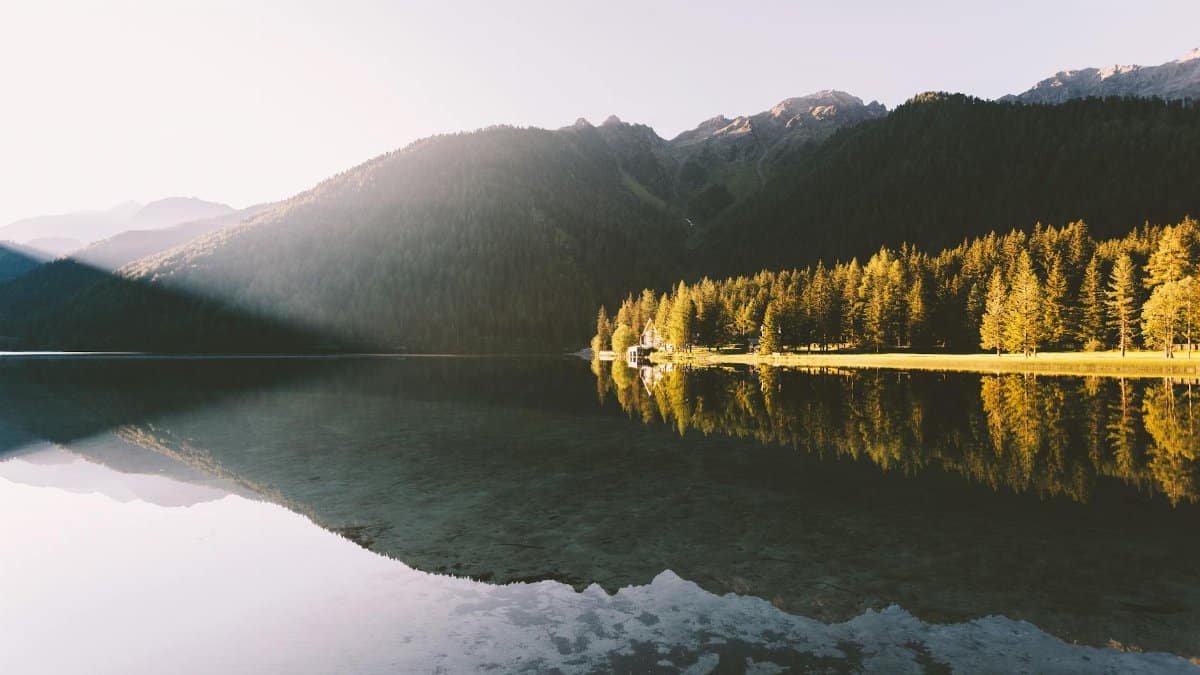
High in the Rockies or the Appalachians, elevation offers more than a view. It provides perspective. Imagine a group of friends, all mid-career professionals, gathering at a cabin in Colorado. One recounts the moment burnout hit: emails piling up like snowdrifts. They chose the mountains to unplug, trading boardrooms for hiking trails. This isn’t escapism. It’s deliberate recovery.
Mountain regions foster burnout recovery, life reset, emotional safety through immersion in nature. A report from the U.S. Forest Service notes that time in forested highlands reduces anxiety by promoting mindfulness. For many, it’s the silence that heals. No notifications, just the whisper of wind through pines.
Challenges emerge, though. Harsh winters test resolve, and access to healthcare can be spotty. Yet, communities like those in Asheville, North Carolina, thrive on shared stories of reinvention. One anonymous account from a public forum described feeling “anchored” after months in the Blue Ridge Mountains, where group therapy sessions around campfires build bonds. It’s a reset that emphasizes vulnerability.
In 2025, eco-tourism booms here, blending adventure with therapy. Programs combining guided hikes and counseling sessions gain traction. People leave transformed, carrying the mountains’ quiet strength back to everyday life.
3. Urban Oases with Community Support Networks
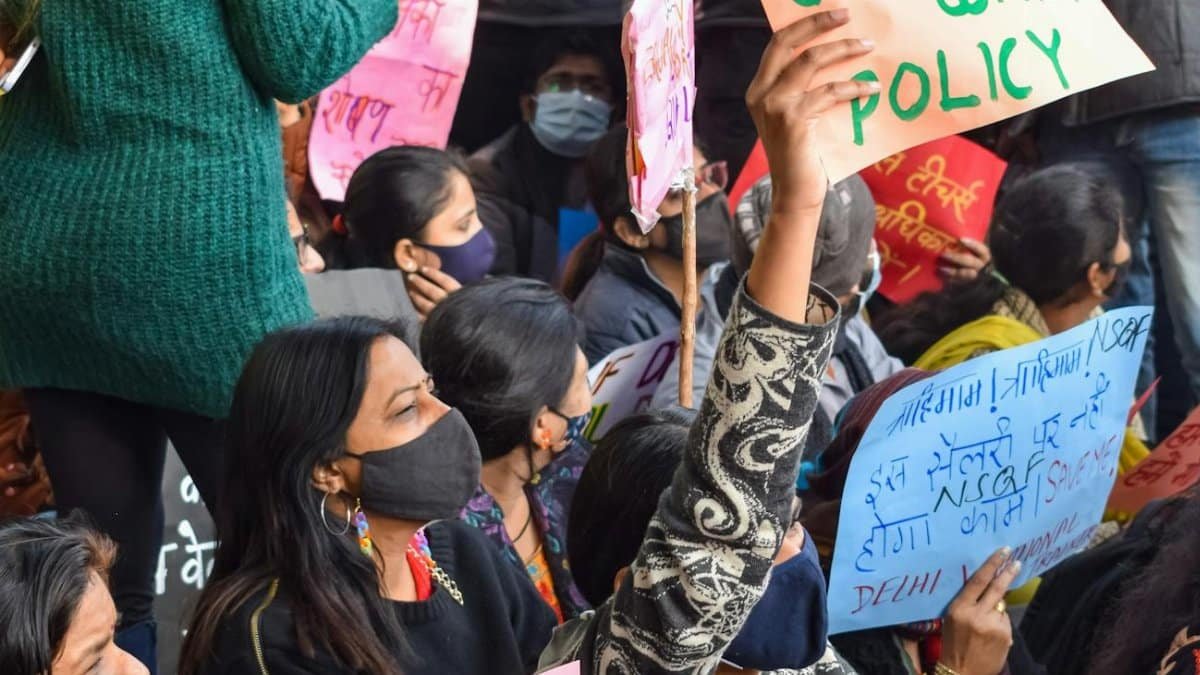
Cities might seem counterintuitive for burnout recovery. But pockets within them pulse with healing energy. Think of Brooklyn’s community gardens or Seattle’s co-working spaces turned wellness hubs. Here, emotional safety blooms amid the bustle.
One woman, let’s call her Mia, fled corporate burnout in Atlanta for Portland’s vibrant neighborhoods. She found solace in a collective where artists and therapists mingle. “It’s like the city holds you without overwhelming you,” she reflected. Urban oases offer structure without isolation. A study by the Centers for Disease Control and Prevention links strong community ties to better mental health outcomes, crucial for life resets.
These spaces aren’t without friction. Noise and crowds can trigger old stresses. But innovative programs, like mindfulness meetups in public parks, provide buffers. Trends show more cities investing in green infrastructure, making recovery accessible. Mia now facilitates workshops, turning her pain into purpose.
As 2025 unfolds, hybrid models emerge: digital nomads blending city energy with intentional downtime. It’s a reminder that recovery doesn’t require total escape.
4. Rural Farms Embracing Simplicity and Self-Sufficiency
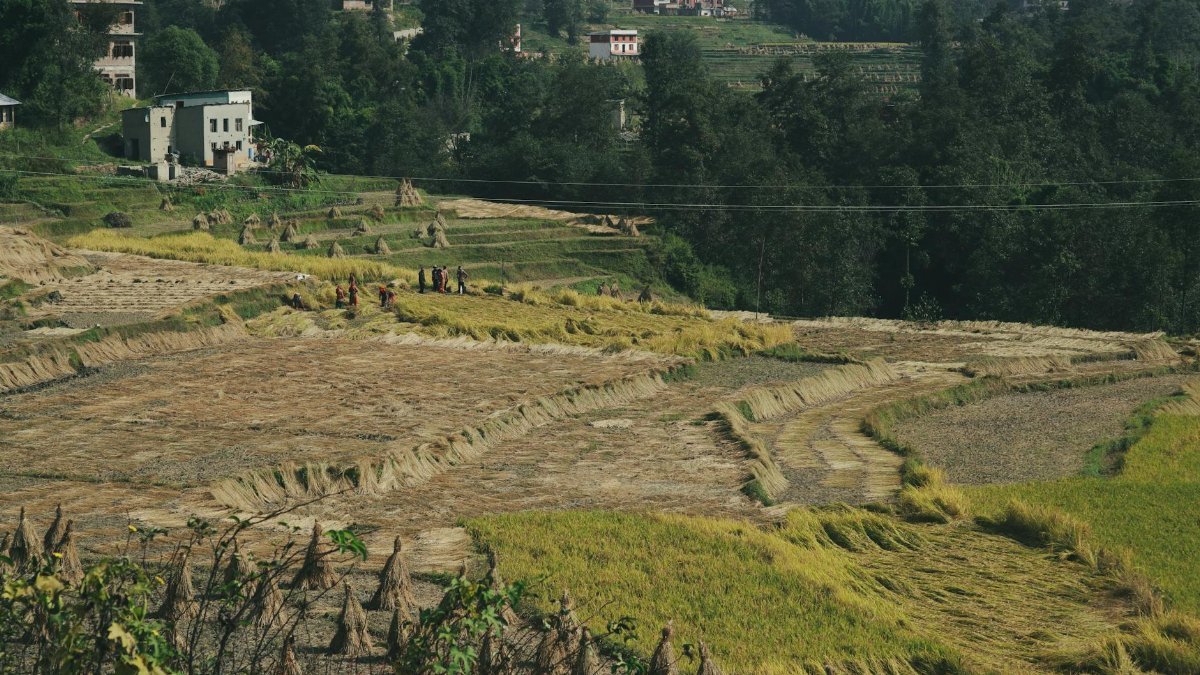
Down dirt roads in Vermont or Iowa, farms beckon those weary of modern frenzy. It’s not about nostalgia; it’s practical renewal. Consider Tom, a tech burnout case from Silicon Valley. He traded algorithms for agriculture, joining a cooperative farm. Mornings now involve tending crops, a far cry from endless meetings.
Rural settings excel in fostering burnout recovery, life reset, emotional safety by grounding people in tangible work. The National Institutes of Health research indicates that agrarian lifestyles enhance emotional regulation through routine and connection to land.
Of course, farming demands physical labor, and isolation can amplify doubts. Yet, many thrive on the community aspect, sharing harvests and hardships. An online shared story captured it: “Planting seeds felt like planting hope.” In 2025, agritourism rises, drawing more seekers.
Tom’s farm now hosts retreats, blending labor with reflection. It’s a life reset rooted in soil.
5. International Havens for Cultural Immersion and Fresh Starts

Beyond U.S. borders, places like Bali or Portugal’s Algarve draw burnout refugees. These aren’t vacations; they’re rebirths. Elena, escaping Wall Street exhaustion, landed in Lisbon. The cobblestone streets and fado music offered a new lens.
International moves amplify emotional safety by disrupting old patterns. A Pew Research Center analysis on global migration, available via their international migration reports, shows increasing Americans seeking well-being abroad.
Visa hurdles and culture shock test commitment. But the rewards? Profound growth. Elena joined expat groups, finding solidarity in shared resets. Trends in 2025 point to digital visas easing paths.
These havens teach adaptability, key to sustained recovery. Elena now writes about her journey, inspiring others to seek their own safe harbors.
In weaving these paths, a pattern emerges. Burnout recovery, life reset, emotional safety isn’t one-size-fits-all. It’s about finding spaces that nurture the soul. As more Americans prioritize this in 2025, the conversation shifts from endurance to thriving.