
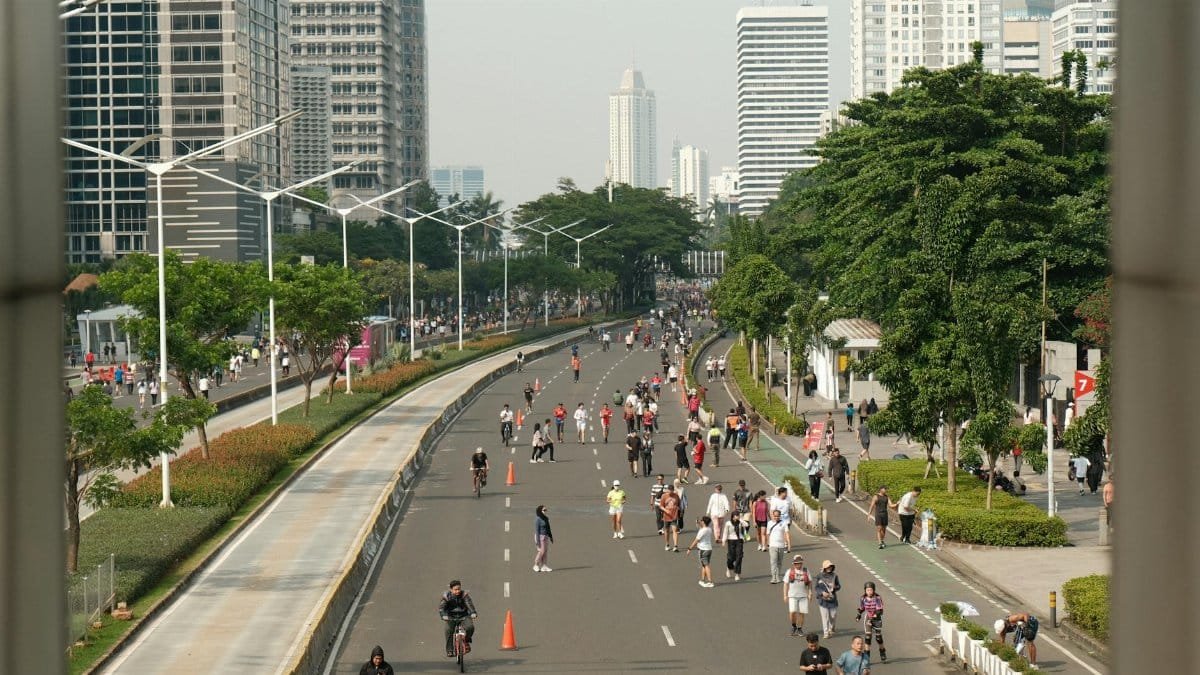
In recent years a quiet revolution has taken place in how Americans approach their leisure travel. Amid concerns about climate change and a growing desire for more meaningful engagements the appeal of navigating cities without relying on automobiles has surged. This shift reflects a broader yearning for presence and awareness during vacations. When you walk you notice the small details. The architecture that tells stories of the past the diverse faces of residents going about their day and the subtle shifts in energy from one block to the next all come into focus. A walkable us cities vacation is not merely about avoiding parking hassles. It represents a commitment to a more sustainable and spiritually rewarding form of exploration that aligns with the values of many middle aged travelers seeking depth over speed in their journeys.
The Growing Trend Toward Mindful Urban Mobility
Travelers increasingly view their vacations as chances to realign with themselves and the world around them. Relying on foot travel in dense urban environments supports this intention by slowing the pace and sharpening attention. Research from the American Psychological Association shows that consistent walking correlates with lower cortisol levels and improved mood regulation. In practice this means visitors return home not just rested but subtly transformed by the simple act of moving through space with intention.
Urban designers have taken note. Many cities have expanded pedestrian only zones widened sidewalks and integrated green corridors that double as outdoor sanctuaries. The outcome feels less like tourism and more like temporary citizenship. For spiritually inclined visitors these environments create natural conditions for reflection where the rhythm of footsteps replaces the chatter of daily obligations.
Boston Offers a Historic Path to Contemplation
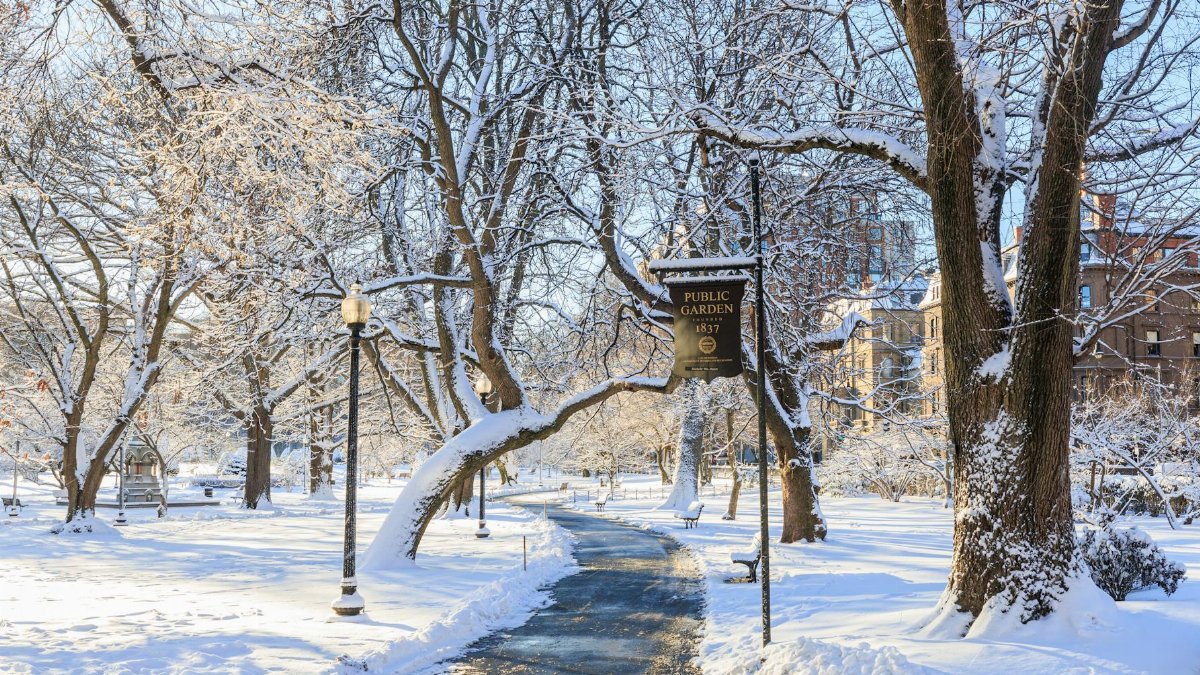
Boston stands out for its compact layout and layered past. The Freedom Trail guides walkers through sites where revolutionary ideas took root inviting quiet consideration of liberty and sacrifice. Moving at walking speed allows the weight of that history to settle gradually rather than flash by a car window. Beacon Hill with its gas lamps and brick sidewalks feels like stepping into a living painting where each turn prompts a deeper breath and a moment of gratitude.
In the North End the aroma of fresh baked bread and strong espresso drifts from small cafes. Visitors often find themselves lingering in tiny parks listening to conversations in Italian and English. The experience fosters a sense of connection both to Americas origins and to the living culture that continues to evolve there. Many describe these walks as unexpectedly prayerful even for those who do not follow a formal faith.
Discovering New York City One Neighborhood at a Time
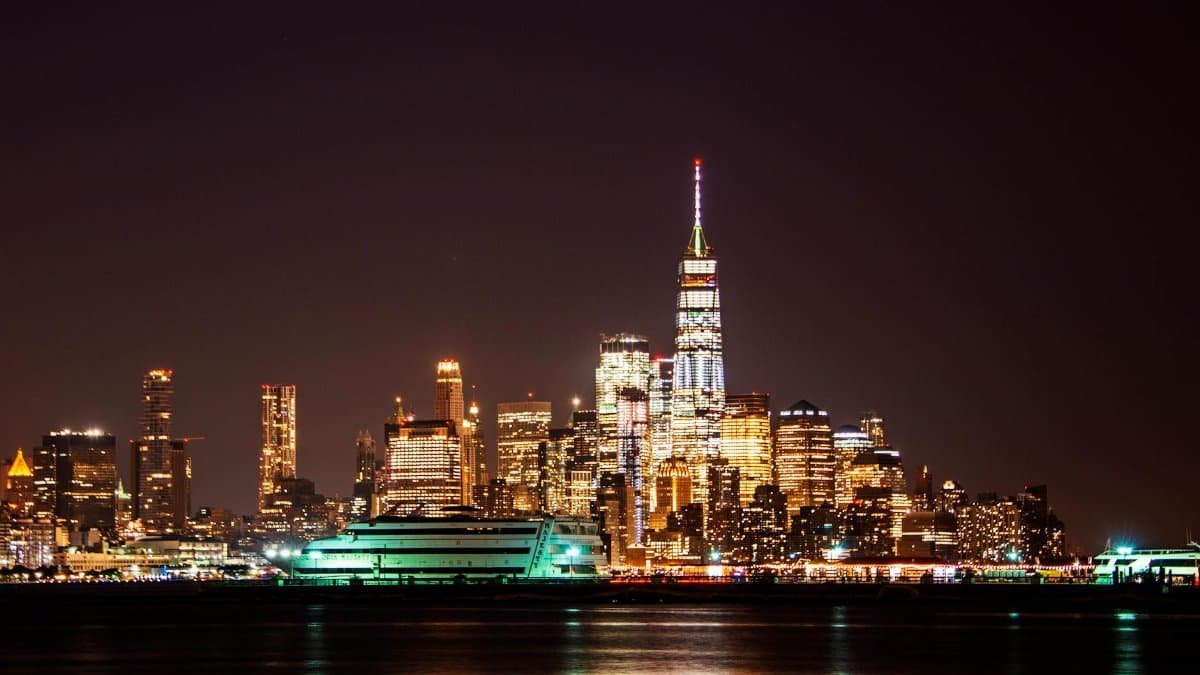
New York City might seem overwhelming yet its grid and extensive sidewalks make it remarkably navigable on foot. Central Park offers miles of paths where the citys relentless energy yields to birdsong and open sky. Walking the High Line elevated park above the Meatpacking District provides a unique perspective on how former industrial spaces can become places of beauty and calm.
Neighborhoods like Greenwich Village and Brooklyn Heights reward slow exploration with independent bookstores brownstone architecture and community gardens. The act of crossing the Brooklyn Bridge at dawn when the harbor lights still flicker creates a sense of awe that many travelers compare to spiritual awakening. In a city famous for speed choosing to walk becomes an act of gentle rebellion and mindful presence.
San Francisco Challenges and Rewards the Pedestrian Traveler
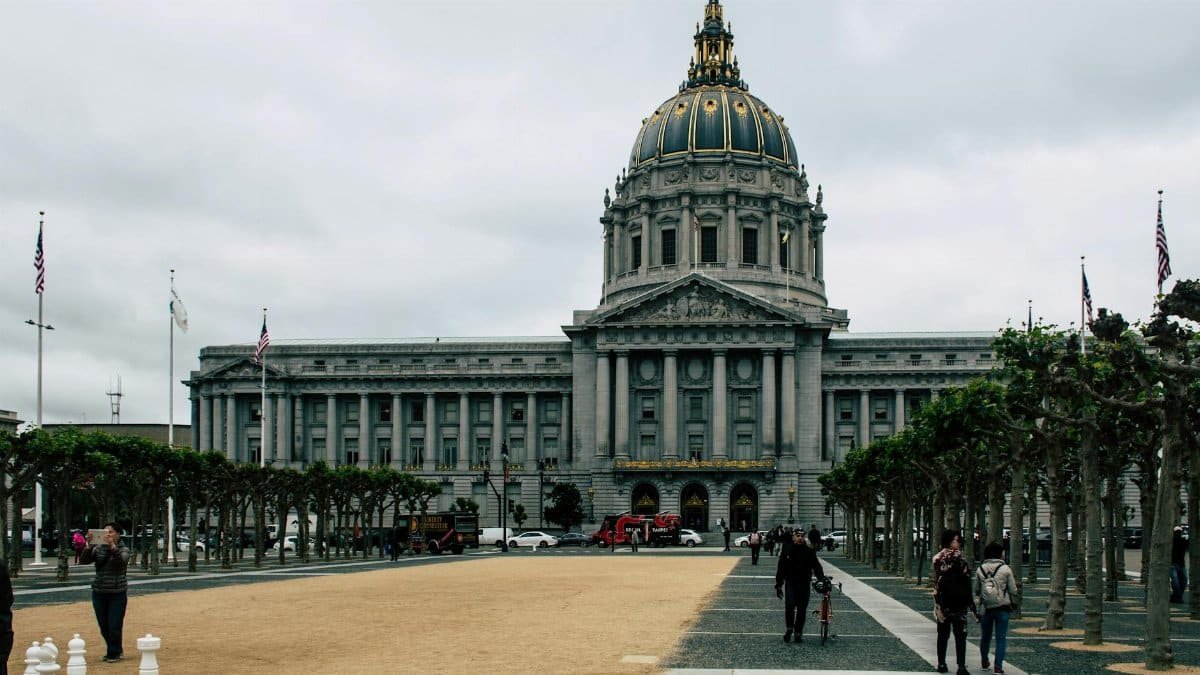
The hills of San Francisco demand attention and presence in a way few other cities do. Each climb rewards the traveler with sweeping views of the bay and the Golden Gate Bridge. Golden Gate Park stretches for miles offering Japanese gardens museums and open meadows where one can sit in silence and simply observe clouds drifting overhead.
Chinatown and the Mission District present vibrant street life rich with murals family owned shops and the scent of incense or fresh tortillas. The physical effort of walking these streets seems to open mental space for reflection on resilience and adaptation. Even on foggy mornings the city feels alive with possibility inviting visitors to move deliberately and absorb its distinct spirit.
Chicago Blends Architecture Culture and Lakeside Serenity
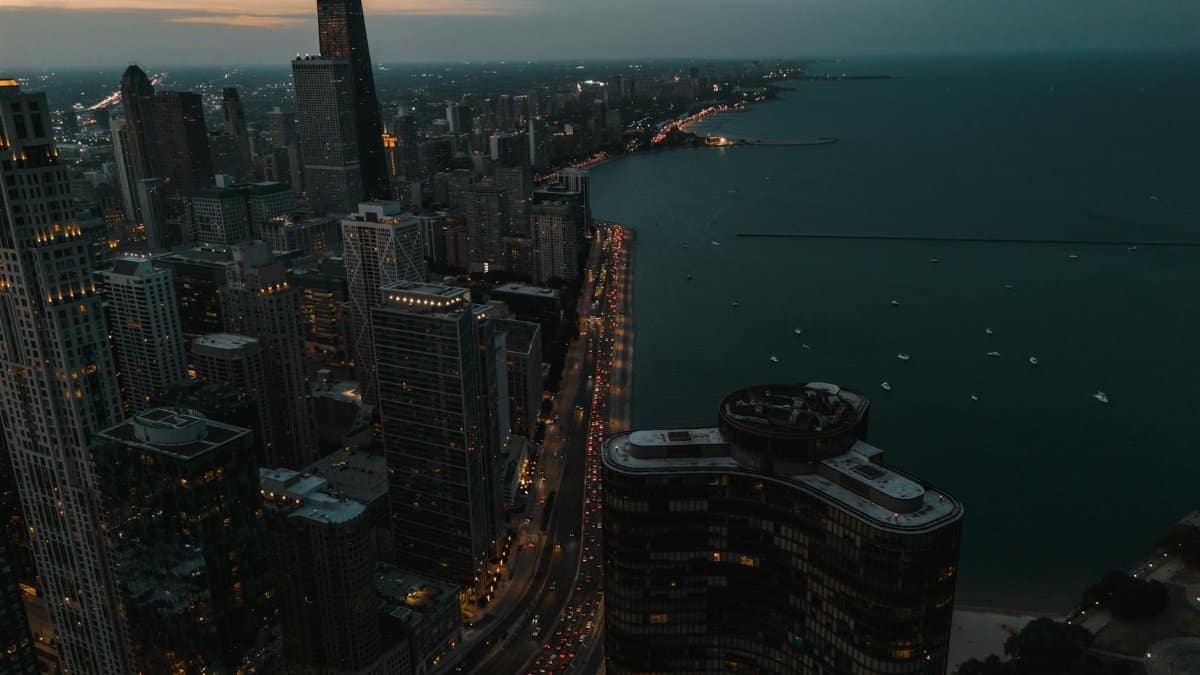
Along Lake Michigan Chicago offers one of the nations finest urban trails. The Lakefront Path stretches for miles connecting parks museums and neighborhoods in a seamless ribbon of accessible beauty. Walking here at sunrise with the skyline reflecting on the water provides a natural setting for contemplation that feels both expansive and intimate.
Downtown the architectural legacy of the late nineteenth and early twentieth centuries reveals itself best at street level. Millennium Park with its reflective Bean sculpture and outdoor pavilion hosts both large events and quiet moments between them. Diverse communities in Pilsen and Hyde Park add layers of cultural richness that deepen the walkers understanding of American life in all its complexity.
Portland Invites a Gentle Pace Amid Natural Beauty
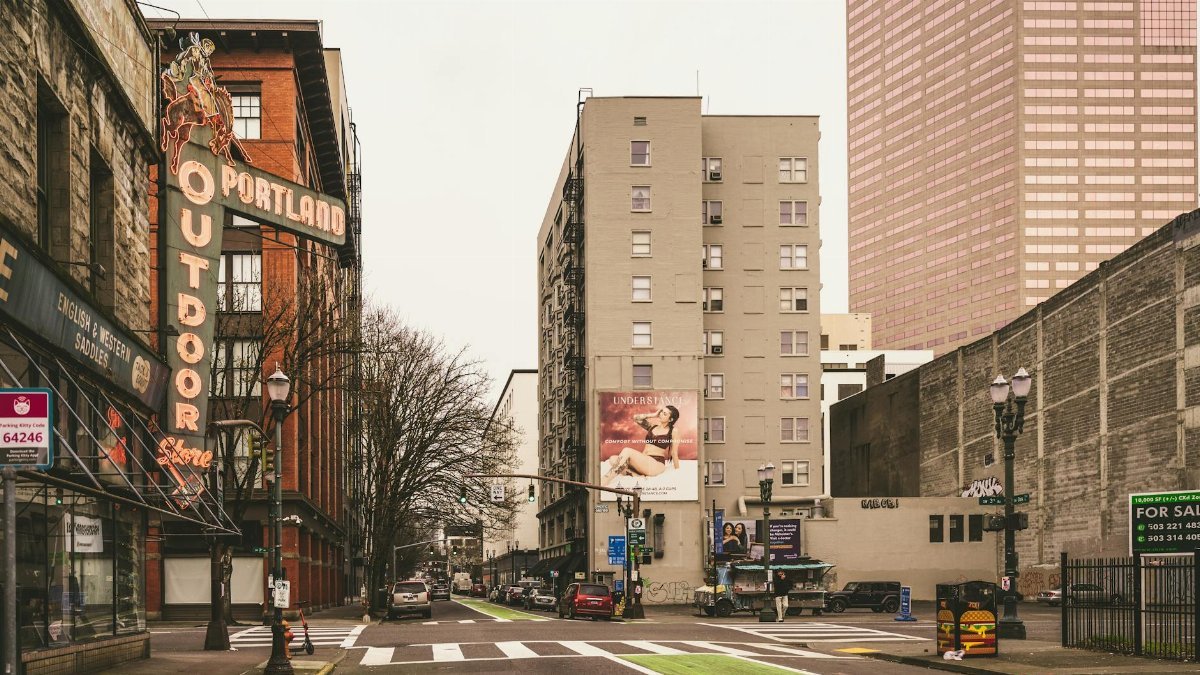
Portland integrates nature so thoroughly into its urban fabric that a simple walk can feel like a retreat. Forest Park within city limits ranks among the largest urban forests in America where trails wind beneath ancient evergreens. The Japanese Garden offers meticulously designed spaces for quiet reflection that consistently move visitors toward stillness.
Bridge crossings over the Willamette River provide panoramic views while neighborhood streets feature food carts bookstores and community murals. The citys commitment to bicycles and pedestrians creates an atmosphere of ease where travelers report feeling unusually safe and welcome. For those seeking balance between stimulation and serenity Portland delivers a rare harmony.
What Makes a City Truly Walkable for Vacationers
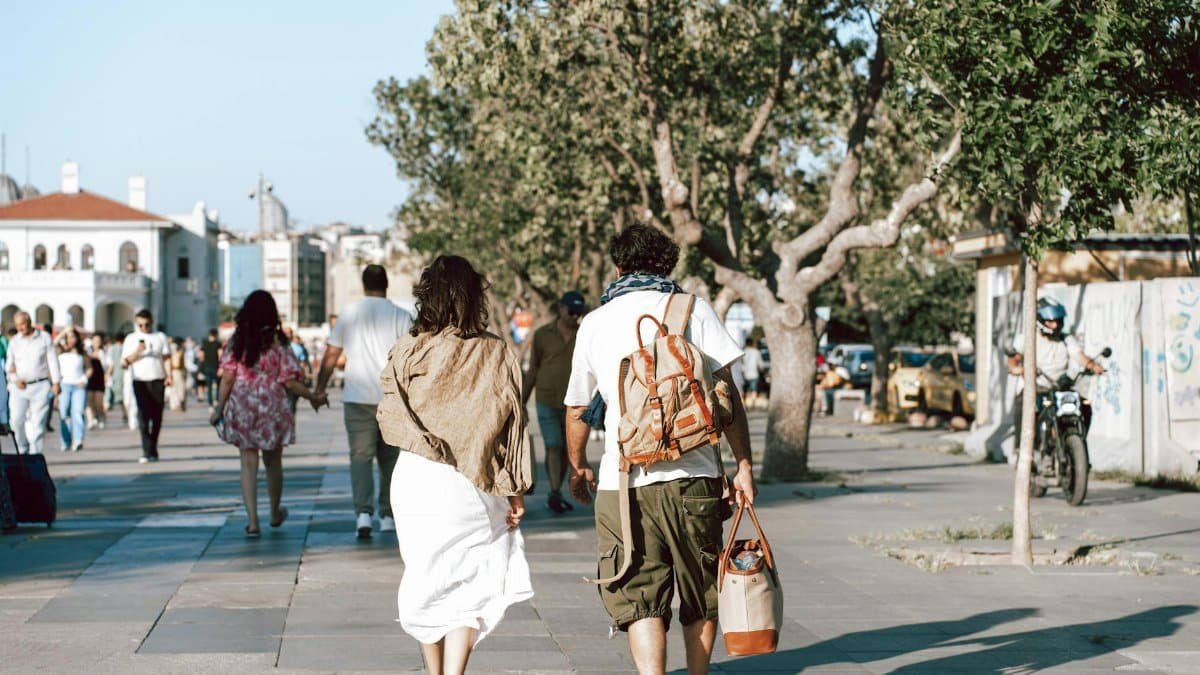
Walkability extends beyond distance. It includes safe crossings interesting streetscapes and destinations clustered closely enough to sustain interest without exhaustion. Cities that excel in this regard typically offer mixed use development abundant seating and clear wayfinding. These elements combine to create flow states where hours pass unnoticed and the mind remains both engaged and peaceful.
Organizations that measure such qualities consistently rank the cities above among the highest in the nation. Their success demonstrates that thoughtful design can support both practical needs and deeper human longings for connection and wonder.
Practical Advice for a Seamless Car Free Experience
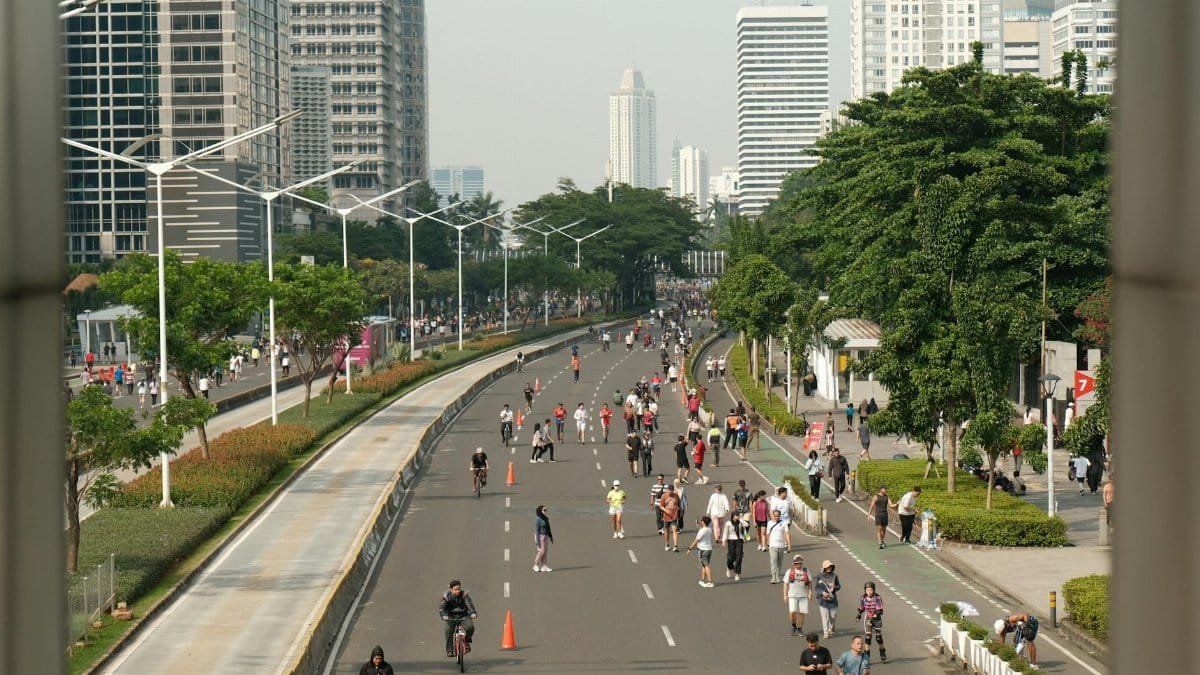
Choosing central accommodations within walking distance of key sites removes many logistical barriers. Comfortable supportive shoes prove essential as does a lightweight daypack for water layers and reading material. Digital maps work well yet paper guides still offer serendipitous discoveries when cell service falters.
Planning routes around meal times allows natural breaks at local establishments where conversations with servers and fellow diners often yield unexpected insights. Keeping daily distances reasonable prevents fatigue and preserves the sense of delight that makes these journeys memorable. Flexibility remains important since the best moments frequently arise when plans loosen.
Walking as a Pathway to Spiritual Discovery in Urban Settings

Across spiritual traditions walking has long served as a practice of prayer meditation and insight. In contemporary American cities this ancient approach finds new expression. The repetitive motion of footsteps can quiet mental chatter much like a mantra while the changing scenery provides material for contemplation. Many travelers report feeling a heightened sense of aliveness and gratitude after days spent exploring entirely on foot.
These walks often lead to small epiphanies. A conversation overheard on a park bench a historic plaque that suddenly feels personal or the sight of people caring for one another in public space can shift perspective in lasting ways. The cities featured here seem particularly conducive to such openings perhaps because their design encourages rather than resists human scale encounter.
The Environmental Rewards of Choosing to Stroll
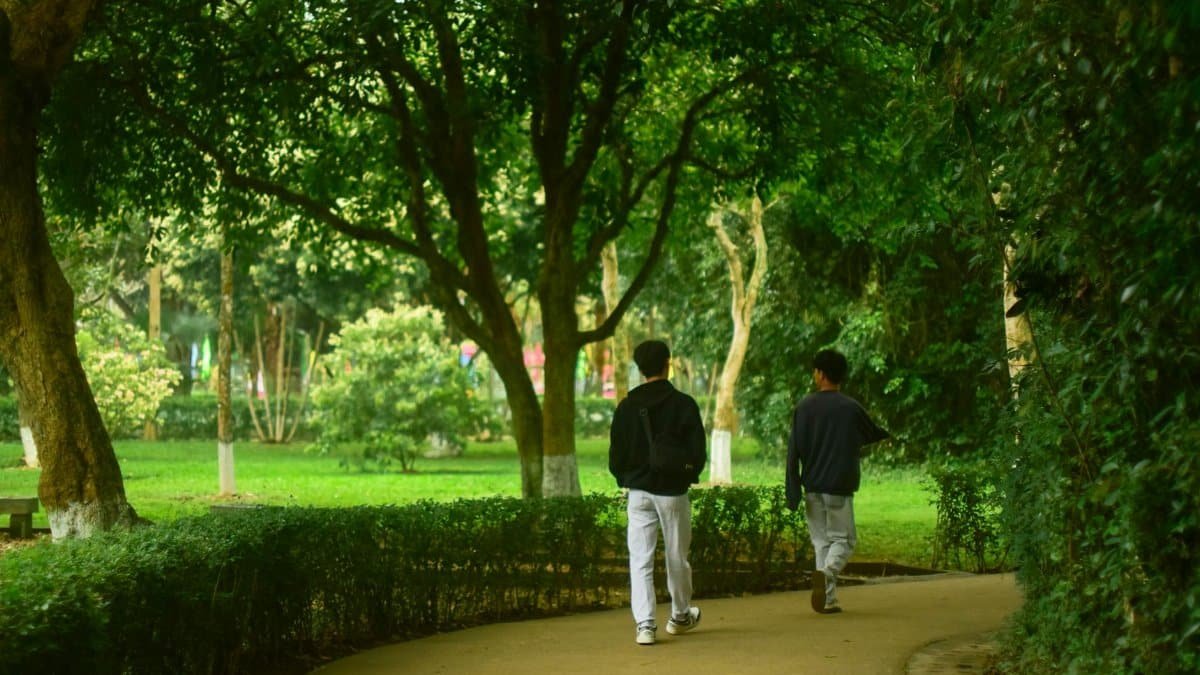
Opting for foot travel dramatically reduces the carbon footprint of a vacation. According to data from the Union of Concerned Scientists avoiding even short car trips can cumulatively match the impact of major lifestyle changes. Beyond numbers the direct experience of a city under ones own power fosters greater appreciation for its ecosystems and infrastructure.
Travelers often return home more conscious of their daily transportation choices. The satisfaction of experiencing a place fully while treading lightly creates positive reinforcement for sustainable habits long after the trip ends.
Building Authentic Connections Through Slow Travel
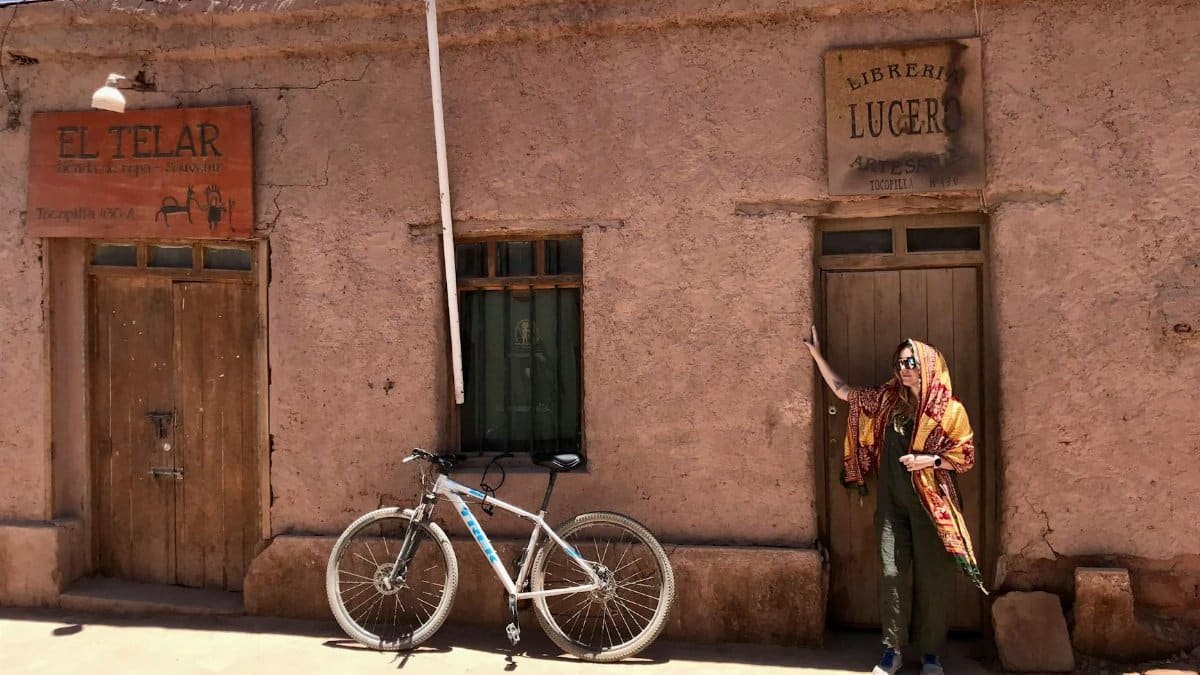
Speed tends to isolate while slowness invites interaction. When moving at walking pace conversations happen more naturally with shopkeepers dog walkers and other strollers. These brief exchanges accumulate into a richer understanding of a place than any guidebook can provide. Over time the traveler begins to recognize recurring faces and familiar rhythms that create a temporary sense of belonging.
Such connections often prove more memorable than famous landmarks alone. A recommendation from a local resident followed on foot can lead to a small museum a hidden garden or a particularly good cup of coffee shared in good company. These experiences feed the soul in ways that hurried itineraries rarely achieve.
Embracing the Unexpected on Foot in American Cities
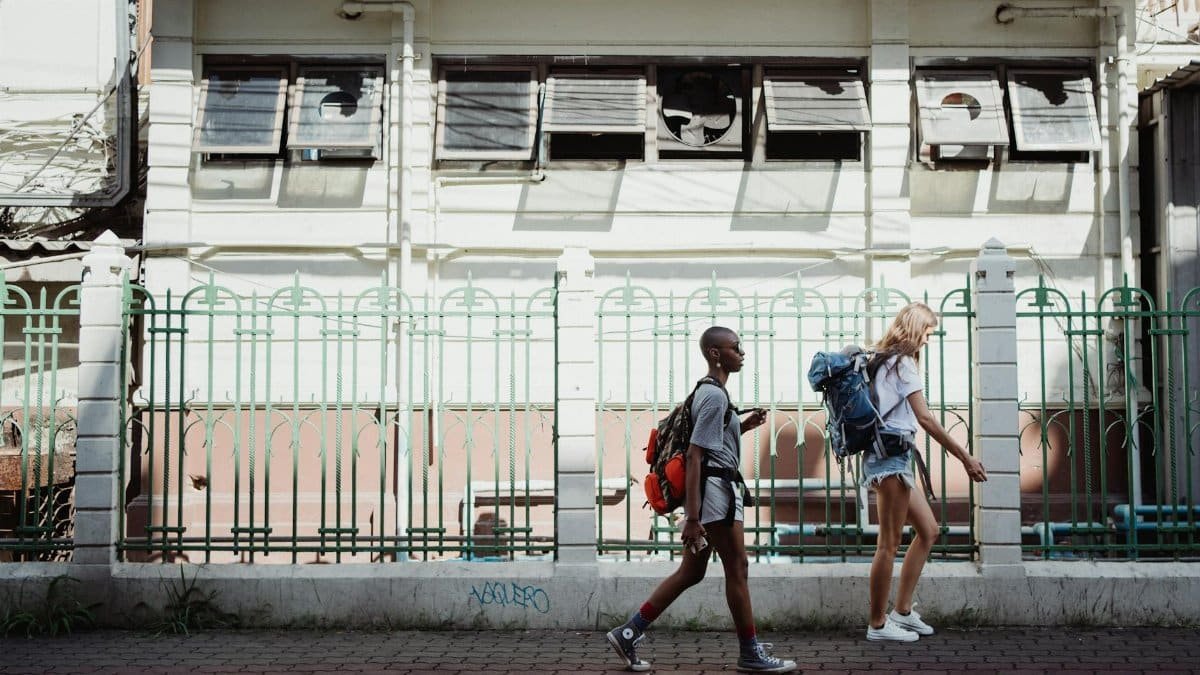
Walking leaves room for spontaneity. A beautiful doorway down an unexplored alley a street performance or an impromptu festival can redirect an entire afternoon toward delight. Cities that support walkability tend to reward such openness with layered opportunities for discovery at every scale.
The five destinations highlighted here each in their distinct way demonstrate how thoughtful urban form can nurture both adventure and inner quietude. They stand as compelling examples for anyone longing to experience America differently. By choosing to travel slowly and attentively visitors often find exactly what many spiritual traditions have taught for centuries. The path itself becomes the destination and every step holds potential for transformation.