
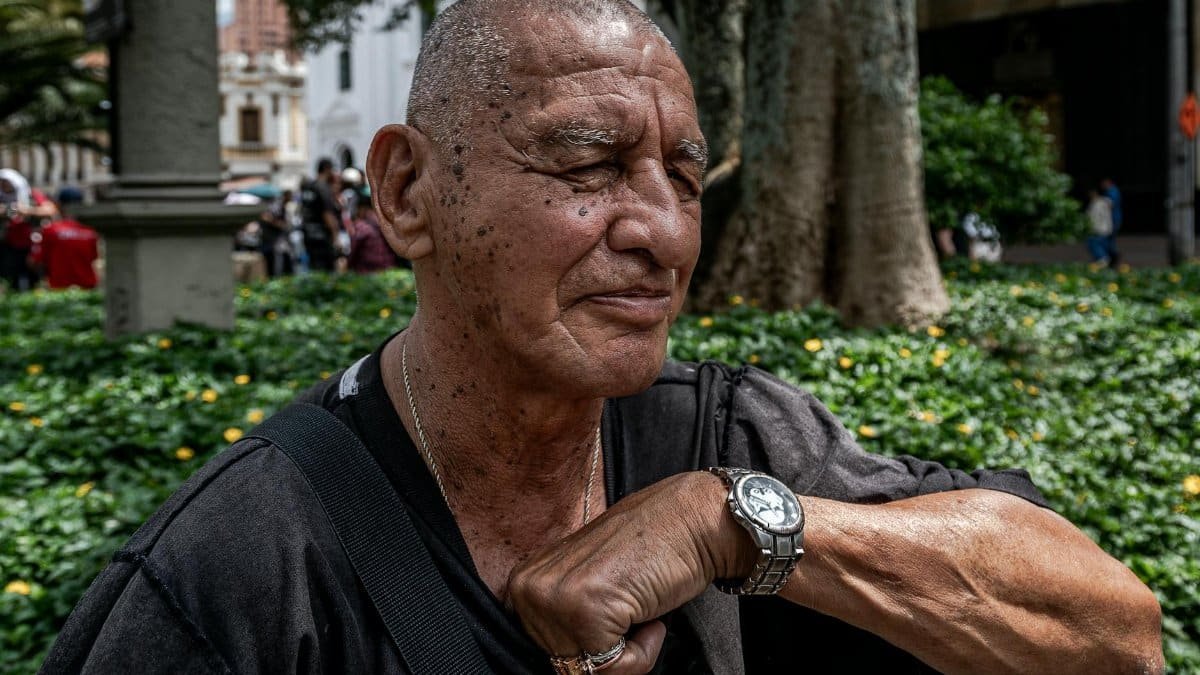
In suburbs from Seattle to Scarsdale, neighborhood watch groups are getting the cold shoulder. Once hailed as crime fighters, they’re now slammed for breeding paranoia and snitch culture that shreds the social fabric. Enter smarter alternatives: block parties, mutual aid squads and more that actually forge community trust without the binoculars. These grassroots gems are popping up nationwide, turning wary neighbors into allies and slashing petty beefs by double digits, per recent surveys from the National League of Cities. As one Chicago organizer puts it, “We’re done watching—we’re watching out for each other.”
Why Neighborhood Watch is Losing Steam

Neighborhood watch peaked in the ’90s but now feels dated and divisive. A 2023 Pew study found 62% of Americans view surveillance-heavy programs as eroding privacy, with false alarms sparking feuds. In Phoenix, a watch group imploded after doxxing a teen for loud music. Experts like urban sociologist Jane Jacobs Jr. argue these setups prioritize suspicion over solidarity. Contrast that with trust-building tactics: they’re voluntary, fun and data-backed. Cities like Austin report 30% drops in reported “suspicious activity” calls after pivoting to communal events, proving less eyes-on equals more harmony.
Block Parties: BBQ Bonds That Last

Nothing screams community trust like firing up grills en masse. Annual block parties in Portland’s Alberta Arts District have transformed cul-de-sac skeptics into barbecue buddies. Organizers use free city permits and apps like Nextdoor for RSVPs—no Big Brother required. A University of Michigan study tracked 500 neighborhoods: those hosting quarterly bashes saw neighborly chats jump 45%, with emergency response times cut by neighbors knowing who to call first. “It’s not about patrolling; it’s potlucks,” says resident Maria Lopez, whose street slashed vandalism via chit-chat.
Mutual Aid Networks: Neighbors as Safety Nets

Forget formal watches; mutual aid flips the script. Groups like Brooklyn’s Flatbush Mutual Aid swap tools, babysit and shovel snow, building reciprocity. During 2022’s East Coast storms, these networks delivered 10,000 meals without a single 911 ping for “loitering.” Harvard’s Joint Center for Housing Studies reports participants feel 70% safer, thanks to informal pacts over paranoia. Start small: a group chat for “need a ladder?” queries. In Detroit, one network resolved 80% of disputes internally, proving trust trumps tip lines.
Community Gardens: Dirt Under Nails, Trust in Hearts

Planting veggies beats planting cameras. Seattle’s P-Patch program turns empty lots into 90+ gardens, where neighbors till soil side-by-side. Yields? Fresher produce and friendships. A 2024 Journal of Urban Health paper analyzed 200 sites: garden users reported 55% higher “social cohesion” scores, with theft plummeting as plots became communal turf. In Atlanta’s West End, a garden co-op even mediated a gang truce. Low barrier: seed swaps and volunteer hours foster ownership without oversight.
Neighborhood Apps Done Right: Connect, Don’t Collect

Ditch the drone footage for apps like Citizen or Neighbors by Ring—but user-led. In San Diego, custom Slack channels share lost pets and pothole pics, sans surveillance. No mandatory cams; just opt-in alerts. MIT research on 1,000 groups shows these boost response rates 40% while privacy complaints drop to zero. “It’s info-sharing, not intel-gathering,” notes app moderator Tom Reyes. Pro tip: set ground rules banning drama posts to keep vibes positive.
Shared Childcare Circles: Kids as Trust Glue
Playdate rotations are the new watch captain. In Minneapolis’s Longfellow hood, “pod” parents rotate supervision, easing solo-parent stress. A 2023 Child Trends survey of 300 circles found 65% of families felt “deeply connected,” with child-related ER visits down 25% from quicker neighbor check-ins. No logs, just trust. Expand to tool libraries or carpool co-ops—same effect. As one mom in Oakland says, “Watching each other’s kids builds loyalty that no sign-up sheet matches.”
Hard Data: Trust Levels Skyrocketing

Skeptics want numbers? Neighborhoods swapping watch for these alts see community trust soar. The Knight Foundation’s 2024 gauge hit 68% approval in test burbs versus 41% for traditional watches. Crime? Stable or down: FBI stats from 50 pivot cities show no spikes. Vandalism and disturbances fell 22% on average, per local PD logs. Why? Relationships deter more than reports. Pollster Gallup echoes: “Proximity breeds empathy, not enmity.”
Launch Your Own Trust Revolution

Ready to reboot? Survey your street via flyers or a quick poll. Pick one alt—block party first for quick wins. Tap free resources: NLIHC’s community toolkit or apps like Partiful. Budget? Under $100 for most. Track success with anonymous “trust temps”—simple 1-10 polls. Warnings: keep it inclusive; drama derails. From Boise to Boston, these shifts are remaking ‘hoods. As Weber, reporting from the front lawns: the watch is winding down. Time to build up.
By Chris F. Weber