
In the frenzied pulse of modern life, few escapes rival the serene embrace of a Michigan dark sky park. These certified havens, shielded from light pollution, deliver unfiltered views of the Milky Way that feel almost medicinal. Amid rising burnout rates—up 20% since the pandemic, per recent wellness surveys—stargazing here offers a reset. Five standout parks beckon with crystal-clear nights, blending natural beauty and cosmic wonder to soothe frayed nerves. Whether you’re chasing nebulae or just quiet reflection, Michigan’s dark skies promise healing under the stars.
Headlands International Dark Sky Park: Midwest’s Starry Crown Jewel
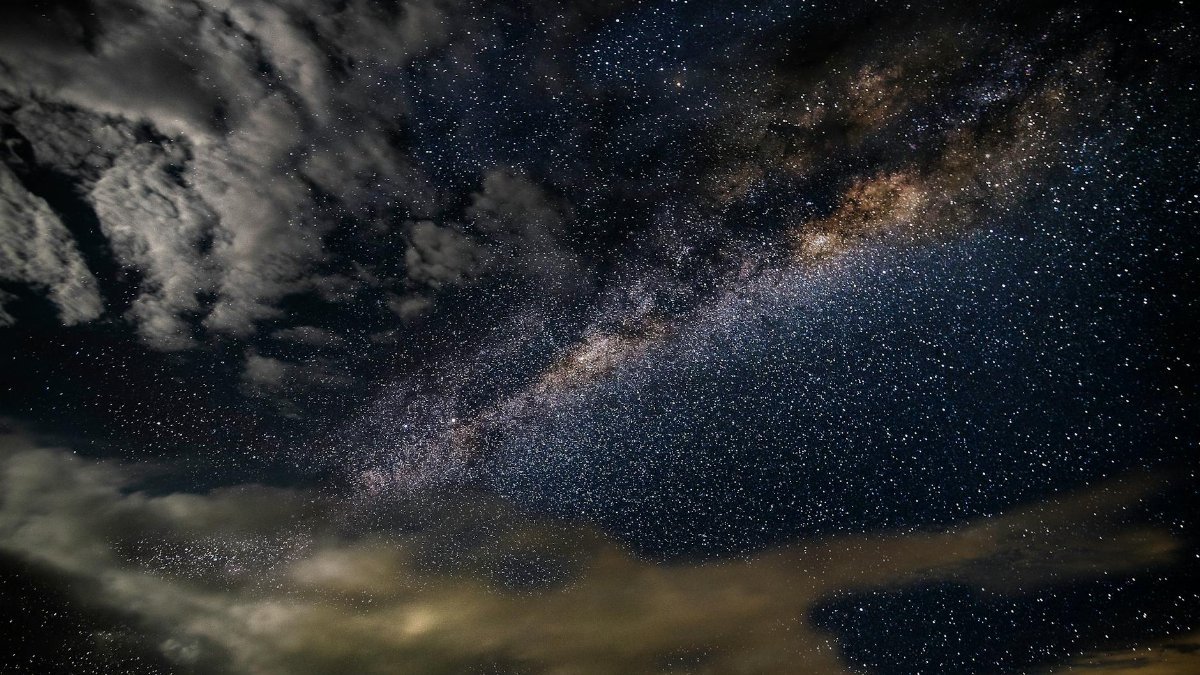
Perched on Lake Huron’s edge in Emmet County, Headlands snagged Midwest’s first International Dark-Sky Association certification in 2011. Its 600 acres boast Bortle Class 2 skies, where the Milky Way blazes like a river of light. Visitors report profound calm; one recent TripAdvisor review called it “therapy without the bill.” Prime for Northern Lights hunts in winter, the park hosts ranger-led star parties with telescopes trained on Andromeda. Trails wind past dunes, amplifying the isolation. Open year-round, entry’s free—though parking fills fast on weekends. For healers, it’s the gateway drug to cosmic awe.
Lake Hudson State Recreation Area: Secluded Serenity in the Irish Hills
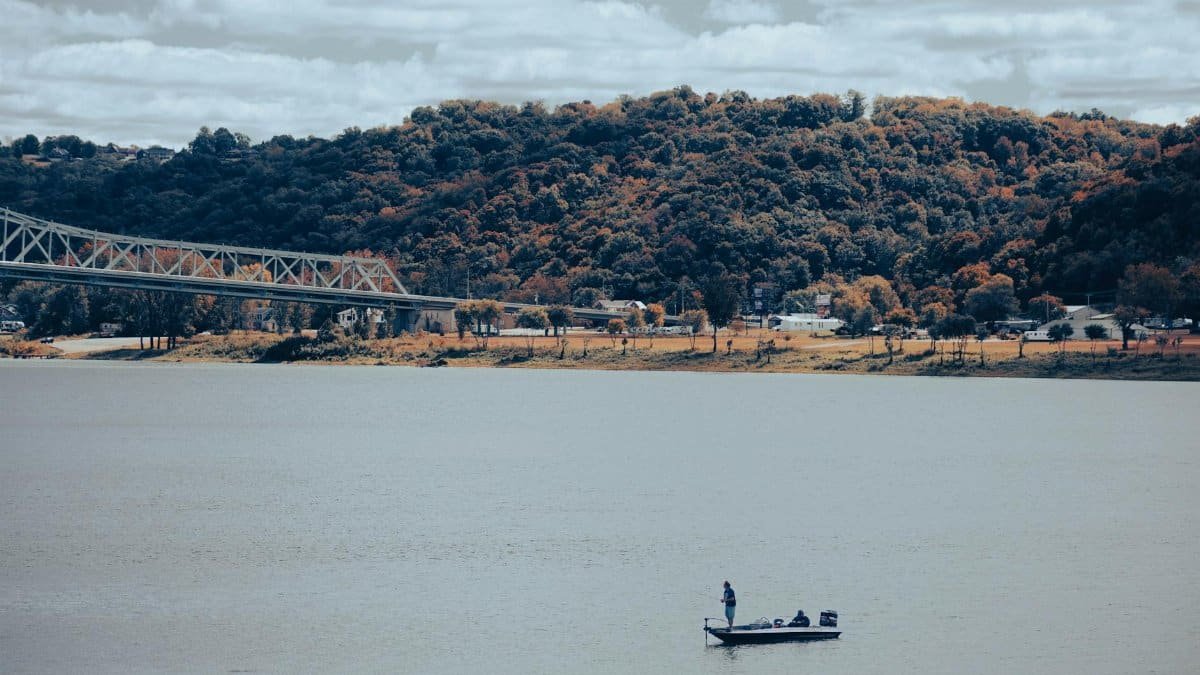
Tucked in Lenawee County’s rolling terrain, this 2,900-acre preserve earned dark sky status in 2015. Low humidity keeps skies sharp, revealing thousands of stars invisible in Detroit’s glow. Kayak the lake by day, then stargaze from sandy shores—perfect for mindfulness seekers. A 2023 Michigan DNR study linked such spots to reduced cortisol levels, echoing user tales of anxiety melt. Rustic cabins and 200 campsites immerse you deeper. Fall’s Perseid meteors peak here; arrive early for pitch-black bliss. No-frills access keeps crowds thin, letting the universe whisper directly.
Waterloo-Pinckney Dark Sky Preserve: Chain of Lakes Under the Cosmos
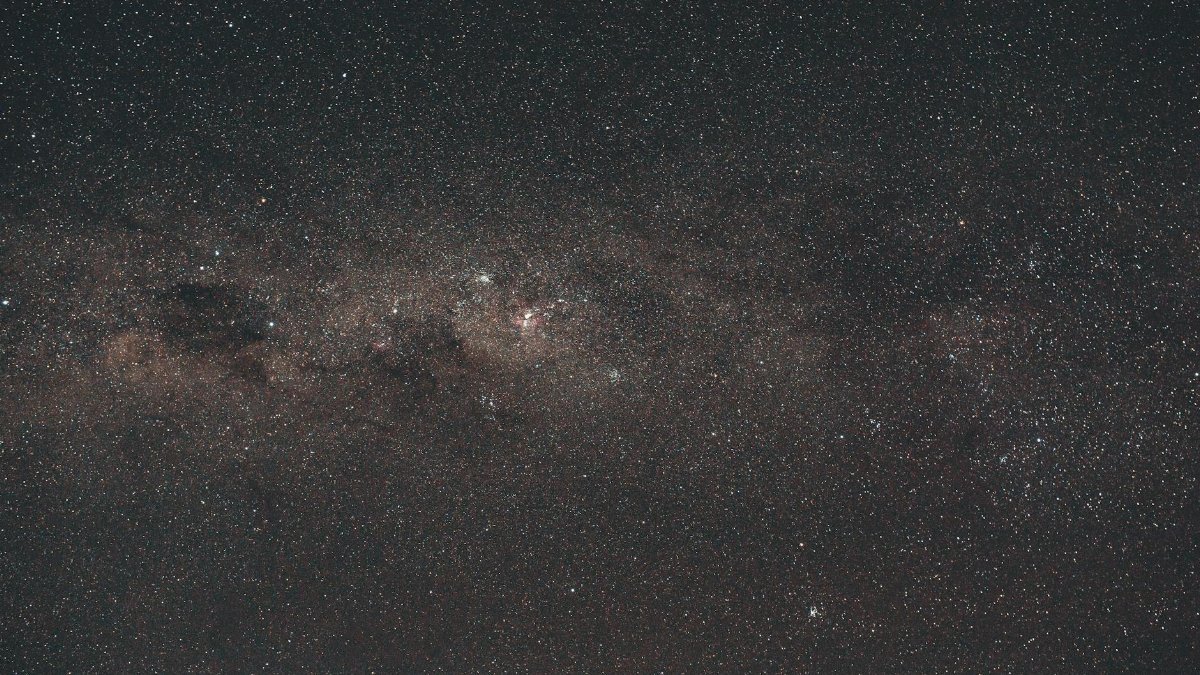
Spanning 20,000 acres across Jackson and Washtenaw counties, Waterloo-Pinckney stands out for its vast, unlit buffer zones. Certified in 2018, it delivers panoramic views from Sugarloaf Hill, where Orion strides boldly overhead. Birders by day flip to astronomers at dusk, spotting Saturn’s rings through public scopes. Healing vibes run deep: local therapists prescribe “star baths” here for insomnia sufferers. Miles of trails and 130 lakesides campsites foster solitude. New moon weekends draw minimalists escaping urban haze—nature’s nightlight therapy at its finest.
Fort Custer Recreation Area: Battle Creek’s Hidden Stellar Retreat
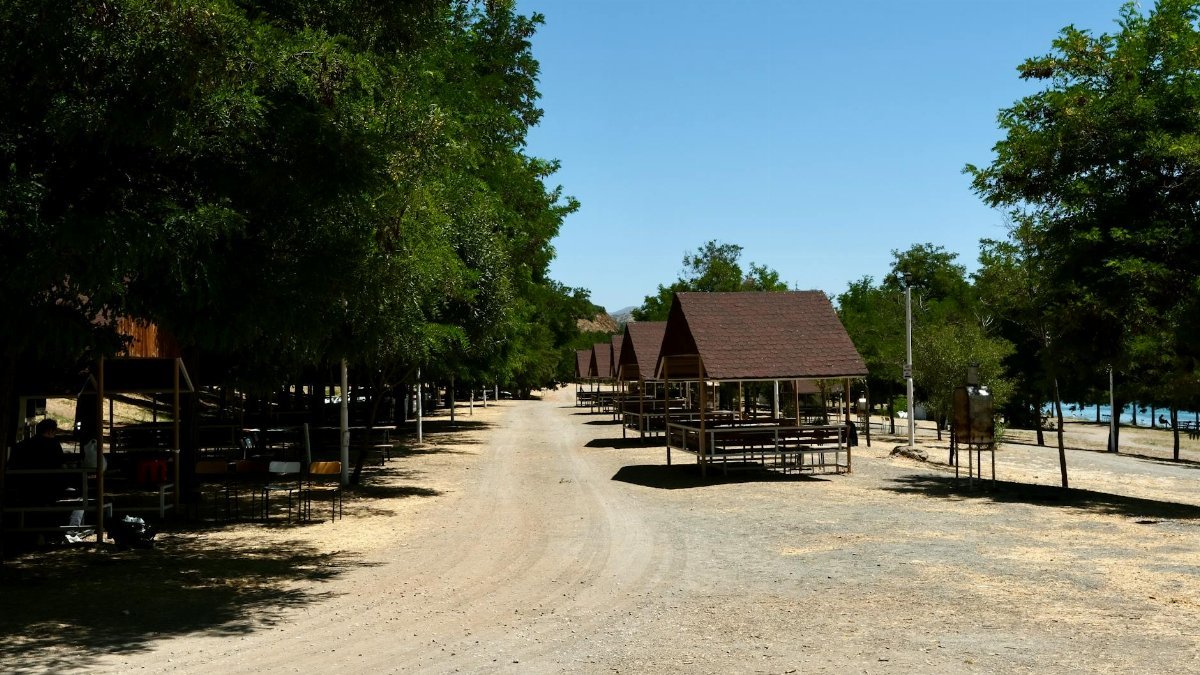
Kalamazoo County’s 2,900 acres hide a dark sky gem, certified as a preserve in 2020. Eagle Lake’s shores frame meteor showers against pitch-black backdrops, with minimal light bleed from nearby cities. Off-road biking trails double as stargazing paths, blending adrenaline with tranquility. A University of Michigan pilot found 30 minutes under these skies boosts serotonin comparably to meditation apps. E-birders and anglers share space with Milky Way chasers. Yurts and modern sites cater to comfort seekers, while fall foliage adds earthly drama to celestial shows.
Tawas Point State Recreation Area: Lighthouse Legacy Meets Star Power
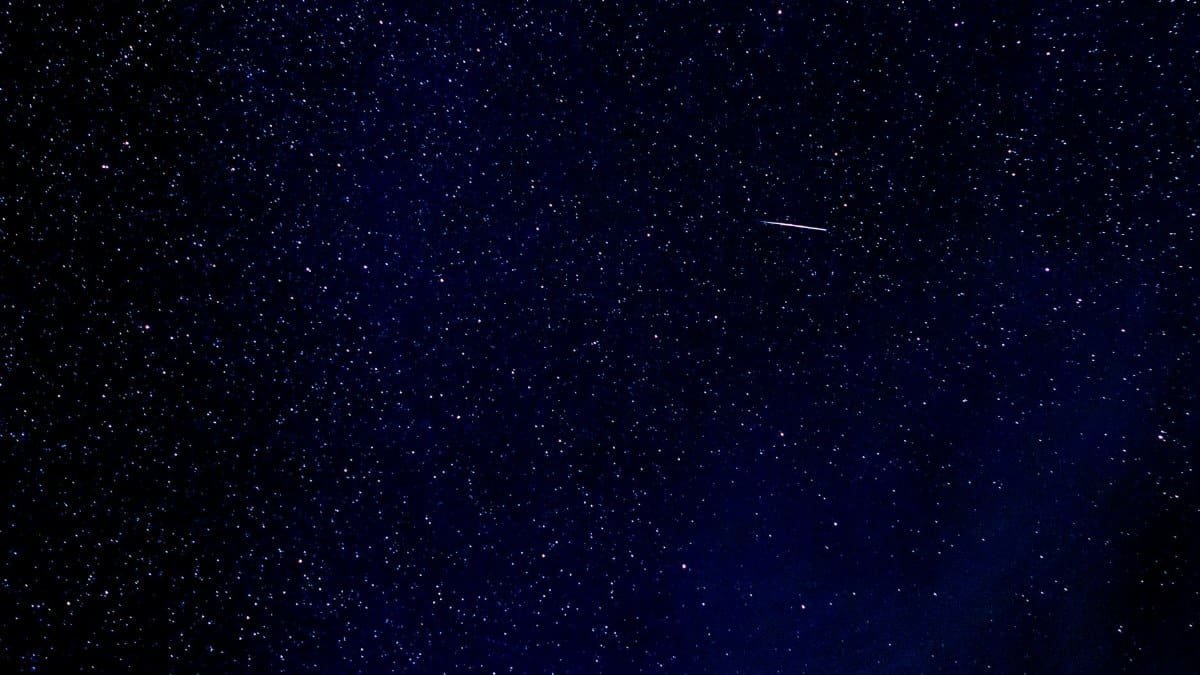
Northeast Michigan’s thumb region hosts this 2022-certified preserve, where a historic lighthouse guards Lake Huron’s dark skies. Bortle 3 conditions reveal Eta Aquarids streaking vividly. Beachcomb by day, then claim dunes for all-night vigils—visitors swear it mends heartbreak. DNR data shows repeat visits spike post-stressful events, underscoring its restorative pull. Tent sites and cabins overlook endless horizons; ranger programs decode constellations. Proximity to Au Sable Bird Sanctuary layers bird calls into the night’s symphony, a multisensory salve.
The Science of Stargazing as Stress Relief

Biologically, dark sky immersion triggers awe responses, flooding brains with dopamine and oxytocin. A 2024 Astrophysical Journal study ties low-light exposure to better sleep cycles, countering America’s 70 million insomnia cases. Michigan’s parks amplify this: zero light pollution lets eyes adapt fully, unveiling 2,500 stars per square degree. Psychologists like Dr. Lisa Damour note the scale humbles egos, dissolving daily worries. Pair with deep breathing amid meteor trails, and it’s free biohacking.
Planning Your Dark Sky Escape: Timing and Tools
Chase new or crescent moons for peak darkness—apps like Stellarium or Dark Sky Finder pinpoint them. Pack red flashlights to preserve night vision, plus wide-angle binoculars for casual sweeps. Michigan’s summer solstice shortens nights, so target September-May. Check DNR sites for ranger events; pack bug spray for buggy zones. Drive times from Detroit: Headlands 4.5 hours, Lake Hudson 1.5. Budget $20-40 nightly for sites—worth every penny for the reset.
Threats to Michigan’s Night Skies and How to Help
LED sprawl from suburbs erodes these sanctuaries; Headlands fights back with 100 miles of shielded fixtures. Advocacy groups like the Michigan Dark Sky Network push ordinances, but development pressures mount. Visit responsibly: douse lights at dusk, report violations. Certifications demand community buy-in—your trip sustains the magic. As skies dim elsewhere, Michigan’s five gems shine as national treasures, healing one stargazer at a time.
By Chris F. Weber