

In the rolling hills of central India, as the full moon rises over paddy fields, farmers pause their tractors and consult ancient charts before sowing rice. This ritual, repeated for generations, draws from lunar calendars that have dictated planting cycles for thousands of years. From China’s vast countrysides to the vineyards of Europe, these celestial guides persist in modern agriculture, challenging the dominance of GPS driven precision tools. Five ancient systems stand out for their enduring influence: the Chinese lunar calendar, Hindu lunisolar traditions, the Islamic Hijri reckoning, the Hebrew calendar, and Celtic lunar practices. Despite advances in agronomy, farmers report higher yields and healthier crops when aligning with the moon’s phases, blending folklore with observable results.
The Moon’s Enduring Role in Crop Cycles
Long before mechanized farming, early agrarians observed that lunar phases coincided with soil moisture and plant growth spurts. New moons brought rising sap, ideal for root crops, while waning moons suited leaf vegetables. This wisdom, encoded in lunar calendars across civilizations, offered a reliable counterpoint to erratic weather. Archaeological finds, such as Mesopotamian tablets from 2000 BCE, detail moon tracked sowing. Today, biodynamic advocates like those following Rudolf Steiner’s principles revive these methods, claiming enhanced vitality in produce. The persistence speaks to a deep intuition, now scrutinized by science for potential tidal influences on groundwater.
China’s Lunar Calendar: A Four Millennia Legacy

The Chinese lunar calendar, refined over 4,000 years, merges 12 lunar months with 24 solar terms, creating a lunisolar framework perfect for rice paddies and tea gardens. Farmers plant during the “Clear Brightness” term near spring equinox, when the waxing moon boosts germination. Historical texts like the Zhou Dynasty almanacs prescribed actions by zodiac hour and phase. In contemporary rural China, over 70 percent of smallholders still reference the Tong Shu almanac for transplanting seedlings, attributing bumper harvests to its guidance. Even urban gardeners in Beijing download apps echoing these traditions, sustaining a billion dollar organic sector.
Hindu Lunisolar Traditions and Monsoon Precision

In India, the Hindu Panchang calendar integrates lunar days or tithis with 27 nakshatras, stellar mansions that pinpoint optimal planting windows. For sugarcane and millets, the full moon in Magha signals sowing amid monsoon onset. Vedic scriptures from 1500 BCE extol these alignments for bountiful yields. Modern extensions reach Kerala coconut groves, where farmers time harvesting to avoid waxing moon sap surges that invite pests. A 2018 study by the Indian Council of Agricultural Research found 15 percent better germination rates for lunar timed seeds, fueling adoption among 200 million small farmers navigating climate variability.
The Islamic Hijri Calendar in Arid Farmlands
The purely lunar Hijri calendar, established in 622 CE, tracks 12 months of 29 or 30 days via new crescent sightings, influencing date palms and olives across the Middle East. Planting follows Muharram new moon for grains, with Ramadan fasting heightening communal field preparations. Ottoman era records show yield predictions based on moon visibility. Today, in Morocco’s argan orchards and Saudi wheat belts, cooperatives use Hijri apps for irrigation schedules, believing waning phases reduce evaporation. This system supports 40 million hectares of rainfed agriculture, where satellite data now complements ancestral sky watching.
Hebrew Calendar’s Festivals Tied to the Soil
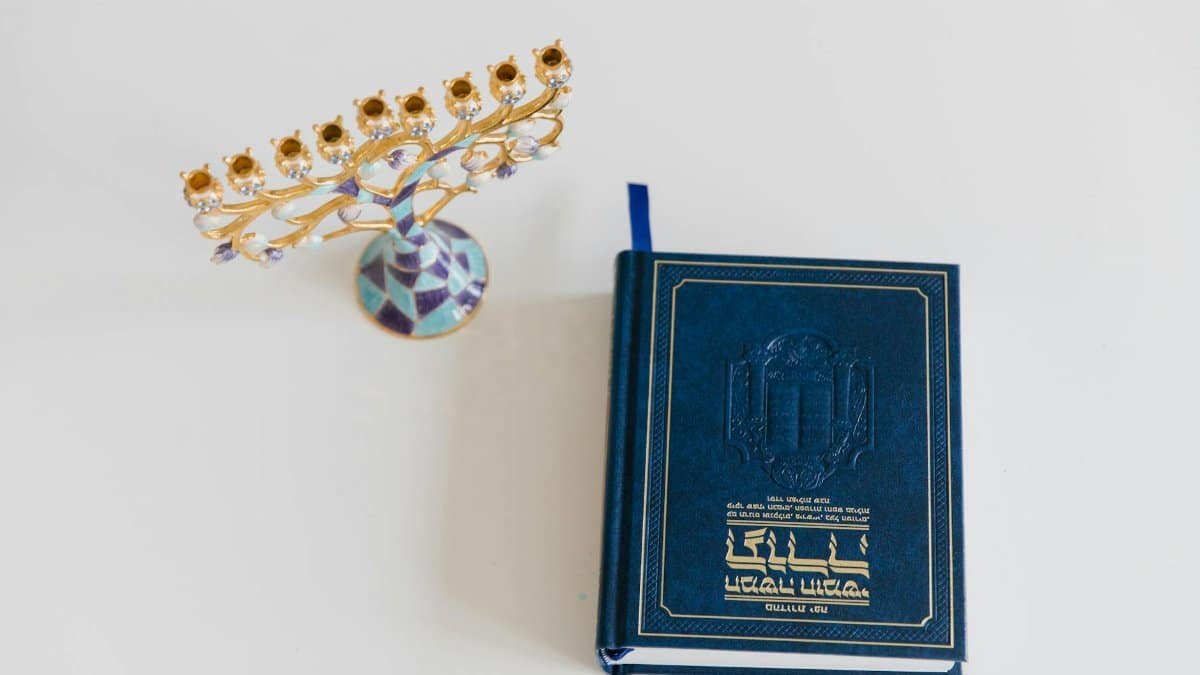
The Hebrew calendar, lunisolar since the second century BCE, synchronizes Passover with spring barley ripening and Sukkot harvest festivals. New moon Rosh Chodesh marks monthly agricultural resets, with Shmita sabbatical years resting fields every seven. Talmudic farmers favored waxing moons for legumes. In modern Israel, kibbutzim integrate these into drip irrigation plans, timing grapevines to Tu B’Shvat new year for trees. Organic vineyards report denser clusters, echoing Mishnaic advice. Amid water scarcity, this calendar aids sustainable viticulture, blending faith with data driven yields.
Celtic Lunar Practices Echo in Western Fields

The ancient Celtic Coligny calendar, discovered in France and dating to the first century BCE, divided the year into lunar months with intercalary additions, guiding oat sowing and cattle breeding. Full moons heralded Samhain plowing. These influenced medieval European almanacs, reaching America’s Old Farmer’s Almanac, which advises planting potatoes in dark of the moon. Biodynamic farms in California’s Napa Valley follow similar rhythms, with practitioners citing improved soil biology. A network of 5,000 global adherents demonstrates vitality, particularly in regenerative agriculture resisting industrial monocultures.
Modern Science Meets Ancient Lunar Wisdom
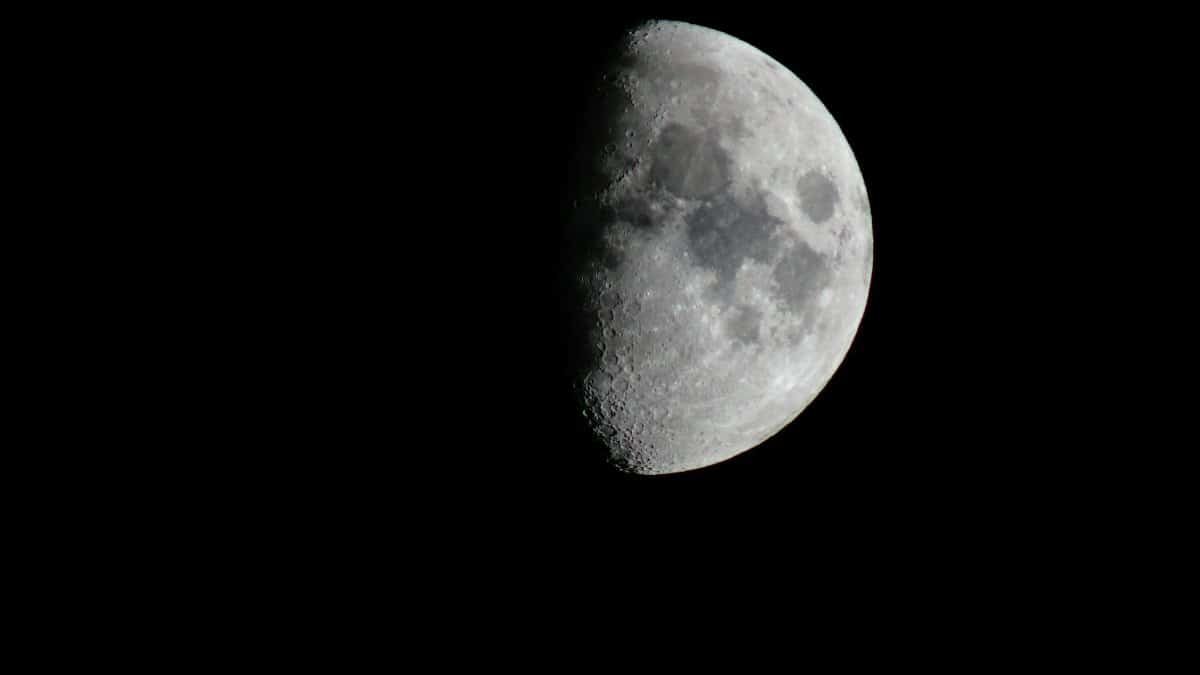
Skeptics long dismissed lunar calendars as superstition, but research uncovers nuances. A 2020 review in Agronomy analyzed 50 trials, finding minor but consistent growth boosts from full moon planting, possibly from increased moonlight photosynthesis or gravitational tides lifting nutrients. NASA’s lunar gravity models support groundwater fluctuations aligning with phases. While not revolutionary, these effects compound in organic systems, explaining why 20 percent of U.S. specialty crop farmers track the moon via apps like Farmers’ Almanac digital tools. Validation bridges tradition and empiricism.
Revival Amid Climate Uncertainty
As erratic weather challenges forecasts, lunar calendars offer low tech resilience. In drought prone Australia, wheat growers experiment with Chinese inspired phasing, reporting stable outputs. Apps like Moon Phase Gardening democratize access, used by 10 million worldwide. Yet challenges persist: urbanization erodes knowledge transmission, and purists debate digital versus observational sighting. Still, UNESCO recognition of indigenous calendars as intangible heritage bolsters preservation. For farmers facing upheaval, the moon provides a constant, whispering cycles that outlast algorithms.
These five lunar calendars remind us that some wisdom endures because it works. In an era of big data, glancing skyward reconnects growers to rhythms shaping life itself, promising harvests both abundant and attuned.