
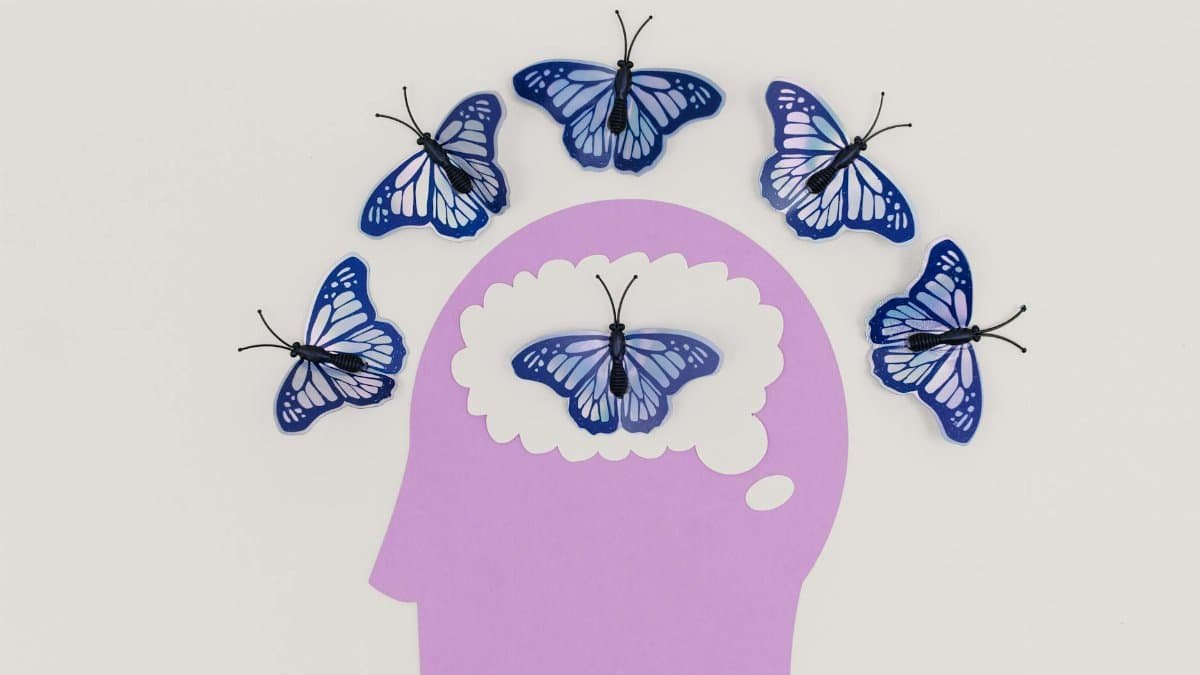
A recent study from the National Institutes of Health found that nearly 18% of American adults now practice meditation regularly, up from just 4% two decades ago, signaling a quiet revolution in how we chase mental clarity amid chaotic lives. This surge isn’t just a fad; it’s backed by brain science showing how meditation can literally rewire neural pathways for greater calm, focus, and awareness. In places like Charlotte, North Carolina, where urban stress meets Southern pace, people are turning to these practices to counter daily pressures. From busy professionals juggling remote work to retirees seeking inner peace, the appeal cuts across ages. But what exactly happens inside the brain? Emerging research paints a compelling picture of transformation, one breath at a time.
1. Shrinking the Fear Center

Meditation has a knack for taming the amygdala, that almond-shaped cluster in the brain wired for fight-or-flight responses. Think of it as dialing down an overactive alarm system. Studies show consistent practice can reduce its size and reactivity, leading to less knee-jerk anxiety. In one vivid example, a Charlotte teacher shared how her morning sessions helped her face classroom chaos without the usual panic. It’s not magic; neuroimaging from places like Harvard reveals actual structural changes after just eight weeks. This rewiring fosters a baseline of calm, making everyday stressors feel more manageable.
2. Bolstering Decision-Making Muscle

The prefrontal cortex, responsible for executive functions like planning and impulse control, gets a serious upgrade through meditation. Regular sessions thicken this region, enhancing focus amid distractions. Imagine a parent in a bustling household suddenly able to prioritize tasks without overwhelm. Research from the National Center for Biotechnology Information highlights how mindfulness practices increase gray matter here, promoting clearer thinking. It’s like giving your brain’s CEO a better office space.
3. Enhancing Memory and Emotion Zones

Dive into the hippocampus, where memories form and emotions brew, and you’ll see meditation’s fingerprints. Practitioners often report sharper recall and steadier moods, thanks to increased density in this area. A study participant once described it as “clearing mental fog,” turning scattered thoughts into organized insights. Evidence from the University of California supports this, showing volumetric growth after meditation programs. This boost aids awareness, helping people notice subtle emotional shifts before they escalate.
4. Sparking Neuroplasticity

At its core, meditation encourages the brain’s ability to form new connections, a process called neuroplasticity. This flexibility means old stress patterns can be overwritten with calmer responses. Picture rewiring a faulty circuit; over time, it hums smoothly. Insights from Harvard Gazette illustrate how even short daily practices trigger these adaptations, paving the way for sustained focus.
5. Cutting Stress Hormones

Cortisol, the body’s stress messenger, drops significantly with meditation. Lower levels mean less inflammation and a more relaxed state overall. One anonymous online account from a forum user in 2025 detailed how this shift turned chronic worry into quiet confidence. Backed by data from the American Psychological Association, it’s clear this chemical tweak rewires the brain for enduring calm.
6. Sharpening Attention Span

In our notification-saturated world, meditation rebuilds the brain’s attention networks. It strengthens pathways that sustain focus, countering digital distractions. A middle-aged executive in Charlotte might start noticing longer periods of undivided concentration at work. Functional MRI scans reveal enhanced connectivity in these areas, as noted in reports from the National Institutes of Health.
7. Cultivating Mindfulness

Awareness blossoms as meditation trains the mind to observe thoughts without judgment. This meta-cognition rewires habitual reactions, fostering presence. It’s like installing a pause button in your mental stream. Researchers at Yale have documented these changes, showing improved self-monitoring skills that ripple into daily life.
8. Regulating the Wandering Mind

The default mode network, active during mind-wandering, gets reined in by meditation. Better control here reduces rumination, a key driver of anxiety. Envision breaking free from endless “what if” loops. Studies from NCBI confirm decreased activity in this network, leading to more focused states.
9. Boosting Calming Chemicals

GABA, the neurotransmitter that soothes nerves, surges with regular practice. This uptick promotes relaxation without pharmaceuticals. A practitioner might feel it as a gentle wave of tranquility during rush hour. Neurochemical analyses from leading labs underscore this shift toward calm.
10. Diminishing Rumination

By interrupting repetitive negative thoughts, meditation alters pathways linked to overthinking. This break allows for fresher perspectives. One story from a group session highlighted a retiree who finally let go of past regrets. Brain imaging supports this, showing reduced activity in rumination centers.
11. Fine-Tuning Emotions

Emotional regulation improves as meditation strengthens connections between the prefrontal cortex and limbic system. Ups and downs feel less extreme. It’s akin to adjusting a thermostat for steady comfort. Data from the American Psychological Association illustrates these enhancements vividly.
12. Growing Empathy Circuits

Meditation expands brain regions tied to compassion, like the insula. This fosters deeper connections with others, indirectly boosting personal calm. In family dynamics, it might mean more patient responses. Longitudinal studies reveal these empathetic rewirings over time.
13. Optimizing Sleep Patterns

Better sleep comes from meditation’s impact on the pineal gland and circadian rhythms. Deeper rest rewires the brain for daytime alertness. A night owl turned early riser credited this to consistent practice. Sleep research affirms the neural shifts involved.
14. Easing Inflammation

Chronic inflammation, linked to stress, diminishes as meditation modulates immune responses in the brain. This leads to clearer thinking and reduced fatigue. Emerging 2025 trends show more Americans using it for this benefit. Scientific reviews back the anti-inflammatory effects.
15. Building Stress Resilience

Resilience grows through fortified neural pathways that buffer against adversity. Meditation acts like mental armor. During economic uncertainties, it helps maintain focus. Evidence from resilience studies highlights these protective changes.
16. Increasing Cognitive Flexibility

The brain becomes more adaptable, switching between tasks with ease. This flexibility counters rigidity, enhancing awareness. Professionals report smoother workflow transitions. Neurocognitive tests demonstrate these improvements post-meditation.
17. Heightening Self-Awareness

Deeper insight into one’s thoughts and behaviors emerges, rewiring self-perception networks. It’s a foundation for authentic calm. Personal reflections often reveal this gradual unveiling. Psychological frameworks support the self-awareness gains.
18. Elevating Mood Chemicals

Serotonin and dopamine levels rise, promoting well-being. This chemical harmony rewires reward systems for natural joy. Amid midlife transitions, it offers a subtle lift. Biochemical studies confirm these positive shifts.
19. Strengthening Brain Connections

White matter tracts, the brain’s communication highways, densify with meditation. Better integration means smoother calm, focus, awareness. It’s like upgrading from dial-up to fiber optic. Diffusion tensor imaging reveals these enhancements.
20. Alleviating Anxiety Symptoms

By targeting anxiety circuits, meditation reduces overall symptom severity. Neural patterns shift toward equilibrium. A Charlotte resident’s journey from panic attacks to poise exemplifies this. Clinical trials document the rewiring process.
21. Instilling Everyday Tranquility

Ultimately, these changes culminate in a pervasive sense of calm that infuses daily routines. The brain, once prone to turbulence, now navigates life with steady awareness. As more embrace this in 2025, communities like Charlotte see collective benefits. It’s a testament to meditation’s profound, science-backed power.