
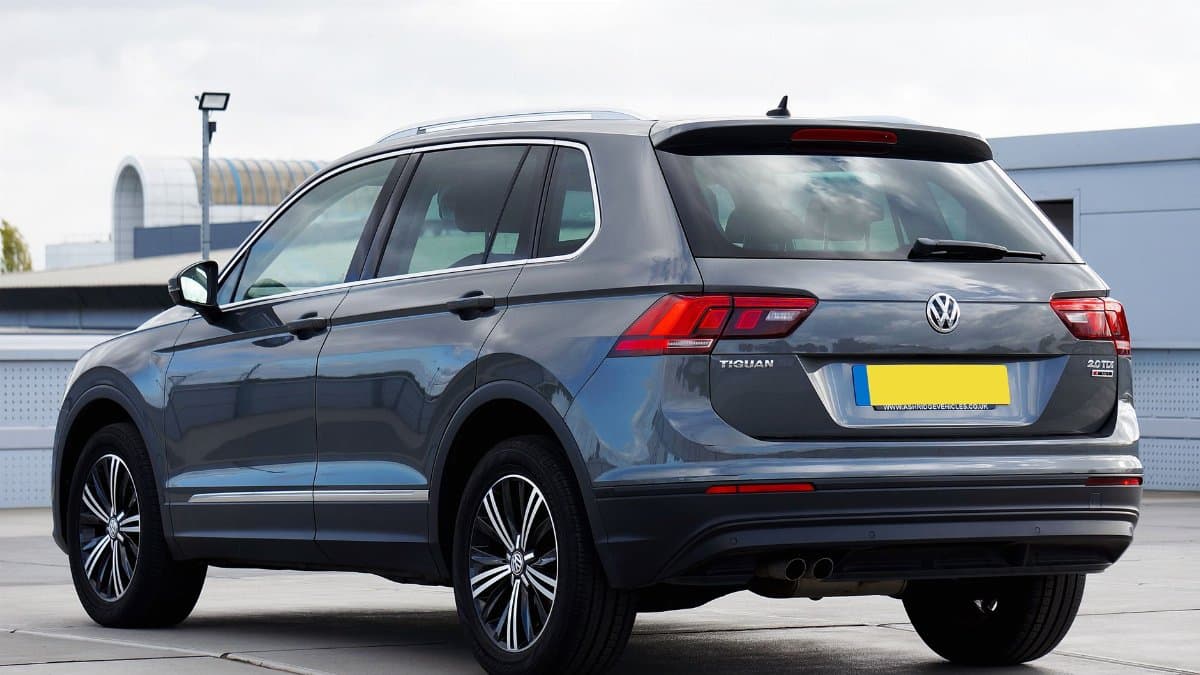
The latest generation of compact sport utility vehicles continues to evolve in ways that surprise even longtime observers of the segment. Families weighing options for reliability and daily usability now face models that emphasize stronger engines and refined interiors. One standout example arrives with the Volkswagen Tiguan turbo 2026 which brings meaningful increases in output without abandoning the practical roots that have long defined the nameplate. Early evaluations highlight agile handling paired with a smooth ride quality that suits both highway runs and neighborhood errands. The as tested price of 45410 dollars for a loaded SEL R Line example reflects added equipment yet also raises questions about value in a crowded field. Acceleration figures from independent testing show a zero to 60 miles per hour time of 6.7 seconds which improves noticeably over earlier versions. Such numbers position the vehicle competitively while preserving familiar strengths in space and comfort.
Powertrain Upgrades and Acceleration Gains
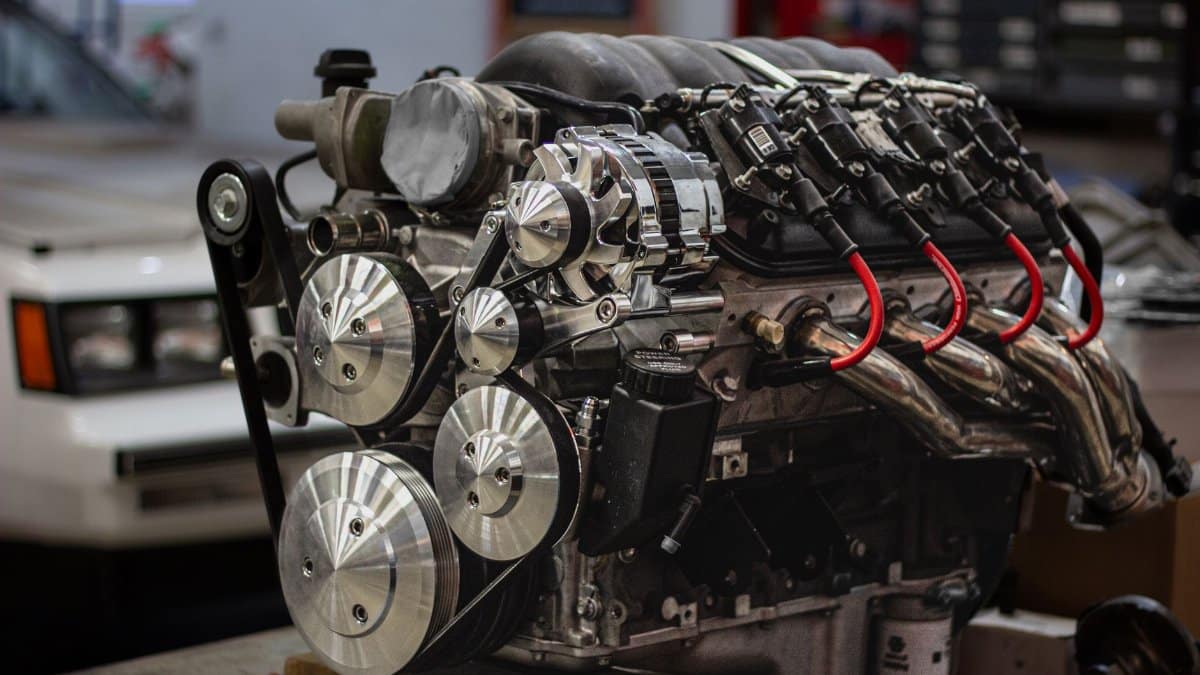
The turbocharged four cylinder engine in this model produces 268 horsepower which represents a clear step forward from prior iterations. Drivers report responsive throttle behavior that makes merging and passing feel effortless on busy interstates. Fuel economy estimates remain competitive for the class though real world results vary with driving style and load. The eight speed automatic transmission shifts smoothly without hesitation during normal operation.
Interior Comfort and Material Quality
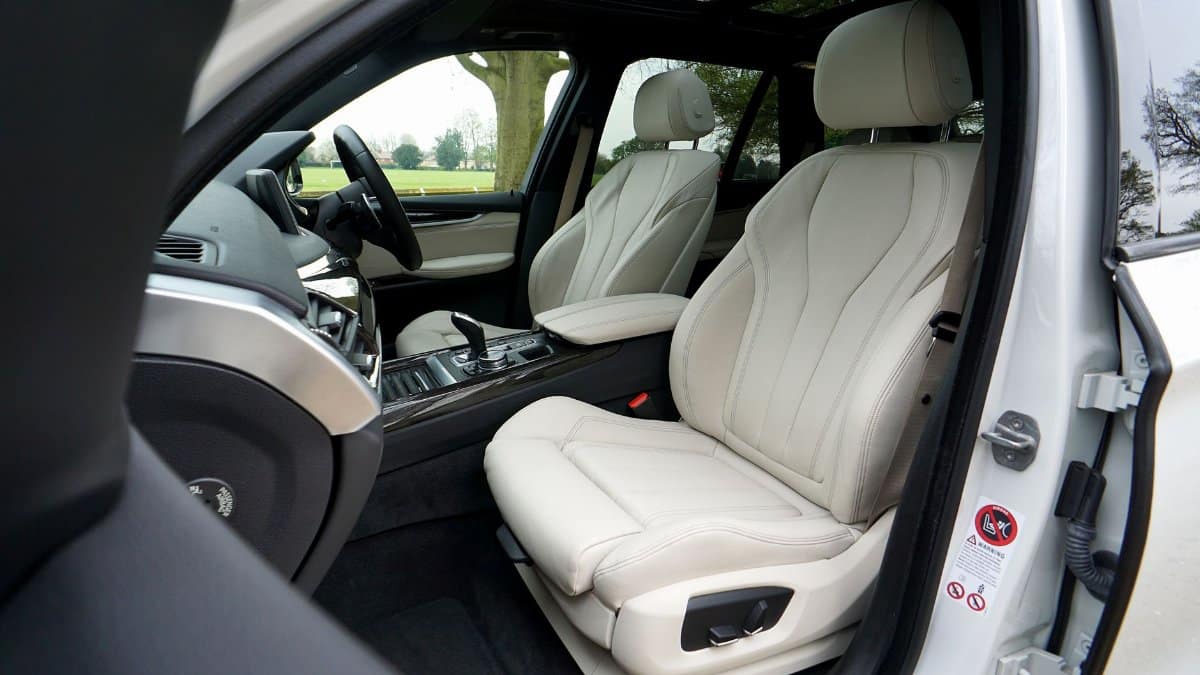
Passengers benefit from supportive seating and ample legroom across both rows. Soft touch surfaces cover most touch points while ambient lighting adds a premium atmosphere after dark. Cargo space behind the rear seats measures generously enough for weekend luggage or grocery runs. Noise levels stay low at cruising speeds which enhances long distance travel.
Handling Dynamics on Varied Roads
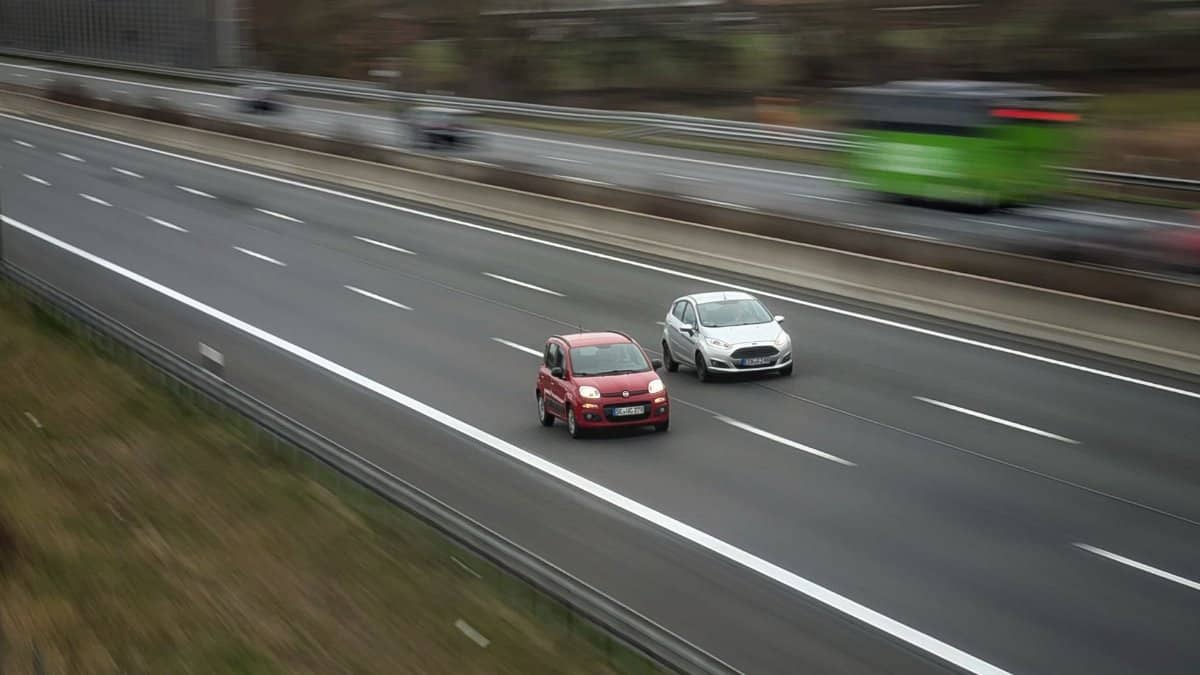
The chassis tuning delivers confident cornering without sacrificing ride plushness over rough pavement. Steering effort feels natural and direct which aids in city maneuvers. All wheel drive capability comes standard on higher trims and provides sure footing in wet conditions. Brake feel remains progressive and strong throughout repeated stops.
Technology Features and Infotainment
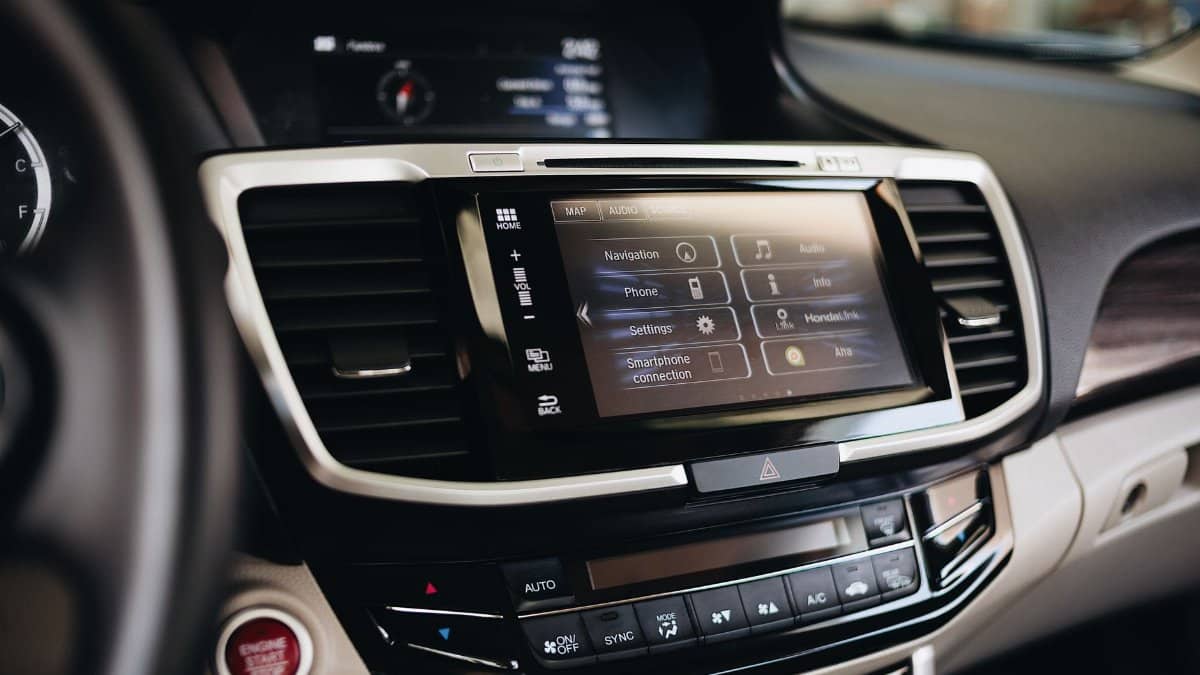
A large central touchscreen manages navigation audio and vehicle settings with intuitive menus. Wireless smartphone integration works reliably for calls and music streaming. Digital instrument displays offer customizable views that keep key data visible. Multiple USB ports ensure devices stay charged during extended trips.
Climate Control System Shortcomings
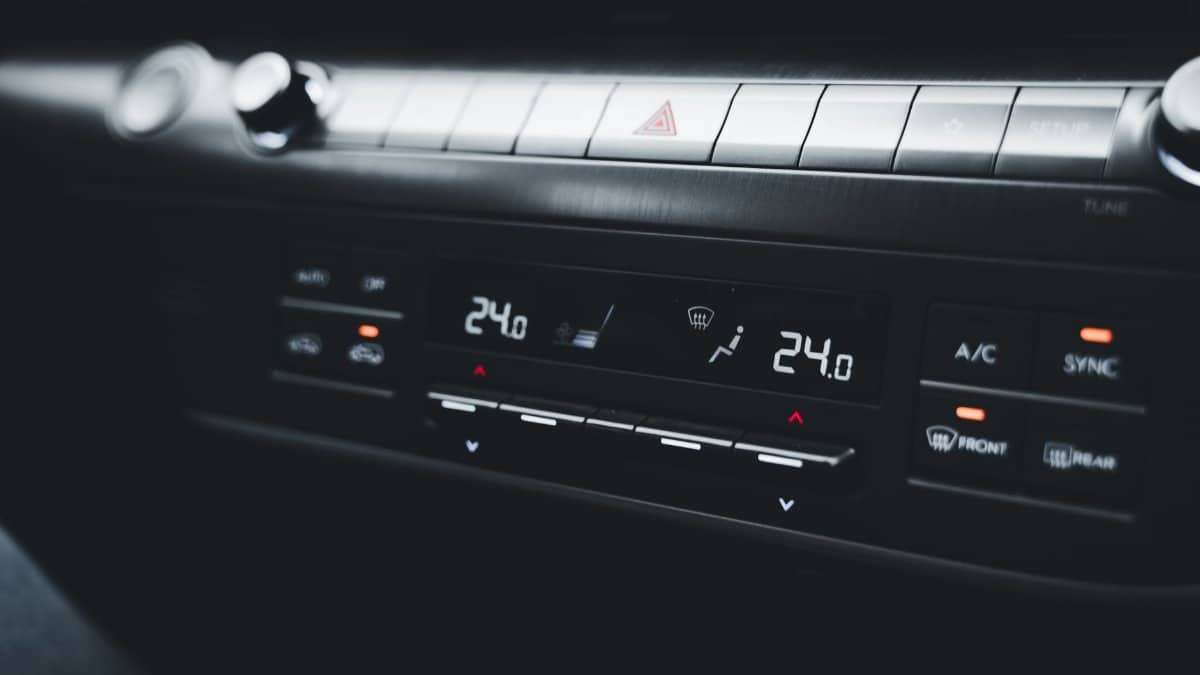
The heating and cooling interface draws criticism for small icons and multiple menu layers that distract during operation. Temperature adjustments require extra steps compared to simpler physical controls found elsewhere. Rear passengers sometimes struggle to fine tune their own settings quickly.
Safety Equipment and Driver Aids
Standard forward collision warning and automatic emergency braking provide added peace of mind in traffic. Lane keeping assistance helps maintain position on long drives though it can feel overly intrusive at times. Blind spot monitoring activates promptly when vehicles approach from the sides. Backup cameras deliver clear images with helpful guidelines.
Pricing Strategy and Market Positioning

The elevated cost reflects added power and content yet places the vehicle above some direct rivals. Buyers must decide whether the performance boost justifies the premium over base models. Lease deals and financing offers may soften the initial outlay for qualified customers. Resale projections remain strong based on historical data from the brand.
Owner Impressions After Extended Use

Early adopters note improved confidence during highway merges thanks to the extra horsepower. Daily commutes feel less taxing due to refined cabin isolation. Some mention occasional software updates that refine system responsiveness over time. Overall satisfaction stays high among those who prioritize a balance of utility and driving engagement.