
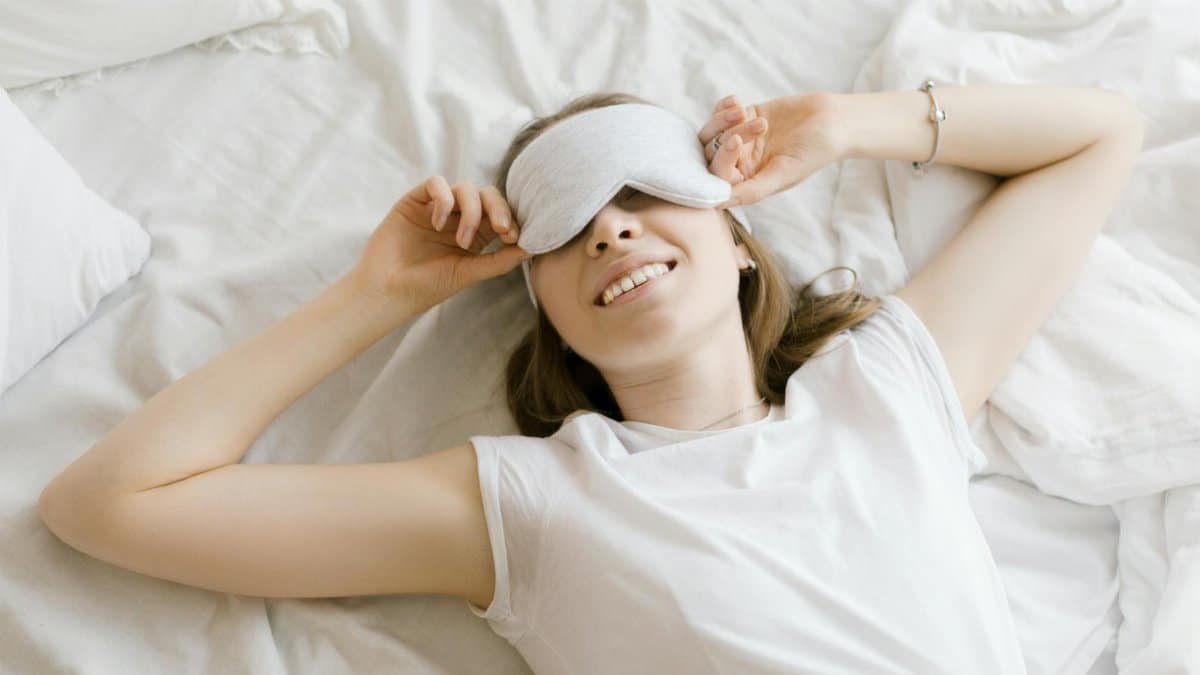
A recent report from the Centers for Disease Control and Prevention showed that about one in three American adults isn’t getting enough sleep, a statistic that’s climbed steadily over the past decade, fueling everything from workplace burnout to chronic health woes. This isn’t just a personal glitch; it’s a national pattern, especially in bustling spots like Indianapolis, where shift work and urban hustle keep many tossing through the night. Enter sleep health, a holistic approach blending rest strategies with wellness practices to reclaim those lost hours. Far from a fad, it’s gaining traction as people seek ways to balance demanding lives. In 2025, with remote work blurring boundaries and stress levels high, recognizing the signs that you might benefit from prioritizing sleep | rest | health could be a game-changer. It’s about more than just hitting the pillow earlier; it’s tuning into your body’s rhythms for deeper recovery.
1. Persistent Fatigue Despite Adequate Hours

Even after logging what feels like a solid night’s sleep, you drag through the day, reaching for that third cup of coffee by noon. This isn’t laziness; it’s a signal that quantity doesn’t equal quality. In Indianapolis, where many juggle factory shifts or tech jobs, this disconnect shows up often. One local resident, anonymized here, shared in an online forum how their exhaustion lingered until they explored sleep hygiene routines, like dimming lights earlier. Studies back this up: research from the National Sleep Foundation indicates that poor sleep environments disrupt restorative cycles. Integrating simple rest practices, such as mindful breathing before bed, can shift this. It’s not about forcing more hours but optimizing the ones you have, leading to sharper focus and less midday slump.
2. Frequent Mood Swings

Mornings start upbeat, but by afternoon, irritability creeps in over minor annoyances. Sleep deprivation often masquerades as emotional volatility, affecting relationships and work. A study published in the Journal of Sleep Research linked insufficient rest to heightened anxiety, with participants reporting calmer days after better sleep habits. Picture a middle-aged parent in the Midwest, snapping at family after a restless night, only to find equilibrium through evening wind-down rituals. This sign points to sleep | rest | health as a stabilizer, encouraging techniques like journaling to process the day. In 2025’s high-pressure environment, addressing this could prevent burnout.
3. Trouble Concentrating

Tasks that once flowed easily now demand Herculean effort, with your mind wandering mid-meeting or while reading. This cognitive fog ties directly to fragmented rest. The American Academy of Sleep Medicine notes that adults need consistent deep sleep for memory consolidation. Imagine trying to balance a budget or plan a family outing, only to forget key details. Weaving in health-focused rest, perhaps through yoga-inspired poses that promote relaxation, might clear the haze. It’s a subtle nudge that your brain craves better recovery.
4. Weight Management Struggles
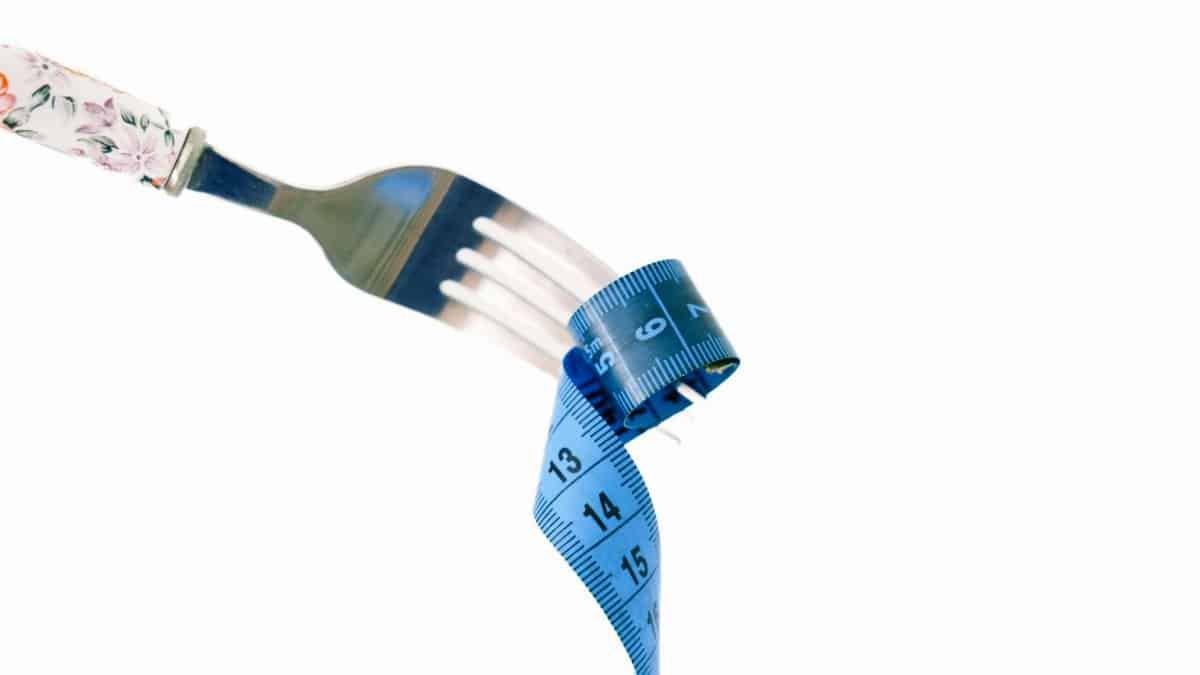
Despite diet tweaks and exercise, the scale refuses to budge, or worse, inches upward. Poor sleep disrupts hormones like leptin and ghrelin, which regulate hunger. A comprehensive review from Harvard Medical School’s Division of Sleep Medicine highlights how chronic sleep issues contribute to obesity risks. In urban areas like Indianapolis, late-night snacking becomes a habit amid erratic schedules. Trying sleep | rest | health could realign these signals, fostering habits that support metabolic balance. One approach: establishing a consistent bedtime routine to curb those midnight cravings.
5. Weakened Immune Response

Colds and bugs seem to hit harder and linger longer, even with a healthy lifestyle. Sleep is the body’s repair time, bolstering immune cells. Data from the CDC’s Sleep and Sleep Disorders page shows that short sleepers face higher infection rates. Reflect on those winter months when everyone around you bounces back quickly, but you’re sidelined. Prioritizing rest through health practices might fortify your defenses, turning vulnerability into resilience.
6. Increased Stress Levels

Everyday pressures feel amplified, leaving you on edge. Rest acts as a buffer, but when it’s lacking, cortisol spikes. Researchers at the National Institute of Mental Health connect poor sleep to exacerbated stress responses. Envision a commuter in traffic, heart racing over a deadline, unaware that better sleep could ease the load. Sleep | rest | health offers tools like progressive muscle relaxation to dial it down.
7. Skin Issues Flare-Ups

Breakouts, dullness, or premature lines appear despite skincare routines. Overnight repair happens during deep sleep phases. Dermatological studies emphasize rest’s role in collagen production. For middle-aged folks noticing changes, this sign whispers for intervention. Gentle evening rituals could rejuvenate from within, revealing a fresher complexion.
8. Disrupted Sleep Patterns

Waking multiple times or struggling to fall asleep becomes routine. This cycle perpetuates itself, eroding health. The Sleep Research Society reports widespread insomnia among adults. One anonymous account described the frustration of staring at the ceiling until dawn broke. Embracing sleep | rest | health might involve tracking patterns and adjusting environments for uninterrupted nights.
9. Reduced Physical Performance
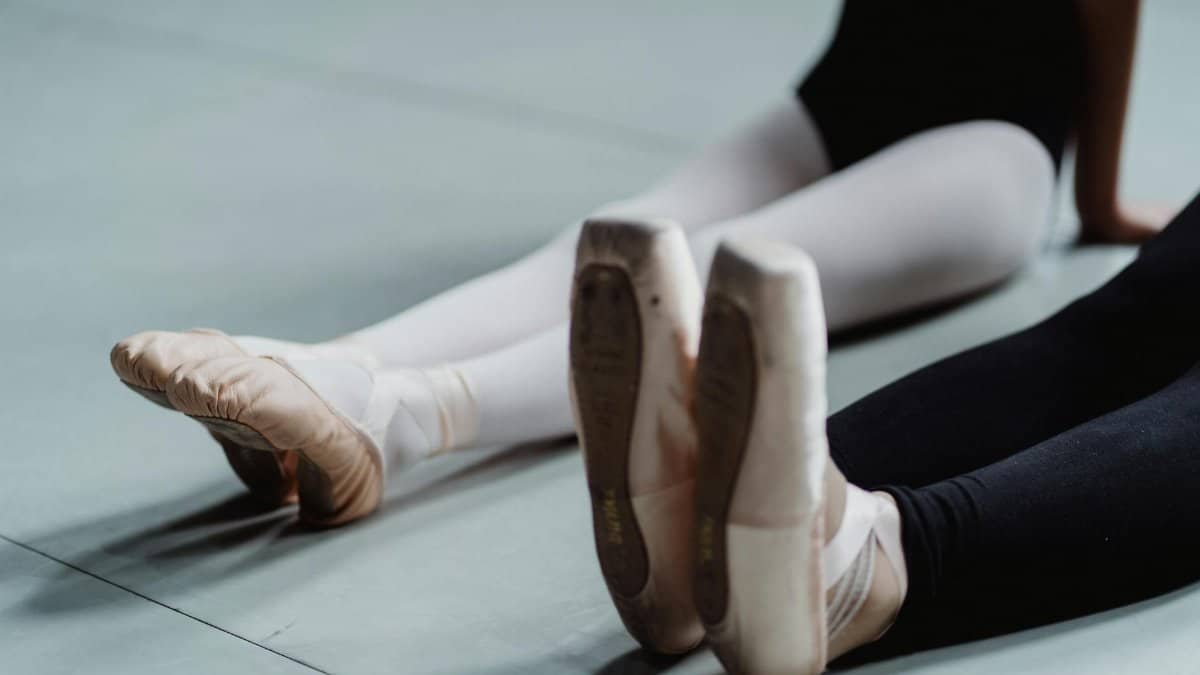
Workouts feel lackluster, with slower recovery or diminished strength. Athletes know sleep fuels gains, but everyday exercisers overlook it. A study in the British Journal of Sports Medicine ties rest to muscle repair. In yoga communities around Indianapolis, practitioners link better sleep to enhanced flexibility. This sign urges a holistic view, blending movement with restorative practices.
10. Memory Lapses

Forgetting names, appointments, or where you left your keys happens more often. Sleep consolidates memories, as per neuroscience findings from Stanford University. It’s not just aging; it’s a rest deficit. Consider the busy professional missing deadlines—sleep health could sharpen recall, making daily life smoother.
11. Heightened Cravings for Unhealthy Foods

Sudden urges for sugary or fatty snacks dominate, derailing nutrition goals. Hormonal imbalances from poor sleep drive this. The Harvard T.H. Chan School of Public Health’s Nutrition Source details how rest influences appetite. Redirecting through mindful rest might curb impulses, fostering better choices.
12. Emotional Detachment

Feeling numb or disconnected from loved ones, even in joyful moments. Sleep deprivation dulls emotional processing. Psychological reviews note this link to empathy erosion. A brief story: a parent at a child’s recital, present but not engaged, until rest routines reignited connections. Sleep | rest | health nurtures these bonds.
13. Chronic Headaches
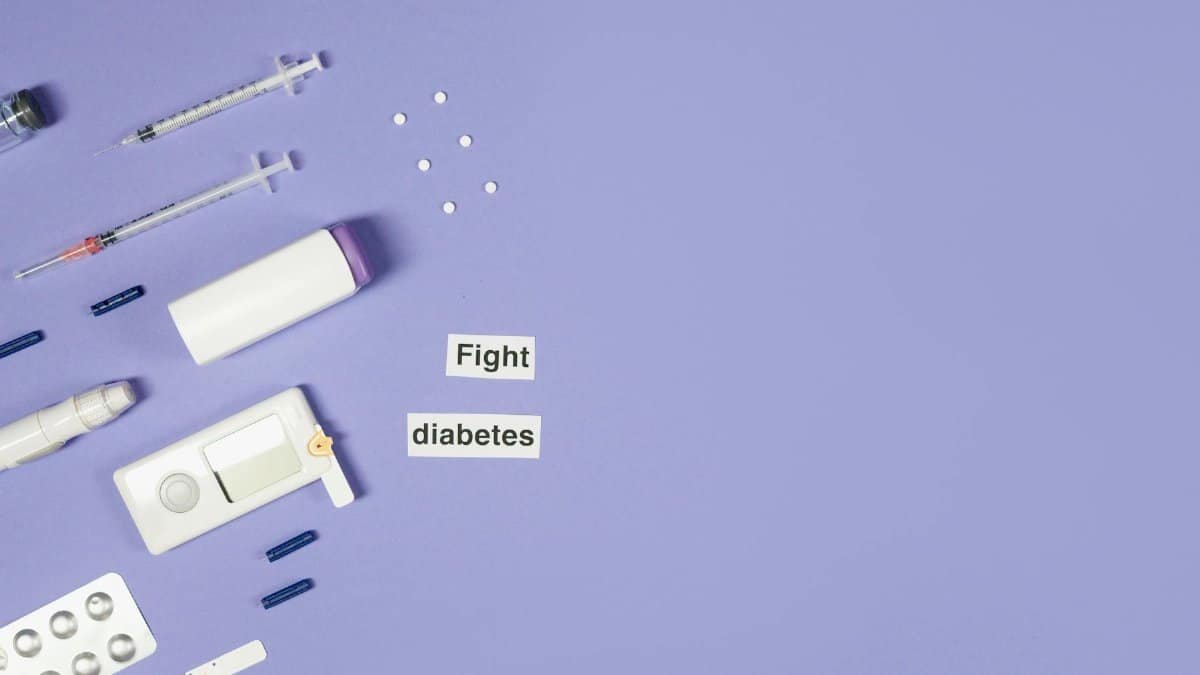
Tension or migraines strike frequently, resisting usual remedies. Dehydration and stress from bad sleep exacerbate them. Mayo Clinic resources affirm this connection. For those in high-demand jobs, it’s a persistent ache signaling change. Targeted rest strategies could alleviate the pain, offering clearer days.
14. Lowered Productivity

Output dips, with tasks taking longer than before. Efficiency thrives on rested minds. Productivity analyses from Gallup show sleep’s impact on work performance. In 2025’s gig economy, this sign is rampant. Integrating health-focused sleep might boost output without added hours.
15. Digestive Discomfort

Bloating, irregularity, or discomfort persists. The gut-brain axis ties to sleep quality. Research from the National Library of Medicine explores this. Evening routines promoting relaxation could soothe systems, improving overall wellness.
16. Vision or Eye Strain
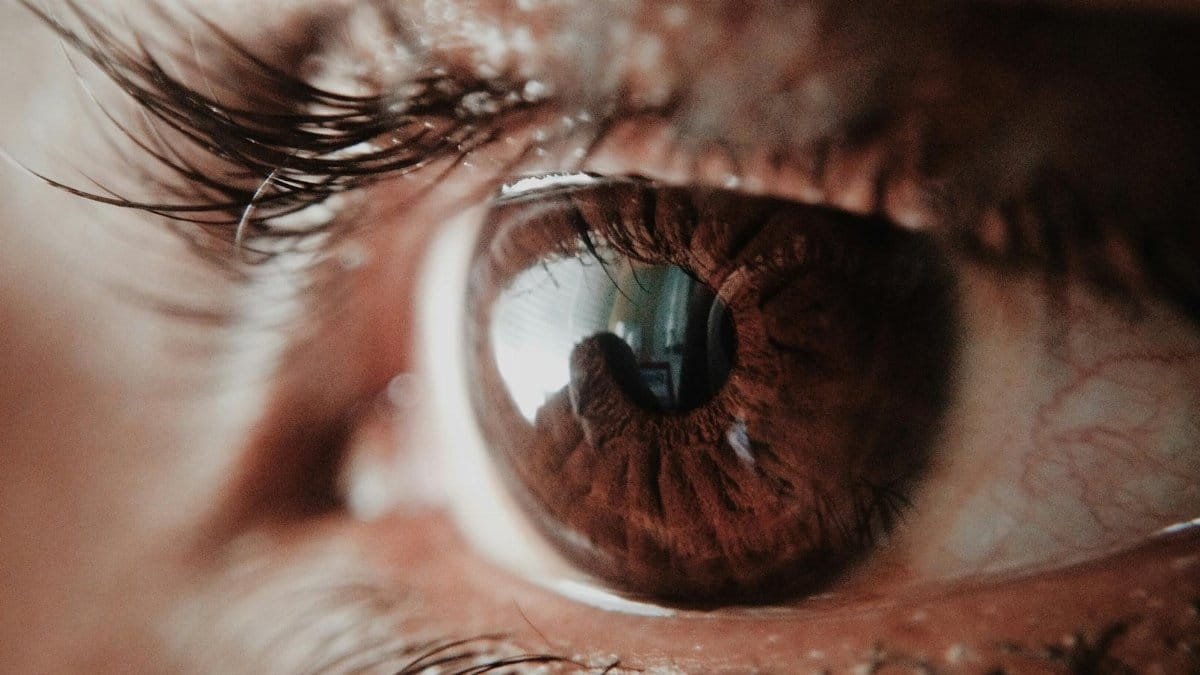
Eyes feel dry, blurry, or fatigued, beyond screen time. Rest allows ocular recovery. Optometric associations highlight sleep’s role. For remote workers staring at devices, it’s a subtle cue. Better rest habits might restore clarity, reducing strain.
17. Social Withdrawal

Opting out of gatherings more often, preferring solitude. Fatigue saps social energy. Sociological studies link rest to engagement levels. One online reflection captured the isolation of exhaustion, broken by revitalized sleep. This points to sleep | rest | health as a social elixir.
18. Hormonal Imbalances
Irregular cycles or mood dips suggest shifts. Sleep regulates endocrine functions. Endocrine Society guidelines stress this. Middle-aged readers navigating changes might find stability here, through consistent rest practices.
19. Increased Accident Proneness

Trips, bumps, or near-misses accumulate. Alertness wanes without proper rest. Safety reports from the National Safety Council correlate sleep with error rates. In daily commutes or home life, it’s a risky sign. Prioritizing health could sharpen reflexes, preventing mishaps.
20. Overall Sense of Dissatisfaction

A vague unease lingers, despite achievements. True well-being roots in balanced rest. Wellness experts note how sleep underpins life satisfaction. As 2025 unfolds with its uncertainties, this overarching sign invites exploration of sleep | rest | health, promising a more fulfilled path forward.