

In an era of grocery prices climbing faster than inflation, Americans are hunting for hacks to trim bills without sacrificing flavor or convenience. Enter zero waste kitchen swaps: smart pivots that curb trash output while pocketing serious savings. Households adopting these changes report slashing food waste by 30% and monthly grocery tabs by $50 to $100, according to sustainability trackers like Zero Waste Chef. From bulk bins to reusable wraps, these 15 upgrades prove green living pays off—literally.
Produce Swaps That Extend Shelf Life

Start with the fridge’s biggest culprits: fruits and veggies that wilt before dinner. Swap 1: Ditch single-use plastic produce bags for washable mesh totes, available for under $15 a set. They breathe better, staving off rot and saving $10 monthly on spoiled greens.
Swap 2: Replace cling wrap with beeswax covers ($20 for a dozen). Moldable and antimicrobial, they seal leftovers airtight, cutting produce loss by half. One Brooklyn family saved $25 a month just on avocados and herbs.
Swap 3: Invest in silicone stretch lids ($12 pack). They snap over bowls or plates, eliminating foil waste and extending meal preps. Bonus: dishwasher-safe for endless reuse.
Storage Solutions Minus the Plastic
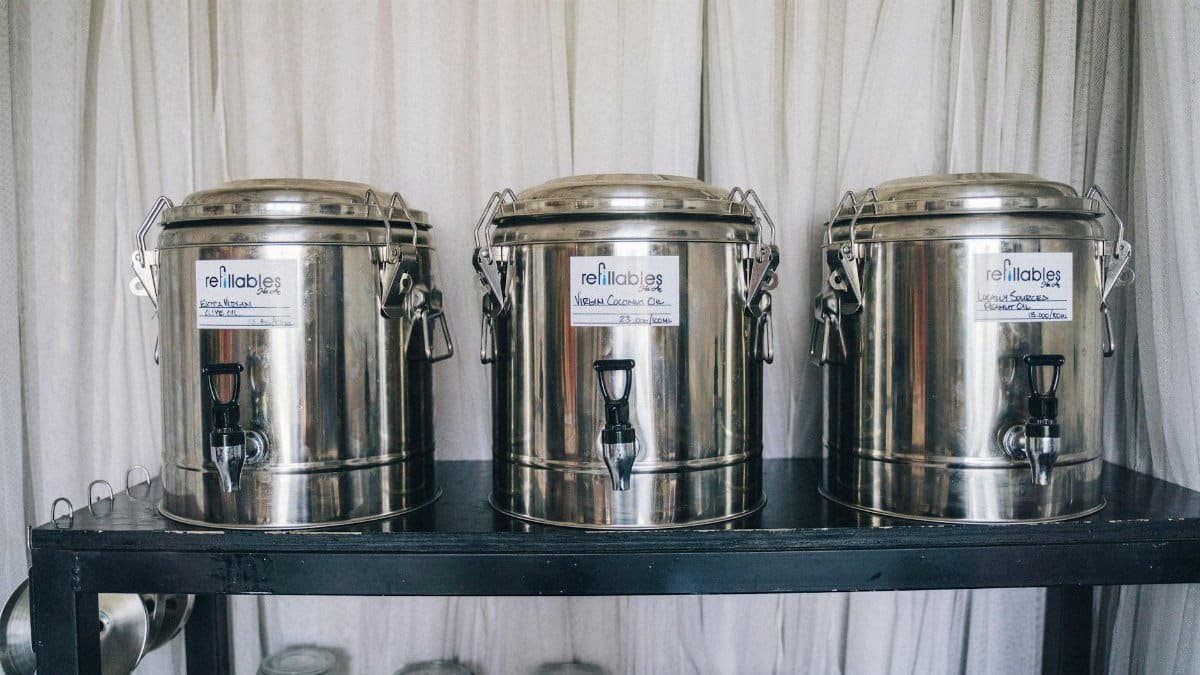
Glass jars are your new pantry MVPs. Swap 4: Collect mason jars (pennies at thrift stores) to store dry goods, swapping out flimsy baggies. They preserve freshness, slashing snack spoilage and refill costs.
Swap 5: Reusable silicone bags ($18 for eight) stand in for Ziplocs. Freezer-friendly and leakproof, they handle soups to berries, paying for themselves in three uses by dodging $1 packs weekly.
Swap 6: Stainless steel containers with bamboo lids ($25 set) for meal prep. Unlike plastic, they don’t stain or leach, saving $15 monthly on disposables while keeping salads crisp.
Bulk Buying Without the Bulk Waste
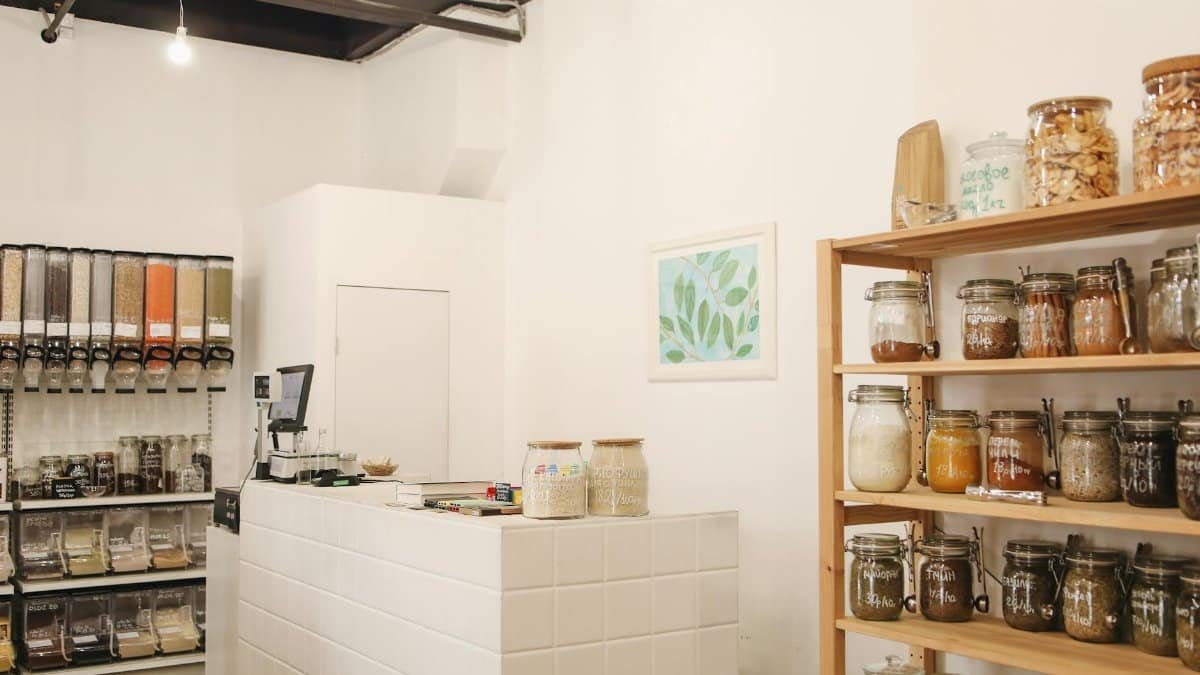
Grocery aisles tempt with pre-packaged perfection, but bulk sections deliver deals. Swap 7: Scoop oats, nuts, and spices into your own jars. Skip pricey branded bags and save 40% per pound—up to $20 monthly for a family of four.
Swap 8: Transfer bulk buys to labeled glass canisters ($30 starter kit). Airtight seals mean no staleness, turning one-time buys into long-term pantry staples that outlast cardboard boxes.
Paper Products? Not in This Kitchen

Paper towels gobble $100 yearly per household. Swap 9: Swedish dishcloths ($13 for ten)—super-absorbent cellulose rags that wring dry and wash up like new. Users report 80% less paper use, pocketing $8 monthly.
Swap 10: Swap paper napkins for cloth ones ($15 dozen). Hemmed cotton or flour sack towels launder easily, adding rustic charm while trimming $5 off dinner routines.
Drinks Done Right, Waste-Free

Bottled beverages bleed budgets dry. Swap 11: A stainless steel water bottle ($25) ends single-use plastic habits. Filter tap water at home and save $30 monthly versus store-bought packs.
Swap 12: Nut milk bags ($10) for DIY almond or oat milk. Blend, strain, reuse pulp in baking—$2 per liter versus $6 store versions, netting $25 savings.
Swap 13: Reusable gold coffee filters ($8) replace paper pods. Brew richer joe without landfill fodder, saving $12 on K-Cups alone.
Scraps to Soil: Composting Basics
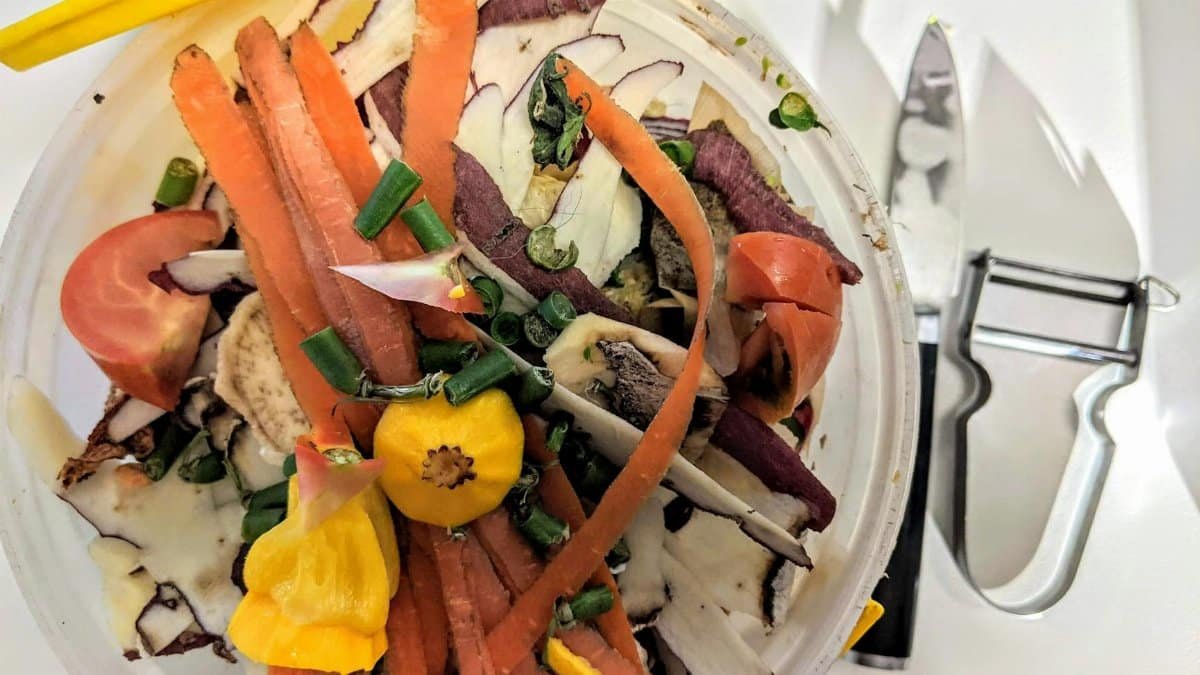
Food scraps account for 30% of U.S. trash. Swap 14: A countertop compost bin ($30) captures peels and cores for backyard or community drop-offs. Divert 5 pounds weekly, cut hauling fees, and enrich soil for home herbs—saving $10 on fertilizer.
Grocery Haul Heroes

Last-mile wins seal the deal. Swap 15: Insulated reusable totes ($20 for three) over flimsy plastic carriers. They keep cold items chilled on the drive home, preventing $15 in dairy melt-downs monthly.
These swaps compound quickly. Track yours with a simple app, and watch savings stack as waste vanishes. Sustainability isn’t sacrifice—it’s strategy, delivering fatter wallets and lighter loads for kitchens nationwide.