
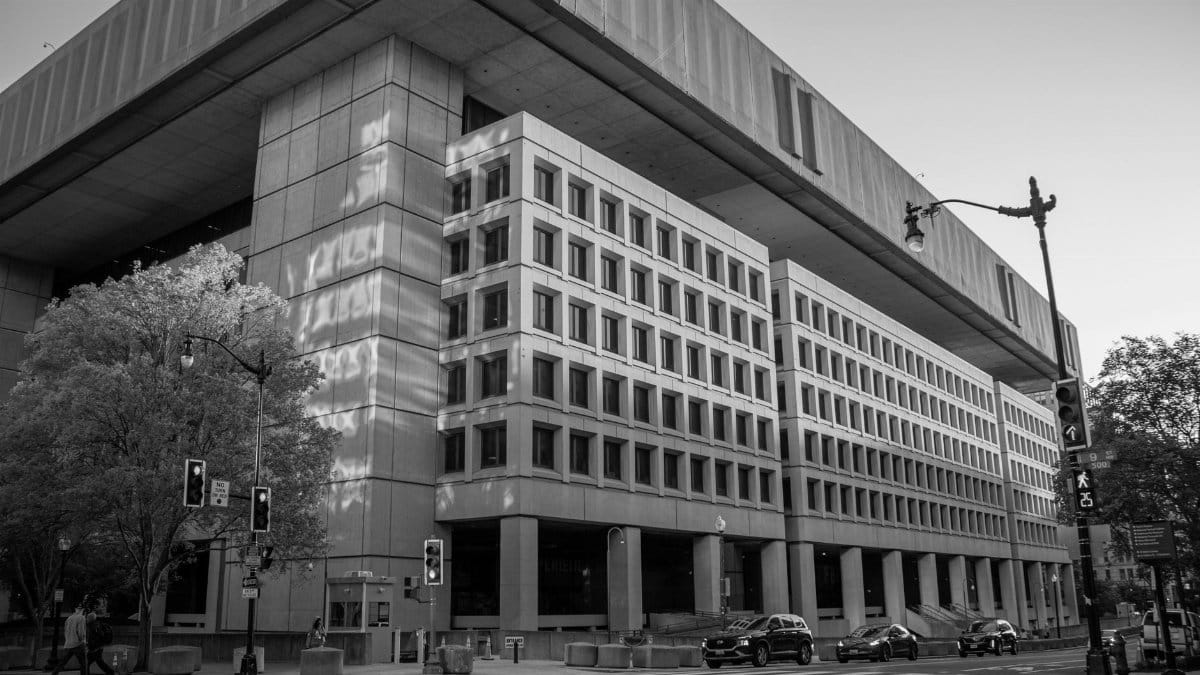
The aging J Edgar Hoover Building in Washington has long symbolized bureaucratic inertia, with its cracked concrete and outdated systems serving as a daily reminder of stalled federal ambitions. For fifteen years, efforts to find a modern replacement have stumbled repeatedly, turning what should have been a straightforward infrastructure upgrade into a protracted saga of indecision. FBI headquarters delays have left agents working in conditions that compromise both efficiency and safety while quietly adding to the national debt through repeated studies and temporary fixes.
Early Planning Efforts in the Middle of the 2000s
Federal officials first identified serious structural problems with the existing headquarters during routine inspections around 2006. Engineers documented failing elevators, inadequate security perimeters and asbestos concerns that required immediate attention. Instead of swift action, a series of feasibility studies began that stretched across multiple administrations and consumed significant resources without producing shovel ready construction.
Shifting Sites and Competing Interests
Initial proposals centered on redeveloping the current downtown location, yet suburban alternatives soon gained traction among lawmakers seeking economic development for their districts. Communities in Maryland and Virginia lobbied aggressively, each presenting detailed economic impact reports. These competing visions fragmented support and added layers of review that extended timelines far beyond initial projections.
Budget Battles in Congress

Funding requests faced repeated scrutiny on Capitol Hill as overall federal spending priorities evolved. Lawmakers questioned the necessity of a full replacement versus extensive renovations, leading to scaled back appropriations that proved insufficient for either option. Each cycle of budget negotiations introduced new conditions and oversight requirements that further postponed groundbreaking.
Impact on Daily Operations
Agents and analysts have adapted to leaking roofs and cramped workspaces while maintaining critical investigations into domestic terrorism and cyber threats. The physical limitations have forced some units to relocate temporarily to leased space across the region, complicating coordination and increasing logistical expenses. Morale has suffered as employees watch promised improvements evaporate year after year.
Security Concerns at the Current Location
The Hoover Building sits in a high traffic urban area without modern blast resistant features or adequate standoff distances from public streets. Security experts have warned that these vulnerabilities could prove costly in the event of an attack. Despite these assessments, upgrades have remained minimal because decision makers hesitated to invest in a structure slated for eventual replacement.
Taxpayer Costs Accumulating Over Time

Repeated studies, environmental assessments and legal consultations have added tens of millions to the original estimates. Inflation in construction materials has compounded the problem, meaning any future project will carry a higher price tag than if work had started promptly. Public records show how incremental spending has continued without delivering a completed facility.
Political Shifts Affecting Momentum

Changes in leadership at the Department of Justice and within congressional committees have altered priorities repeatedly. What one Congress viewed as urgent infrastructure often became a lower item on the next agenda. Bipartisan support existed in principle yet rarely translated into consistent appropriations across election cycles.
Comparison With Other Federal Projects
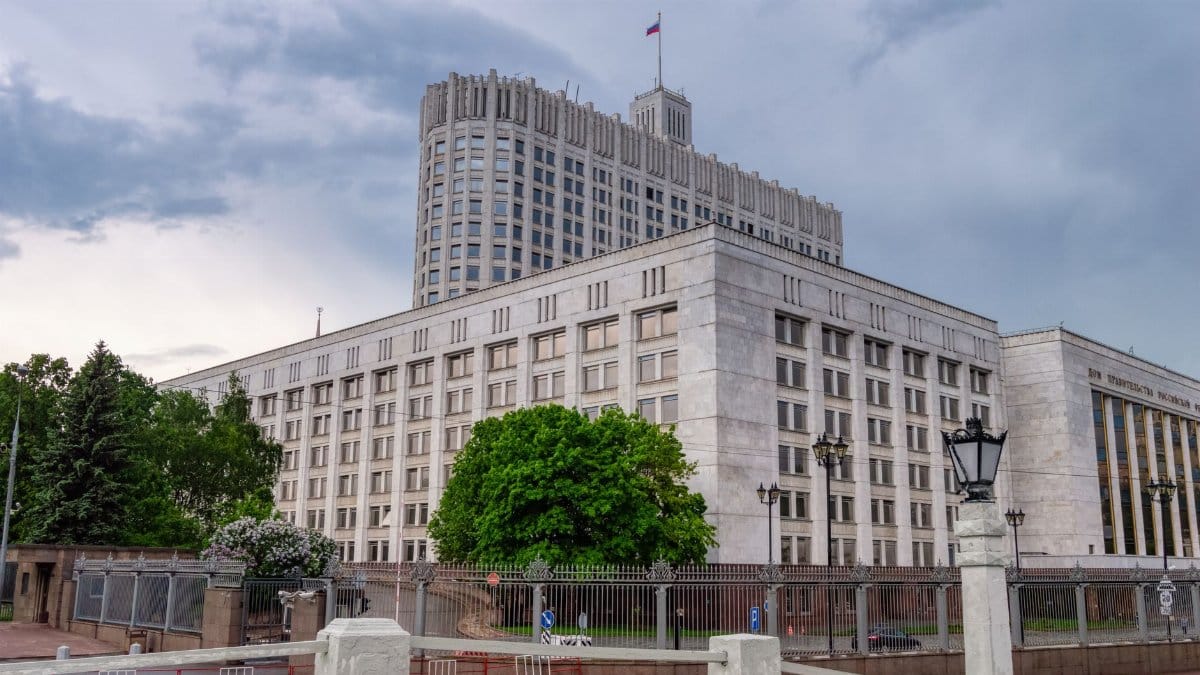
Other agencies have managed to complete major headquarters moves in far less time, offering instructive contrasts. The National Security Agency relocation to Fort Meade succeeded through sustained funding and clearer lines of authority. Those examples highlight how sustained political will can overcome typical bureaucratic hurdles that have plagued this particular effort.
Current Status of Negotiations

Recent developments suggest renewed interest in a Maryland location, though final agreements remain pending. Environmental reviews and traffic studies continue while the Hoover Building deteriorates further. Observers note that any breakthrough will still require years before agents occupy new offices.
Looking Ahead for Resolution

Without renewed commitment from both the executive and legislative branches, the pattern of postponement shows little sign of ending. The accumulated expenses and operational strains underscore the broader challenges of managing large scale federal infrastructure in an era of divided government. Resolution would require prioritizing long term needs over short term fiscal caution.