

Let’s be frank: managing money often feels like walking a tightrope. One misstep, and stress can spiral. Yet, a growing number of Americans are turning to mindful budgeting hacks to regain control—not just of their finances, but of their peace of mind. The idea isn’t about pinching every penny until it screams. Instead, it’s a deliberate approach to spending and saving that aligns with personal values while easing the mental load. In 2025, as economic uncertainty lingers for many, this shift feels more relevant than ever. From small, intentional tweaks to broader mindset changes, these strategies are helping people breathe easier. What’s behind this quiet revolution in personal finance? It’s a blend of practicality and self-awareness, rooted in the belief that money doesn’t have to rule your emotions. Here, we unpack 15 actionable hacks to lower anxiety and build financial clarity.
1. Start with a Money Mindfulness Check-In

Before diving into spreadsheets, pause. Ask yourself: How does money make me feel right now? This isn’t about numbers yet—it’s about emotions. Financial therapist Amanda Clayman often emphasizes that unaddressed feelings can derail even the best budgets. Set aside five minutes weekly to jot down your money-related worries or wins. Maybe it’s relief after paying a bill or dread over an upcoming expense. Naming these emotions can strip away their power, making budgeting less daunting. One person shared in an online forum recently that this simple act felt like “turning on a light in a dark room.” The goal isn’t to solve everything at once but to build awareness, a cornerstone of mindful budgeting hacks. Over time, this habit can shift how you approach financial decisions.
2. Define Your ‘Why’ for Every Dollar

Every dollar should have a purpose tied to what matters to you. It’s not enough to save for the sake of saving. Does this money fund a family trip, a safety net, or a passion project? Pinpointing your ‘why’ transforms budgeting from a chore into a reflection of your values. A 2023 study from the American Psychological Association found that financial stress often stems from a lack of control. Defining your priorities flips the script. Start by listing three core goals—short-term or long—and assign portions of your income to them. This clarity can quiet the nagging anxiety of “am I doing enough?”
3. Use the 24-Hour Rule for Impulse Buys

Caught yourself eyeing a shiny new gadget online? Stop. Wait 24 hours. This small delay can short-circuit the emotional rush of impulse spending, a common anxiety trigger. Research from the Psychology Today archives shows that online shopping often taps into instant gratification loops in the brain. A day’s wait lets you assess if the purchase aligns with your goals. Often, the urge fades. If it doesn’t, you’ve at least made a conscious choice. This hack isn’t about deprivation; it’s about reclaiming intentionality.
4. Break Budgeting into Bite-Sized Chunks

Staring at a full month’s budget can feel like scaling a mountain. Instead, slice it into weekly or even daily goals. Focus on just the next seven days. Need to save $100 this month? That’s roughly $25 a week—a more digestible target. This approach, often recommended by financial coaches, reduces overwhelm. It also offers small wins along the way, which a 2021 report from Harvard Business School links to boosted motivation and reduced stress. Each week you hit your mark, anxiety loosens its grip a little more.
5. Automate Savings to Outsmart Yourself

Willpower is fickle. Set up automatic transfers to a savings account the day after payday. Even $20 a month counts. The beauty? You don’t have to think about it. A 2022 survey by Pew Research Center noted that automation is a top strategy among consistent savers. It removes the mental tug-of-war of “should I save or spend?” Out of sight, out of mind—until you see that balance grow. This quiet hack builds a buffer without the daily stress of deciding.
6. Track Spending with a No-Judgment Lens

Grab a notebook or app and log what you spend for a week. Don’t critique—just observe. Did $50 vanish on takeout? Note it without guilt. This isn’t about shame; it’s about patterns. Seeing where money flows can reveal surprises without the emotional sting of judgment. One middle-aged parent recalled logging expenses and realizing subscriptions were eating up $80 monthly. Cutting a few felt empowering, not punishing. This mindful tracking lays the groundwork for smarter tweaks.
7. Build a Mini Emergency Fund First

Anxiety often spikes when unexpected costs hit. Car repair? Medical bill? A small emergency fund—aim for $500 to start—can be a lifeline. It’s not the full three months’ expenses experts often tout, but it’s a reachable first step. Stash it in a separate account. Knowing it’s there can dull the edge of “what if” worries. Build it slowly if needed; even $50 a month gets you closer.
8. Limit Financial Notifications

Bank alerts and credit card emails can be relentless. Every ping reminds you of money, often spiking stress. Turn off non-essential notifications. Check balances on your terms—say, once a week. This boundary creates mental space. Constant updates can fuel a cycle of worry, especially if you’re prone to overthinking purchases. Take control of when and how you engage with your finances.
9. Focus on One Debt at a Time

Debt can feel like a hydra—cut off one head, and two more appear. Pick the smallest balance or highest interest rate and attack it first. Pour extra payments there while maintaining minimums on others. Watching one debt disappear, even a small one, builds momentum. Psychologists call this the “snowball effect,” and it’s a proven stress-reducer. Progress, not perfection, is the goal.
10. Swap Expensive Habits for Low-Cost Joys

Daily lattes or weekend outings add up. But cutting them doesn’t mean misery. Replace them with free or cheap alternatives that spark joy. Brew coffee at home with a playlist in the background. Walk a local park instead of dining out. These swaps preserve happiness while trimming costs. It’s less about sacrifice and more about redefining what fulfills you.
11. Set Realistic Spending Caps

Budgets fail when they’re too rigid. Allow wiggle room. If dining out is your vice, cap it at $100 a month instead of banning it. Unrealistic goals breed frustration, which fuels anxiety. A balanced cap acknowledges your reality. Adjust as life shifts—maybe you spend more during holidays. Flexibility keeps this mindful budgeting hack sustainable.
12. Use Cash for Discretionary Spending

Digital payments make overspending effortless. Try the envelope system for fun purchases. Allocate a set amount in cash—say, $50 for entertainment. When it’s gone, it’s gone. Physically seeing money dwindle forces mindfulness. It’s a tactile reminder of limits, cutting the mental static of “did I spend too much?”
13. Schedule a Monthly Money Date
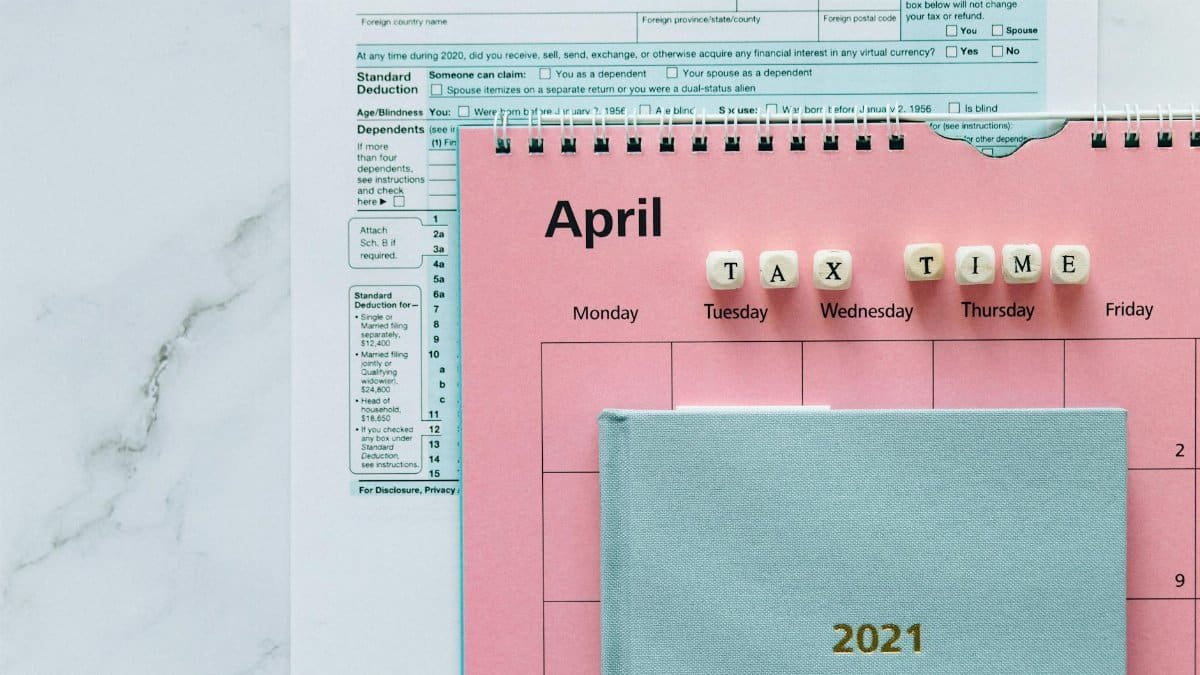
Treat your budget like a relationship. Set a recurring “date” to review it—maybe over a quiet Sunday coffee. Look at what worked and what didn’t. Tweak as needed. This ritual normalizes money talks, reducing dread. Make it low-pressure; it’s just a check-in, not a reckoning. Consistency builds calm over time.
14. Celebrate Small Financial Wins

Paid off a credit card? Saved an extra $100? Acknowledge it. Tell a friend or treat yourself to a small, free reward like a movie night at home. Positive reinforcement matters. It counters the narrative that money is only stress. These moments remind you that mindful budgeting hacks can yield quiet victories worth savoring.
15. Seek Community for Accountability

Money feels isolating when tackled alone. Join a local or online group focused on financial wellness. Share goals, not personal details. Hearing others’ struggles and successes normalizes your own. One person might inspire a new saving trick; another might validate your challenges. Community reinforces that you’re not in this solo. It’s a gentle nudge to stay mindful without the weight of solo pressure.