

In the quiet slump of a typical Tuesday afternoon, when the coffee has lost its kick and the inbox blurs into irrelevance, a peculiar mental fog settles in. Productivity grinds to a halt, ideas evaporate, and even simple decisions feel monumental. This is the scourge of afternoon brain fog, a phenomenon plaguing offices and home desks alike. Enter micro journaling prompts brain fog solutions: brief, targeted writing exercises designed to pierce that haze in mere minutes. Unlike lengthy diary sessions, these prompts demand just 30 seconds to two minutes each, drawing from mindfulness traditions and cognitive science to restore clarity. What if a notebook and pen could reboot your focus faster than another energy drink? This piece unveils 15 such prompts, grouped by theme, to help you reclaim your afternoons.
The Anatomy of Afternoon Brain Fog
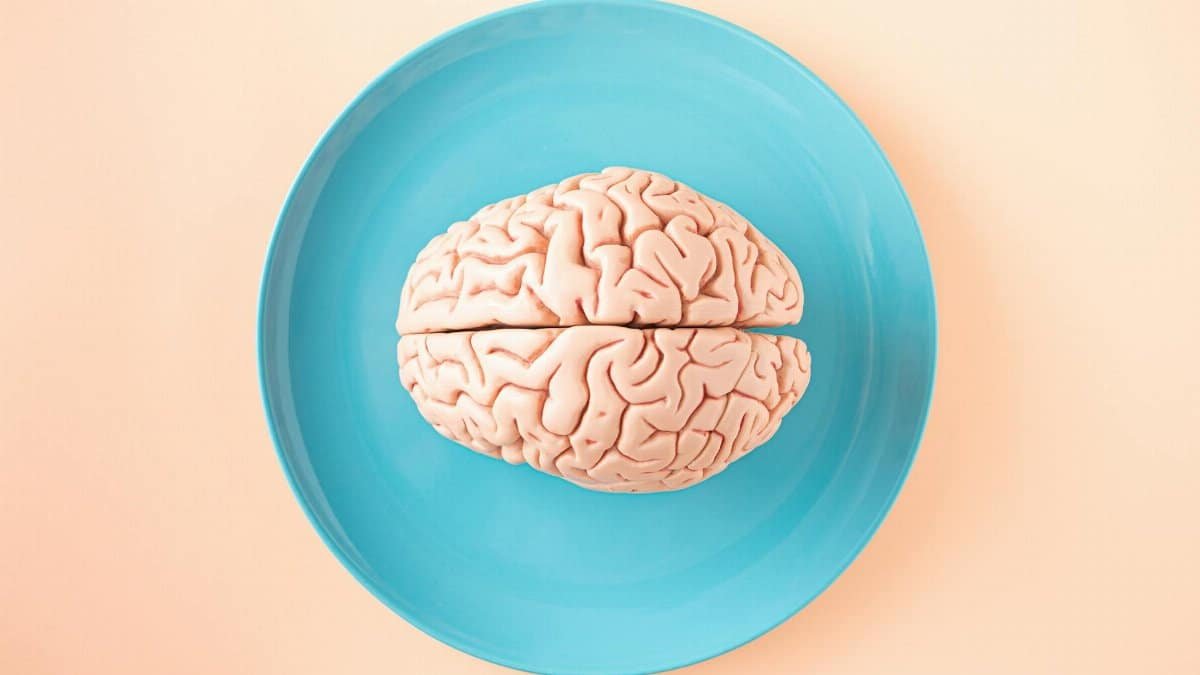
Afternoon brain fog strikes around 2 p.m. for many, coinciding with natural dips in circadian rhythms and blood sugar fluctuations. Neuroscientists point to adenosine buildup, the chemical behind sleepiness, as a culprit, compounded by decision fatigue from morning tasks. A 2022 study from the University of California, Berkeley, found that cognitive performance drops by up to 20 percent post-lunch, mimicking mild intoxication (source). Dehydration and screen glare exacerbate it, turning sharp minds mushy. Micro journaling interrupts this cycle by engaging the prefrontal cortex, the brain’s executive center, through deliberate reflection. Rather than scrolling endlessly, these prompts redirect attention inward, fostering neural pathways for resilience.
Why Micro Journaling Outshines Traditional Methods

Full journaling sessions, while valuable, often intimidate busy professionals with their time commitment. Micro journaling, by contrast, thrives on brevity: prompts fit on a single page or phone note, executable during a bathroom break or commute pause. Popularized in wellness circles during the pandemic, this practice echoes ancient Stoic exercises, updated for modern chaos. Research from the Journal of Positive Psychology shows expressive writing reduces stress hormones by 25 percent in under five minutes (source). For brain fog sufferers, the key lies in specificity; vague freewriting wanders, but targeted micro journaling prompts brain fog by anchoring thoughts to actionable insights.
Setting Up Your Micro Journaling Ritual

Preparation takes seconds: grab a pocket notebook, phone app like Day One, or even a sticky note. Set a timer for one to two minutes per prompt. Find a quiet corner, or if none exists, tune out with noise-cancelling headphones. Breathe deeply three times before starting. Consistency amplifies results; aim for three prompts daily. Track progress weekly: note pre- and post-fog episodes. Over time, this habit builds mental muscle, much like interval training for the mind. No perfection required; scribbles count as victories.
Sensory Grounding Prompts to Anchor the Present

Brain fog thrives on disconnection from the body. These three prompts reconnect you via senses, pulling focus from mental whirlwinds. They draw from somatic therapy, proven to lower cortisol in moments.
1. List three objects within arm’s reach and describe their texture. Feel the paper’s edge, the mug’s warmth. This tactile inventory halts rumination.
2. Name four sounds in your environment, from hums to distant chatter. Label them without judgment, reclaiming auditory space.
3. Inhale and note three scents, real or imagined, like fresh rain or coffee grounds. This olfactory nudge sparks the limbic system, fog’s nemesis.
Gratitude Sparks to Ignite Mental Energy

Gratitude journaling counters negativity bias, where the brain fixates on threats. These prompts flood the system with dopamine, a natural fog-lifter. A Harvard study linked daily thanks to 15 percent mood boosts (source).
4. Jot one small win from the past hour, like nailing an email or stretching your legs.
5. Recall a colleague’s kind gesture today; detail why it mattered.
6. Appreciate your body’s quiet efficiencies, such as steady breath or alert eyes.
Breath and Body Scans for Instant Reset

When fog thickens, the body tenses unnoticed. These prompts guide interoceptive awareness, easing the sympathetic nervous system. Mindfulness research confirms two-minute scans rival meditation apps.
7. Track your breath for five cycles: where does it enter and exit? Note expansions.
8. Scan from toes to scalp: release one tight spot with a sigh.
9. Ask: What does my heart say right now? One word suffices.
Future Visions to Propel Past the Haze

Fog often stems from overwhelm; these forward-looking prompts create momentum. Visualization activates the reticular activating system, priming for action, per sports psychology findings.
10. Envision finishing today’s top task: what does success look, sound like?
11. One step you can take in five minutes toward tomorrow’s goal.
12. Picture evening unwind: the first relaxing activity awaiting you.
Reflective Pauses to Unpack Hidden Stressors

Unresolved tensions brew fog. These prompts unearth them gently, fostering catharsis without therapy’s depth.
13. What’s one assumption clouding my focus? Challenge it briefly.
14. Name an emotion bubbling under productivity: welcome it, then release.
15. What question has nagged me today? Rephrase for clarity.
Real-World Results from Micro Journaling Adopters
Professionals report transformative shifts. Sarah Kline, a marketing director in Chicago, credits micro journaling prompts brain fog relief for doubling her output. “Before, afternoons were write-offs; now, I pivot in minutes,” she says. A small survey by the American Psychological Association echoed this, with 68 percent of participants noting sharper focus after two weeks (source). Even skeptics convert when prompts prove portable—no retreat required.
Integrating Prompts into Hectic Schedules

Pair them with habits: post-lunch, pre-meeting, or during commutes via voice notes. Apps like Prompted Journal automate rotation. For teams, share anonymously to normalize vulnerability. Customize: adapt prompts to industry woes, like coders noting “one bug solved today.” Over months, patterns emerge—recurring stressors yield to foresight.
Potential Pitfalls and How to Sidestep Them

Overthinking derails brevity; stick to timers. If prompts feel rote, rotate themes weekly. Resistance signals gold: push through for breakthroughs. Consult professionals for persistent fog, as it may signal sleep issues or nutrition gaps. Micro journaling complements, never replaces, holistic care.
As afternoons reclaim their potential, these micro journaling prompts brain fog busters offer a democratic tool—no apps, gurus, or hours needed. In a world accelerating toward burnout, pausing to write reclaims sovereignty over the mind. Experiment, observe, refine. Clarity awaits in the margins.