

Sunlight filtered through the trees as a small group unpacked their spread at a local park last weekend, their laughter mixing with the rustle of leaves. What stood out wasn’t just the food, but the absence of plastic clutter—no disposable plates, no cling wrap, no single-use utensils. This scene captures a growing movement: the low waste picnic. Across the U.S., more people are rethinking outdoor dining, driven by a desire to cut down on trash while still enjoying nature’s backdrop. It’s not just about aesthetics; it’s a practical shift toward sustainability in everyday moments. With summer gatherings in full swing, the challenge of packing meals that travel well—without leaks or excess waste—feels more relevant than ever. So, how can a picnic be both delicious and eco-friendly? These 14 recipes, designed to pack flat and pair with compostable materials, offer a starting point.
1. Veggie-Stuffed Pita Pockets
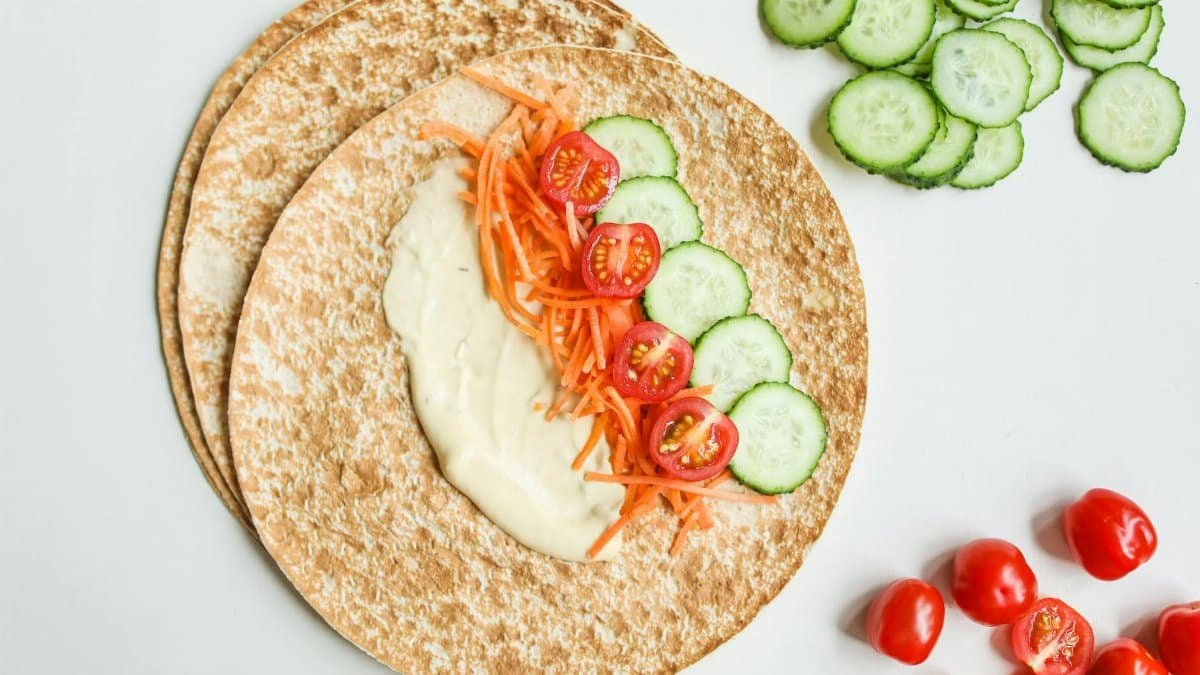
Start with something simple yet satisfying. Pita pockets stuffed with roasted vegetables—think zucchini, bell peppers, and eggplant—lay flat in a reusable container and don’t ooze like some sandwiches. Roast the veggies with olive oil and herbs the night before, then stuff them into whole-grain pitas with a smear of hummus. No soggy bread, no spills. Wrap each in parchment paper instead of plastic for a compostable option. One home cook recently shared online that prepping these ahead “saved the day” during a last-minute park outing with kids. Pair with a side of carrot sticks for crunch without extra packaging.
2. Quinoa and Black Bean Salad Wraps
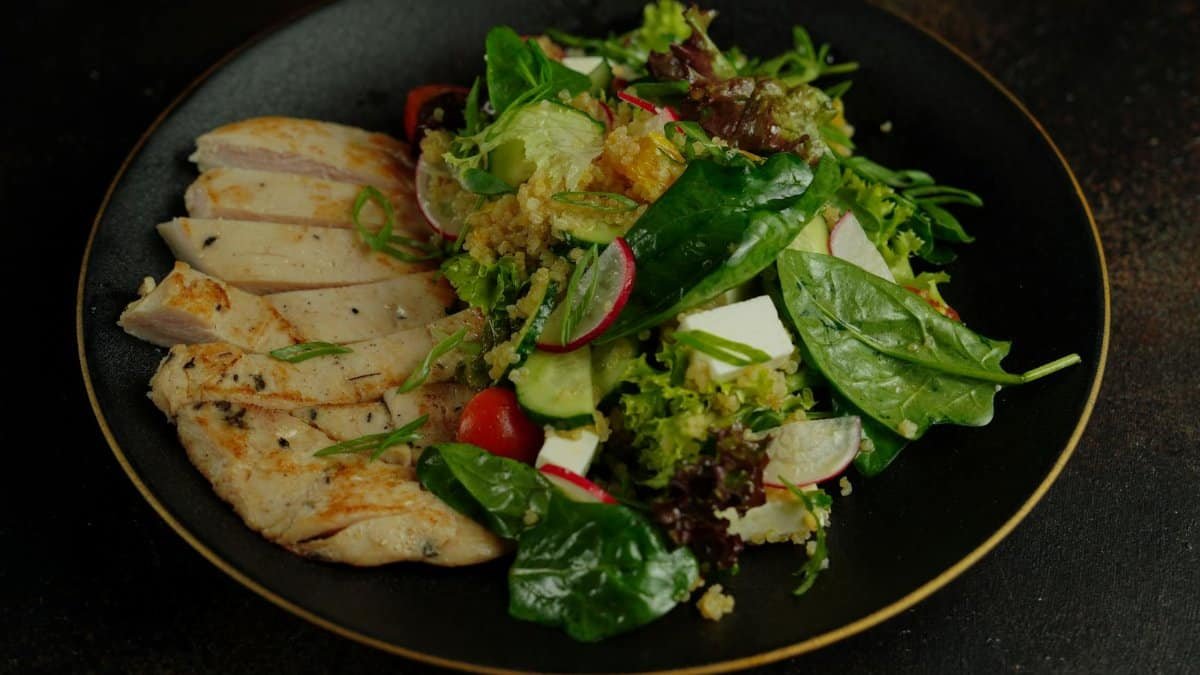
Wraps are a picnic staple for a reason—they’re portable and customizable. Mix cooked quinoa with black beans, corn, diced tomatoes, and a lime-cilantro dressing. Spoon the mixture into large tortillas, roll tightly, and secure with a reusable beeswax wrap. These hold up for hours without refrigeration. The protein-packed filling keeps hunger at bay, and the flat shape stacks neatly. For sourcing sustainable ingredients, check local farmers’ markets—a trend gaining traction in 2025, according to USDA Food Markets.
3. Herbed Couscous Cakes
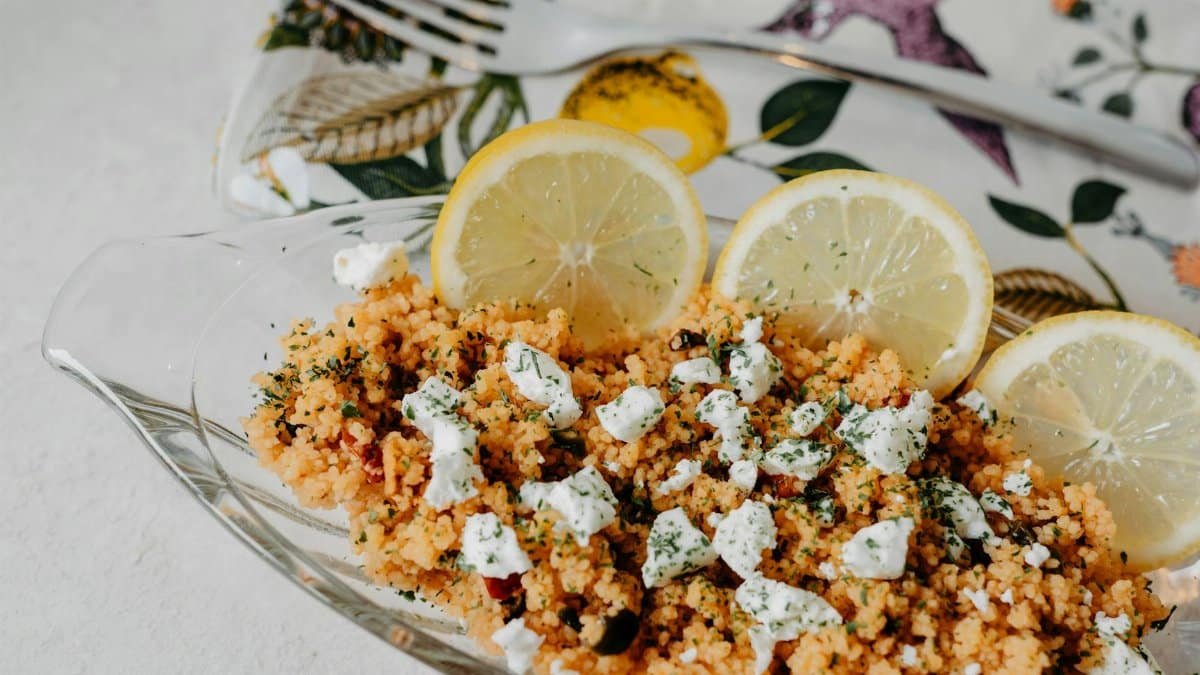
Why not turn a side dish into the main event? Cooked couscous mixed with chopped herbs, garlic, and a bit of feta can be shaped into small, flat patties and pan-fried until golden. Once cooled, they pack easily between layers of parchment in a tin. No risk of leaks, and they’re tasty at room temperature. A quick dip of yogurt or tahini on the side—stored in a small reusable jar—adds flair without mess. These also cut down on food waste by using leftover grains.
4. Flatbread Pizza Slices
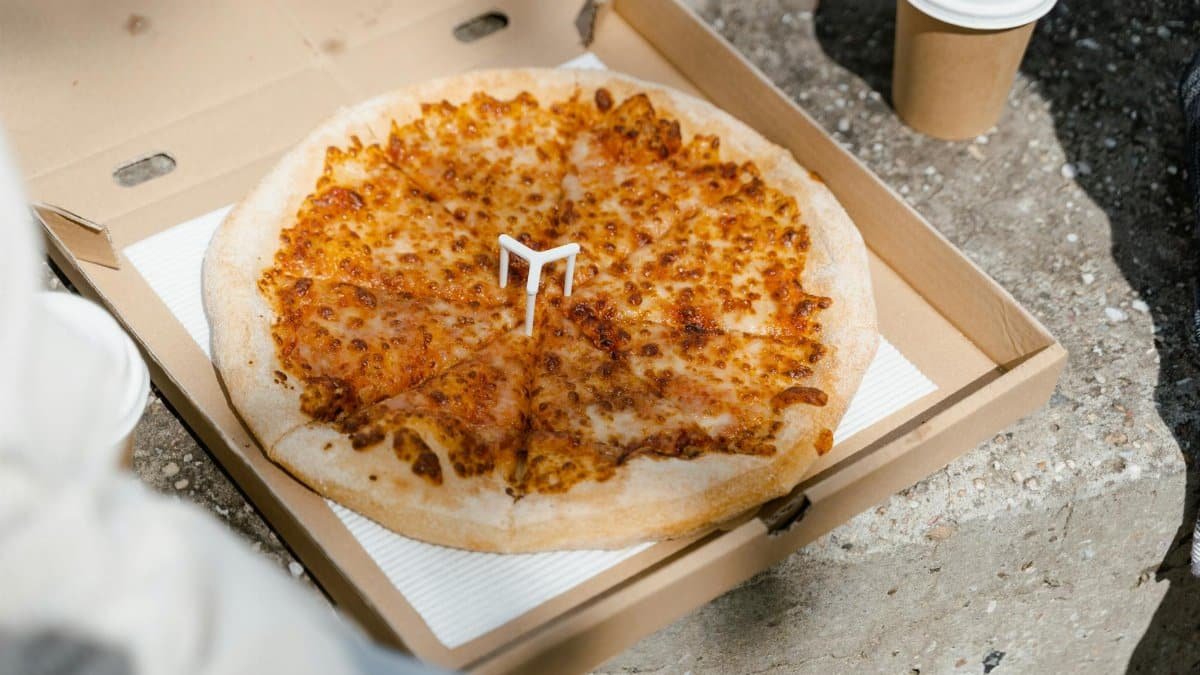
Pre-bake flatbread topped with tomato sauce, mozzarella, and whatever veggies or meats are on hand. Cut into squares once cooled, and stack with compostable paper between slices to prevent sticking. Kids love these, and they’re less messy than traditional pizza. One parent noted how this recipe turned a chaotic outing into a “zero-trash win.” For eco-friendly packaging ideas, resources like EPA Recycling Guidelines offer practical tips.
5. Chickpea Salad Lettuce Cups
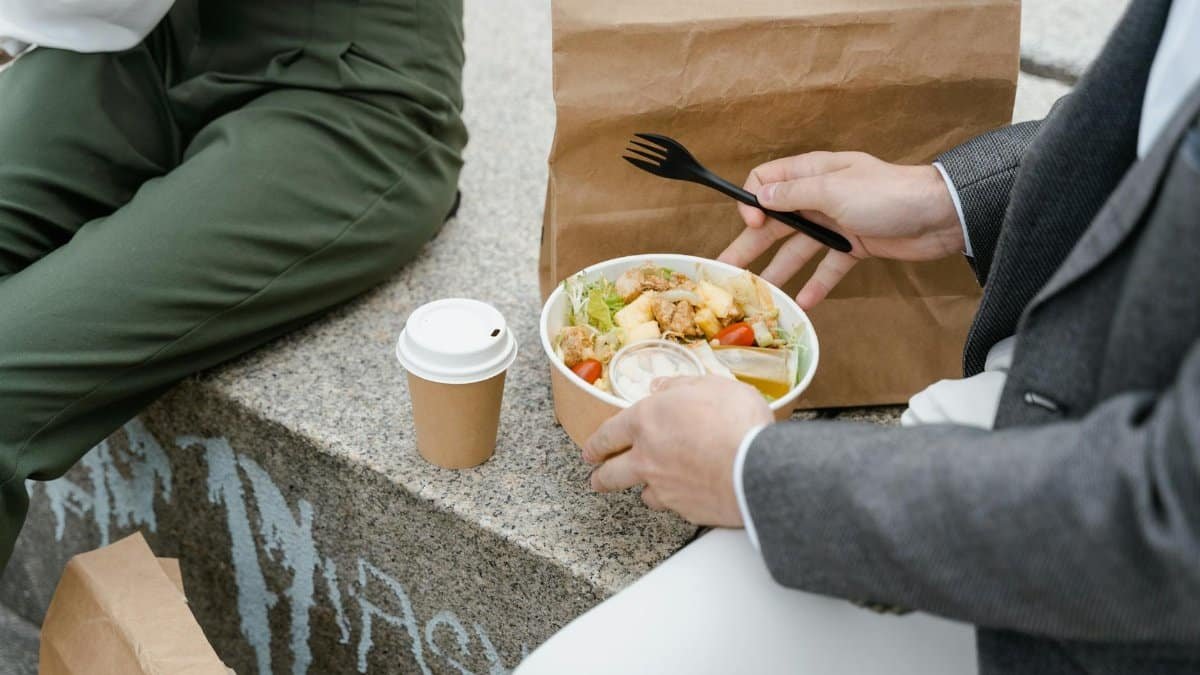
Ditch the bread altogether. Smash chickpeas with avocado, lemon juice, and a pinch of salt, then spoon into sturdy romaine or butter lettuce leaves. These cups are naturally flat when packed side by side in a container. They’re light, refreshing, and leave no waste beyond the compostable leaves. Plus, they’re a gluten-free option for mixed groups. Add a sprinkle of seeds for texture if desired.
6. Savory Oat Bars
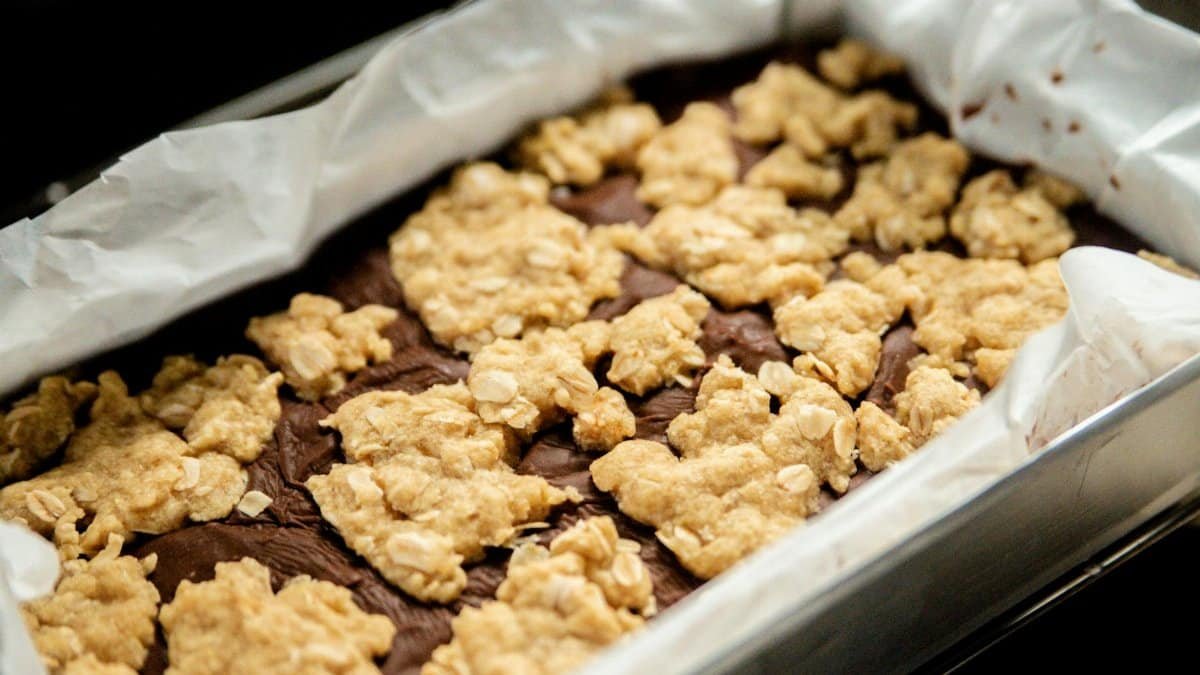
For a grab-and-go snack, mix rolled oats with grated cheese, chopped spinach, and an egg to bind it all. Bake into a thin sheet, cool, and cut into bars. These savory bites pack flat, don’t crumble easily, and offer a hearty alternative to sugary granola bars. Store in a reusable silicone bag to keep things waste-free. They’re also a clever way to use up wilting greens.
7. Cucumber and Cream Cheese Rolls
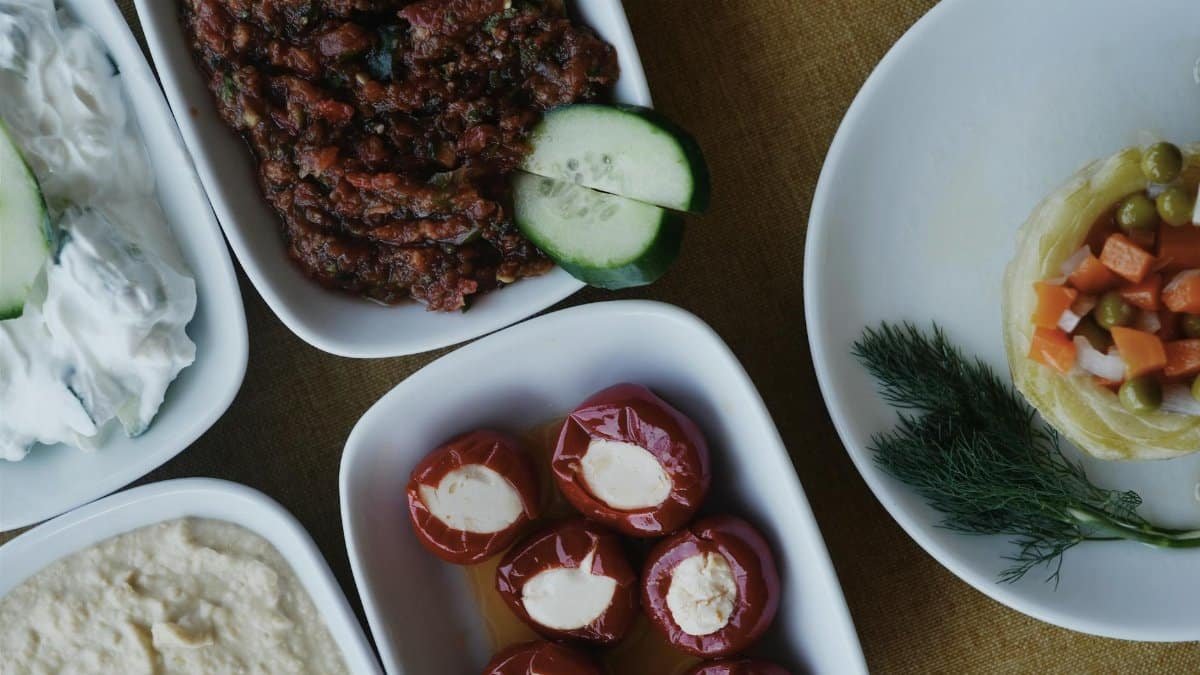
Thinly slice cucumbers lengthwise with a mandoline, spread with cream cheese, and roll up with a sliver of smoked salmon or a sprinkle of dill. Secure with a toothpick if needed, though they often hold shape when packed tightly. These bite-sized rolls are leak-proof and elegant for a picnic with friends. Wrap the batch in a damp cloth inside a container to keep them fresh without plastic.
8. Spiced Lentil Patties
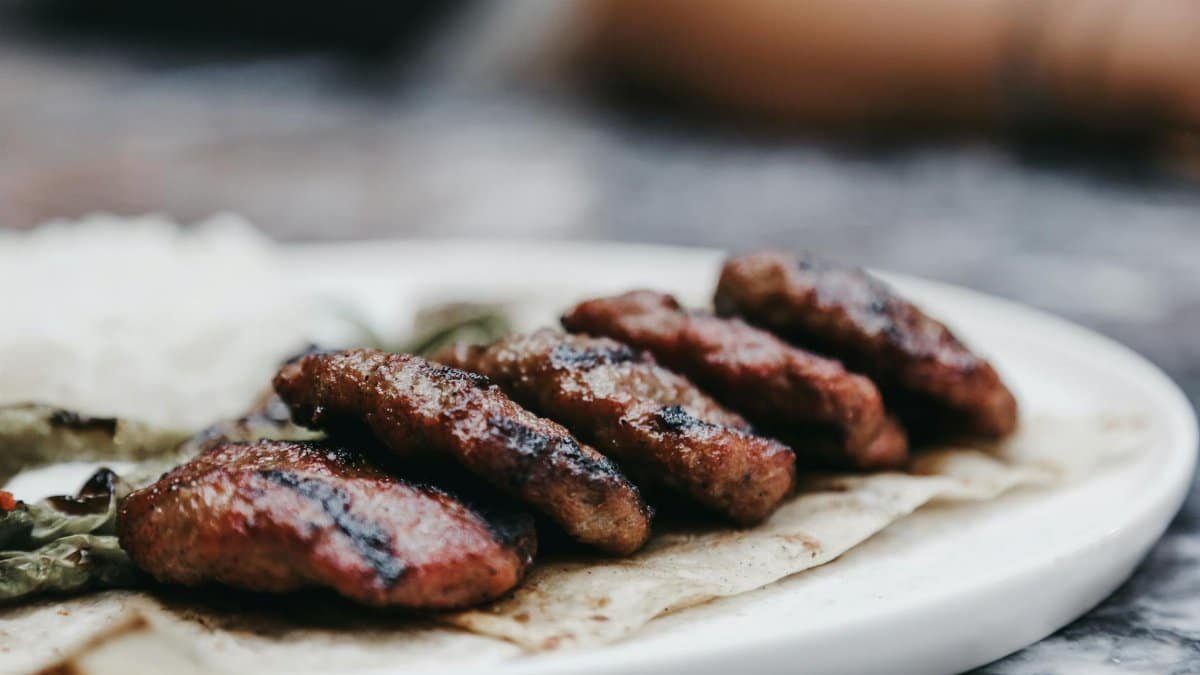
Cooked lentils, mashed with breadcrumbs, cumin, and garlic, form into small, flat patties that fry up crisp. They’re sturdy enough to pack without breaking and taste great cold or warm. Layer them in a tin with parchment separators. A small jar of chutney or salsa on the side adds flavor without bulk. Lentils are also a sustainable protein, as highlighted by FAO Pulses Resources.
9. Apple and Peanut Butter Slices
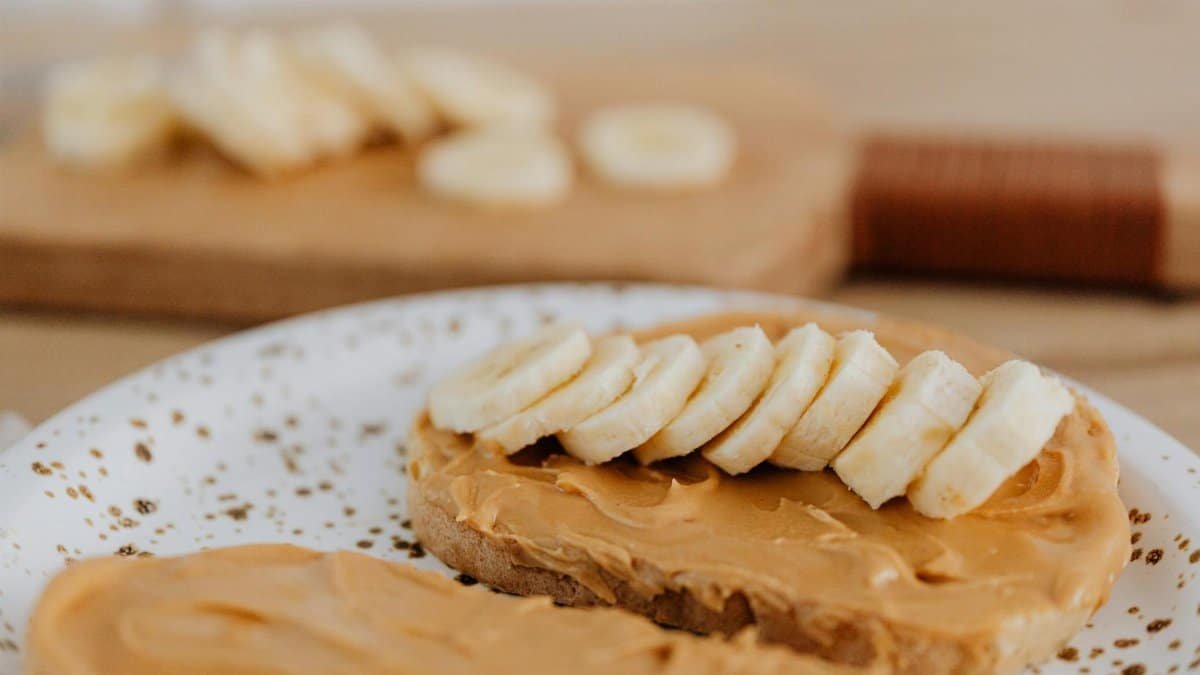
For a sweet option, core apples and slice into flat rounds. Spread with peanut butter and top with raisins or granola. Stack with paper between layers to avoid sticking. These are kid-friendly and don’t require utensils, reducing cleanup. Apples are often locally sourced, cutting down on food miles—check availability at Local Harvest for nearby options.
10. Zucchini Fritter Flats

Grate zucchini, squeeze out excess water, and mix with flour, egg, and parmesan. Cook as thin fritters in a skillet. Once cooled, they’re easy to stack and won’t leak a drop. A dollop of sour cream in a tiny jar makes a nice touch. These also work to clear out summer garden surplus, aligning with low waste picnic goals.
11. Rice and Veggie Sushi Bites
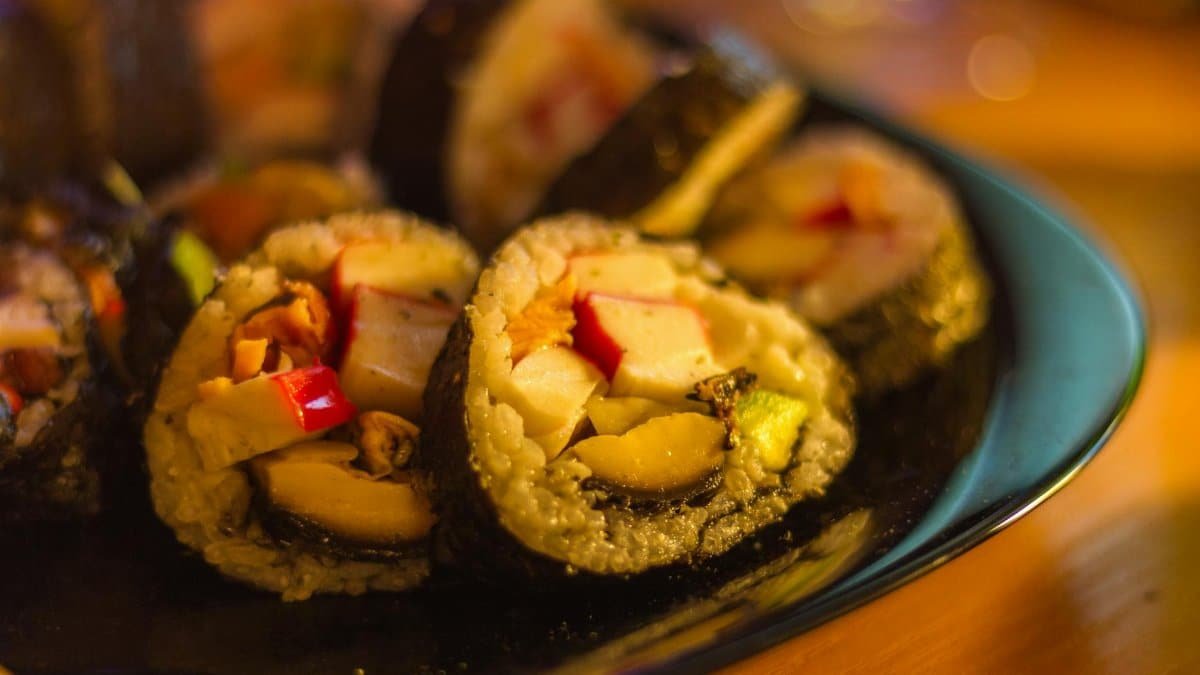
No need for fancy rolling skills. Spread sushi rice on nori sheets, add thin strips of carrot, cucumber, and avocado, then fold into small squares or cut into bites. Pack tightly in a container—they hold shape and stay neat. Use a bamboo mat if you have one, but skip plastic wrap for a compostable alternative. These feel special without much effort.
12. Cheese and Fruit Flat Packs
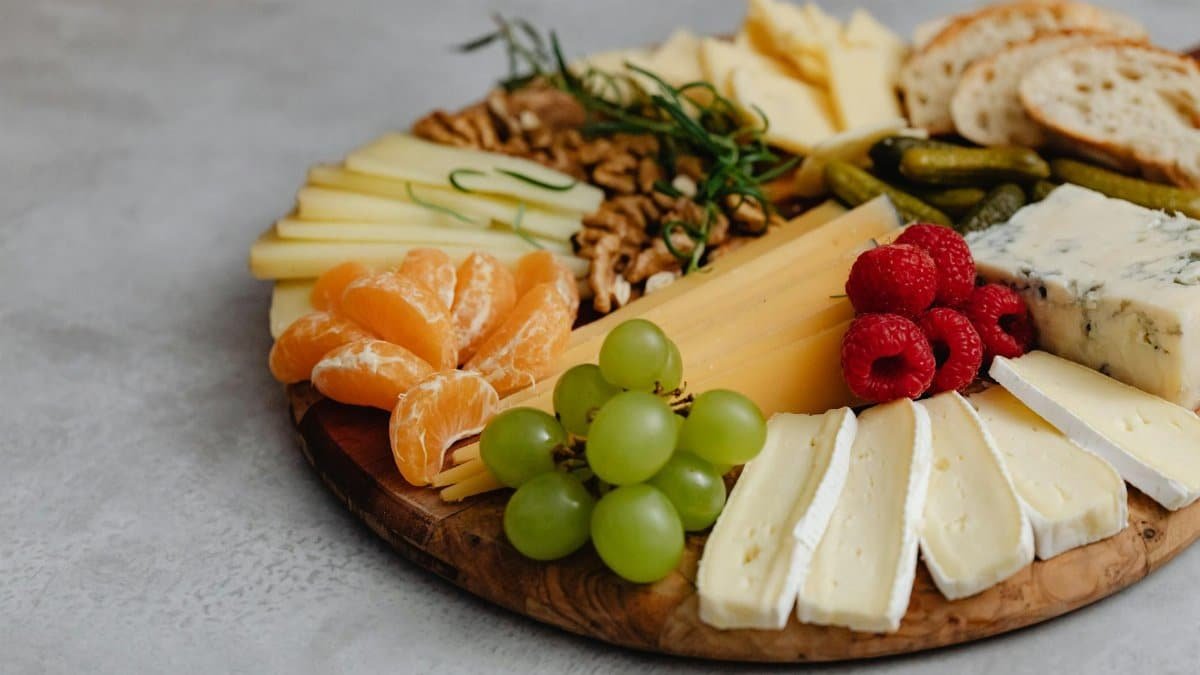
Slice hard cheeses like cheddar or gouda into thin pieces and pair with grapes or dried apricots. Lay flat in a shallow tin with small dividers or paper to separate flavors. It’s a no-cook option that feels gourmet. Opt for unwaxed cheese to avoid unnecessary packaging, a small step toward sustainability.
13. Cornmeal Flatbread Bites
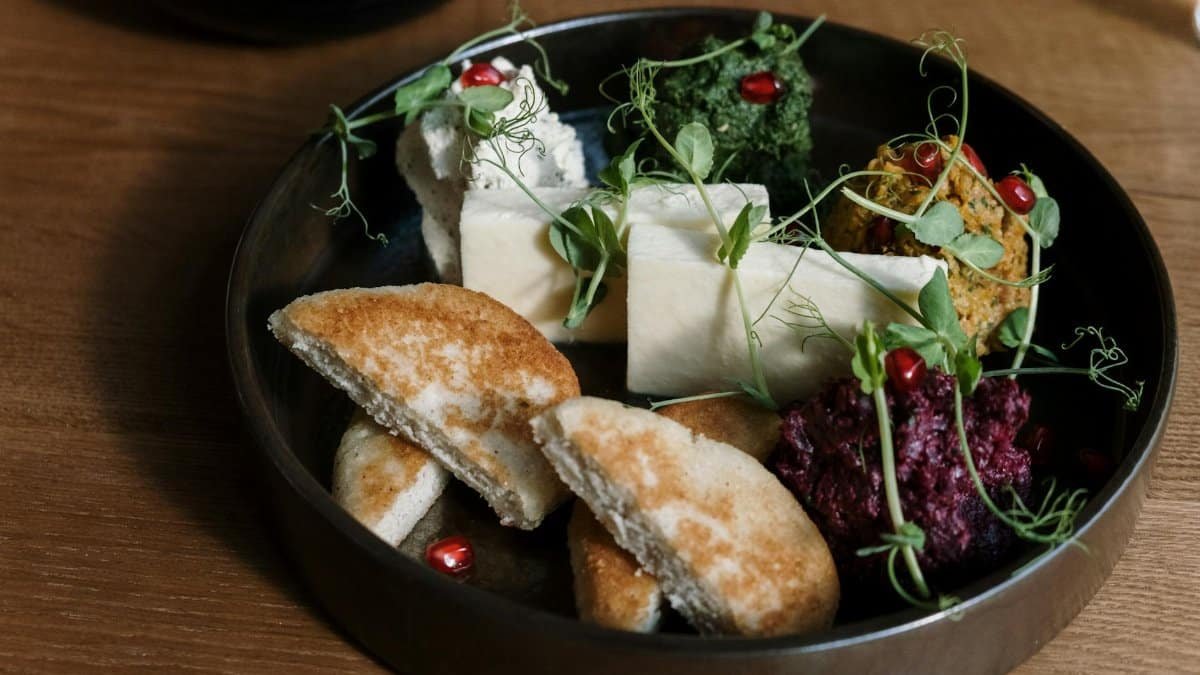
Mix cornmeal with water and a pinch of salt, cook as thin pancakes, and cut into wedges once cool. Top with a smear of bean dip or salsa before packing. These are sturdy, gluten-free, and stack well. They’re also a nod to traditional recipes, using minimal ingredients for maximum impact.
14. Nut and Seed Energy Squares
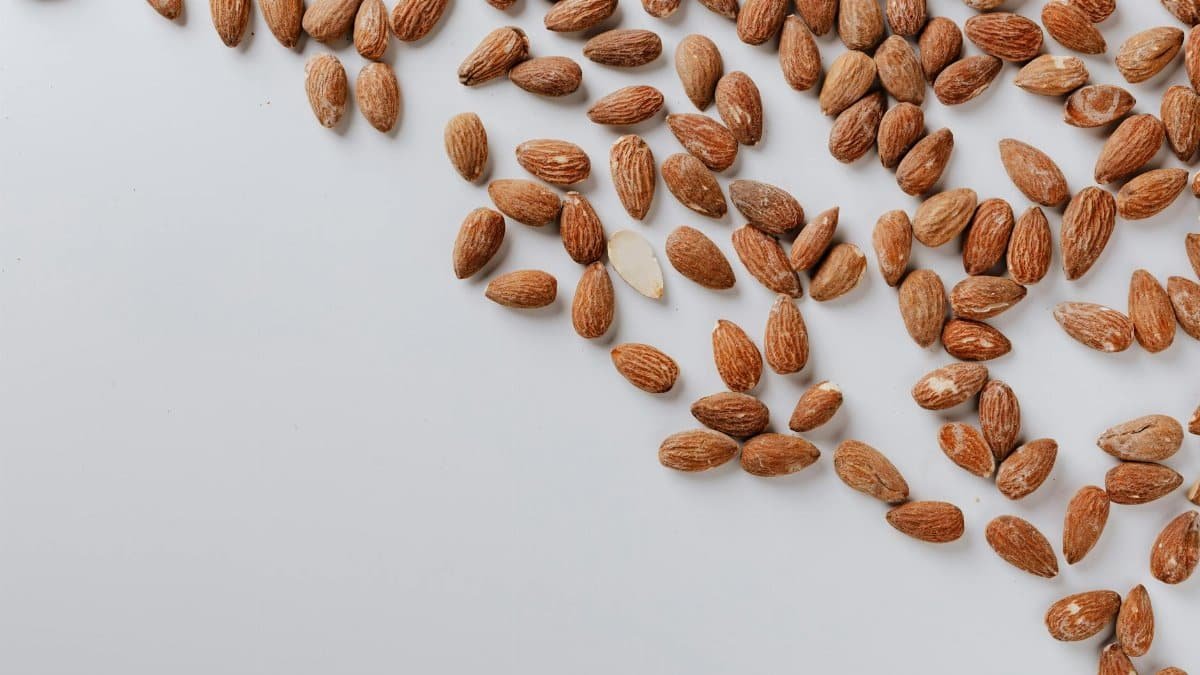
Blend nuts, seeds, dates, and a touch of honey, then press into a flat tray to set in the fridge. Cut into squares for a sweet, dense snack that travels without crumbling. Wrap individually in parchment or store in a reusable container. They’re a waste-free alternative to store-bought bars, often wrapped in layers of plastic.
Why Flat Packing Matters for Low Waste

Beyond recipes, the logic of packing flat ties directly to the ethos of a low waste picnic. Flat foods stack efficiently, reducing the need for bulky containers that might end up as landfill fodder. Less space means fewer trips to the car or overstuffed bags that tear. It’s also about stability—flat items are less likely to tip or leak, cutting down on spills that lead to wasted food. Pairing these recipes with reusable or compostable wraps like beeswax or parchment amplifies the impact. Small choices, like skipping plastic baggies, add up when scaled across countless outdoor meals each summer.
Tips for a Seamless Picnic Setup
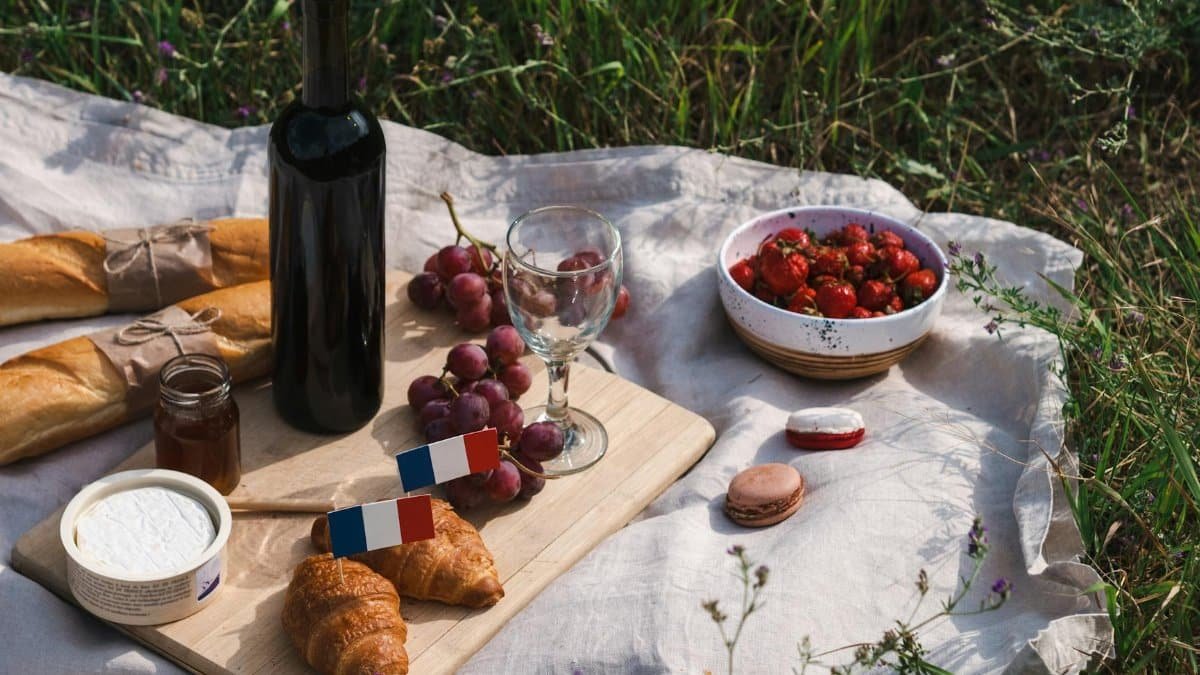
Planning matters as much as the menu. First, invest in a few reusable containers—shallow, stackable ones work best for flat foods. Second, bring a small cloth or tarp instead of disposable tablecloths; it’s washable and lasts for years. Third, pack a multi-tool or pocketknife for cutting or serving, avoiding single-use utensils. Finally, keep a compost bag handy for food scraps if bins aren’t available. These steps streamline the experience while keeping waste minimal, letting the focus stay on good company and fresh air.
The Bigger Picture of Low Waste Picnics

What started as a niche idea is gaining ground in 2025, as more Americans grapple with the environmental cost of convenience. Outdoor dining doesn’t have to mean piles of trash left behind in parks or beaches. A low waste picnic, built on recipes like these and mindful packing, offers a counterpoint—a way to savor nature without harming it. It’s not perfection; it’s progress. As communities push for cleaner public spaces, individual habits like these ripple outward. The next time a blanket is spread under a shady tree, the absence of plastic might just be the most satisfying part of the meal.