
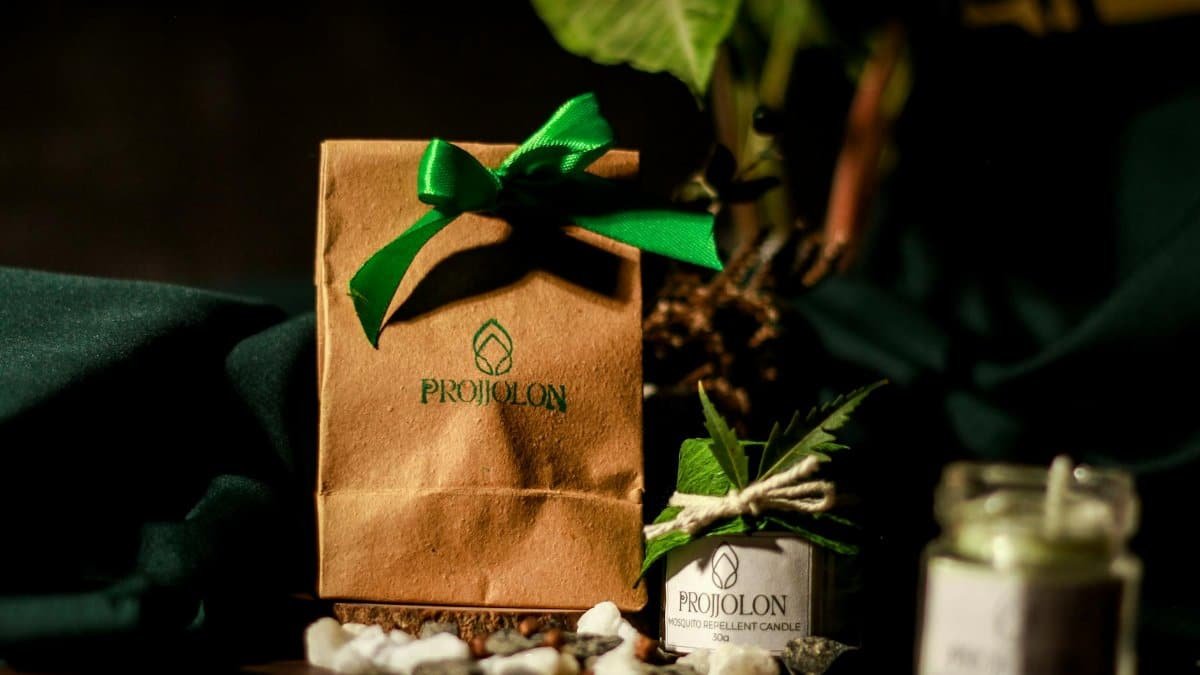
Summer evenings on a city balcony should evoke gentle breezes and the murmur of traffic below, not the incessant whine of mosquitoes circling your head. Yet for many urban dwellers, these compact outdoor havens become battlegrounds against biting insects. Enter balcony plants, those unassuming green allies that offer both beauty and built-in pest control. Low-maintenance varieties scented with natural oils can deter mosquitoes without sprays or coils, transforming cramped spaces into serene retreats. As more people seek chemical-free living amid rising concerns over insecticides, these plants provide a simple, elegant solution rooted in nature’s own defenses.
The Urban Mosquito Challenge
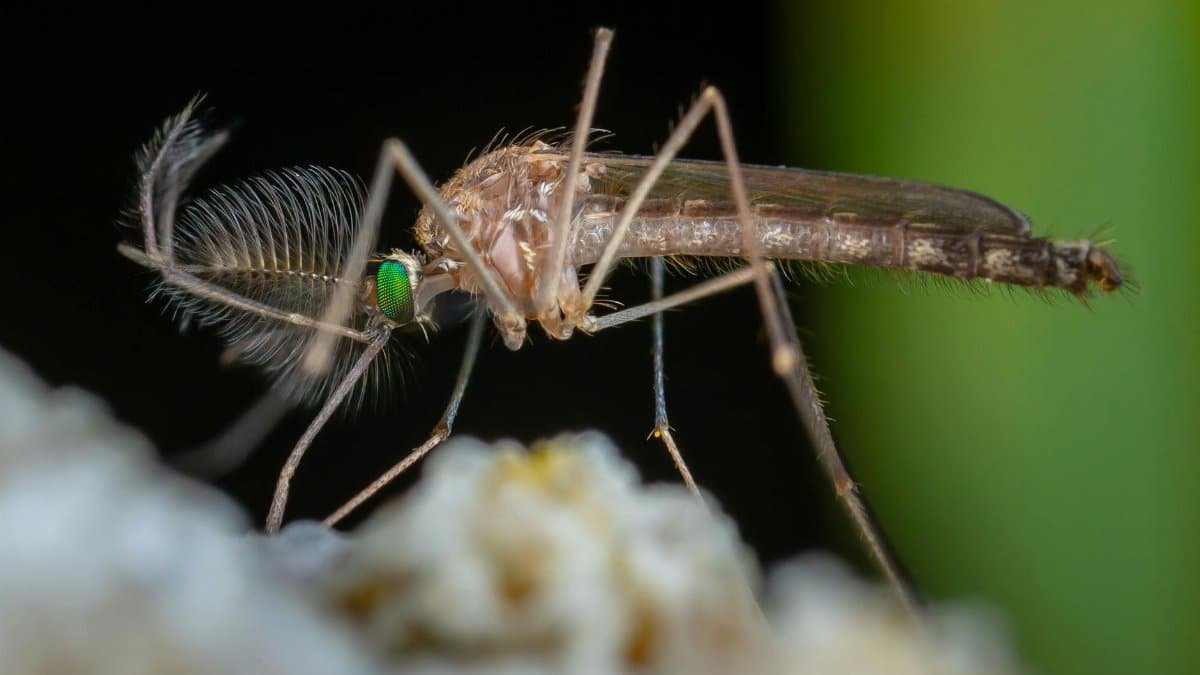
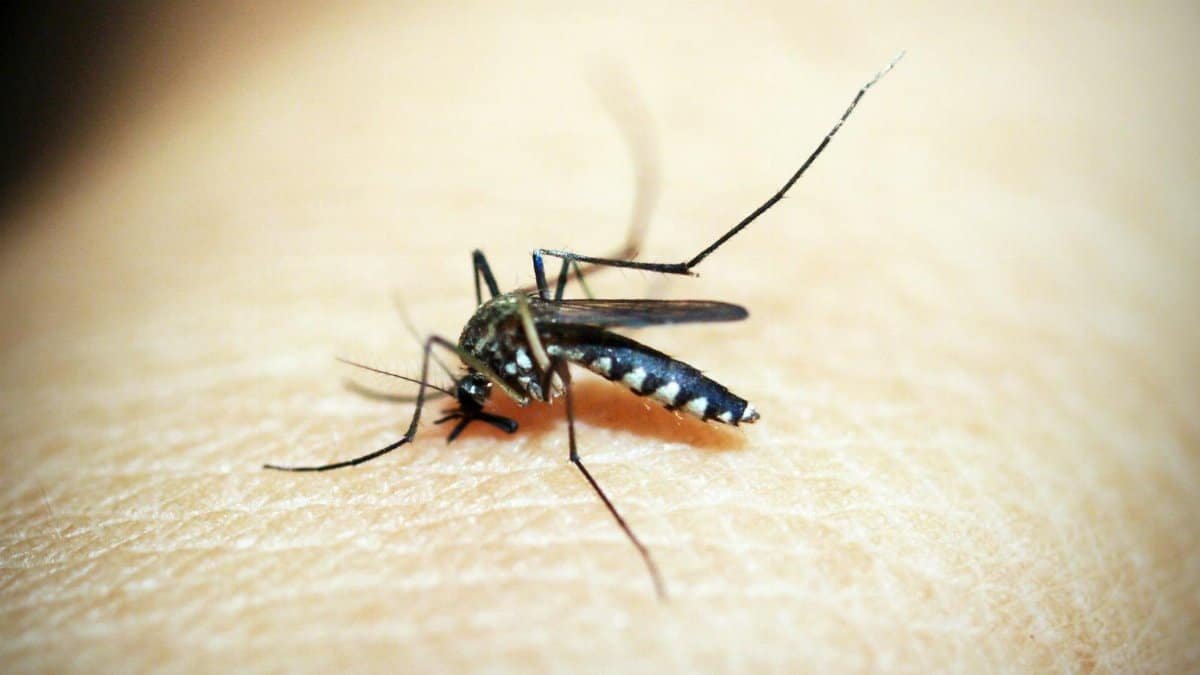
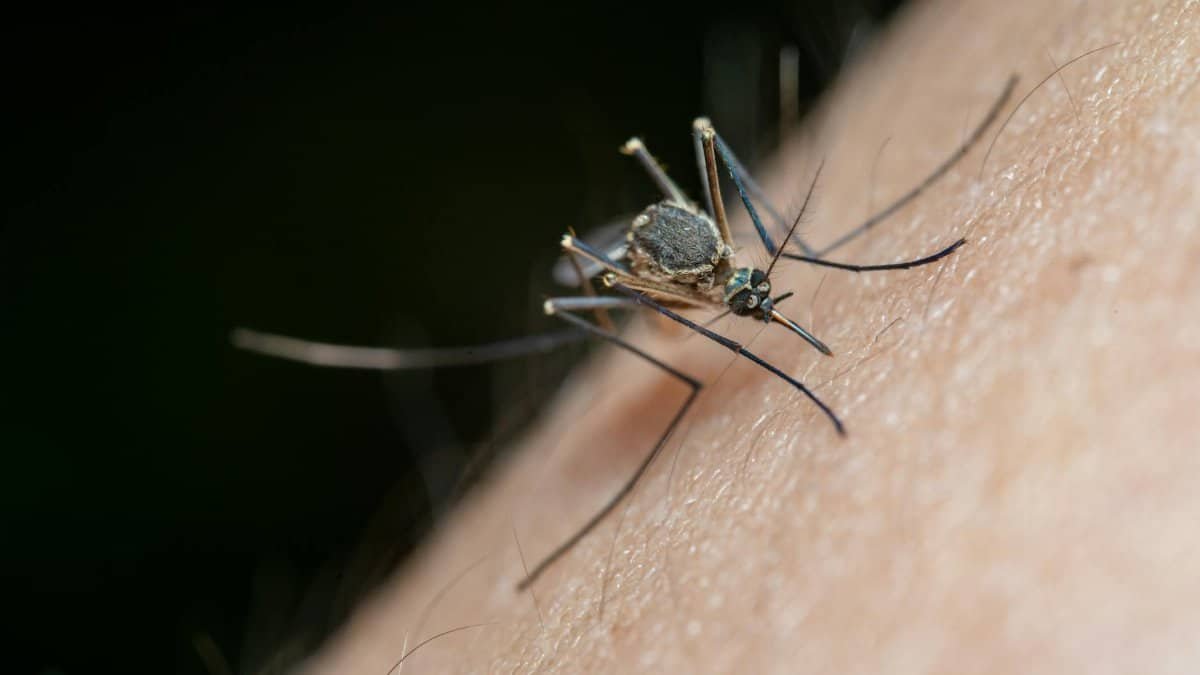
Balconies in high-rises and townhouses present ideal mosquito breeding grounds. Stagnant water in planters or nearby puddles draws females seeking blood meals for their eggs. According to the Centers for Disease Control and Prevention, mosquito-borne illnesses like West Nile virus have surged in recent years, with urban areas hit hardest. A 2022 study from the Journal of Medical Entomology found that even small water collections on balconies can support hundreds of larvae. Homeowners often resort to toxic repellents, but these carry risks for pets and children. Plants emerge as a smarter alternative, releasing volatile compounds that confuse or repel insects at the source.
Nature’s Chemical Warfare

Many balcony plants produce essential oils toxic to mosquitoes yet harmless to humans. Citronella, for instance, disrupts insect olfactory receptors, masking human scents. Research from the National Library of Medicine confirms that compounds like linalool in lavender and eugenol in basil activate similar effects. These aren’t gimmicks; ethnobotanical traditions from Southeast Asia to the Mediterranean have long harnessed such flora. In modern apartments, where space is premium, selecting compact, resilient species means effortless integration into railing pots or corner stands.
Criteria for Low-Maintenance Choices

Ideal candidates thrive in partial sun, require minimal watering, and tolerate container life. They should be non-invasive, pest-resistant themselves, and suited to USDA zones 7 through 10, common in U.S. cities. Experts from the Royal Horticultural Society emphasize drought tolerance and shallow roots for balcony confines. Below, we detail 14 standout options, grouped by type for easy selection, each proven to emit mosquito-repelling volatiles through everyday care like occasional trimming.
Robust Herbs That Pack a Punch

Herbs form the backbone of effective balcony plantings, offering culinary bonuses alongside defense. Basil tops the list: its camphor notes drive mosquitoes away, as noted in a Malaria Journal analysis (link). Lemon balm follows, with citronellal mimicking DEET. Rosemary withstands heat waves, releasing strong piney scents when brushed. Thyme, compact and evergreen, carpets pots while its thymol irritates insect nerves. Peppermint spreads vigorously but repels through menthol bursts—pinch leaves for instant clouds. These five demand little beyond weekly waterings and full sun.
Aromatic Grasses and Foliage
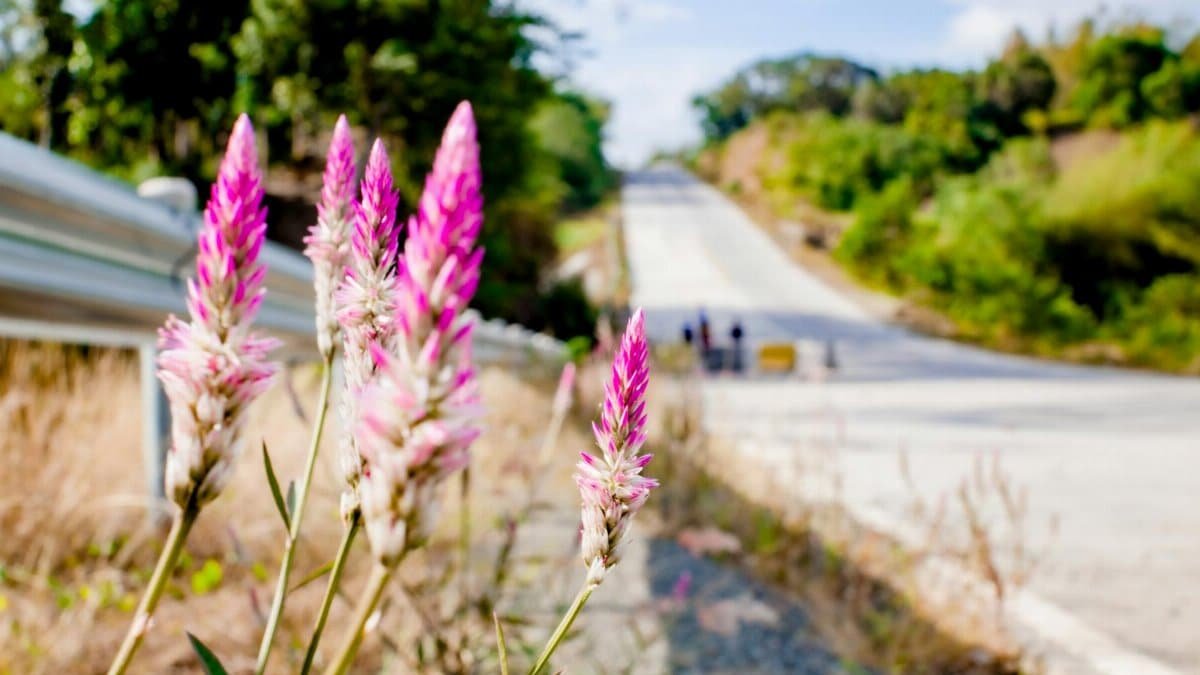
Lemongrass towers gracefully in tall planters, its stalks brimming with citronella oil, the gold standard for repellents. A University of Florida extension report validates its 80 percent efficacy against Aedes species (link). Catnip, often dismissed as feline fodder, outperforms DEET in Penn State trials thanks to nepetalactone. Scented geraniums, like rose or lemon varieties, fill spaces with fragrance; their leaves rubbed on skin extend protection. These three adapt to balconies’ variable light, needing trim only to prevent legginess.
Vibrant Flowers for Dual Duty
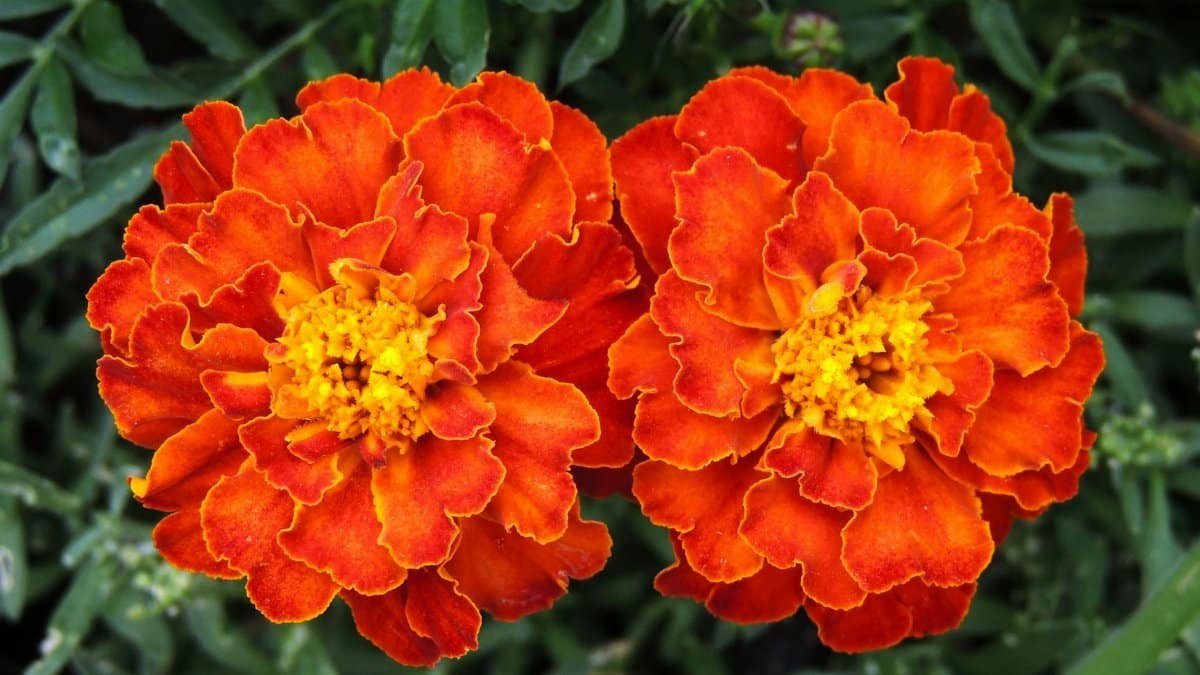
Beauty need not compromise function. Lavender’s purple spikes lure pollinators while its linalool fumes confound mosquitoes; Provençal farmers swear by it. Marigolds, with pyrethrum-like thiophenes, have backed African field studies for malaria zones. Nasturtiums trail over edges, their peppery oils deterring bites amid edible blooms. Bee balm, or monarda, draws hummingbirds but repels bugs with intense mintiness. Chrysanthemums close the flowering group, their pyrethrins a natural insecticide base. Plant these in clusters for amplified scent and color pops against concrete.
Strategic Placement on Your Balcony

Position matters as much as selection. Cluster plants near seating and entry points to create scent barriers. Hang lemongrass or lavender at eye level for brushing contact, enhancing oil release. Elevate pots on stands to avoid ground moisture that attracts breeders. Morning sun exposures suit most, but afternoon shade benefits basil and mint. Rotate seasonally: swap tender annuals for rosemary’s winter hardiness. Water deeply but infrequently, letting soil dry to mimic natural aridity and boost volatile production.
Caring for Your Mosquito Shield
Maintenance stays simple. Use well-draining potting mix with perlite to prevent root rot, a common balcony killer. Fertilize sparingly with organic fish emulsion every six weeks. Prune to encourage bushiness, which concentrates oils. Watch for aphids, though these plants often self-police via companion effects. Overwinter indoors if freezes threaten, or choose perennials like thyme. Pests rarely overwhelm resilient setups, freeing owners for enjoyment over labor.
Layering Plants for Stronger Defense

Monocultures limit impact; combinations amplify. Pair basil with marigolds for synergistic oils, or lemongrass flanking lavender borders. A Brooklyn balcony owner reported zero bites after interplanting catnip and peppermint, echoing permaculture principles. Studies from the American Society for Horticultural Science support polycultures’ superior pest resistance. This approach maximizes 14 plants’ potential across limited square footage, turning balconies into fortified oases.
Urban Gardeners Share Success

In Chicago’s River North, Maria Lopez transformed her 8-by-10-foot balcony with rosemary, thyme, and nasturtiums. “No more citronella candles,” she says, noting fewer skeeters since spring. A San Francisco high-rise resident credits scented geraniums and bee balm for al fresco dinners uninterrupted. These anecdotes align with a 2023 Urban Green report surveying 500 city dwellers, where 78 percent using repellent plants cut encounters by half. Community forums buzz with similar tales, proving scalability from studio nooks to expansive terraces.
Addressing Common Concerns
Not all balconies suit every plant. Windy exposures demand sturdy pots; shaded spots favor mint over marigolds. Allergies to pollen affect few of these, but test small. Wildlife like cats may nibble catnip, though harm proves rare. Cost stays low: starter packs run $20 to $50 at nurseries. Environmental wins abound, supporting biodiversity without harming beneficial insects. For skeptics, start with two or three; results convince quickly.
Expanding Beyond Mosquitoes
These balcony plants multitask. Lavender soothes stress, basil flavors meals, marigolds brighten photos. They purify air, per NASA clean air studies, filtering urban pollutants. Long-term, they foster mindfulness, countering screen fatigue with tangible growth. As cities densify, such greenery becomes essential for well-being, blending utility with aesthetics in confined spaces.
In an era of synthetic overload, these 14 low-maintenance balcony plants reclaim evenings from insects, proving nature’s subtlety outsmarts brute force. Whether herb enthusiast or novice, a few pots yield outsized rewards, inviting deeper connection to the outdoors one leaf at a time.