

In an era where the average office worker sits for more than nine hours daily, according to data from the American Heart Association, the toll on our bodies is mounting. Joint stiffness, reduced mobility and even chronic pain have become hallmarks of the modern workday. Yet simple interventions can counter this. Desk exercises offer a practical antidote, weaving movement into the fabric of desk-bound routines without disrupting productivity. These subtle stretches and strengthening moves, doable right at your workstation, promise to preserve flexibility and boost circulation. As remote and hybrid work solidifies, reclaiming physical vitality during the nine-to-five has never felt more essential.
Why Desk Exercises Are Essential for Long-Term Health
Sedentary lifestyles contribute to a host of issues, from weakened core muscles to impaired posture. Research published in the Annals of Internal Medicine underscores the risks: prolonged sitting correlates with higher incidences of cardiovascular disease and musculoskeletal disorders (see study here ). Desk exercises interrupt this pattern, promoting blood flow and joint lubrication. They require no equipment, just a few minutes per hour, making them accessible for professionals juggling deadlines. Regular practice can enhance focus too, as physical movement triggers endorphin release, sharpening mental acuity amid afternoon slumps.
1. Neck Rolls for Tension Relief
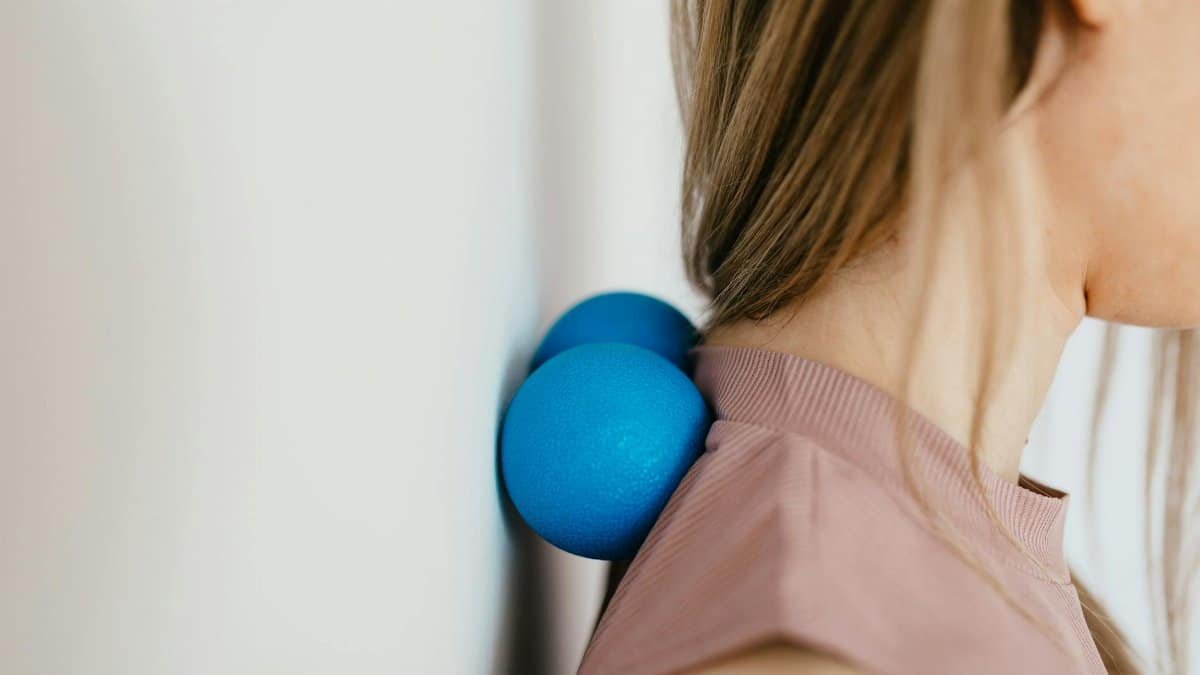
Slowly tilt your head to one side, bringing your ear toward your shoulder, and hold for 20 seconds. Repeat on the other side, then roll your chin toward your chest and back. Perform three full circles each direction. This desk exercise targets the trapezius and levator scapulae muscles, common culprits in “tech neck” from hunching over screens. Office dwellers report immediate relief from headaches after consistent use.
2. Shoulder Shrugs to Loosen Upper Back

Lift both shoulders toward your ears, squeeze for five seconds, then release with a roll backward. Do 10 repetitions. Often overlooked, tight shoulders stem from static typing postures. This move counters forward slump, improving thoracic mobility and reducing referral pain to the arms.
3. Seated Spinal Twists for Core Activation
Sit tall, place your right hand on your left knee, and twist gently toward the left, gazing over your shoulder. Hold 15 seconds, switch sides. Repeat three times. Twisting invigorates the obliques and spine, fostering rotational flexibility vital for everyday turns and reaches at the desk.
4. Wrist Extensor Stretches Against Carpal Tunnel

Extend one arm forward, palm up, and use the other hand to pull fingers back gently. Hold 20 seconds per side, twice. With keyboard marathons routine, this desk exercise safeguards flexor tendons, preventing numbness that plagues typists.
5. Desk Push-Ups for Chest and Arm Strength

Stand facing your desk, hands shoulder-width on the edge, step back into a plank, and lower your chest toward the surface. Complete 10 reps. No gym needed; this builds pectoral and tricep power, countering the rounded shoulders from monitor gazing.
6. Seated Leg Lifts for Hip Flexor Balance
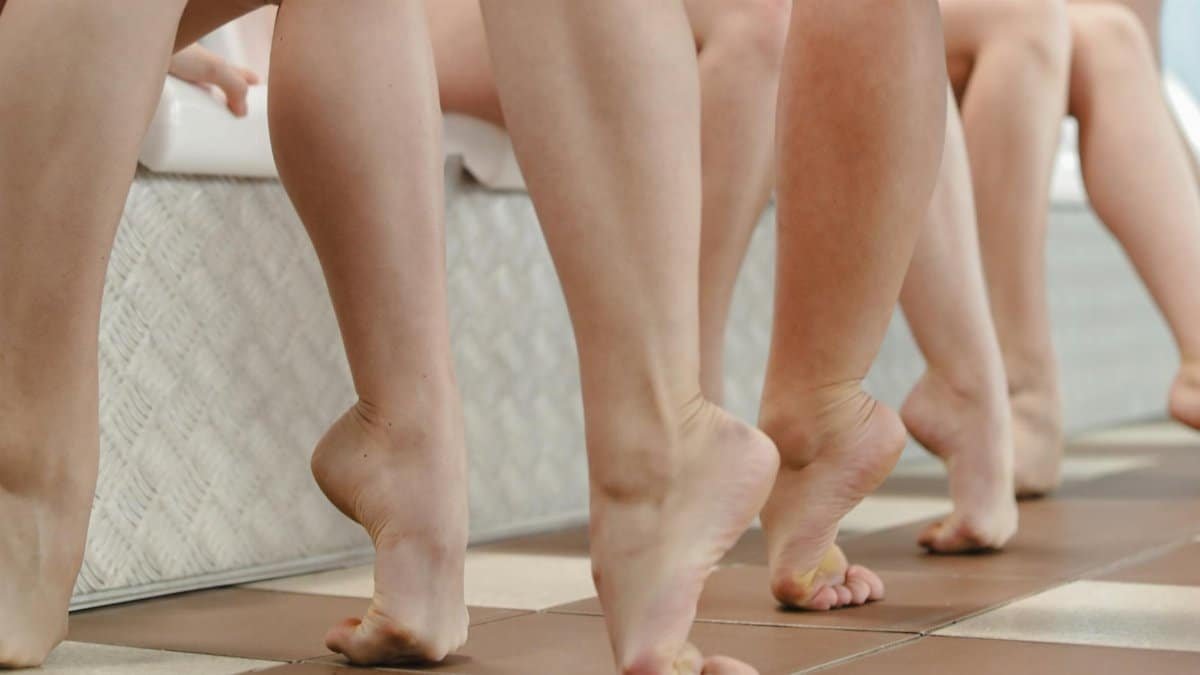
Sit upright, lift one knee toward your chest, hold two seconds, lower slowly. Alternate 12 times per leg. Prolonged sitting shortens hip flexors; this restores length and strengthens quads, easing lower back strain.
7. Ankle Circles to Boost Circulation

Lift one foot, rotate the ankle clockwise 10 times, then counterclockwise. Switch feet. Calf muscles act as a second heart, pumping blood upward. This simple rotation combats swelling from crossed legs or tight shoes.
8. Seated Calf Raises for Lower Leg Endurance
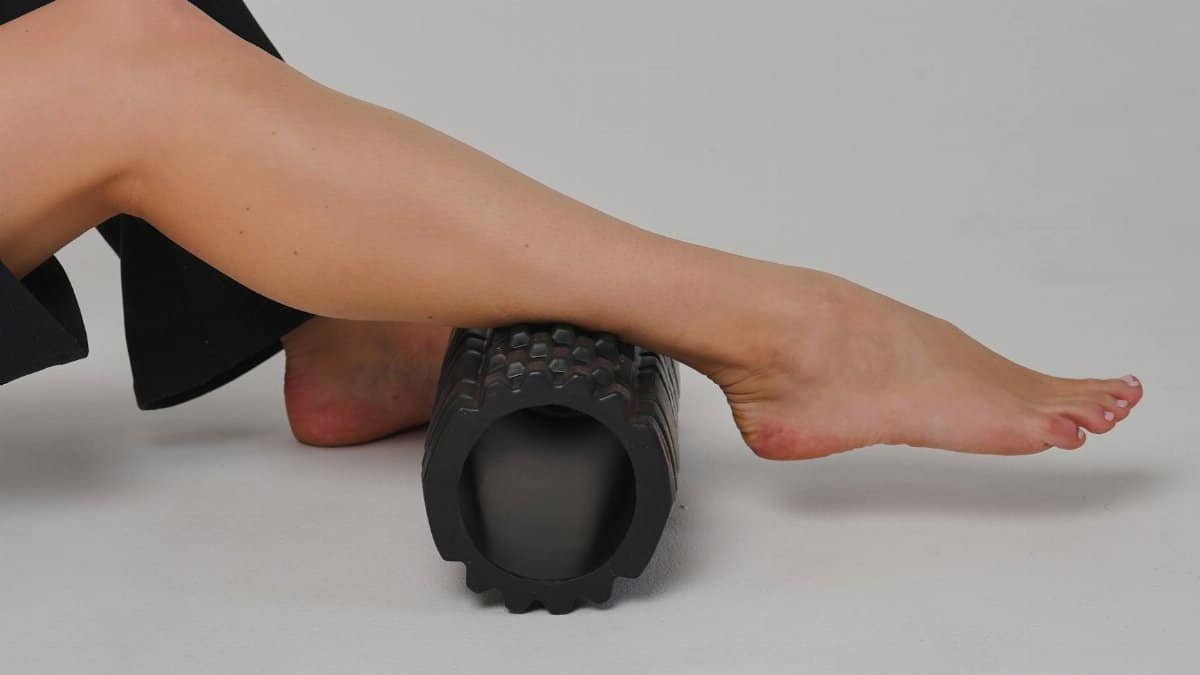
Press toes into the floor, lift heels as high as possible, hold two seconds, lower. Do 15 reps. Ideal during calls, it fortifies the gastrocnemius, reducing fatigue from desk-to-meeting treks.
9. Marching in Place for Cardiovascular Spark

Lift knees alternately as if climbing stairs, pumping arms lightly for 30 seconds. Repeat thrice hourly. This elevates heart rate subtly, mimicking a brisk walk without leaving your chair.
10. Arm Circles for Shoulder Mobility

Extend arms out, make small forward circles for 20 seconds, then backward. Progress to larger ones. Full-range motion here prevents rotator cuff issues from repetitive mouse use.
11. Chair Dips for Tricep Toning

Slide to chair edge, hands beside hips, lift slightly and lower buttocks toward floor. Eight reps. If your chair is stable, this sculpts arms while opening the chest.
12. Seated Forward Fold for Hamstring Stretch
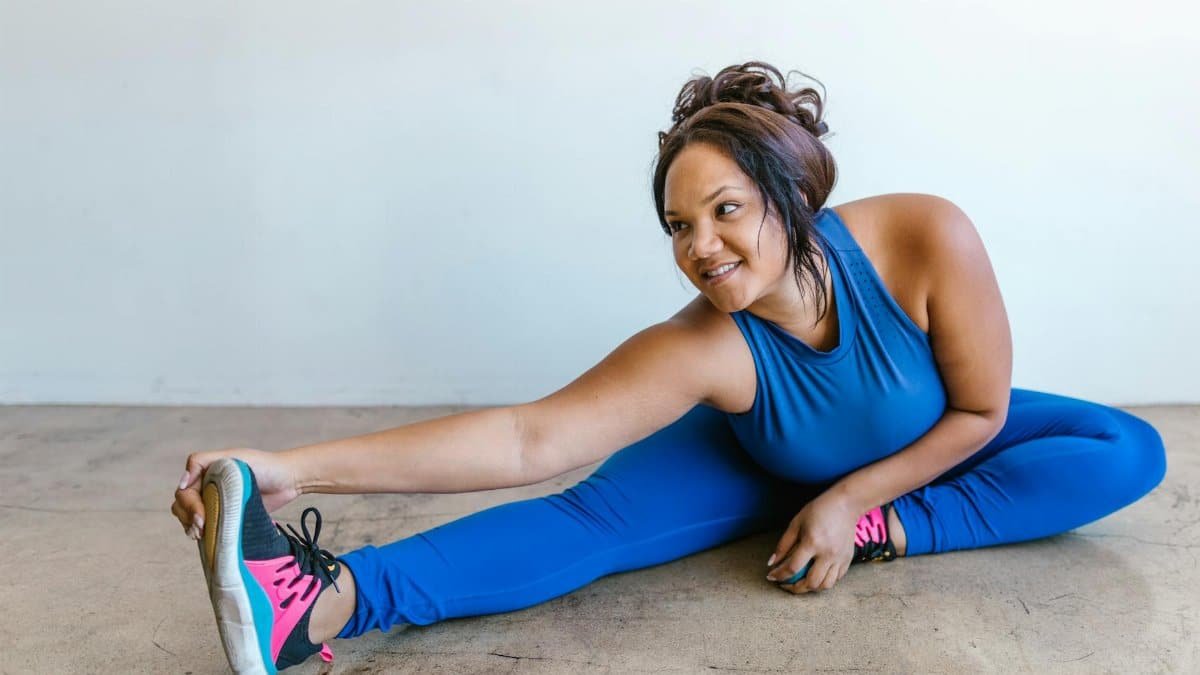
Feet flat, hinge at hips to reach toward shins, hold 20 seconds. Breathe deeply. Hamstrings tighten from sitting; elongation here supports better squat depth in daily life.
13. Seated Cat-Cow for Spinal Fluidity
Arch back on inhale (cow), round on exhale (cat), 10 cycles. Mimicking yoga, it massages the spine, alleviating compression from ergonomic chairs.
14. Deep Breathing with Overhead Reach

Inhale arms overhead, stretch side to side, exhale down. Five breaths. Pairs respiration with extension, oxygenating tissues and releasing latissimus dorsi tension.
Integrating Desk Exercises into Your Routine
Set phone reminders for every 45 minutes, or tie moves to habits like email checks. A Mayo Clinic review highlights that micro-breaks yield cumulative benefits akin to 30-minute workouts (details here ). Track progress in a journal; many notice posture improvements within weeks. Consult a doctor if pain persists, especially with pre-existing conditions.
Real Stories from the Cubicle Trenches

Marketing executive Sarah Kline, 48, from Chicago, credits desk exercises for reversing years of shoulder knots. “I went from popping ibuprofen daily to feeling limber by lunch,” she shares. Similarly, IT manager Raj Patel in Seattle integrates them during Zoom waits, sustaining energy through 10-hour shifts. These anecdotes echo broader trends: a Harvard study links such habits to 20 percent lower sick days (source here ).
Beyond physical gains, desk exercises foster mindfulness, a respite from inbox overload. As workweeks stretch, they embody proactive wellness, turning the desk from foe to ally. Commit today, and by quarter’s end, mobility will feel reclaimed.