

Imagine a quiet forest clearing, where the air hums with ancient whispers. Here, a small group gathers, their faces lit by flickering firelight, as they prepare a brew from a plant known to shift perception. This scene, rooted in traditions spanning centuries, reflects a growing curiosity today about a psychoactive plants list—plants that alter consciousness and connect users to unseen realms. From indigenous rituals to modern spiritual quests, these natural substances are no longer just relics of the past. They’re sparking conversations in 2025 about healing, self-discovery, and the boundaries of the mind. As interest surges, so does the need to understand what these plants are, how they’ve been used, and the cultural weight they carry. This article uncovers 13 such plants, each with a unique story, offering a window into their power and the questions they raise for our time.
1. Ayahuasca: The Vine of the Soul

In the Amazon rainforest, ayahuasca brews have long been a gateway to spiritual insight for indigenous communities. This potent combination, often made from the Banisteriopsis caapi vine and Psychotria viridis leaves, induces vivid visions and emotional purging. Shamans describe it as a tool for healing trauma and connecting with ancestors. Modern seekers, too, flock to retreats in Peru and Brazil, drawn by stories of profound transformation. Yet, the brew’s intensity—sometimes causing hours of nausea alongside revelations—demands respect. Research from institutions like the Beckley Foundation suggests potential therapeutic benefits for depression, though legality remains a gray area in the U.S. Ayahuasca’s allure lies in its promise of raw, unfiltered truth, but it’s not a casual experiment. It’s a journey requiring guidance and intent.
2. Peyote: A Desert Sacrament
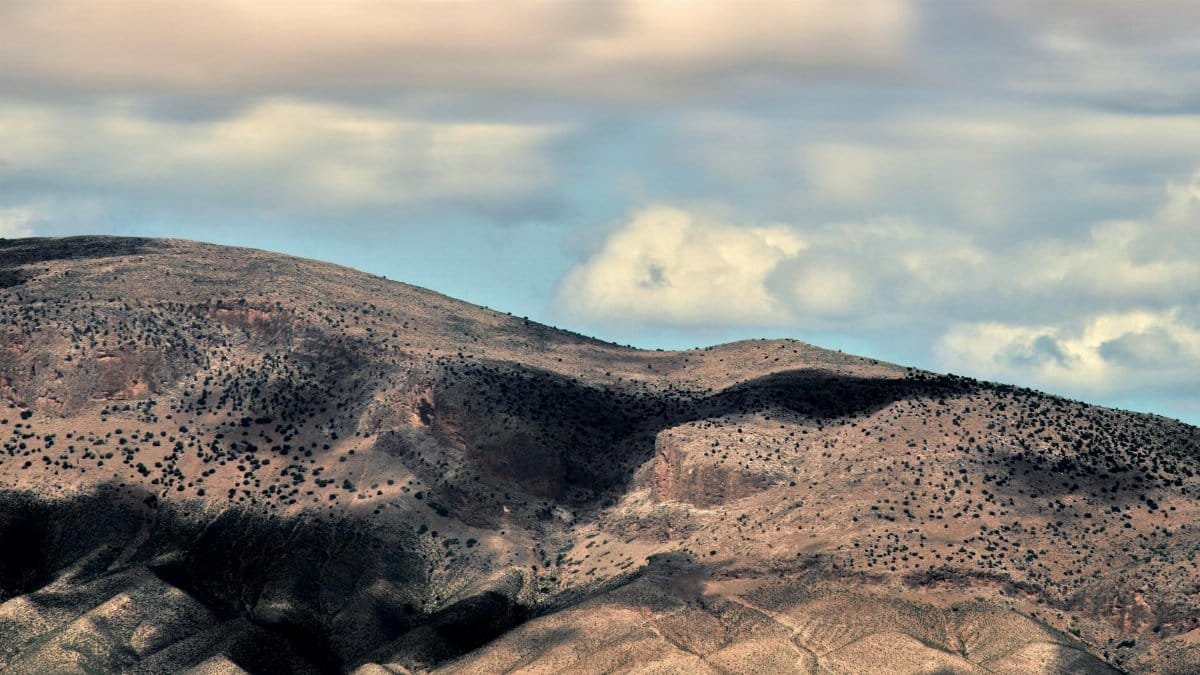
Peyote, a small, spineless cactus native to the southwestern U.S. and Mexico, holds sacred status among Native American tribes. Its active compound, mescaline, triggers vivid hallucinations and a sense of unity with nature. For the Huichol people, it’s central to pilgrimage rituals, guiding them through spiritual landscapes. In the U.S., its use is protected for religious purposes under federal law for members of the Native American Church, though broader legality is contentious. A 2020 report by the Pew Research Center notes growing interest in indigenous practices, yet peyote’s slow growth raises conservation concerns. Its effects, often described as deeply introspective, contrast with recreational drug stereotypes, emphasizing reverence over escape.
3. Iboga: Africa’s Root of Awakening
Deep in the rainforests of Gabon, the Bwiti people turn to iboga, a shrub whose root bark contains ibogaine, for rites of passage. Users report intense visions and a confrontation with personal truths, often lasting over 24 hours. It’s grueling—physically and mentally—but believers say it resets the soul. Recent studies, including those summarized by the National Institutes of Health, explore ibogaine’s potential to treat addiction, though risks like cardiac toxicity loom large. In the U.S., it’s a Schedule I substance, limiting access. Iboga’s cultural depth and therapeutic promise clash with legal barriers, leaving many to weigh underground options against safety.
4. Psilocybin Mushrooms: Magic in the Forest
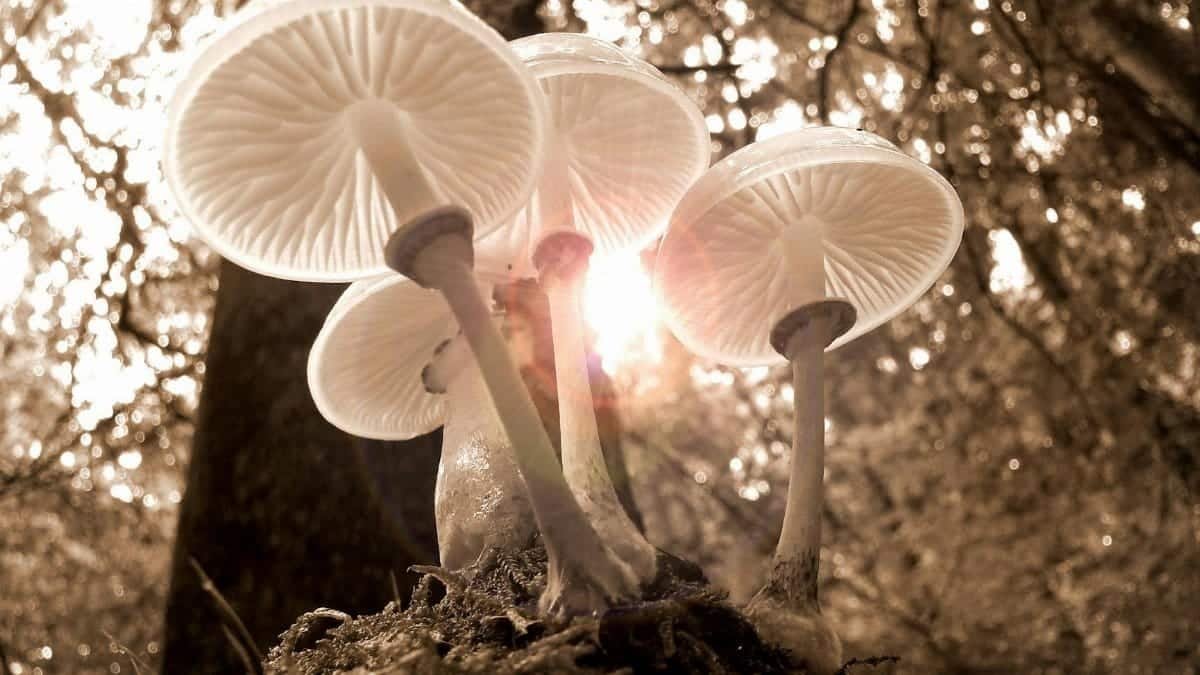
Psilocybin mushrooms, often called “magic mushrooms,” grow wild across the globe, from damp Pacific Northwest woods to European meadows. Their active compound, psilocybin, sparks altered states—colors intensify, time warps, and inner dialogues emerge. Ancient Mesoamerican cultures used them in divination; today, they’re studied for mental health breakthroughs. Research at Johns Hopkins Medicine shows promise for treating depression and anxiety, fueling decriminalization efforts in cities like Denver and Oakland. Yet, stigma persists. One anonymous online account described a guided session as “like seeing my fears dissolve into light,” hinting at their emotional impact. They’re not without risks—bad trips can unsettle—but their resurgence signals a shift in how we view consciousness.
5. Salvia Divinorum: The Sage of Seers
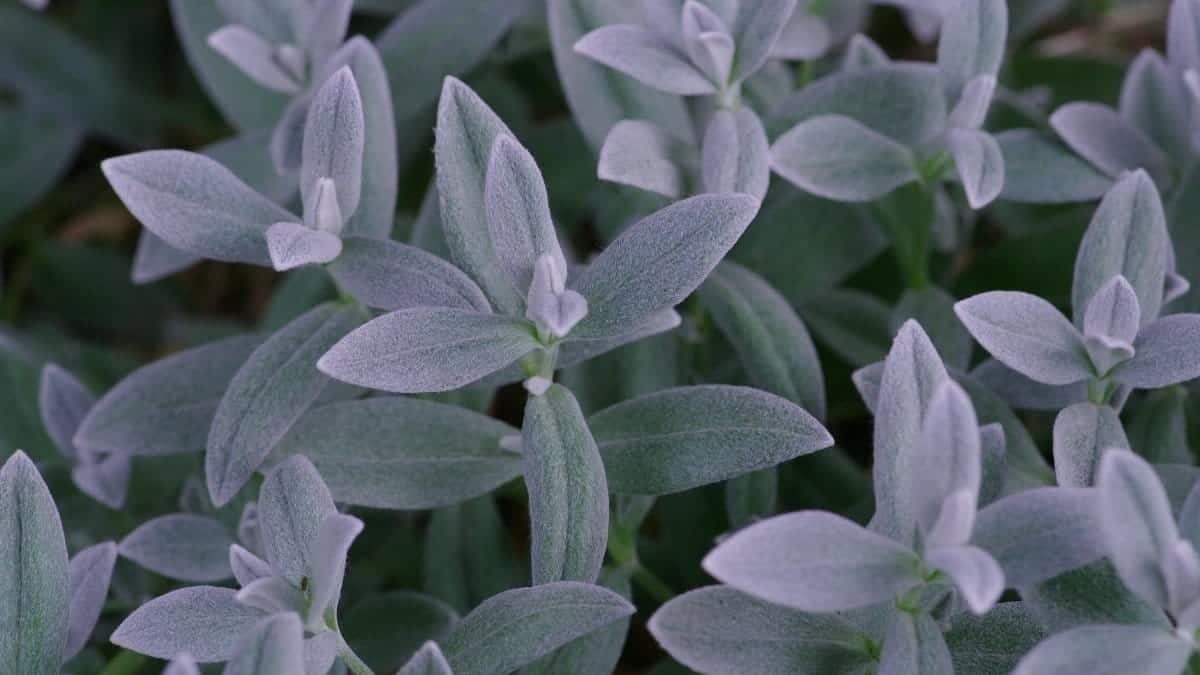
Salvia divinorum, a mint-family plant from Oaxaca, Mexico, offers a brief but disorienting trip. Mazatec shamans chew or smoke its leaves for spiritual insight, experiencing reality-bending visions that can feel like stepping outside time. Unlike longer-acting psychedelics, its effects often last under 20 minutes when smoked. It’s legal in some U.S. states, though classified as a controlled substance in others due to concerns over misuse. Users report a sense of detachment, sometimes unsettling, making it less recreational and more ritualistic. Its niche status keeps it under the radar, but its potency warns against casual use.
6. Datura: The Devil’s Trumpet

Datura, with its striking trumpet-shaped flowers, grows wild across the U.S. and beyond. Known as jimsonweed, it’s steeped in lore—used by Native American tribes for visions but feared for its toxicity. Its alkaloids, like scopolamine, can cause delirium, memory loss, and dangerous physical effects. Historical accounts tie it to shamanic practices, yet modern warnings dominate due to overdose risks. It’s a stark reminder that not all plants on a psychoactive plants list are benign; some demand caution over curiosity. Its beauty belies a darker edge, often deterring even the boldest explorers.
7. Morning Glory: Seeds of Vision
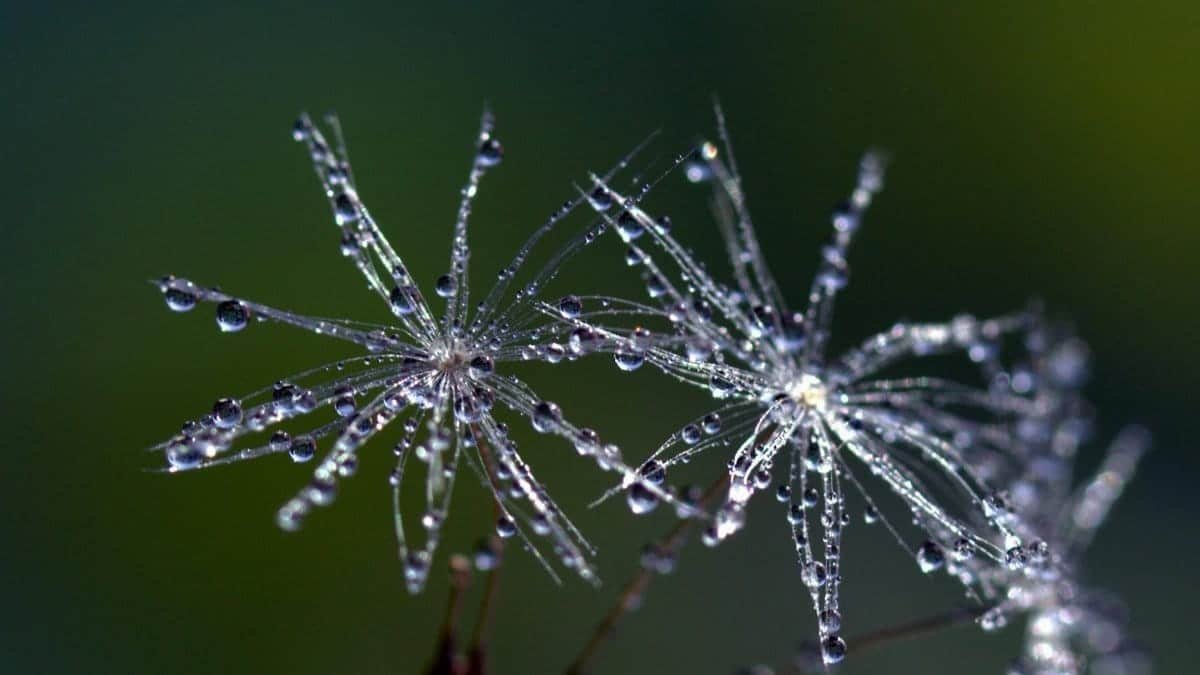
Morning glory vines, with their vibrant blooms, hide a secret in their seeds: lysergic acid amide (LAA), a compound akin to LSD. Ancient Aztecs ground them for ceremonial use, seeking divine connection. Today, some experiment with them, though inconsistent potency and nausea often deter casual users. Legal in seed form for gardening, their psychoactive use skirts regulatory lines. They’re a subtle entry on any psychoactive plants list, blending everyday familiarity with hidden power. Their history whispers of a time when nature’s gifts were sacred, not suspect.
8. Kava: The Pacific Calmer

In the South Pacific, kava root is pounded into a muddy drink for communal ceremonies. Unlike hallucinogens, it induces relaxation and mild euphoria without clouding thought. Fijian and Tongan cultures use it to foster connection, a tradition now spreading to U.S. kava bars. Though generally safe, concerns over liver toxicity with heavy use persist. It’s a gentler psychoactive, often overlooked, but its social role mirrors alcohol’s—minus the aggression. Kava’s rise in wellness circles shows a hunger for natural stress relief.
9. Khat: The Stimulant Leaf
In East Africa and the Arabian Peninsula, khat leaves are chewed for their stimulant effects, akin to a strong coffee buzz. Containing cathinone, it sharpens focus and sociability but can lead to dependency with chronic use. Yemenite and Somali communities value it culturally, though it’s banned in the U.S. as a controlled substance. Its effects are less mystical than practical, yet it earns a spot among consciousness-altering plants for its mental lift. Khat’s story is one of cultural clash, caught between tradition and regulation.
10. Betel Nut: The Social Chew

Across Southeast Asia, betel nut—wrapped in lime and leaf—is chewed for a mild stimulant effect. It stains teeth red and boosts alertness, serving as a social ritual akin to sharing tea. Long-term use links to oral cancer, tempering its appeal. It’s less about visions and more about daily rhythm, yet its psychoactive nature secures its place. In immigrant communities, it persists as a tie to home, though health warnings grow louder.
11. Cannabis: The Modern Mainstay

Cannabis needs little introduction. From ancient Chinese medicine to Rastafarian sacraments, its psychoactive THC alters mood and perception. Legalization sweeps the U.S., with states embracing it for recreation and therapy in 2025. Its versatility—smoked, eaten, vaped—fuels its ubiquity. Beyond the high, it’s tied to spiritual practices for some, though commercialization often overshadows this. Cannabis bridges ancient and modern, a familiar name on any psychoactive plants list.
12. Blue Lotus: Egypt’s Sacred Bloom
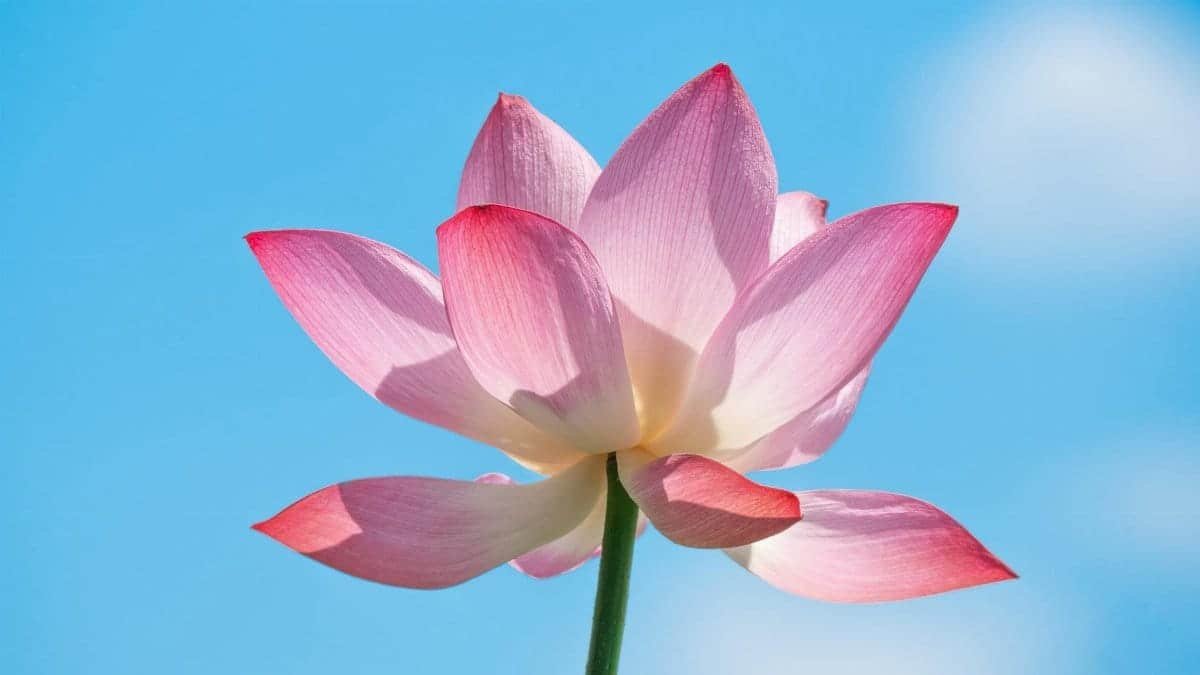
The blue lotus, revered in ancient Egypt, was steeped in wine for mild euphoria and dreamlike states. Linked to the god Nefertem, it symbolized rebirth. Today, enthusiasts brew it as tea, seeking subtle relaxation or enhanced meditation. Its legality is murky in spots, but interest grows among spiritual seekers. Its effects are gentle, a whisper compared to stronger psychedelics, yet its historical mystique endures.
13. San Pedro Cactus: The Andean Guide
Like peyote, the San Pedro cactus of the Andes contains mescaline, guiding users through expansive, often joyful visions. Peruvian shamans use it in healing ceremonies, blending Catholic and indigenous elements. It’s less known than ayahuasca but equally profound for many. Legal gray areas in the U.S. limit access, though its use persists quietly. A friend once shared how a guided session felt like “hugging the universe,” a sentiment echoing its unifying pull. San Pedro offers a slower, brighter path to insight.
These 13 plants, spanning continents and centuries, reveal humanity’s enduring quest to transcend ordinary consciousness. They’re not mere curiosities but tools—sometimes sacred, sometimes risky—that challenge how we define healing and connection. As interest in a psychoactive plants list grows in 2025, so does the need for respect, education, and balance between tradition and modern scrutiny. Their stories aren’t just about altered states; they’re about what it means to seek beyond the visible.