

Walk into any bustling office in cities like Chicago or Seattle these days, and you might notice a subtle shift. Amid the clatter of keyboards and hurried coffee runs, more people are carving out moments for quiet reflection or a quick stretch between meetings. This isn’t just about shaking off stress—it’s a nod to the growing embrace of mind-body healing, a practice that bridges the gap between mental clarity and physical well-being. As workloads intensify and burnout looms large for many Americans, these small, intentional acts during a workday are becoming a lifeline. They’re not grand gestures but micro-moments of restoration. How can such brief pauses make a difference? The answer lies in their cumulative power, offering a way to reset without stepping away from daily demands. Let’s unpack 13 micro-healing practices you can weave into your work break, proving that healing doesn’t always require sweeping changes.
1. Three-Minute Breath Reset

Inhale. Exhale. It sounds almost too simple, yet a focused breathing exercise can shift your entire state in just a few minutes. During a work break, find a quiet corner—or even stay at your desk—and close your eyes if possible. Breathe deeply through your nose for a count of four, hold for four, then release for six. Repeat this cycle for three minutes. Studies from institutions like the National Center for Complementary and Integrative Health suggest that such practices can lower cortisol levels, easing stress almost instantly. It’s not just about the breath; it’s about giving your mind permission to pause. One office worker described it as “hitting a mental refresh button” during a grueling day. Try it when deadlines loom, and notice how the fog of tension begins to lift.
2. Desk-Based Neck Release

Sitting for hours often leaves necks stiff and shoulders hunched. A quick release can work wonders. While on a break, sit up straight, drop your right ear toward your shoulder, and hold for 20 seconds. Switch sides. Then, roll your head gently in a circle, avoiding any jerky moves. This isn’t just physical relief—research from the Mayo Clinic highlights how easing muscle tension can also calm the mind, reinforcing mind-body healing. Imagine the weight of unread emails sliding off as you stretch. It’s a small act, but it reconnects you to your body amid a sedentary day.
3. Gratitude Micro-Journal
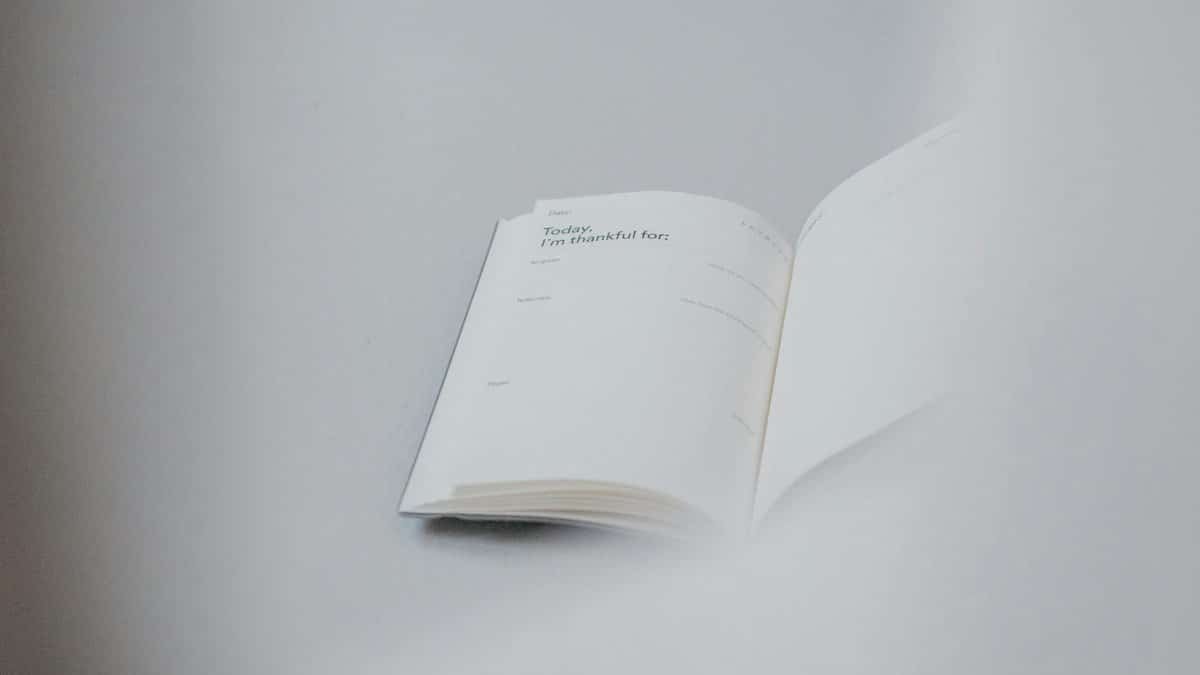
Grab a sticky note or open a blank document. Jot down one thing from your morning that sparked even a flicker of joy—maybe a kind word from a colleague or a perfect cup of coffee. Spend just two minutes reflecting on why it mattered. This isn’t fluffy self-help; it’s grounded in science. A study by the Harvard Medical School shows that gratitude practices can boost mood and reduce anxiety. During a hectic workday, this tiny habit anchors you, reminding you of the good amid the grind. Keep the note visible as a quiet nudge to stay grounded.
4. Five-Sense Grounding Scan

When stress spikes, tether yourself to the present. Take a minute during your break to notice five things you see, four you can touch, three you hear, two you smell, and one you taste. Maybe it’s the hum of the air conditioner, the texture of your desk, or the lingering scent of lunch. This sensory check-in, often used in mindfulness therapy, pulls you out of mental spirals. It’s a subtle form of mind-body healing that doesn’t require silence or solitude—just attention. Therapists note that it can interrupt cycles of overthinking, especially during high-pressure work hours. Try it when your mind races, and feel the shift.
5. Quick Wrist and Hand Stretch

Typing all day can leave hands cramped and wrists aching. Pause for a minute to stretch. Extend one arm, palm up, and gently pull your fingers back with the other hand. Hold for 15 seconds, then switch. Shake out your hands afterward. This small movement eases physical strain while signaling your brain to relax—a dual benefit backed by findings from the CDC’s workplace health resources. It’s less about the stretch itself and more about breaking the cycle of tension that builds unnoticed. Notice how even your thoughts feel lighter after.
6. Silent Mantra Moment

Words have power, even unspoken ones. During a short break, pick a phrase like “I am steady” or “This will pass.” Repeat it silently for a minute, syncing it with your breath if you can. This isn’t about deep meditation—it’s a quick mental reset. Research suggests that mantras can reduce intrusive thoughts, creating a sense of control. One person shared online feeling “instantly calmer” after whispering a personal phrase during a stressful call. Whether it’s in your head or under your breath, this practice offers a quiet anchor when work feels chaotic.
7. Micro-Walk with Intention

Step away from your desk, even if it’s just to the break room. Walk slowly for two minutes, focusing on each step—heel, toe, heel, toe. Notice the floor beneath you. This isn’t exercise; it’s mindfulness in motion. Studies show that even brief mindful walking can lower stress markers. It’s a chance to break the mental loop of work tasks, letting your body lead for a moment. If you’re stuck indoors, pace a hallway. The key is presence, not distance.
8. Earthing Through Visualization

No time to step outside? Imagine it. Close your eyes for a minute and picture standing barefoot on grass or sand. Feel the texture, the coolness. This mental escape mimics the calming effects of “earthing,” or connecting with nature, which some research links to reduced inflammation and stress. While it’s not the real thing, visualization can still soothe a frazzled mind. It’s a tiny rebellion against the fluorescent lights and endless notifications of a workday.
9. Sip with Awareness
Next time you grab water or tea during a break, slow down. Hold the cup, feel its warmth or chill, and take a deliberate sip. Notice the taste, the sensation as it moves down your throat. This isn’t just hydration—it’s a micro-meditation. Turning a mundane act into a mindful one can interrupt stress cycles, offering a sliver of calm. It’s about savoring the ordinary, something we often forget amid packed schedules.
10. Shoulder Shrug Release

Tension loves to nest in shoulders. During a quick break, lift them toward your ears, hold for a few seconds, then drop them with a sigh. Repeat three times. This simple move releases built-up strain, signaling your nervous system to ease up. It’s a physical reminder to let go of what you can’t control—like that looming project deadline. Pair it with a slow breath for an added layer of relief.
11. One-Minute Body Scan

Sit still and mentally scan your body from head to toe. Notice where you feel tight or relaxed—jaw clenched? Feet restless? Spend just a minute observing without judgment. This practice, rooted in mindfulness-based stress reduction, helps you reconnect with physical sensations often ignored during work. It’s not about fixing anything; it’s about awareness, a core piece of mind-body healing. Over time, these brief check-ins can reveal patterns of stress before they spiral.
12. Positive Visual Cue

Keep a small photo or object on your desk—a family snapshot, a pebble from a favorite hike. During a break, glance at it for 30 seconds, letting it stir a warm memory. This isn’t mere nostalgia; it’s a deliberate mood lift. Psychological research ties positive imagery to improved emotional resilience. When work frustrations mount, this tiny anchor can pull you back to a softer headspace without much effort.
13. Gentle Self-Affirmation

Before diving back into work, pause. Look in a mirror if you can, or just think to yourself, “You’ve got this.” Say it with conviction, even if you don’t fully believe it. This isn’t empty cheerleading—affirmations can reframe negative self-talk, especially during high-stress days. One worker recalled muttering a similar phrase before a tough presentation and feeling a surprising surge of confidence. It’s a quiet way to bolster yourself amid the daily grind.
These 13 micro-healing practices aren’t about overhauling your routine—they’re about weaving mind-body healing into the cracks of a busy workday. Each takes mere minutes, yet their impact builds over time. In 2025, as workplace stress continues to challenge many, these small acts of care could be the difference between burning out and staying steady. They remind us that healing doesn’t always demand hours of meditation or retreats in the mountains. Sometimes, it’s as close as your next breath, your next step, or the next kind word you offer yourself. So, during your next break, pick one. Start small. See where it takes you.