
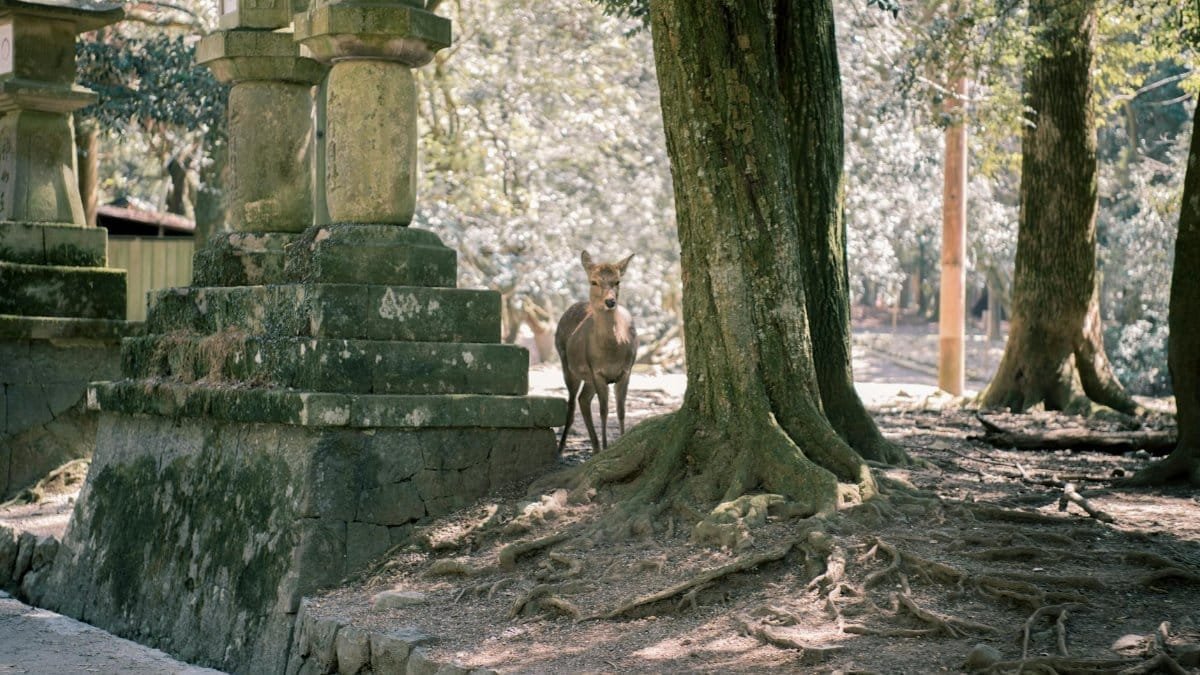
Imagine standing on the edge of a meticulously raked gravel bed, the air heavy with the scent of moss and cedar, as a sense of calm washes over you. This isn’t just a daydream—it’s the essence of what Japan’s ancient gardens have offered for centuries. These sacred spaces, designed with intention and precision, are more than aesthetic marvels; they’re blueprints for inner peace. In a world where stress often feels inescapable, the concept of Japan ancient gardens healing lessons resonates deeply. From the Zen rock gardens of Kyoto to the strolling paths of Edo-period estates, these landscapes teach us how to slow down, reflect, and reconnect. They hold timeless wisdom, whispering reminders of balance and resilience. As we navigate the chaos of 2025, perhaps it’s time to listen. Let’s uncover 13 healing lessons these gardens impart, each a step toward harmony.
1. Embrace Simplicity for Clarity

A single stone, perfectly placed, can speak louder than a cluttered landscape. In Japan’s ancient gardens, simplicity reigns. The Zen gardens of Ryoan-ji, for instance, use minimal elements—gravel, rocks, and sparse moss—to create a canvas for meditation. This isn’t about emptiness; it’s about clearing mental noise. For many Americans today, overwhelmed by digital overload, this lesson hits hard. Simplifying our surroundings, whether it’s decluttering a desk or limiting notifications, mirrors the garden’s intent. It’s a call to focus on what truly matters. A recent study from the American Psychological Association notes that 76% of adults report stress from information overload. Japan’s gardens remind us: strip away excess, and clarity emerges.
2. Find Beauty in Imperfection

Wabi-sabi, the Japanese aesthetic of embracing imperfection, is woven into every weathered stone and crooked branch of these gardens. A cracked lantern or an uneven path isn’t a flaw—it’s a story. This perspective challenges the polished, perfectionist streak often seen in Western culture. Instead of striving for flawless outcomes, what if we accepted life’s natural wear? One person, reflecting on this idea in an online forum, shared how visiting a Japanese garden shifted their view on aging: they began to see wrinkles as marks of wisdom. It’s a quiet rebellion against airbrushed ideals, urging us to value the beauty of the real over the ideal.
3. Cultivate Stillness Amid Chaos

In the heart of bustling Kyoto, gardens like Tetsugaku-no-Michi offer an oasis where time seems to pause. The rustle of leaves and the trickle of water drown out urban clamor. This stillness isn’t accidental; it’s designed to anchor the mind. For middle-aged readers juggling careers and family, carving out such moments feels like a luxury. Yet, research from the National Institutes of Health shows that even brief periods of calm can lower cortisol levels. These gardens teach us to create mental sanctuaries, even if it’s just five minutes of quiet in a busy day.
4. Honor the Power of Patience

Ancient Japanese gardens weren’t built overnight. Some, like the Kenrokuen Garden in Kanazawa, evolved over generations. Each tree, each stone placement, reflects patience—a virtue often sidelined in our instant-gratification era. Planting a seed today for a future you may not see feels counterintuitive, yet it’s profoundly healing. It’s about trusting the process. For those facing burnout in 2025, this lesson offers a grounding reminder: growth takes time, whether it’s personal healing or nurturing relationships.
5. Design with Intention

Every element in these gardens serves a purpose. A bridge might symbolize transition; a lantern, enlightenment. Nothing is random. This intentionality can translate to how we structure our lives. Are we placing our energy where it aligns with our values? A report by Pew Research Center highlights how many Americans feel misaligned between their goals and daily actions. Japan ancient gardens healing lessons nudge us to curate our choices deliberately, crafting environments—physical or emotional—that support our well-being.
6. Connect with Nature’s Rhythms

These gardens mirror the seasons—cherry blossoms in spring, fiery maples in fall. They remind us we’re part of nature’s cycle, not above it. In a culture often disconnected from natural rhythms, this connection heals. Studies from the U.S. Forest Service show that time in green spaces reduces anxiety by up to 30%. Whether it’s tending a small backyard plot or simply watching leaves fall, aligning with nature’s pace offers solace.
7. Create Space for Reflection

Many gardens feature secluded benches or pavilions, inviting visitors to sit and think. This isn’t passive idleness—it’s active introspection. In an age of constant doing, reflection feels radical. Yet, it’s where insights bloom. Imagine a harried parent pausing to watch koi glide in a pond; in that moment, clarity about a tough decision might surface. Japan’s gardens carve out this space literally and metaphorically, urging us to prioritize thought over action sometimes.
8. Balance Asymmetry for Harmony

Unlike Western formal gardens, Japanese designs often favor asymmetry—odd numbers of stones, irregular paths. Yet, balance emerges. It’s a paradox: harmony doesn’t require perfection or sameness. For those wrestling with life’s unevenness, this offers comfort. Relationships, careers, health—rarely do they align neatly. Embracing asymmetry means finding peace in the imbalance, trusting that equilibrium forms in unexpected ways.
9. Value the Journey Over the Destination

Strolling gardens, like those in Okayama’s Korakuen, are built to be experienced step by step. Each turn reveals a new vista, teaching that the path itself holds meaning. In our goal-obsessed society, this feels like a gentle correction. Rushing toward outcomes often robs us of joy. Slow down. Notice the details—a mossy stone, a fleeting thought. Healing lies in the wandering, not just the arrival.
10. Use Constraints as Creativity

Ancient gardeners worked with limited space and resources, yet crafted masterpieces. Small courtyards became vast in spirit through clever design. This ingenuity speaks to anyone feeling boxed in by circumstances. Constraints—be they time, money, or energy—can spark innovation. It’s not about having more; it’s about seeing possibilities in what’s at hand. Japan ancient gardens healing lessons show us how limits can inspire rather than stifle.
11. Nurture Quiet Strength

A bamboo grove bending in the wind, yet unbroken, is a recurring motif in these gardens. It symbolizes resilience through flexibility. For many facing midlife challenges, this image resonates. Strength isn’t always loud or rigid; sometimes, it’s the quiet ability to adapt. This lesson encourages bending without breaking, finding power in yielding when needed.
These gardens often feel like solitary retreats, even when shared. A lone figure raking gravel at dawn, as seen in countless historical accounts, embodies this. Solitude isn’t loneliness—it’s renewal. In 2025, with social pressures amplified by digital connectivity, carving out alone time is vital. Whether it’s a walk in a local park or a moment of silence at home, solitude restores. The gardens whisper: retreat to recharge.
13. Build Bridges to Understanding

Arched bridges in Japanese gardens often connect disparate elements—land to island, past to present. They symbolize transition and connection. On a personal level, this speaks to mending divides, whether within ourselves or with others. Healing often starts with reaching across gaps—forgiving a grudge, reconciling inner conflicts. As one visitor to a garden remarked, crossing a small bridge felt like leaving burdens behind. Japan ancient gardens healing lessons ultimately point to unity, reminding us that connection, even in small ways, mends the soul.
These 13 lessons, rooted in the serene landscapes of Japan’s ancient gardens, aren’t just historical curiosities. They’re practical tools for navigating the complexities of modern life. From embracing imperfection to seeking stillness, each offers a way to recalibrate. In a year like 2025, marked by rapid change and uncertainty, these teachings feel especially urgent. They invite us to step back, breathe, and redesign our inner landscapes with the same care a gardener tends to stone and leaf. The healing isn’t instant, but it’s lasting—a quiet promise etched in every raked line of gravel.